《跬步集》第21期(201905)发布。主编:伯龙。
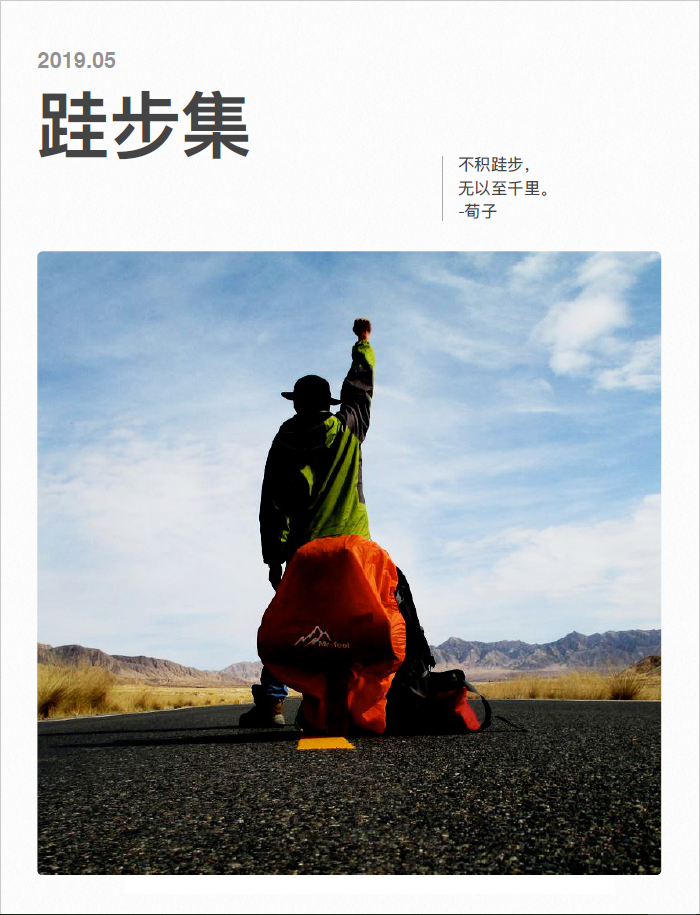

《跬步集》第21期(201905)发布。主编:伯龙。
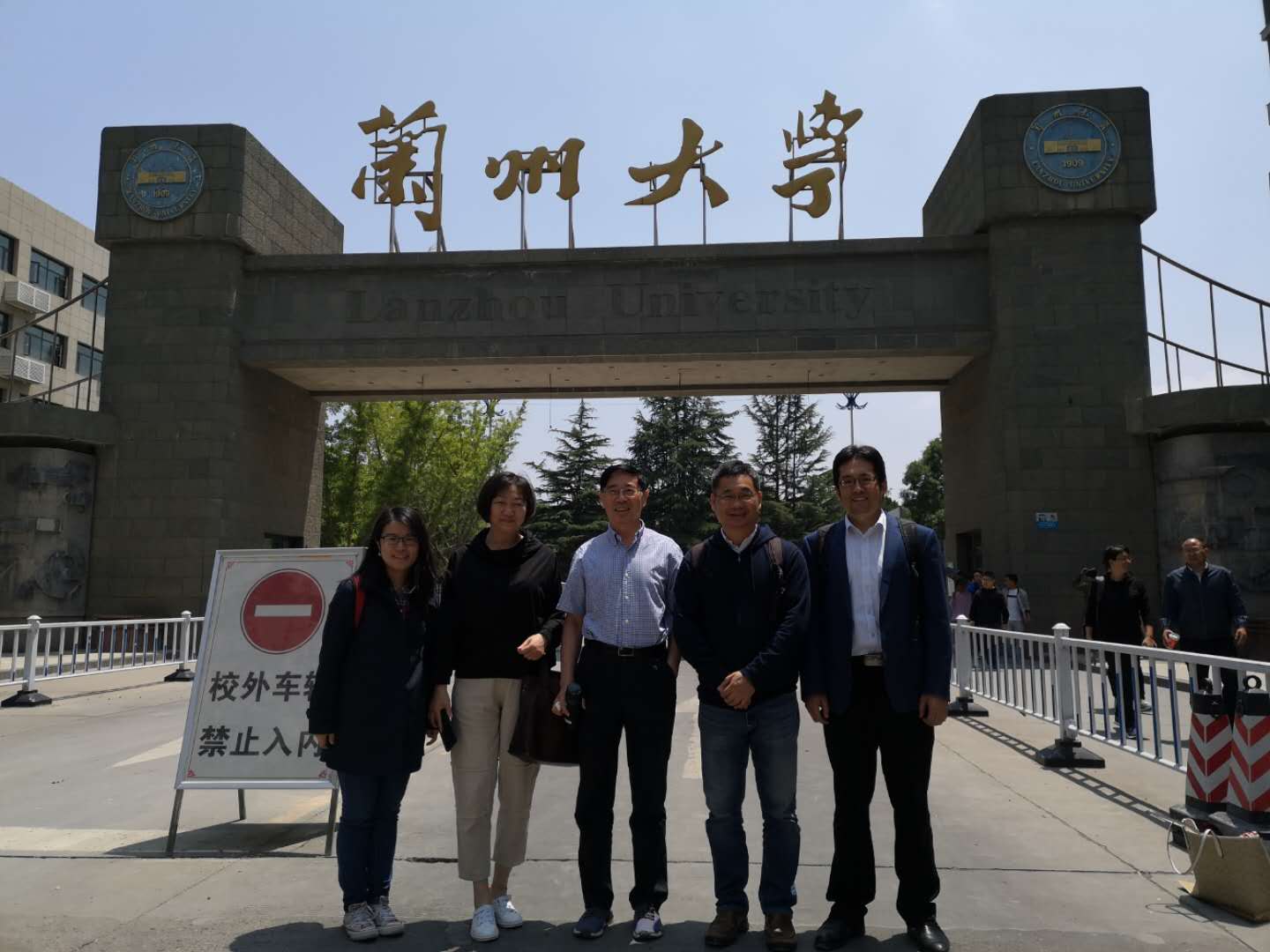
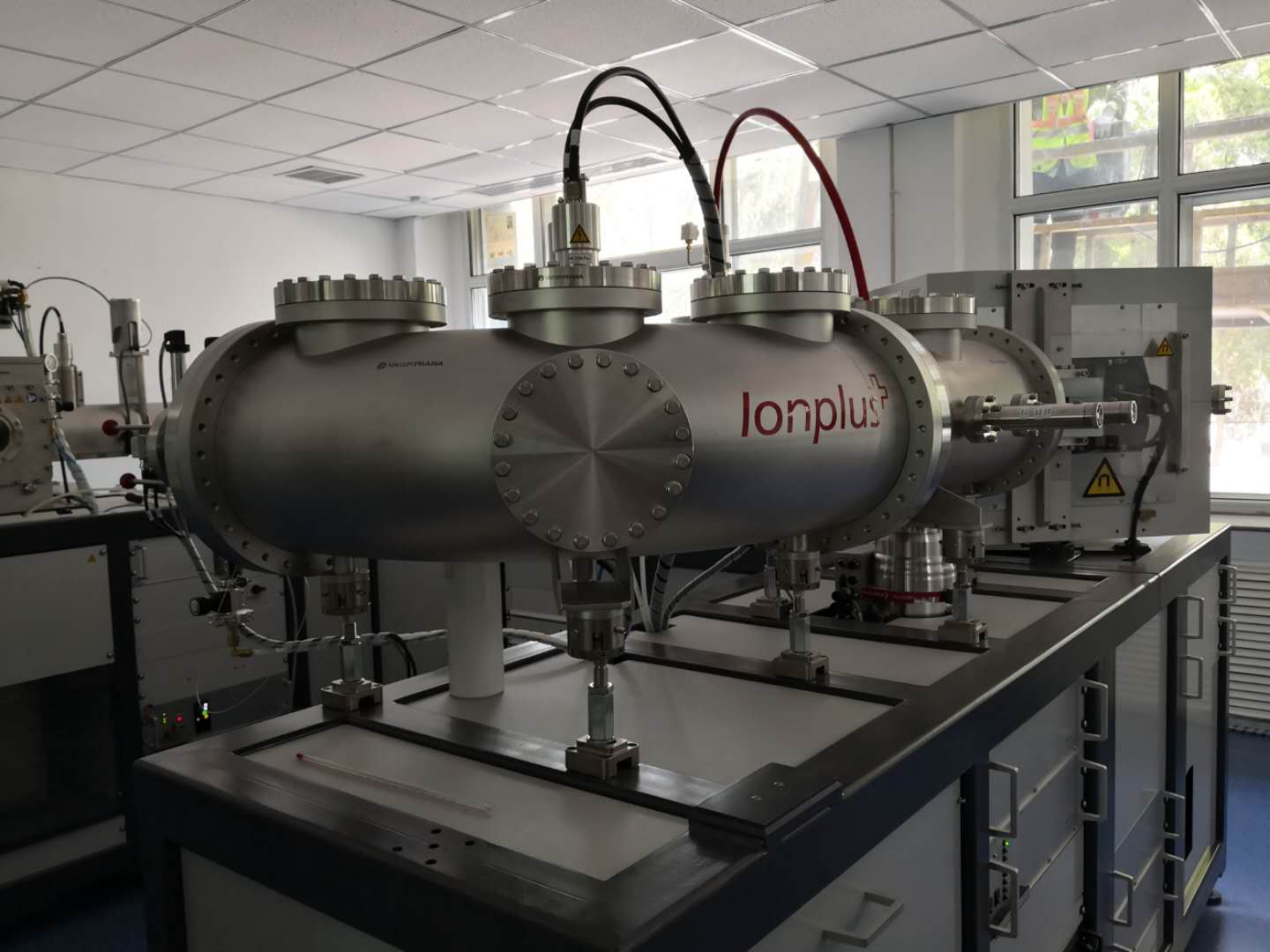
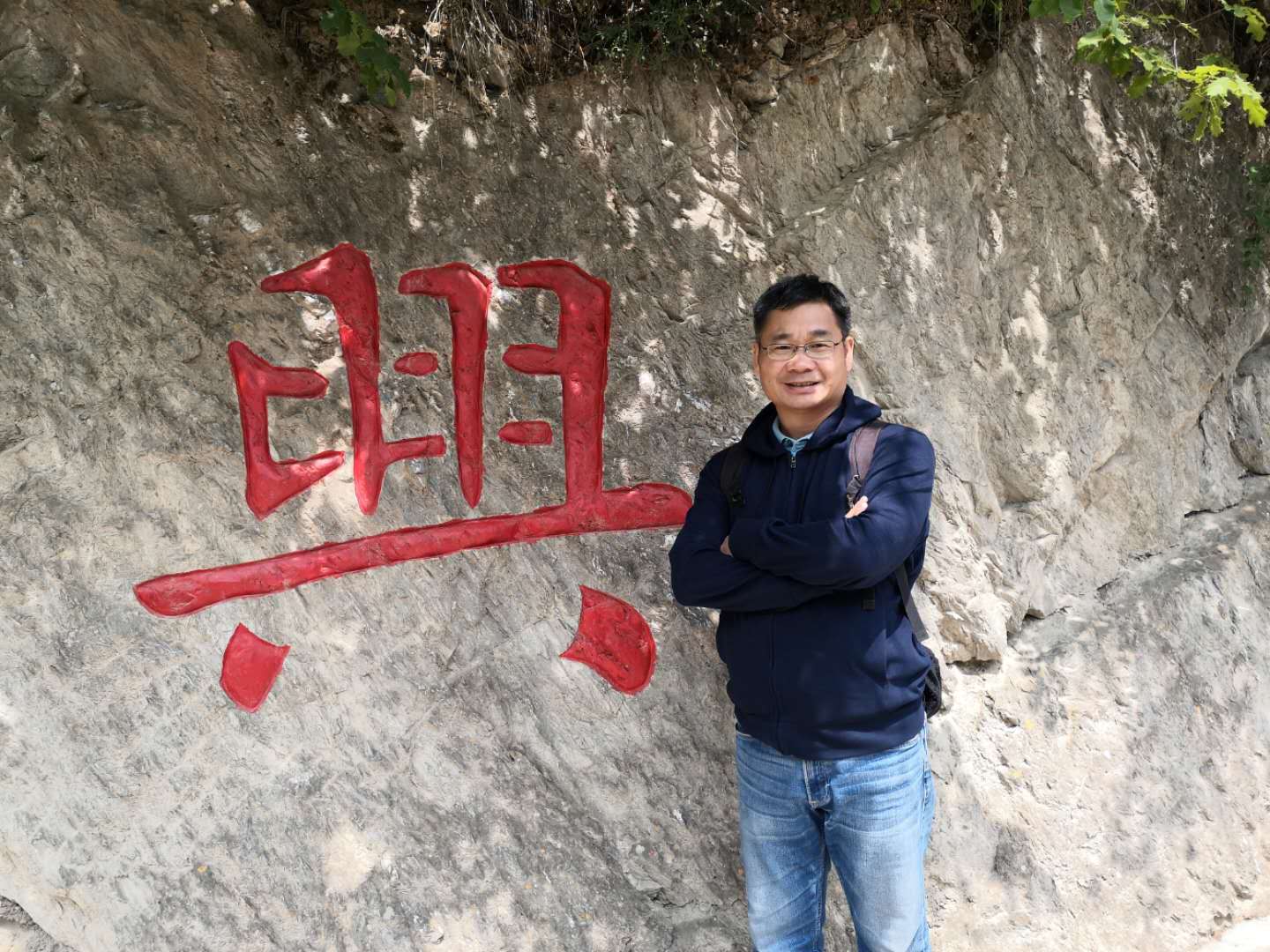
On May 26-29, Gan and Shizhen visited our STMSYC team in Lanzhou. They had a detailed discussion with profs Ma Jianmin, Gao Hong and Wang Tao, on the next-stage task from ATMSYC in the context of risk-assessment modeling, source-tag technique and a new model to be applied in the PRD demo, and the national air toxic assessment report etc. Gan also attended two other meetings, one on environmental science & technology education, and one for the Gansu Provincial Key Lab on Pollution Warning and Control, of which he is one of the academic panel members. They are also able to see the 14C lab of Lanzhou University, consisting of a MICADAS AMS and a dedicated graphite target-making line, operated by Prof. Wang Zongli (王宗礼). On the 28th afternoon, they took a short sightseeing trip to Xinglongshan (兴隆山), which is quite greenery and with rich history. We’ve been really enjoying the fruitful collaboration with LZU, which could be tracked back to as early as the year of 2010.


On May 21, Professor Haidelore Fiedler (Heidi) of Orebro University, Sweden, visited SKLOG. Heidi is also a distinguished professor in Tsinghua University associated with Prof Yu Gang’s group. She worked for more than 15 years in UNEP/chemicals as a project officer and had contributed greatly to the Stockholm Convention in particular on developing the toolkit for dioxin inventory and the global monitoring programme of POPs (GMP). Heidi gave a talk entitled ‘Implementation of POPs convention with emphasis on chemical analysis’. Heidi is a Germany in origin, and was exited to talk with Jin Biao in Germany. She is happy to contribute to our next step development in the MSR on GMP.
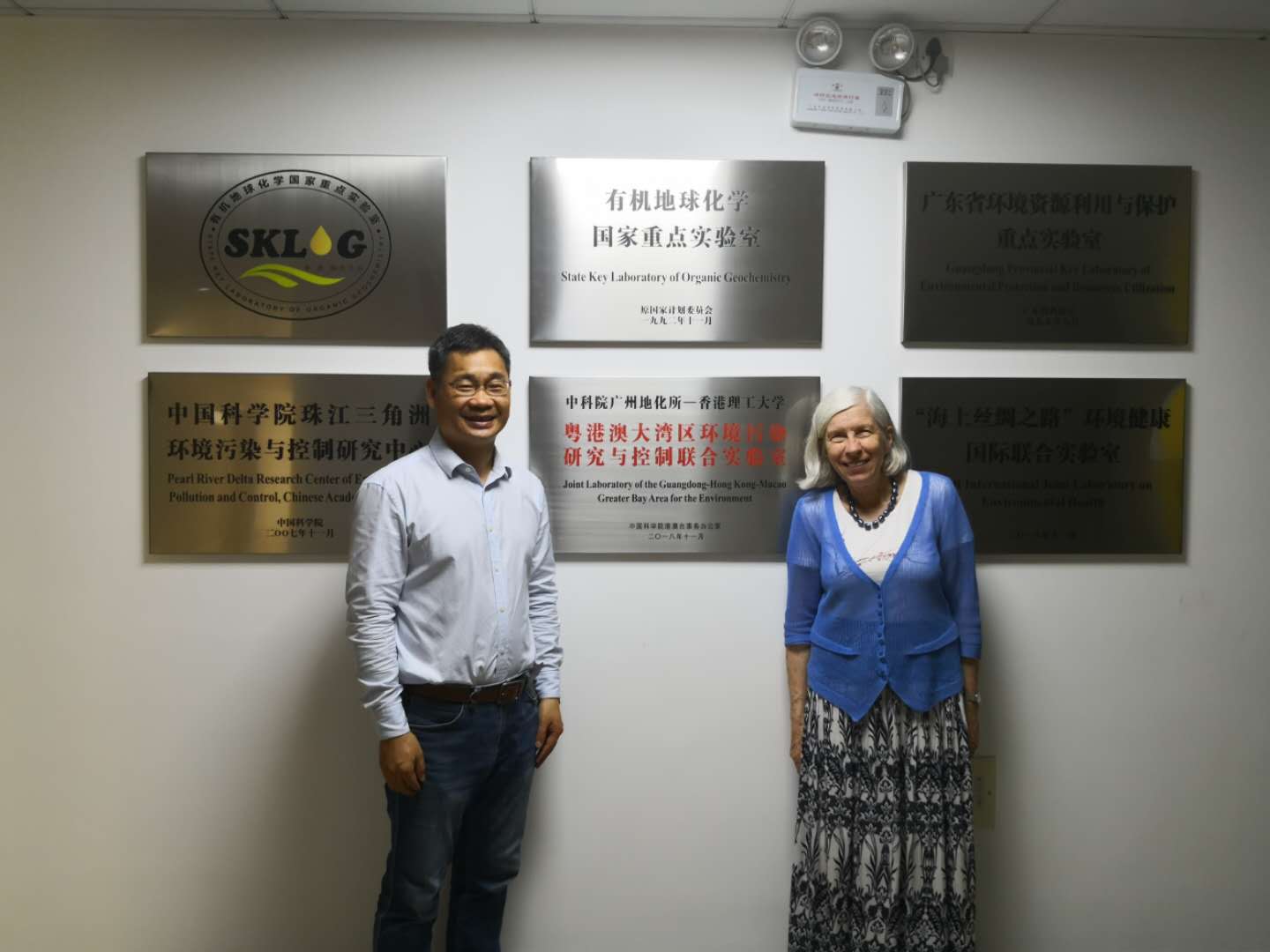
Heidi’s first visit to SKLOG.
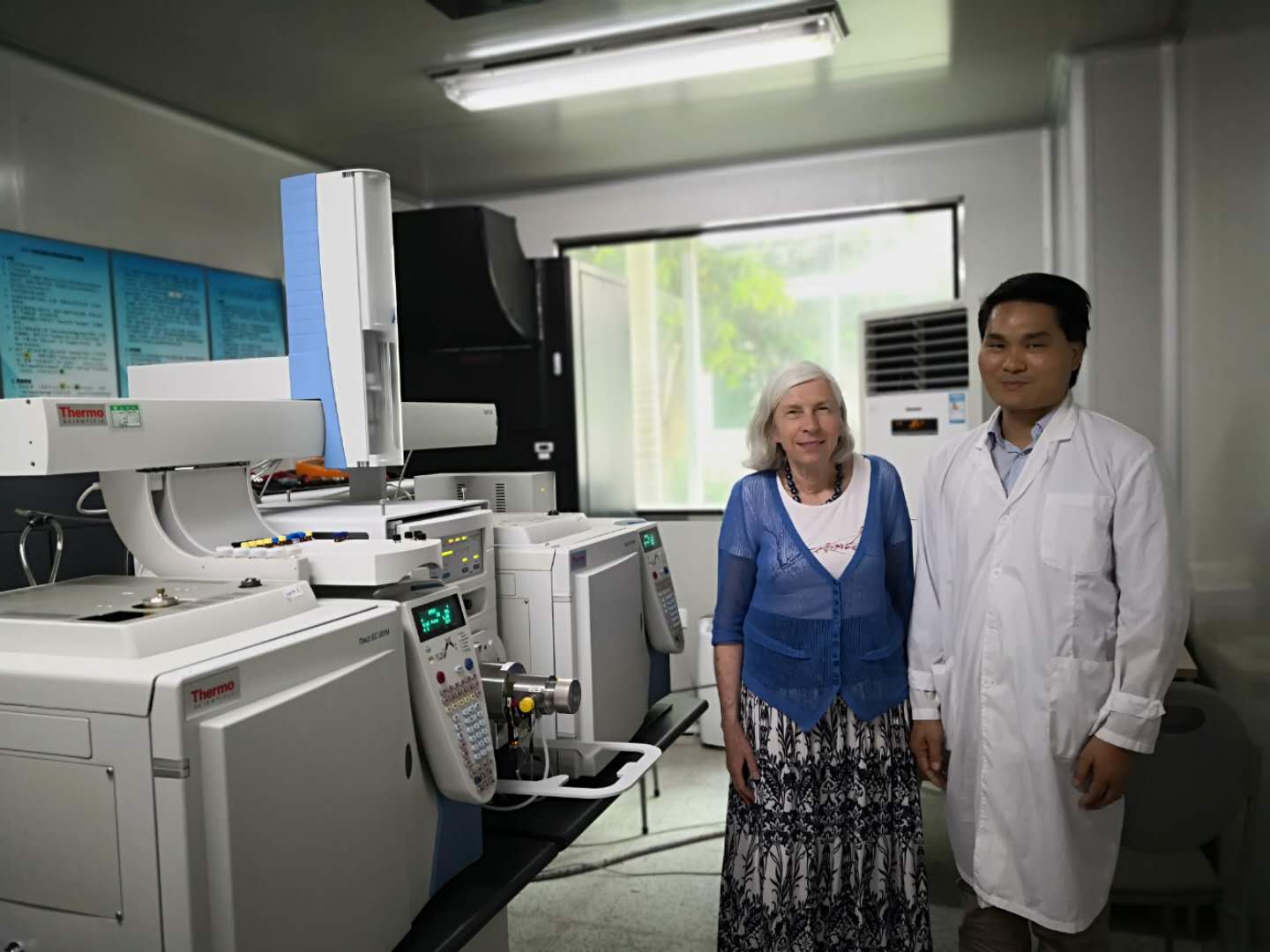
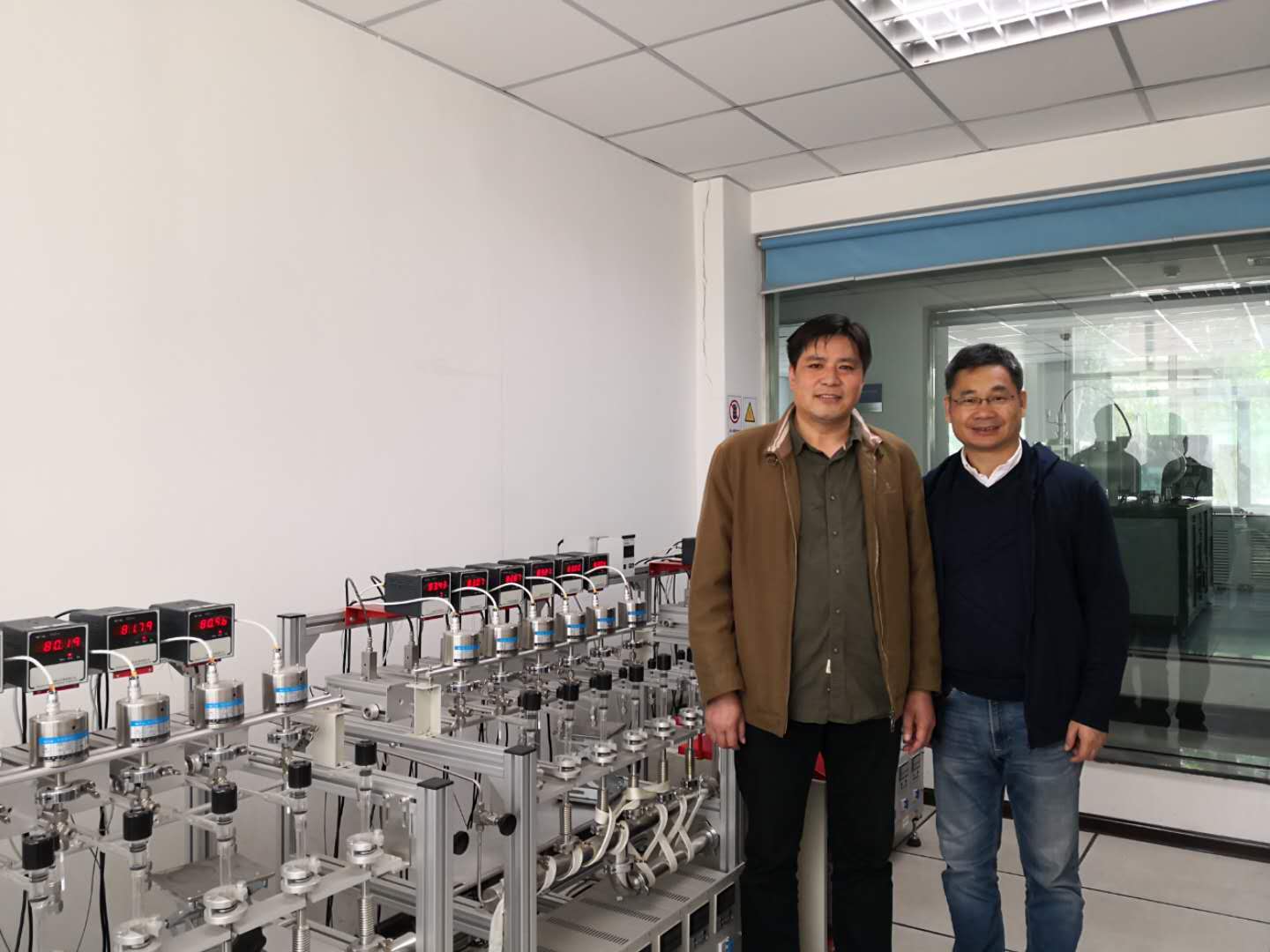
Two dioxin experts.
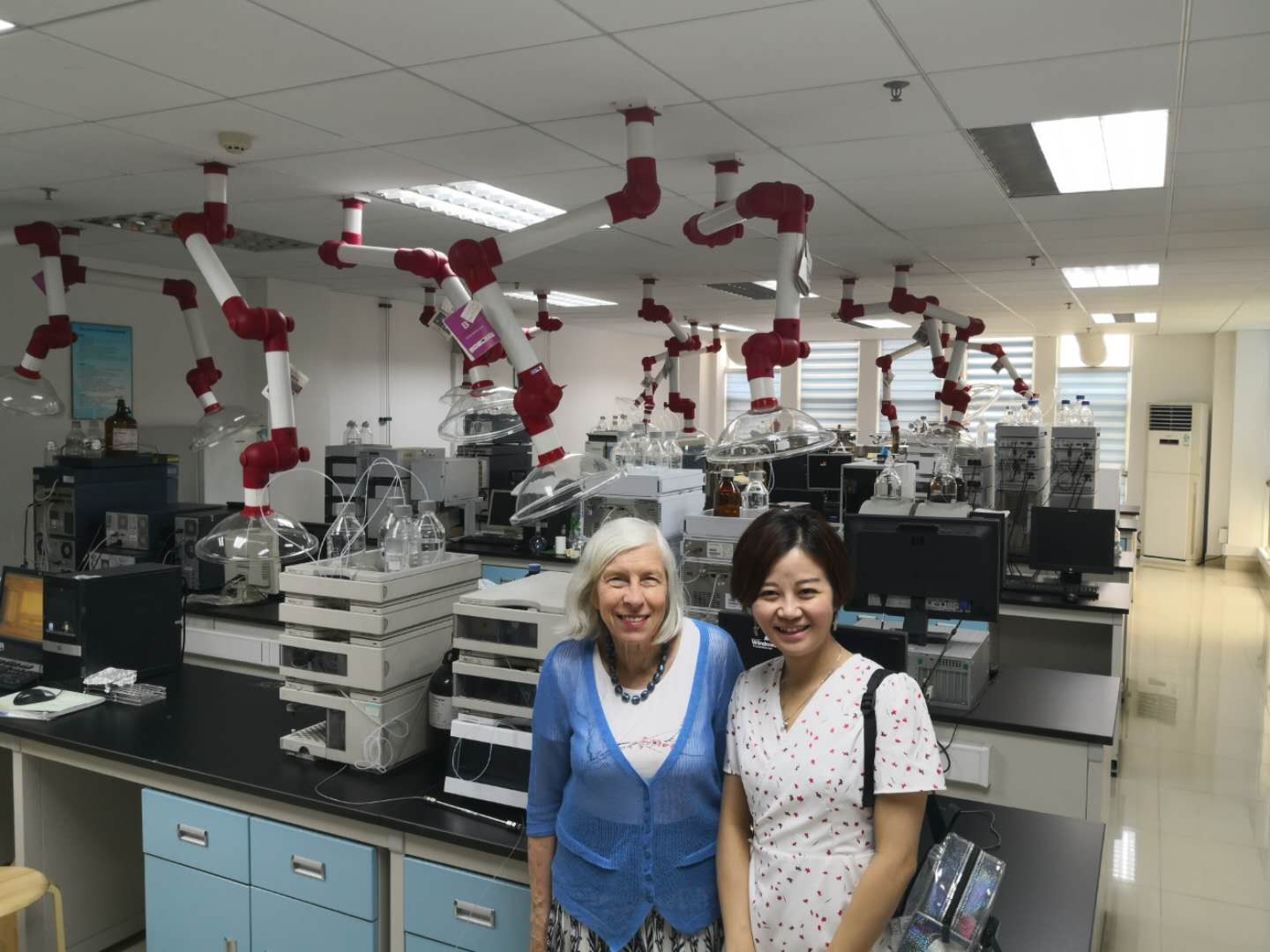
Eva from Jinan University accompanied Heidi.
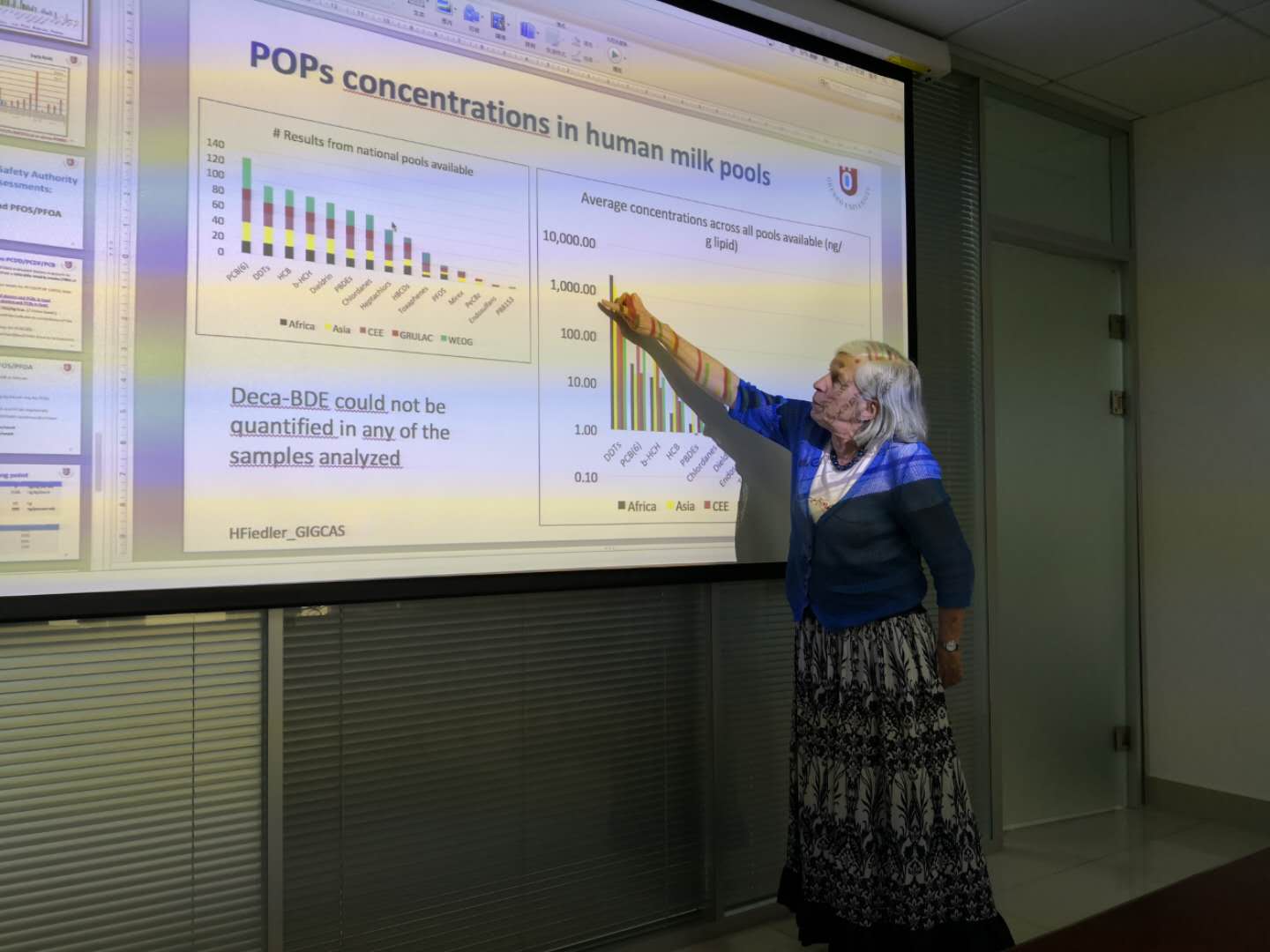
Heidi’s enthusiastic with POPs monitoring.
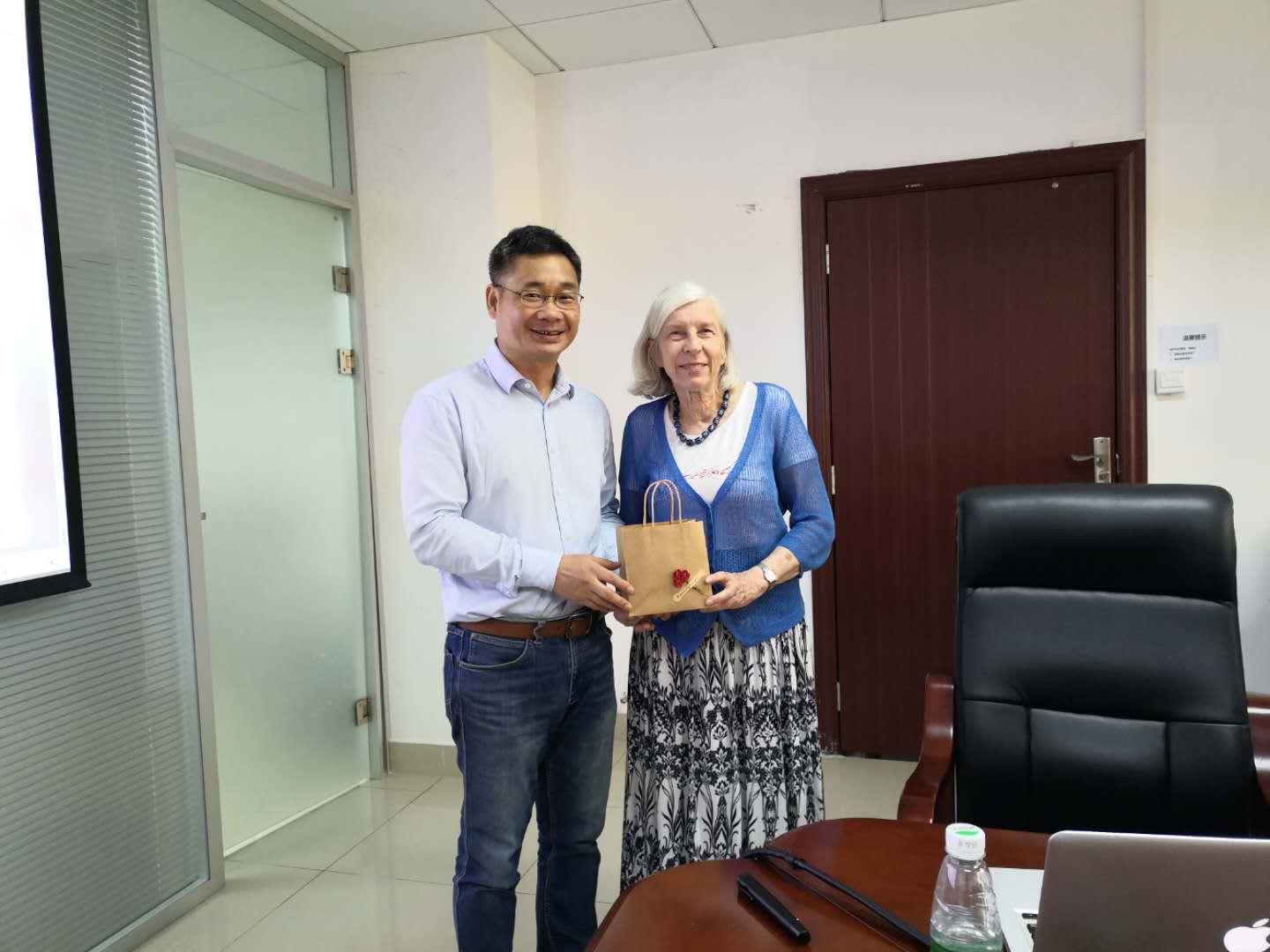
A small gift (the SKLOG mug).