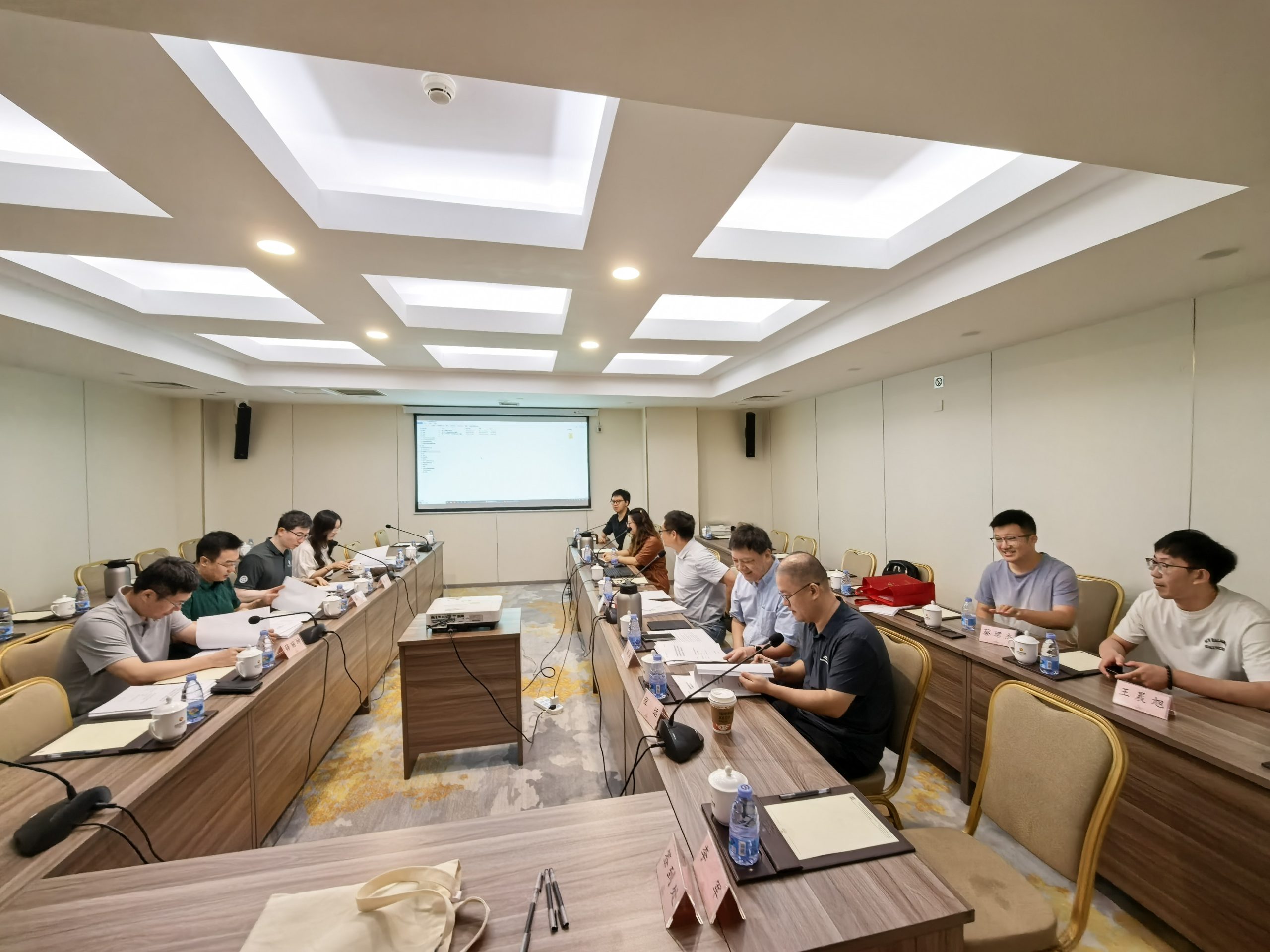
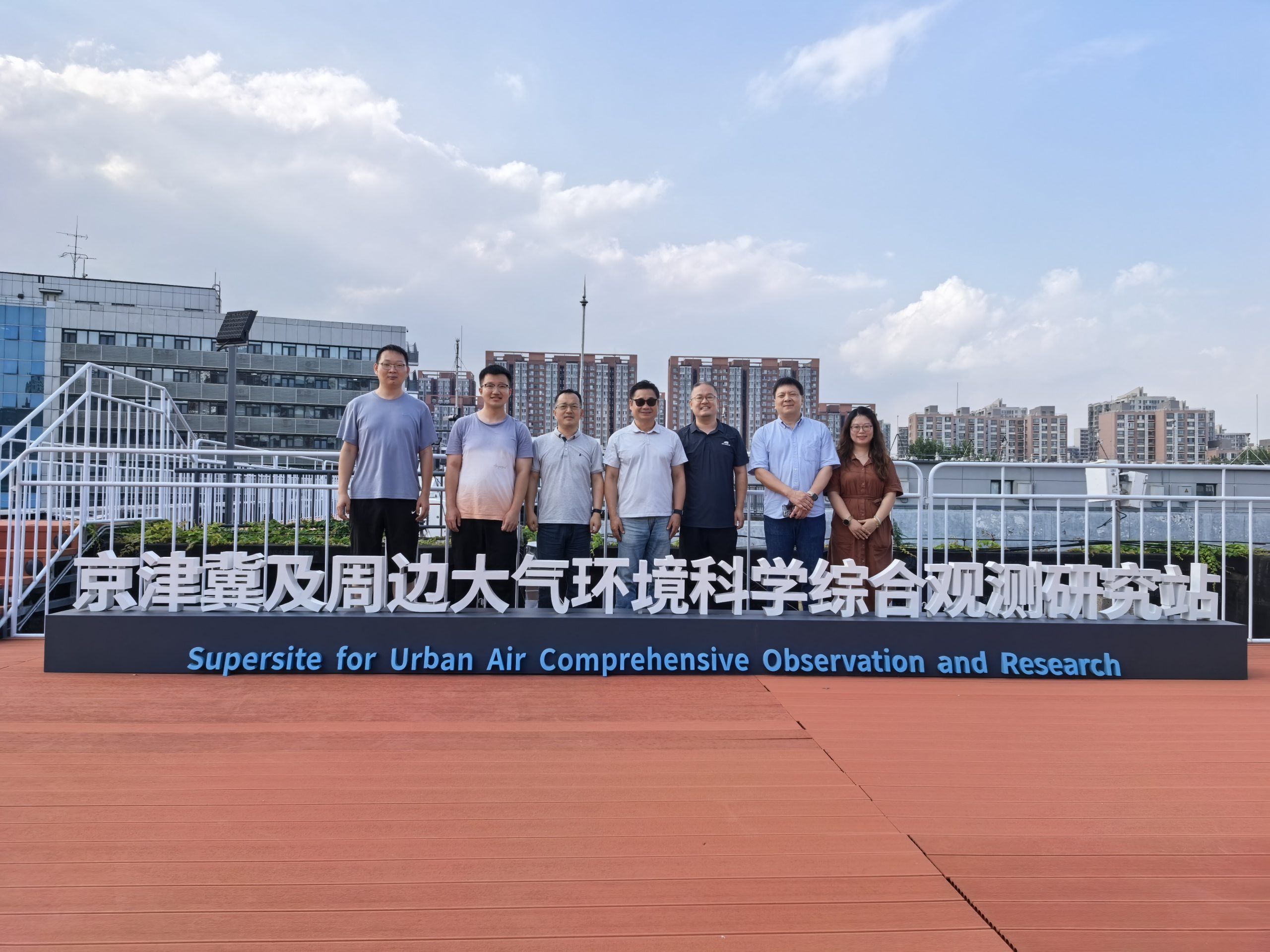
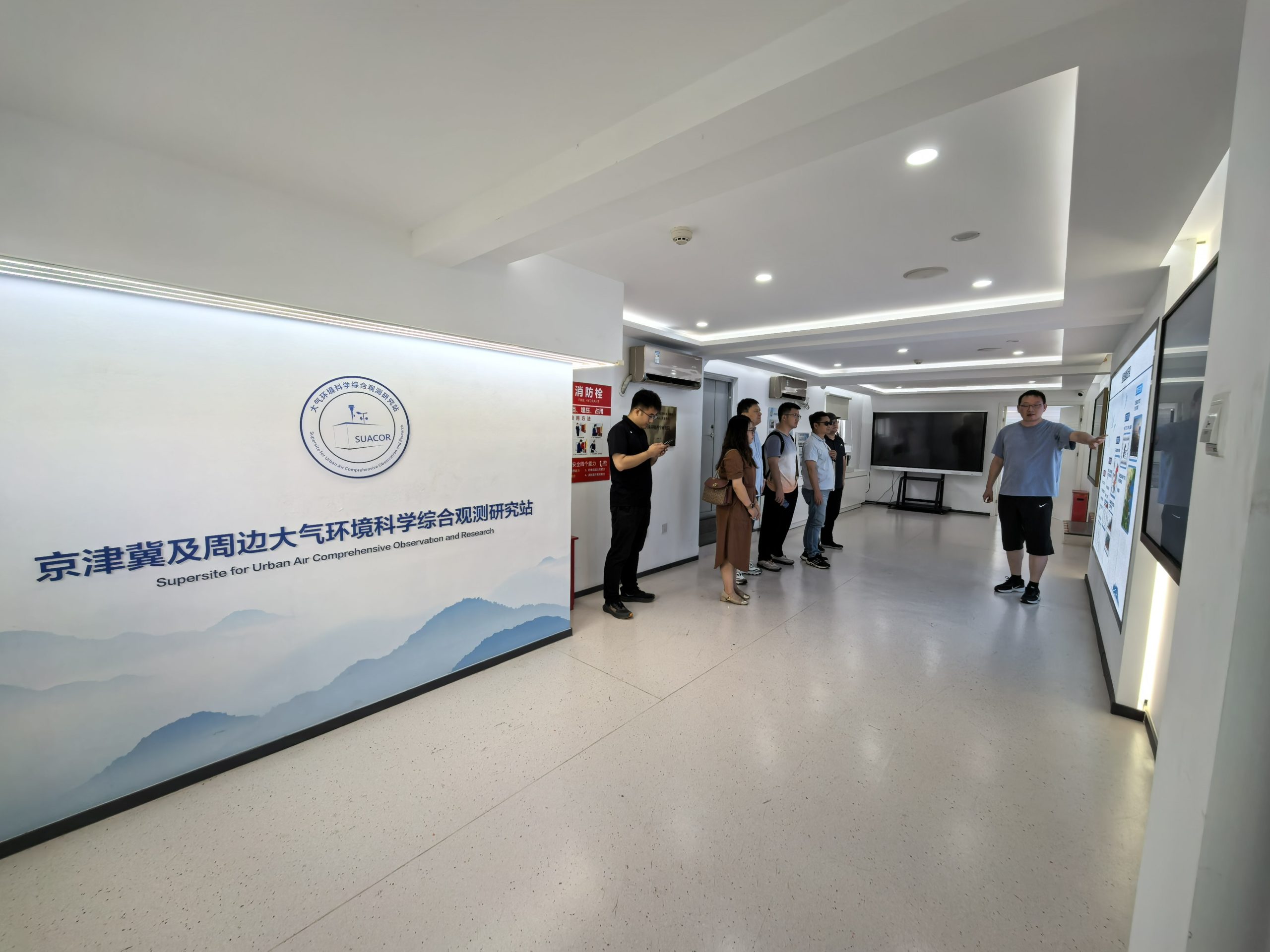
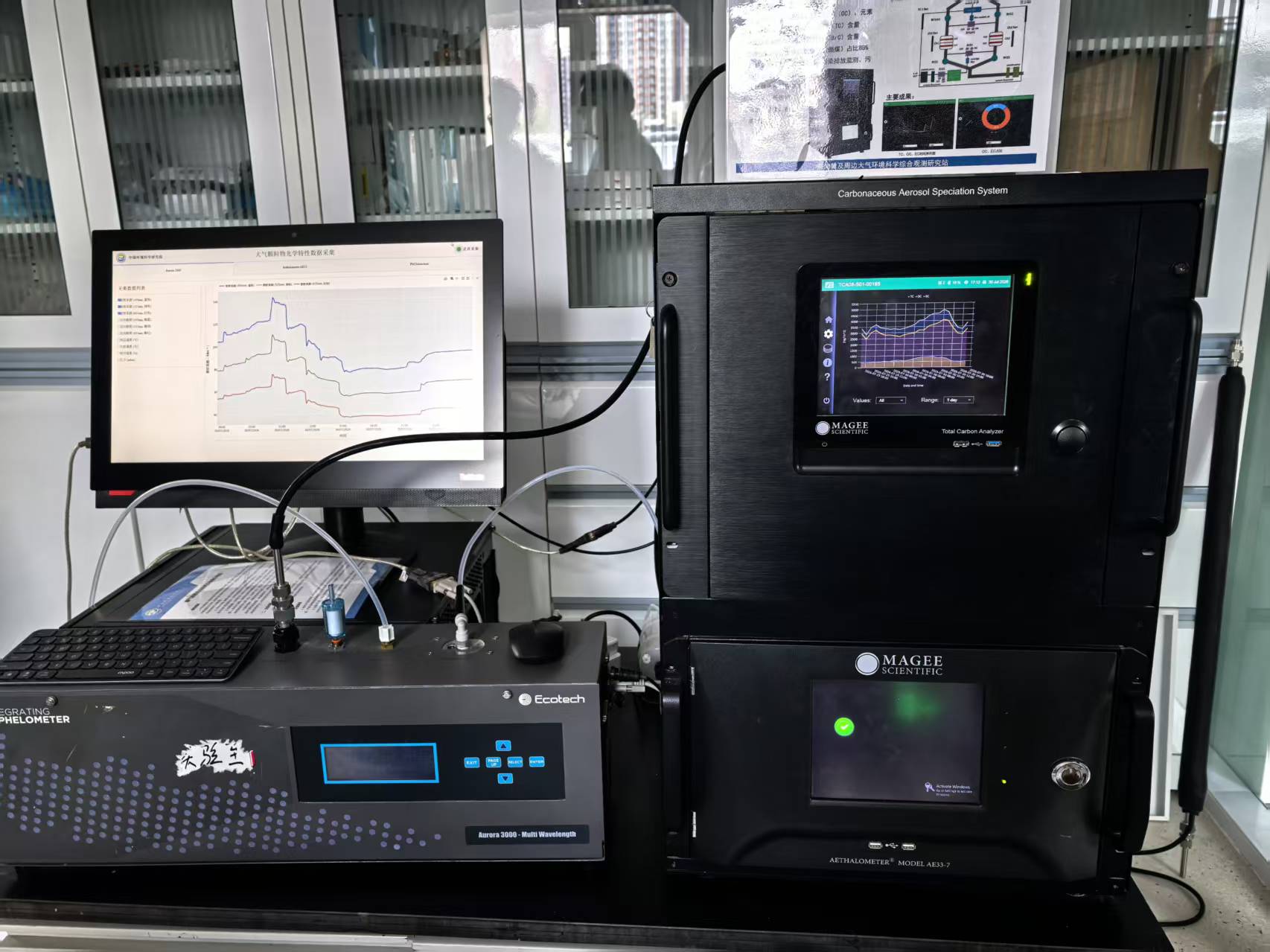
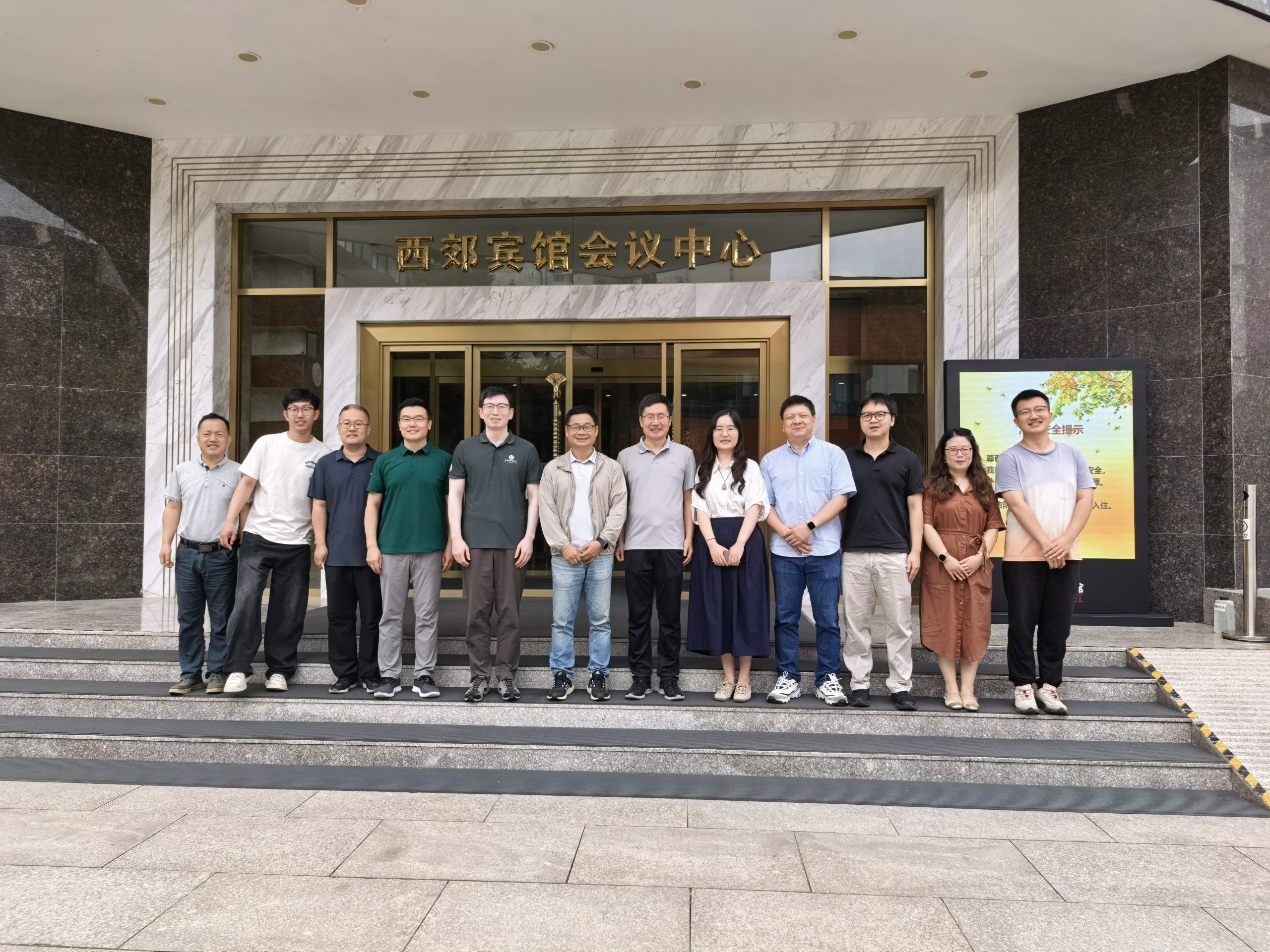
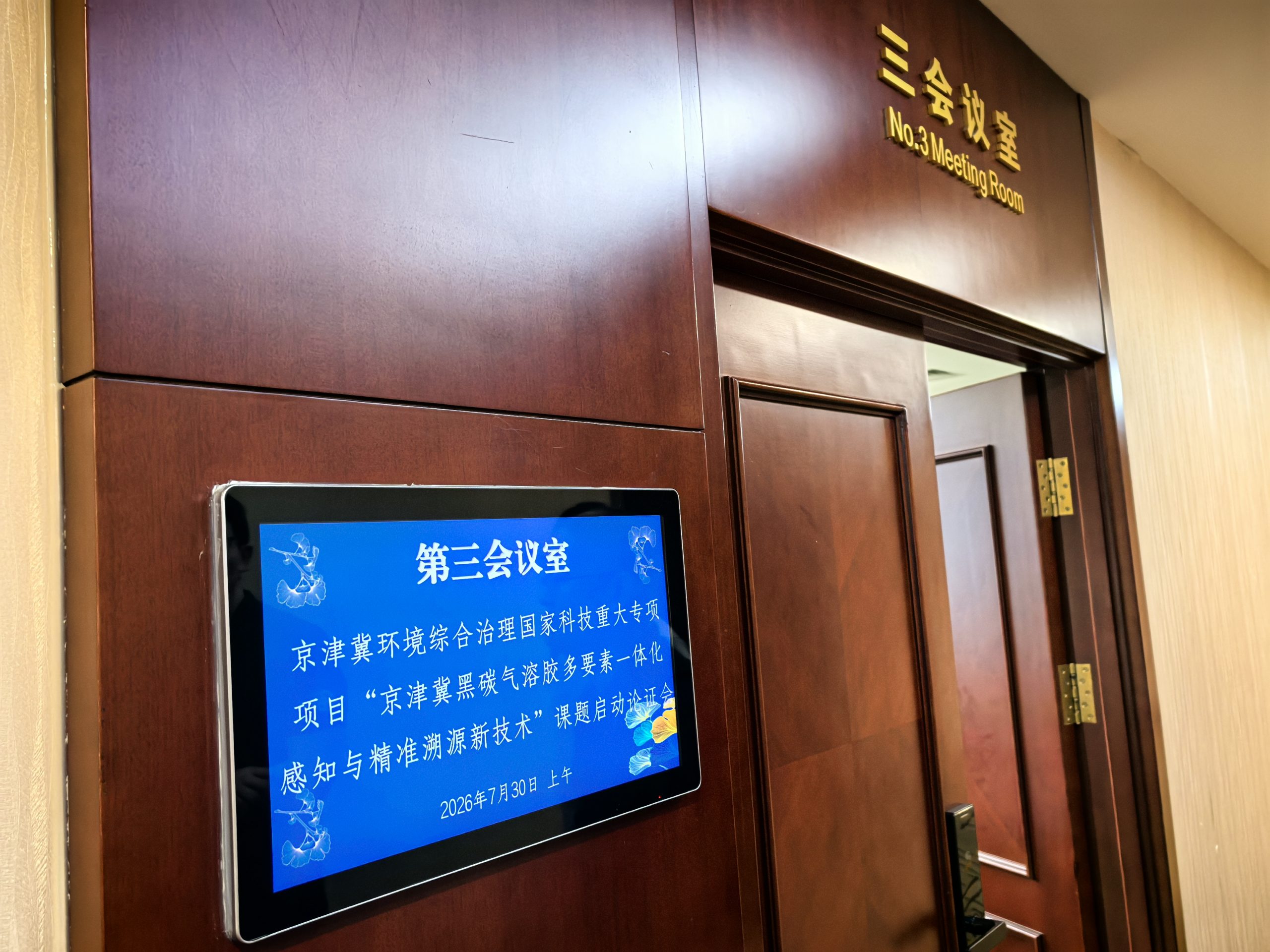
On July 30, at Xijiao Hotel of Beijing, the consulting meeting was organized to assess the implementation plans of the three projects of our newly approved black carbon (BC) research program ‘New Technologies for Multi-factor Integrated Sensing and Precise Source Apportionment of Black Carbon Aerosols in the Beijing-Tianjin-Hebei Region‘ (京津冀黑碳气溶胶多要素一体化感知与精准溯源新技术, SofiBBC), which is a component of the National Major Science and Technology Program for Comprehensive Environmental Management in the Beijing-Tianjin-Hebei Region (京津冀环境综合治理国家科技重大专项). This was to prepare for the final expert assessment of the implementation plan of SofiBBC, to be held in Beijing on August 14. We invited professors Pan Xiaole of IGPCAS, Gao Jian of CRAES, Xue Likun of Shandong-U and Liu Yue of China National Institute of Metrology (NIM) to comment on the implementation plans of three projects of SofiBBC. After the meeting, we paid a short visit to CRAES evaluating the atmospheric observation station on the campus. It was a fruitful meeting, and we have decided to collect PM2.5 samples on the rooftop of the CRAES station for SofiBBC program in the coming one and a half year.
SofiBBC: is the short name of the BTH black carbon program New Technologies for Multi-factor Integrated Sensing and Precise Source Apportionment of Black Carbon Aerosols in the Beijing-Tianjin-Hebei Region京津冀黑碳气溶胶多要素一体化感知与精准溯源新技术 (Contract No. 2026ZD1216000) . Here we use it to represent Source Finding of BTH BC, whereas in Greek Sofia can literally translate to ‘wisdom’, ‘skill’, and ‘insight’.
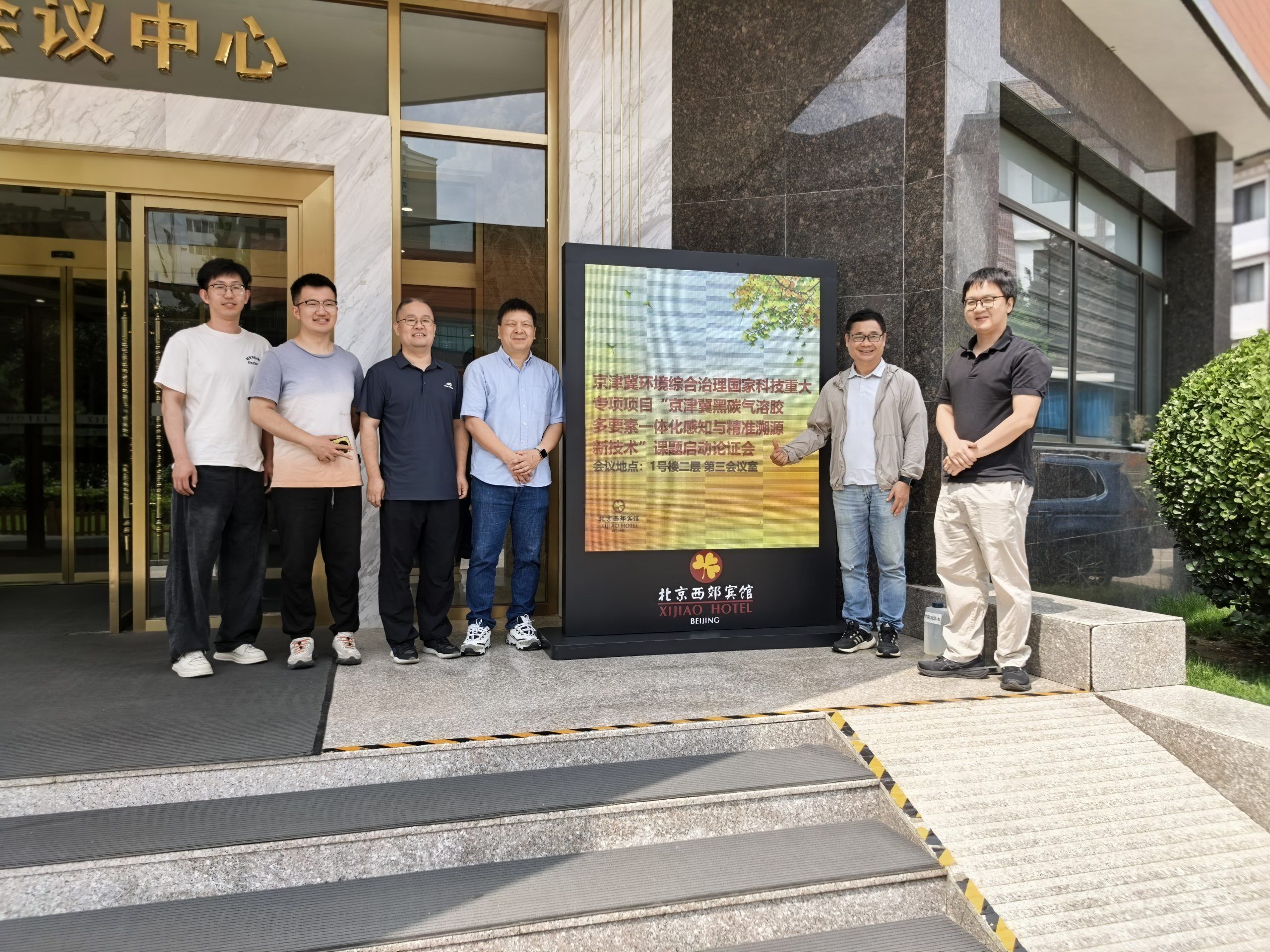
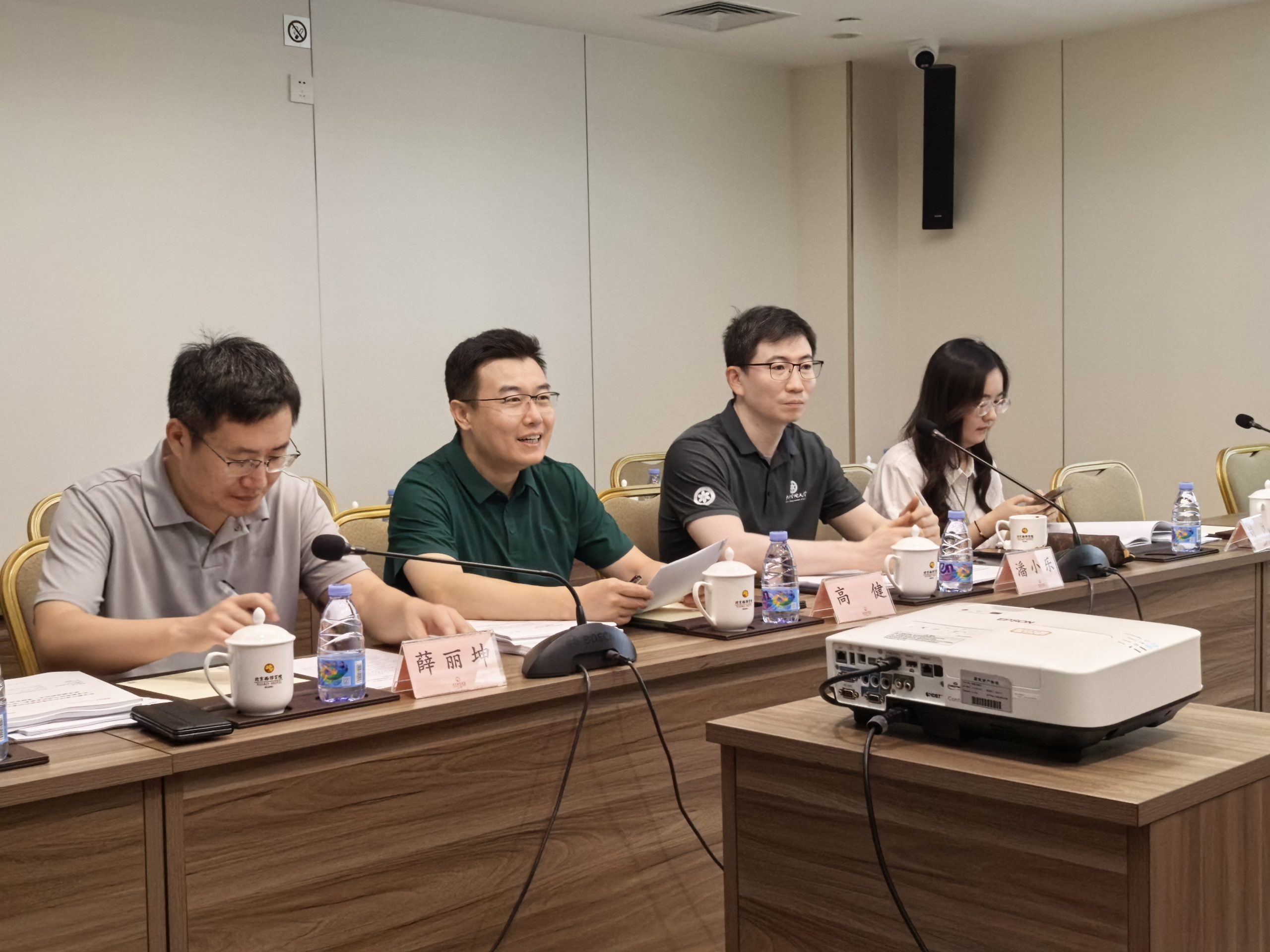 The assessment panel, Xue Likun, Gao Jian, Pam Xiaole and Liu Yue