On November 4th 2022, the annual seminar of an international collaborative project supported by ANSO entitled “Monitoring and Risk Assessment of Toxic Chemicals in the Air (MORATOXA)” (ANSO-CR-KP-2021-05) was successfully held both online and offline on November 4th, 2022. About twenty experts attended this seminar, including the director of the State Key Laboratory of Organic Geochemistry and project leader, Prof. Zhang Gan, Prof. Ashan Habib from COMSATS University Islamabad in Pakistan, Prof. Michael Gatari from the University of Nairobi in Kenya, Dr Jabir Syed from COMSATS University Islamabad in Pakistan, Dr Bong Chui Wei from Universiti Malaya in Malaysia, Dr Parakrama Karunaratne from the University of Peradeniya in Sri Lanka. This seminar was chaired by the project secretary, Dr. Shizhen Zhao.
Prof. Zhang Gan extended a warm welcome to the participants. He introduced the recent progress and remarkable achievements of the cooperation projects with countries along the “21st Century Maritime Silk Road” by relying on ANSO and other international organizations in recent years, and summarized the concept of MORATOXA project based on multilateral projects. Moreover, he affirmed the great significance of the project in promoting exchanges and cooperation, talent training, and promoting a “non-toxic” society. Then, Dr Zhao Shizhen presented the research background, implementation plan and progress that has been made on the project. Finally, the participating experts discussed in depth the scientific rationality of the overseas cooperative sampling scheme and put forward valuable suggestions on its feasibility according to local conditions.
On the basis of the “21st Century Maritime Silk Road” environmental and health cooperation network laid out by the Guangzhou Institute of Geochemistry of CAS, the MORATOXA project is dedicated to the ‘Green Silk Road’ consensus of the Belt & Road Initiative (BRI). The program is hosted and technically supported by Guangzhou Institute of Geochemistry, Chinese Academy of Sciences (GIGCAS), with the following six primary key partners, and is open to more partners world-widely, including COMSATS University Islamabad in Pakistan, University of Nairobi in Kenya, Universiti Malaya in Malaysia, University of Peradeniya in Sri Lanka, University of Dhaka in Bangladesh, and Council for Scientific and Industrial Research (CSIR) in Ghana. MORATOXA project focus on air toxics and human health, taking the monitoring, risk assessment and control measures of air toxics as the main research contents, and carrying out multilateral international cooperation research in typical cities in different regions/countries.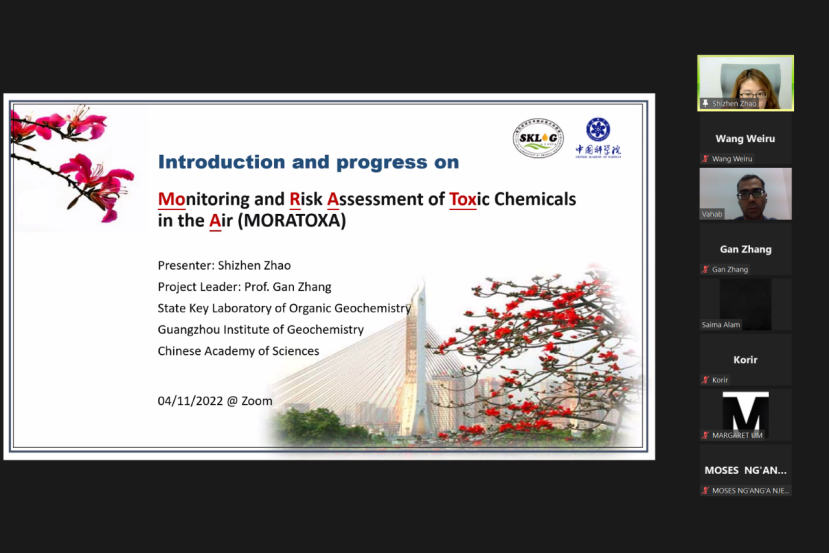 Dr Shizhen Zhao presented the project background and recent progress
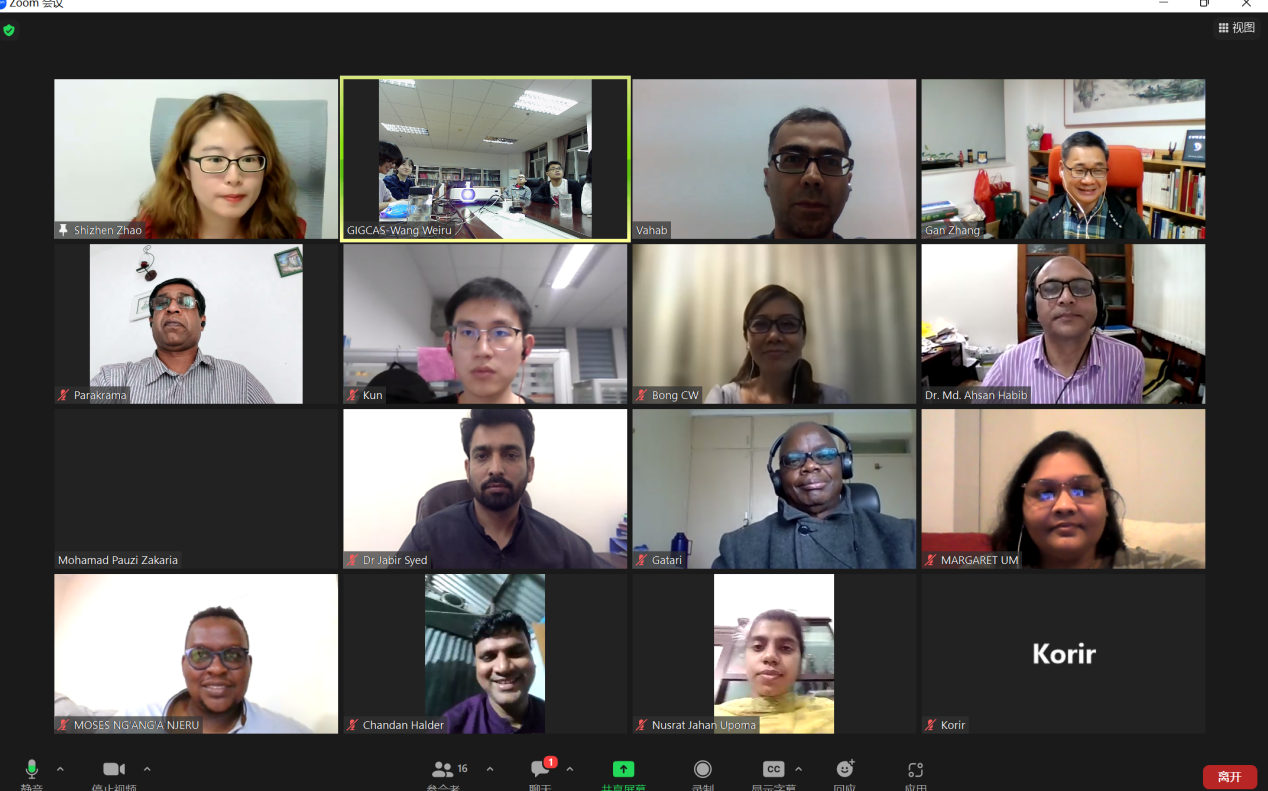 Group photo of participants
Text by Weiru Wang and Shizhen Zhao
Pictures by Weiru Wang

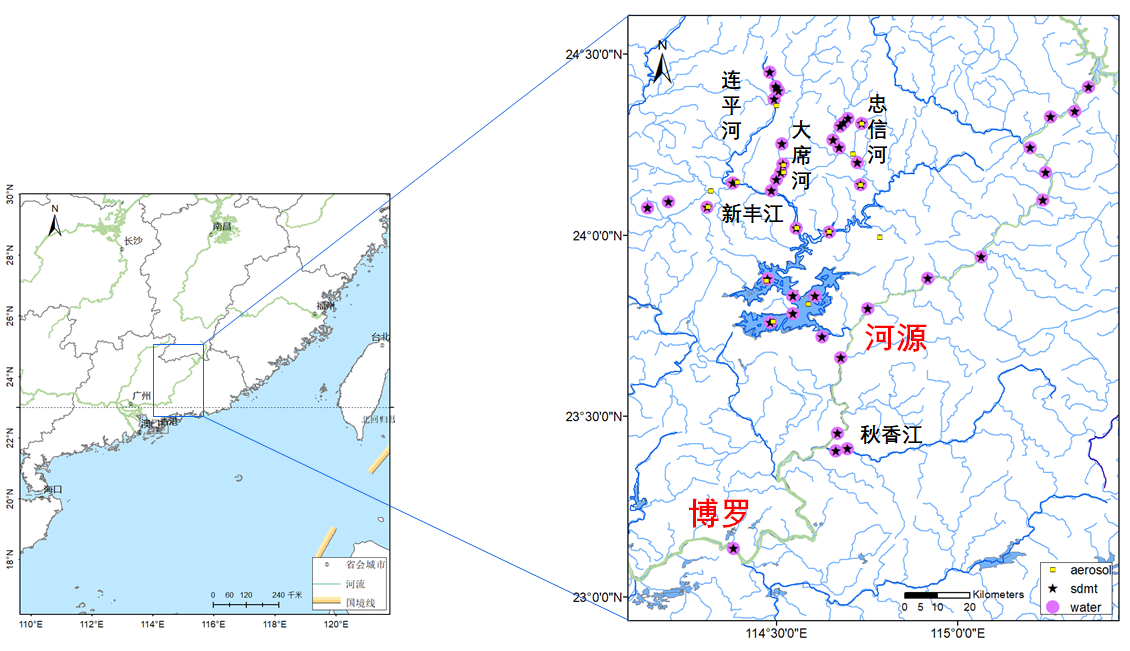 The sampling sites of passive air samplers, water samples (50-100L) and surface sediment samples in the first three sampling stages
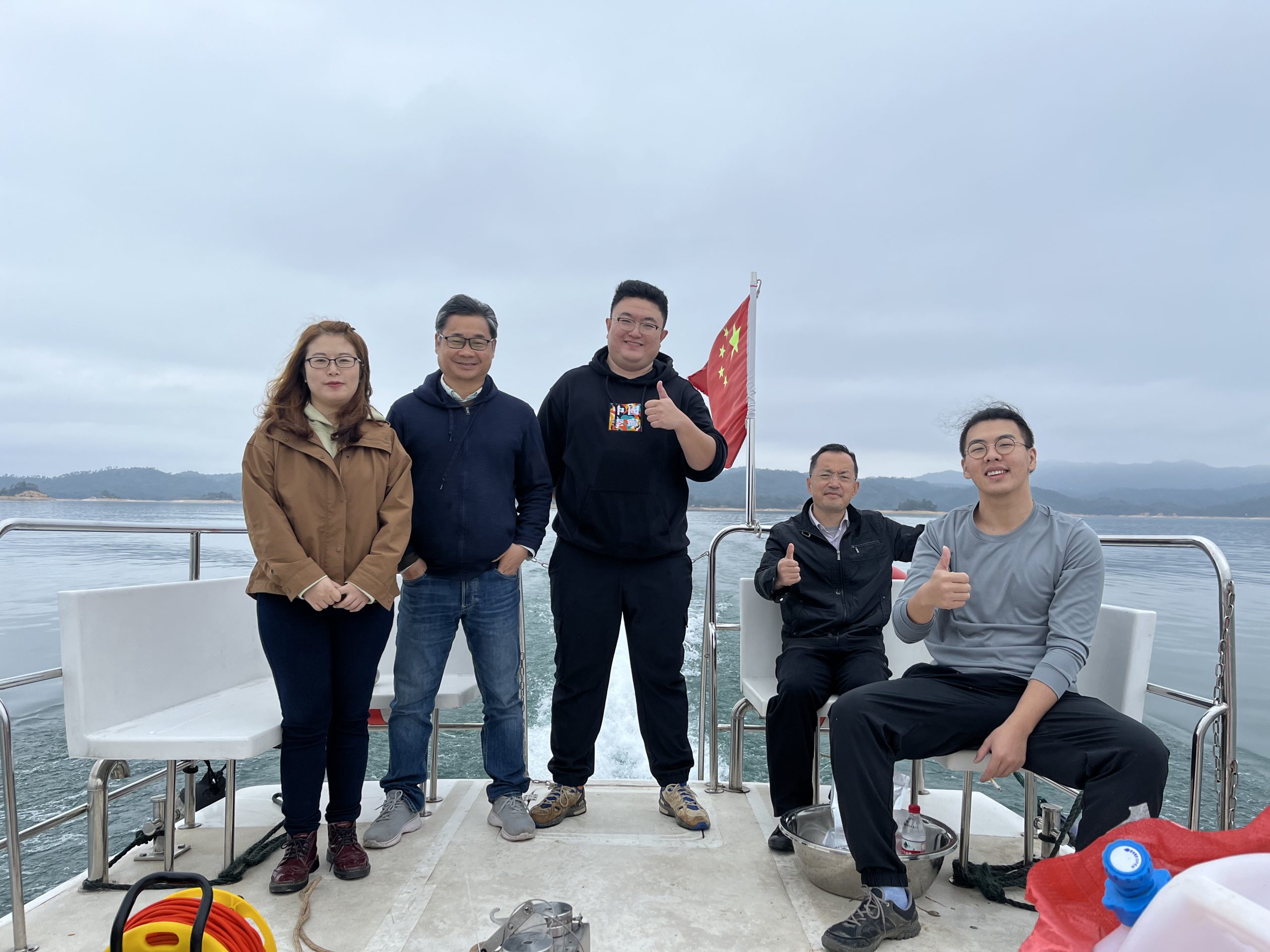 Group photo of the sampling team on Xinfengjiang Reservoir (Photo by Geng Xiaofei)
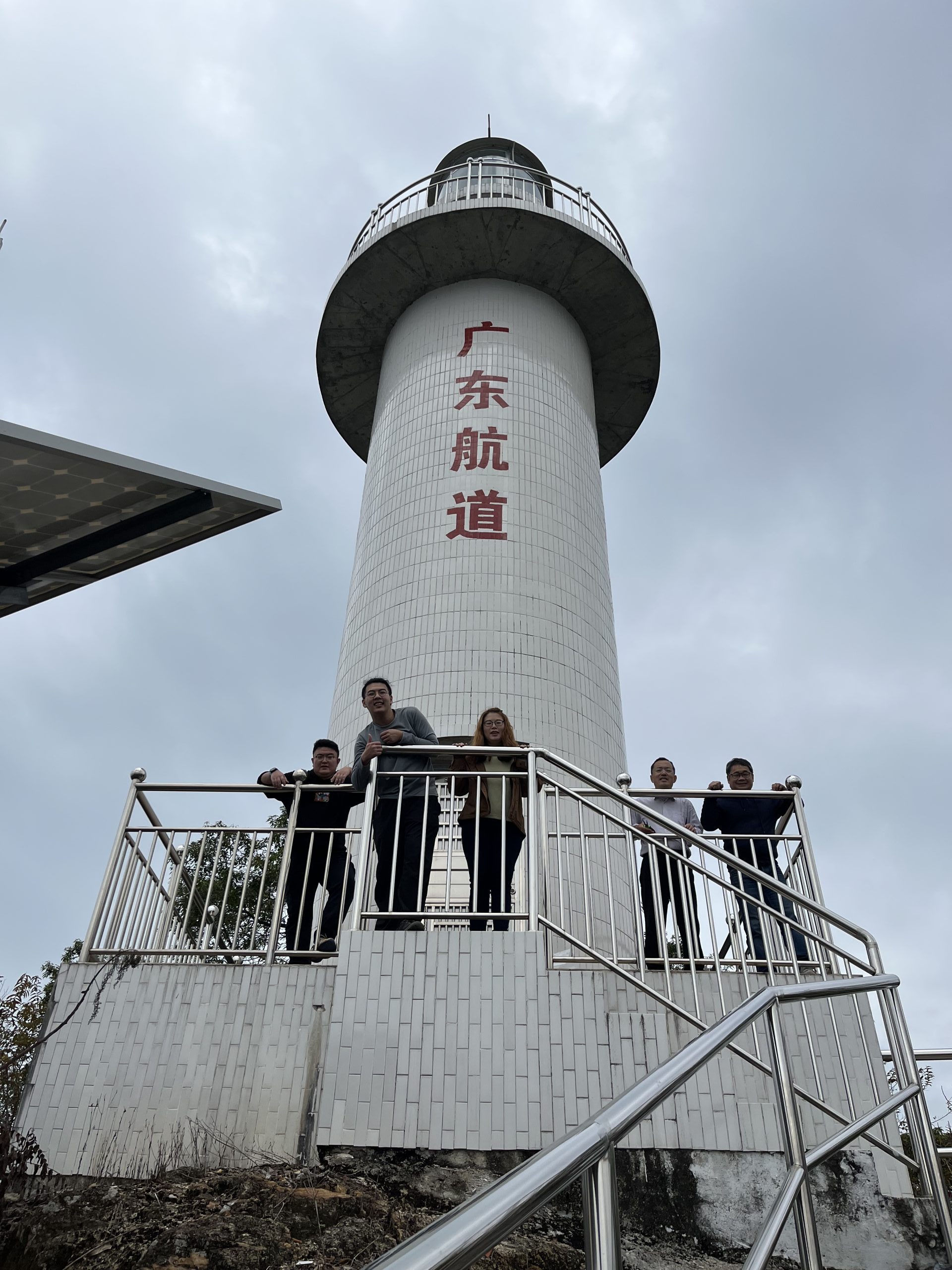 Group photo of the sampling team on the lighthouse (Photo by Geng Xiaofei)
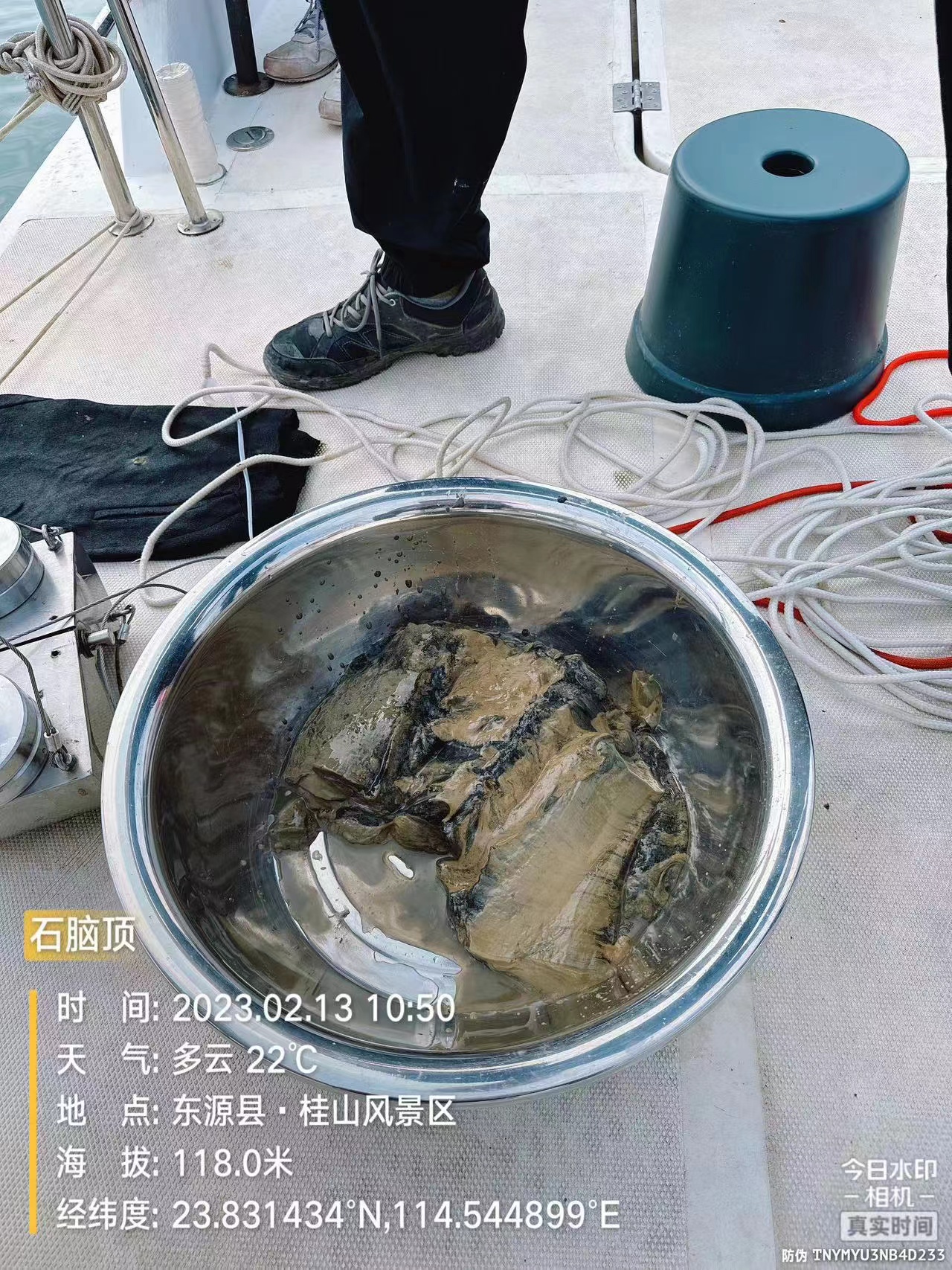 Surface sediment of Xinfengjiang Reservoir
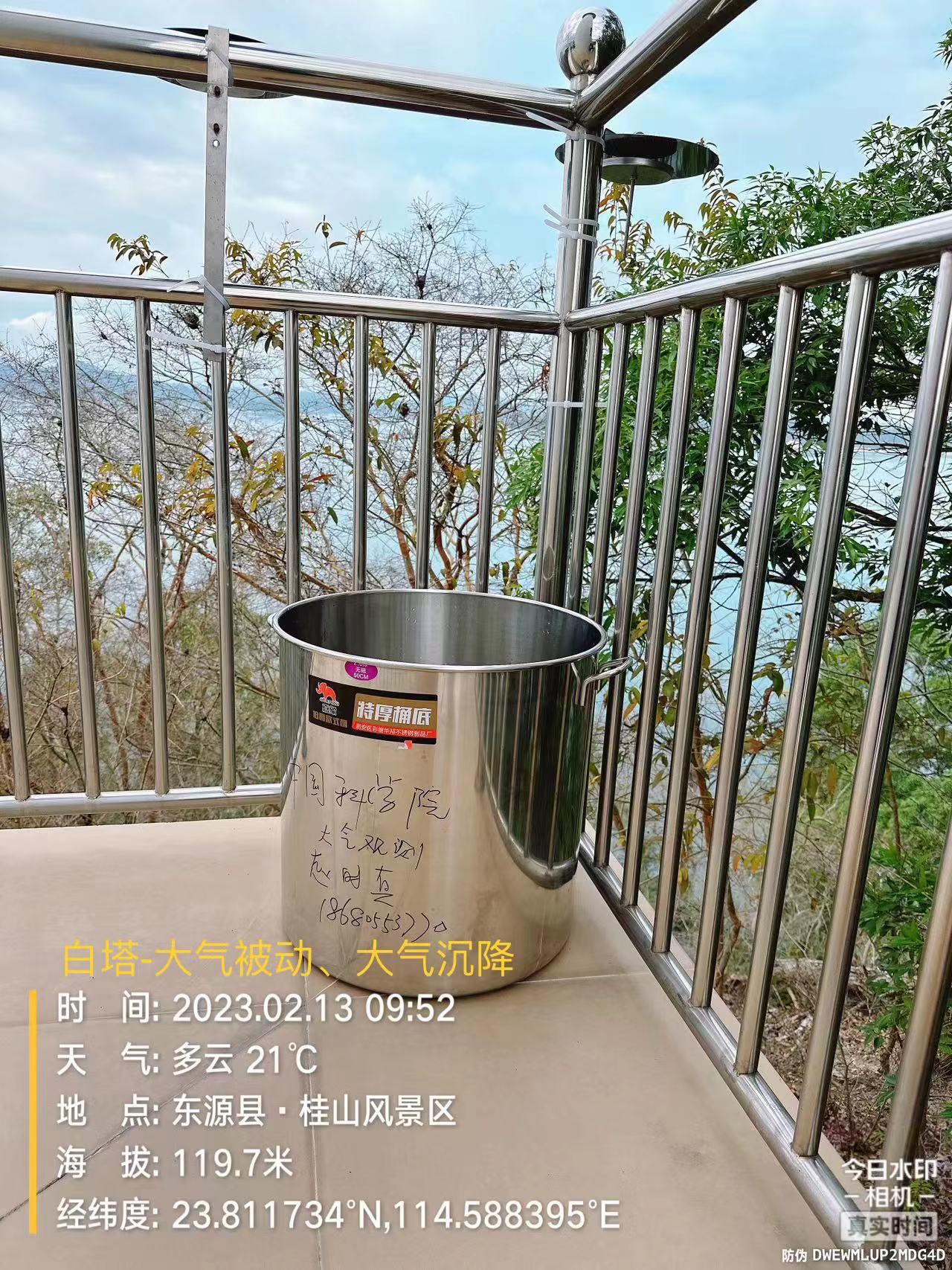 Passive air samplers and an atmospheric deposition sampler
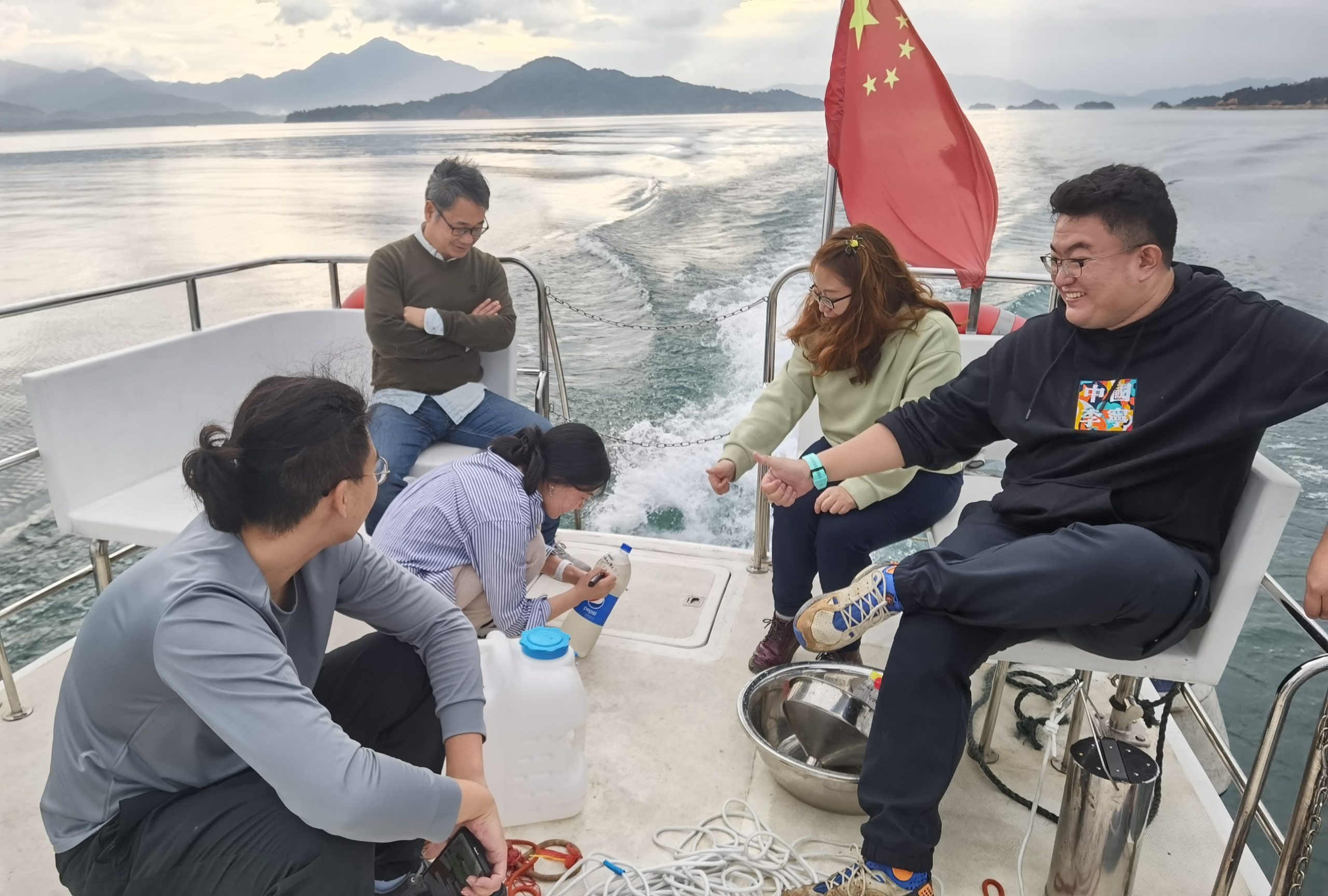 End of sampling on the first day (Photo by Professor Li Jun)
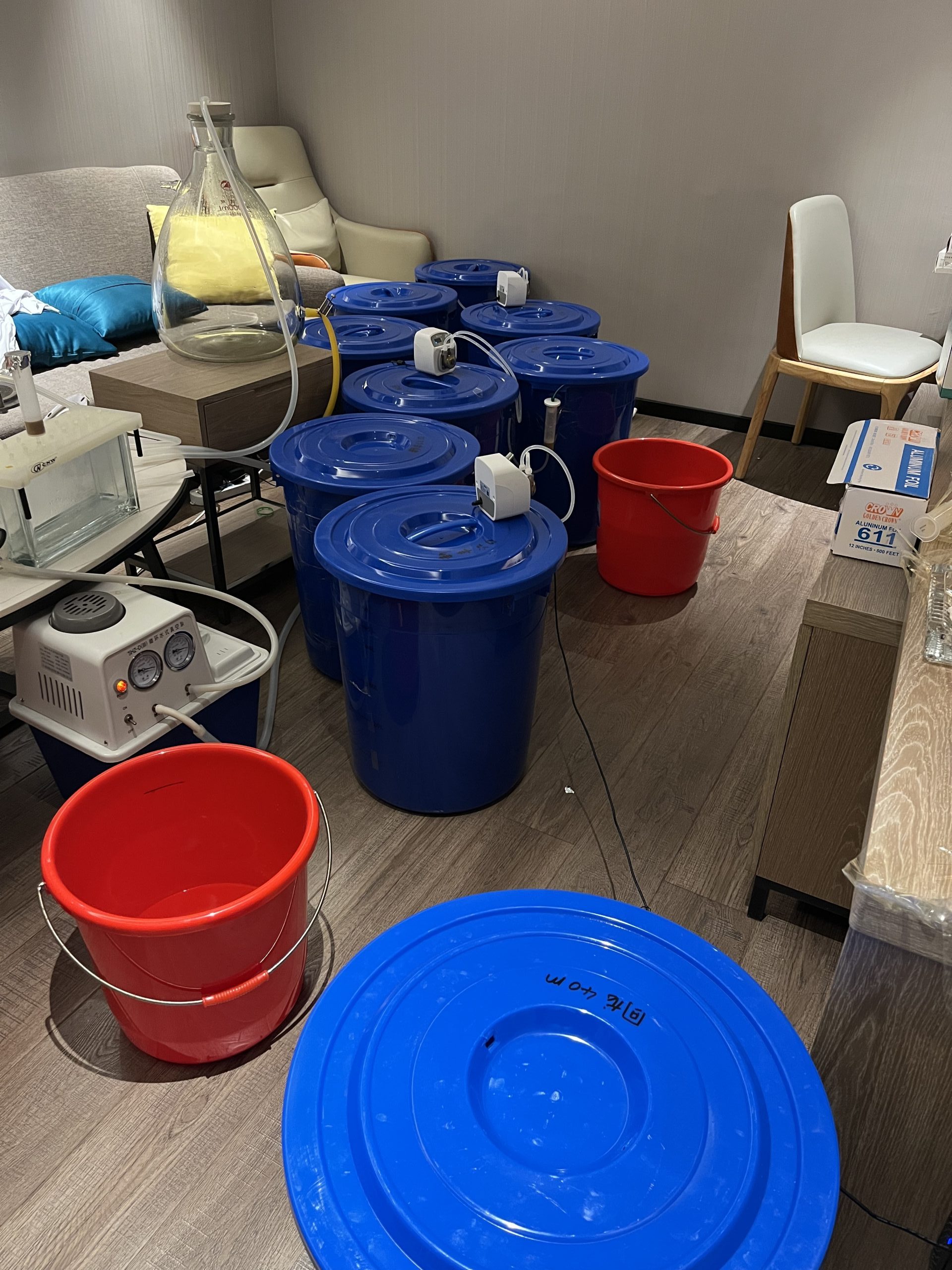 Water sample pretreatment
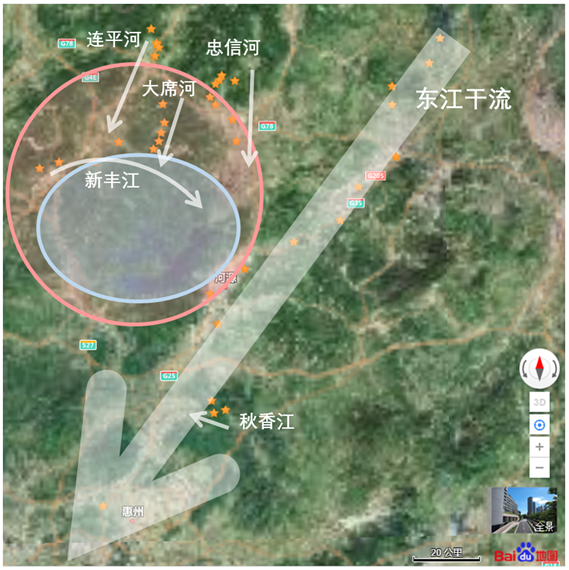 Sampling sites of surface water and surface sediments
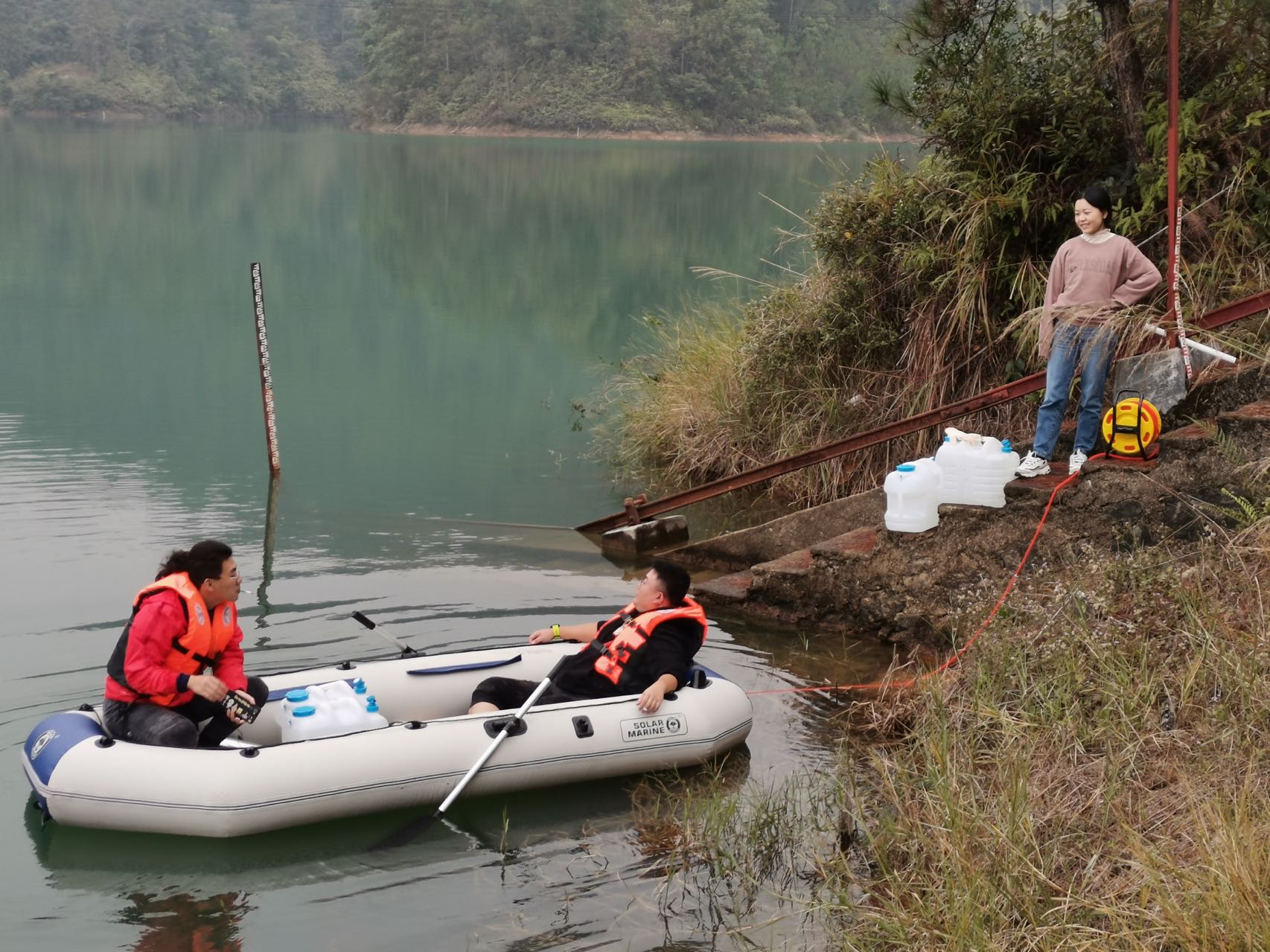
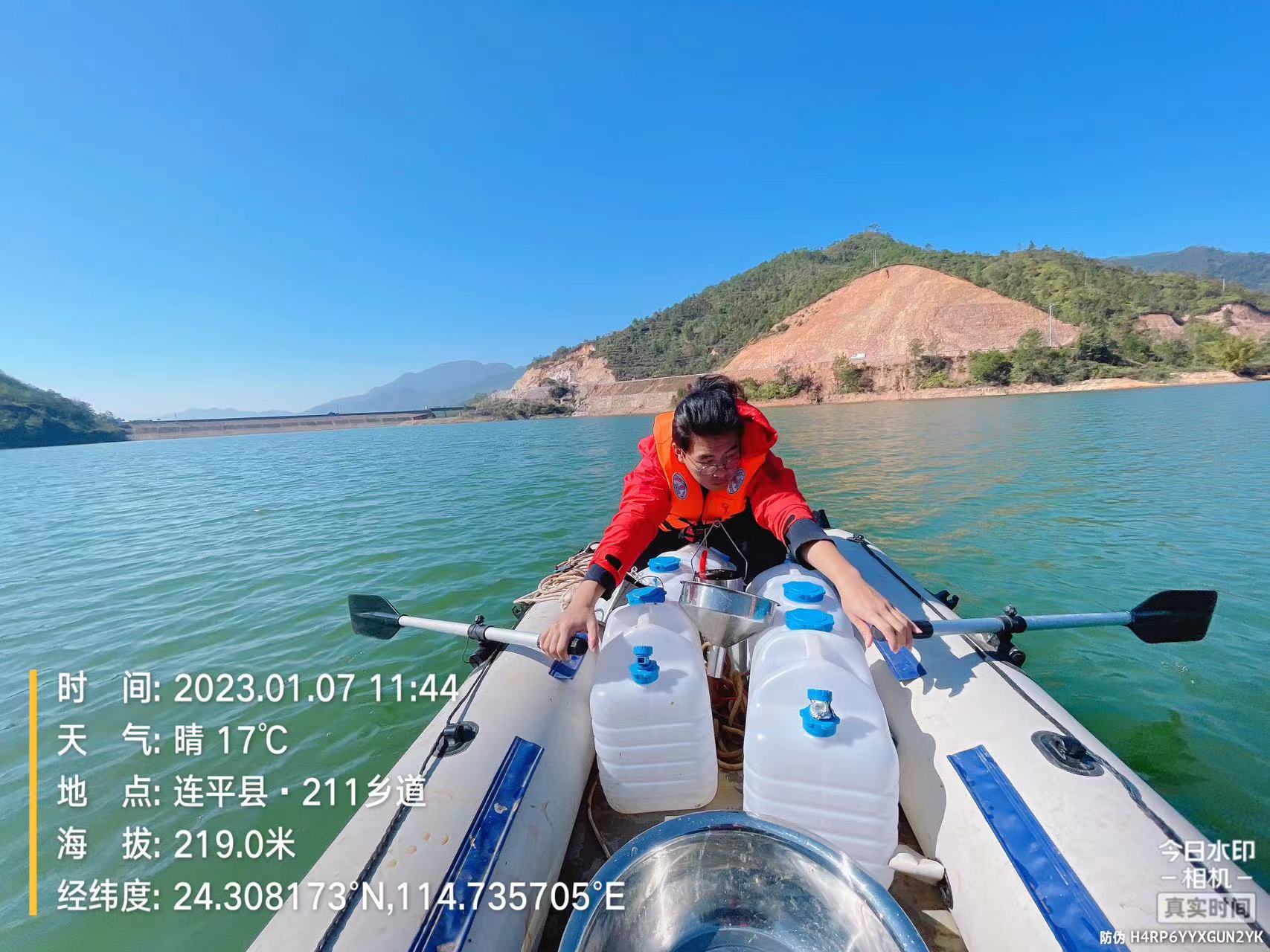
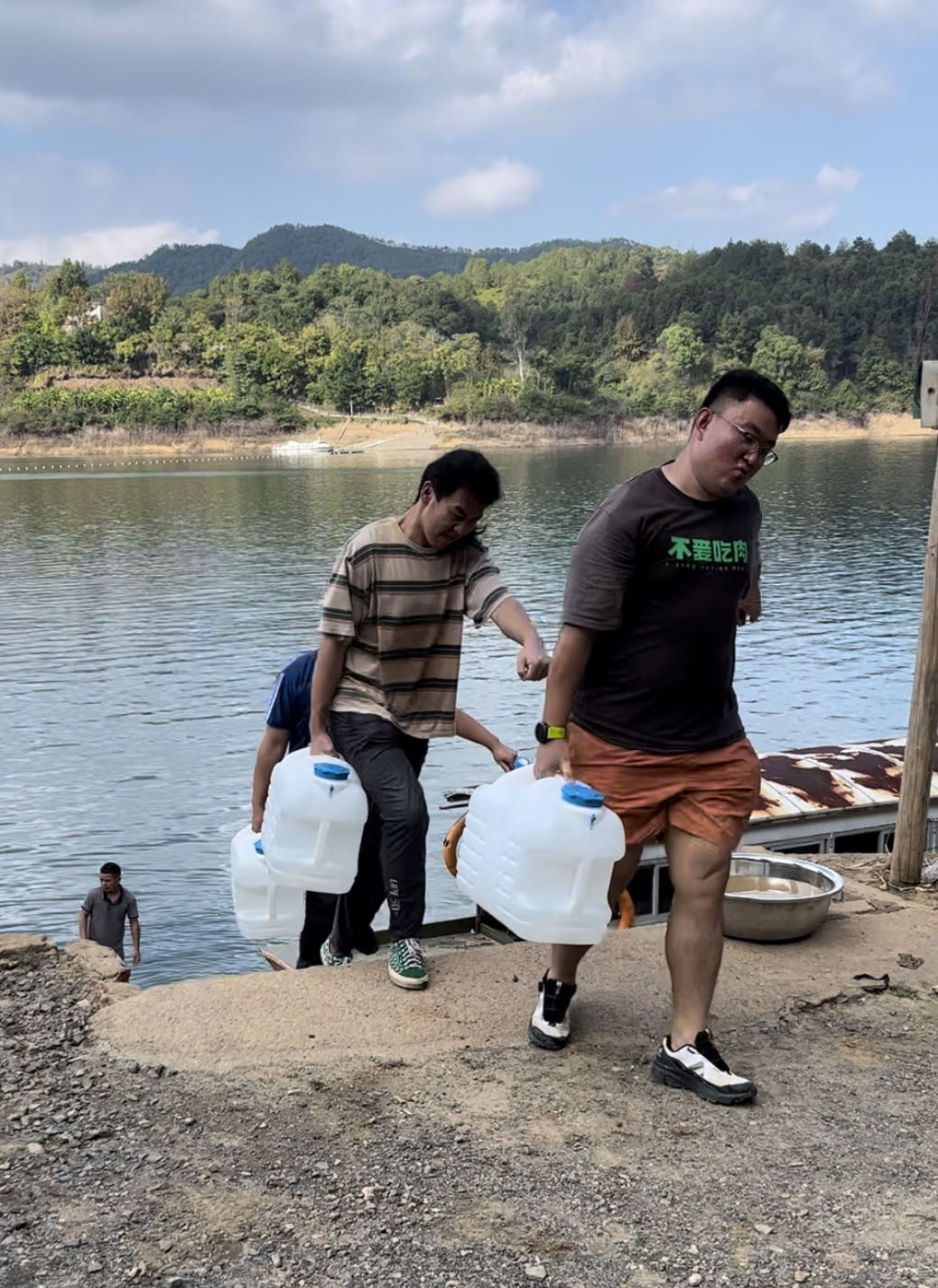
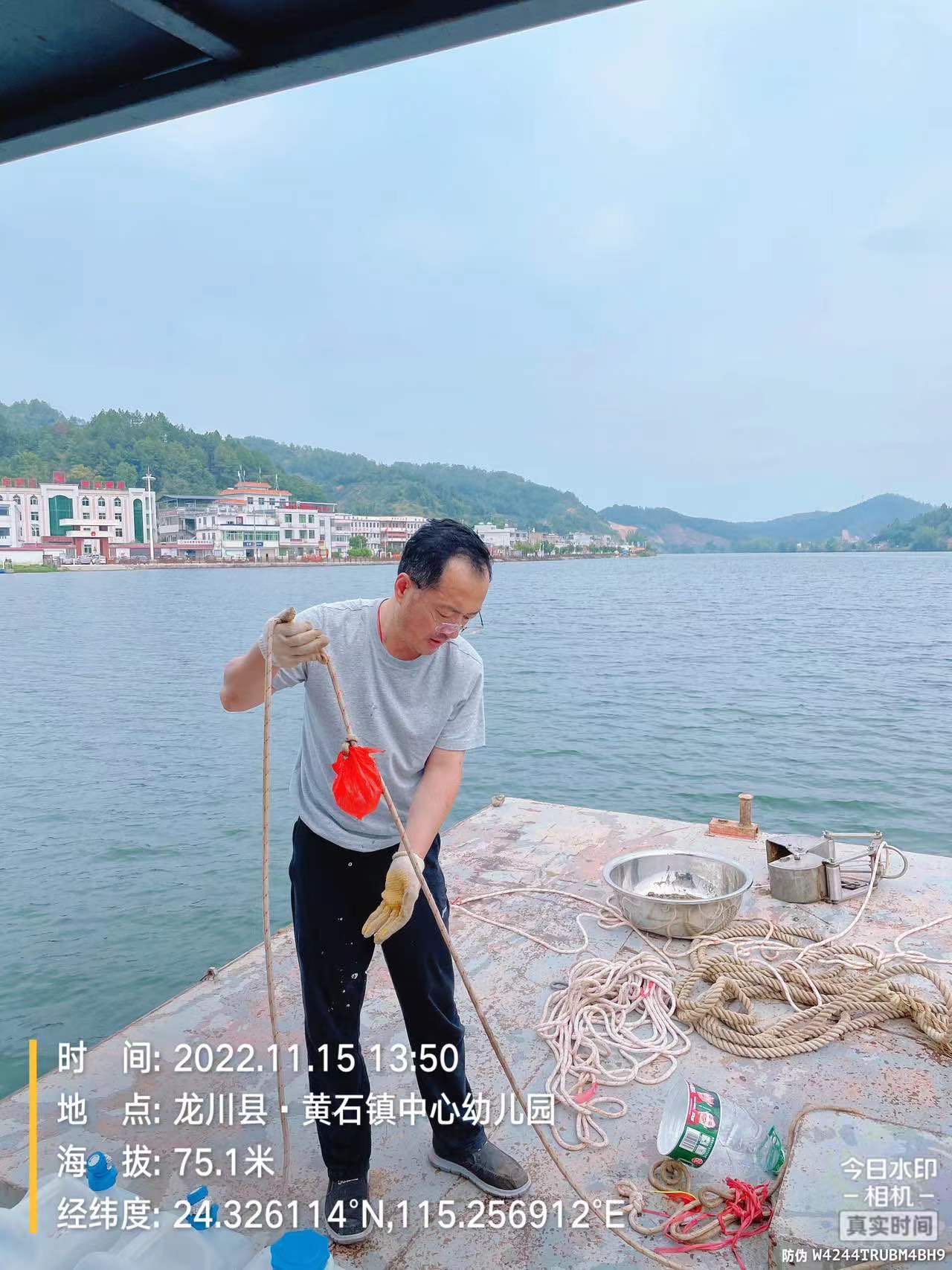
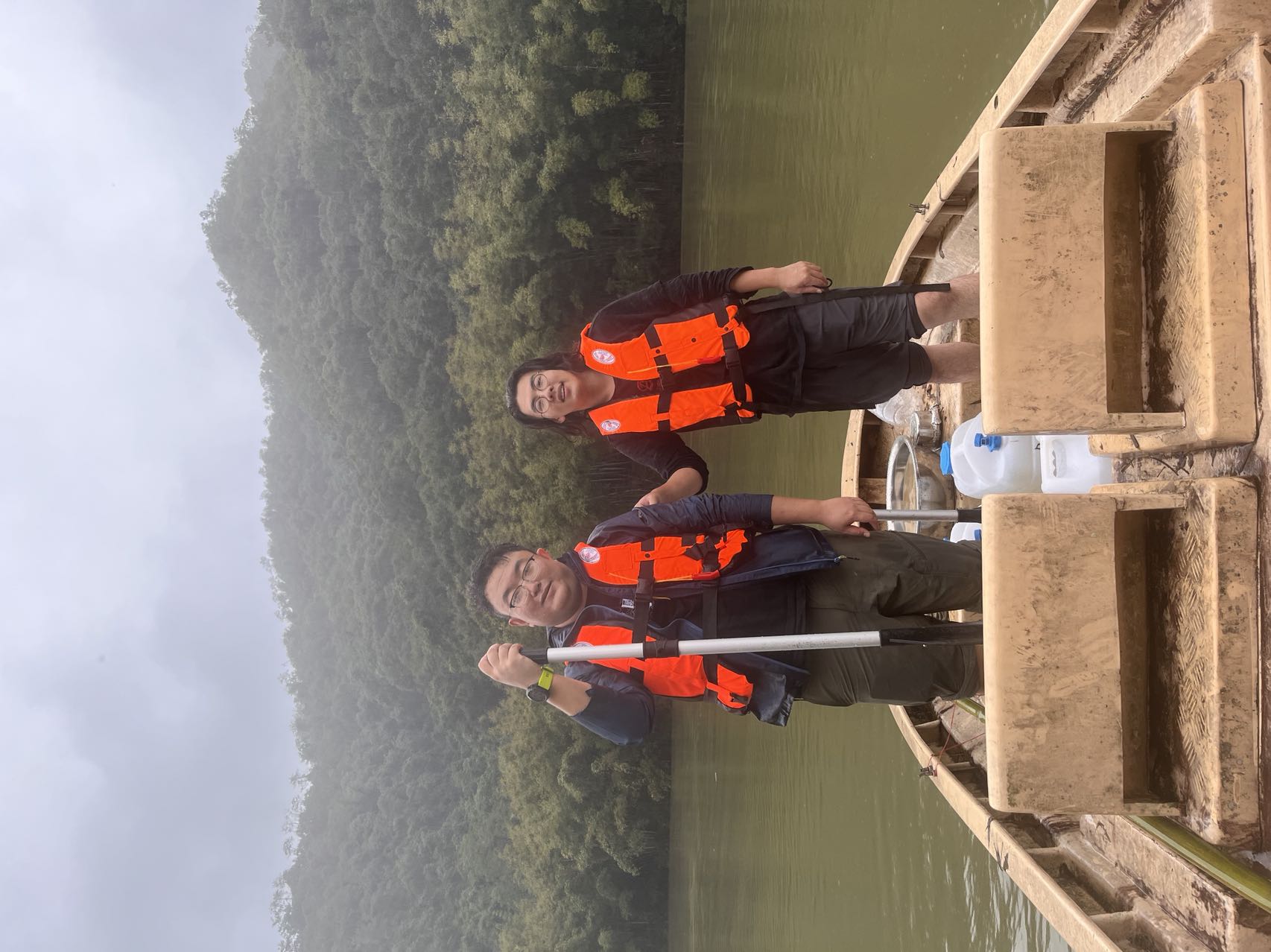
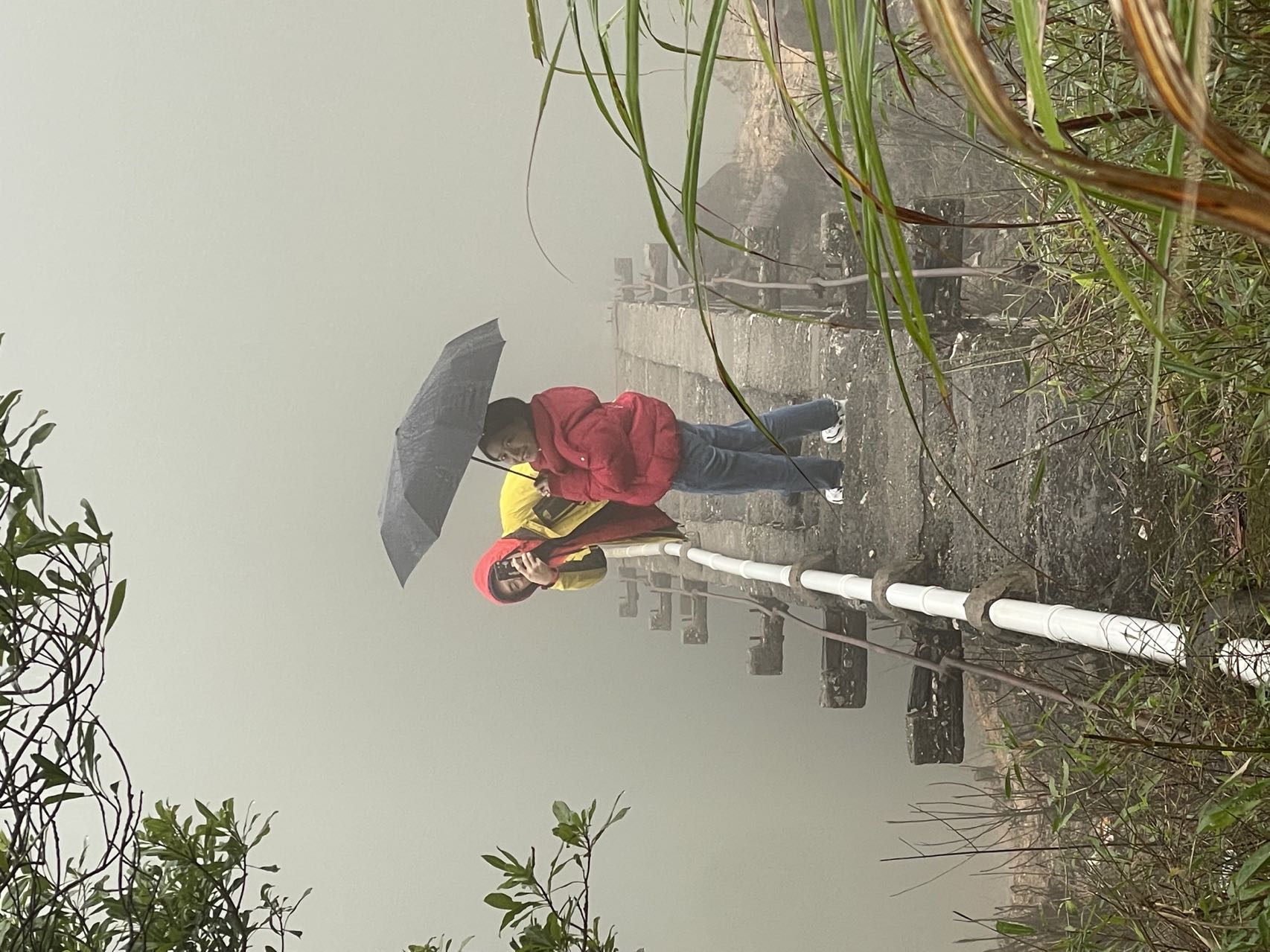 Sampling Photos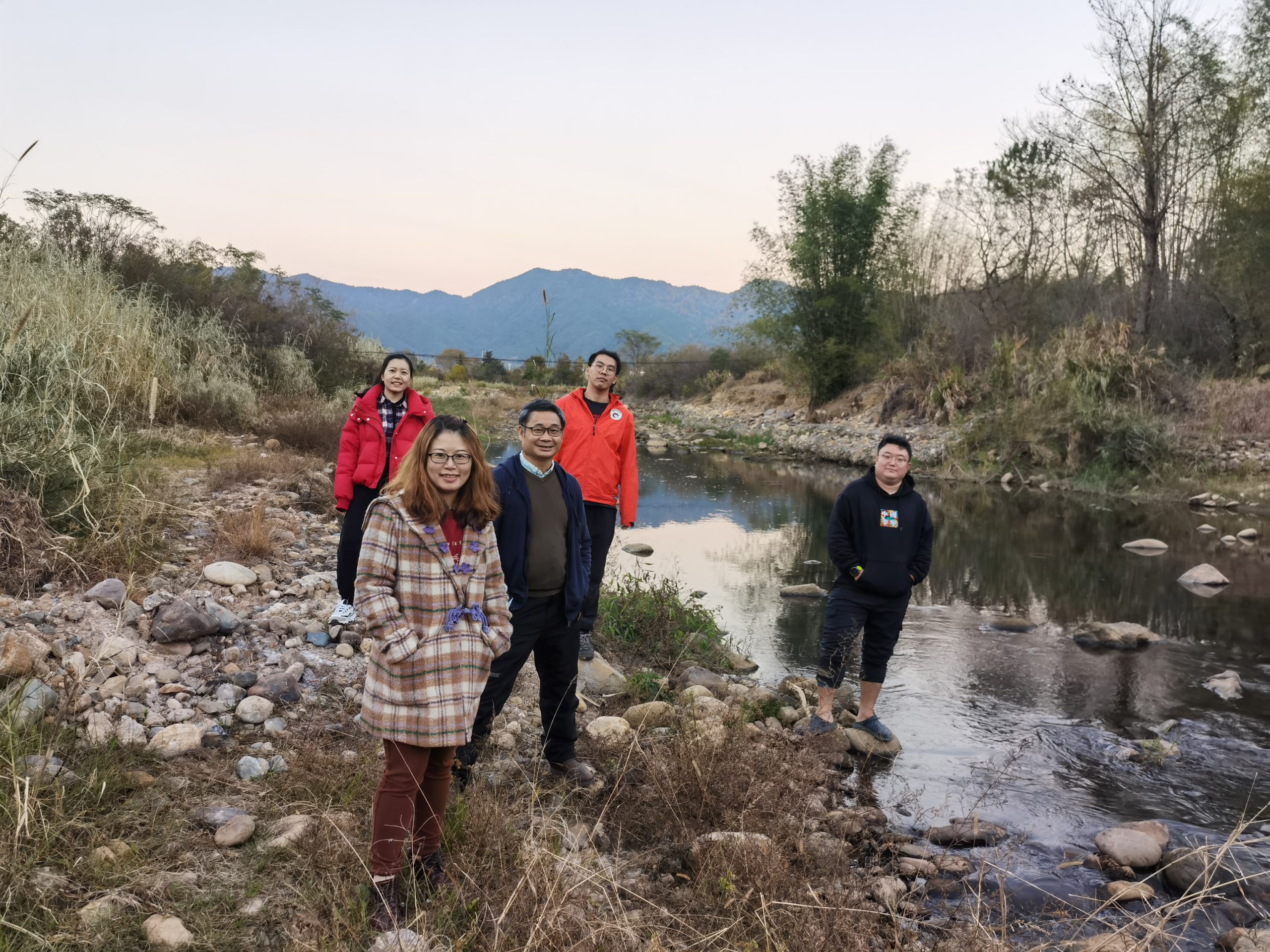
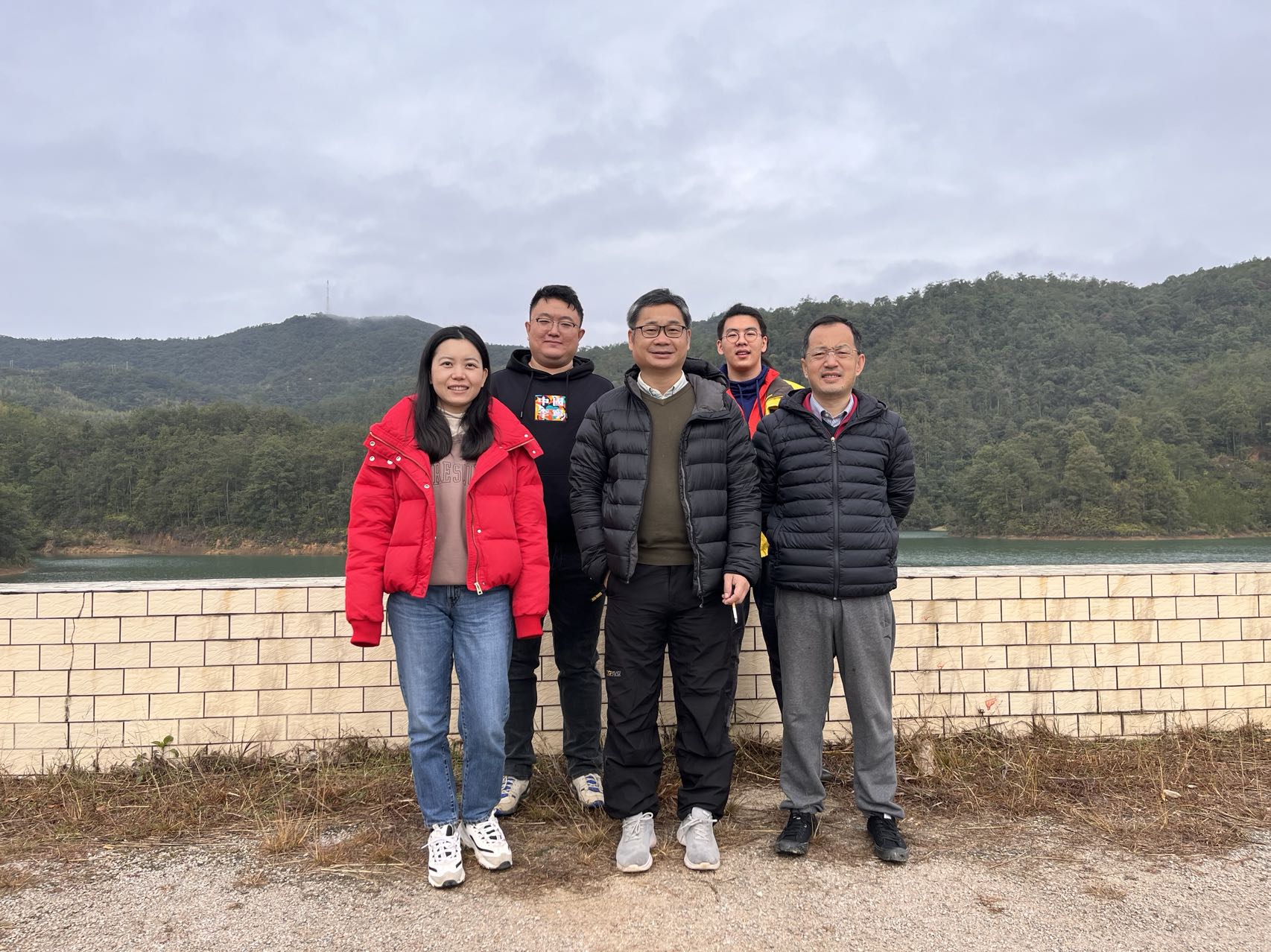 Group Photos
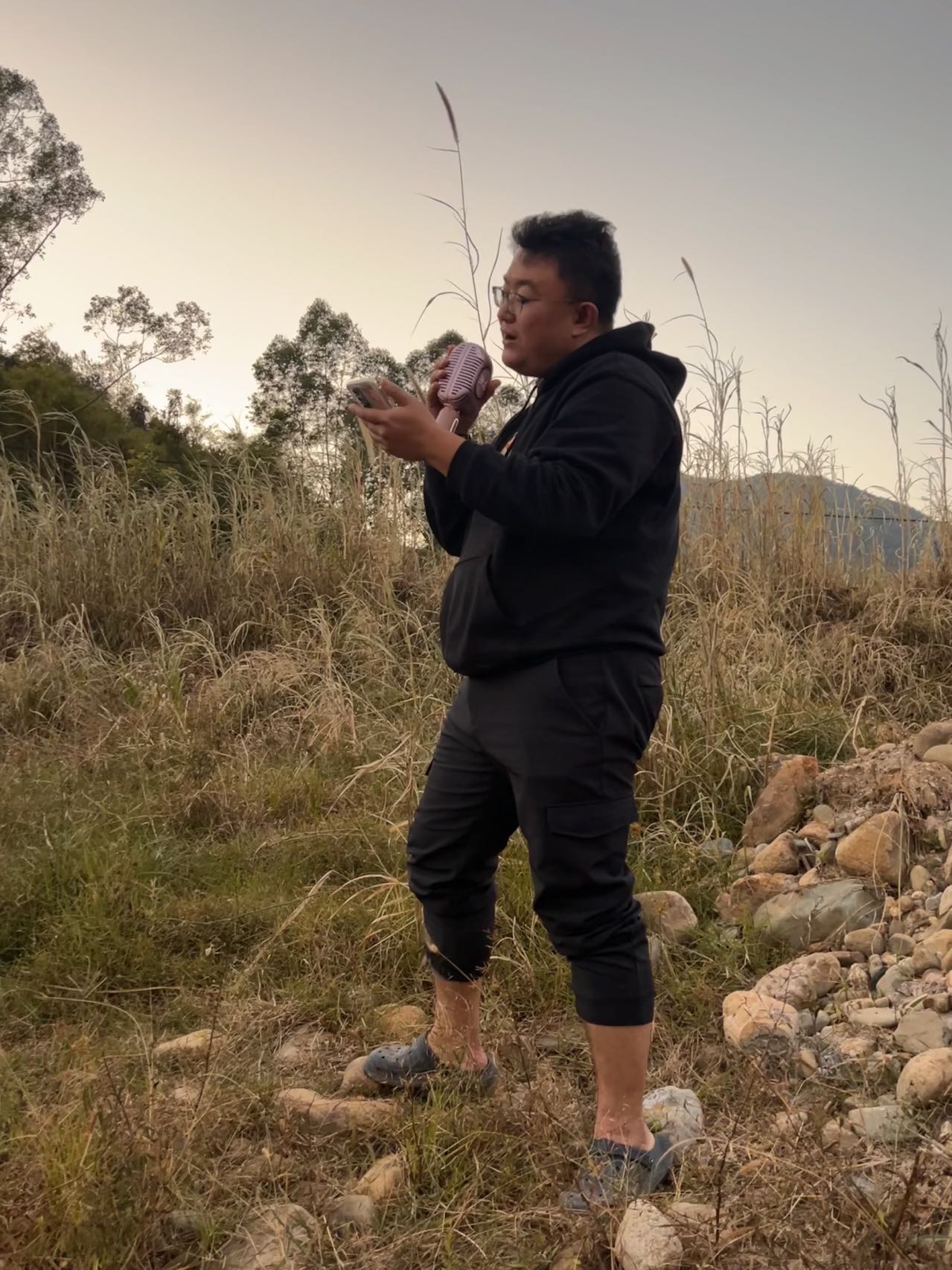 Singer Zhang Bolong