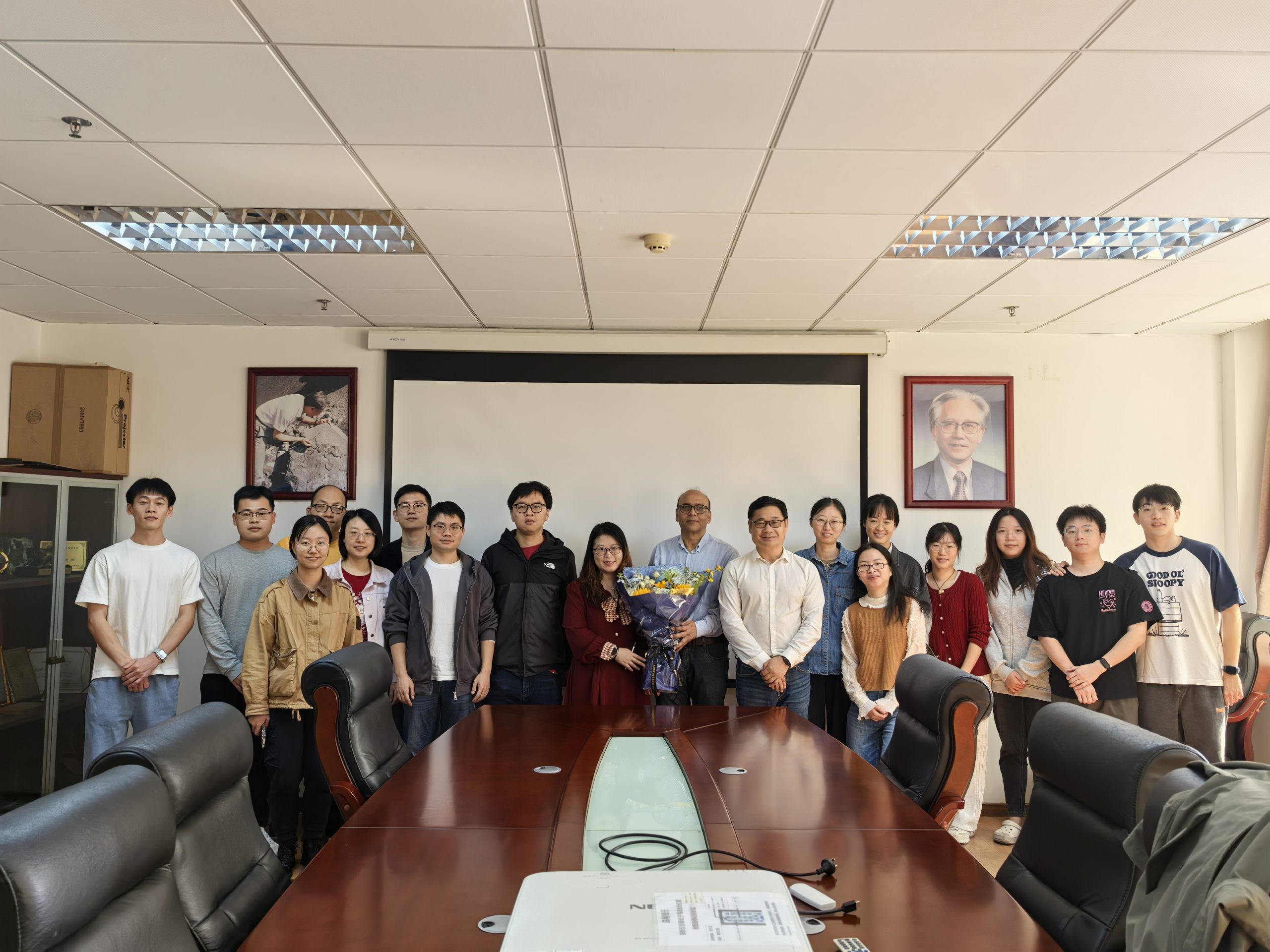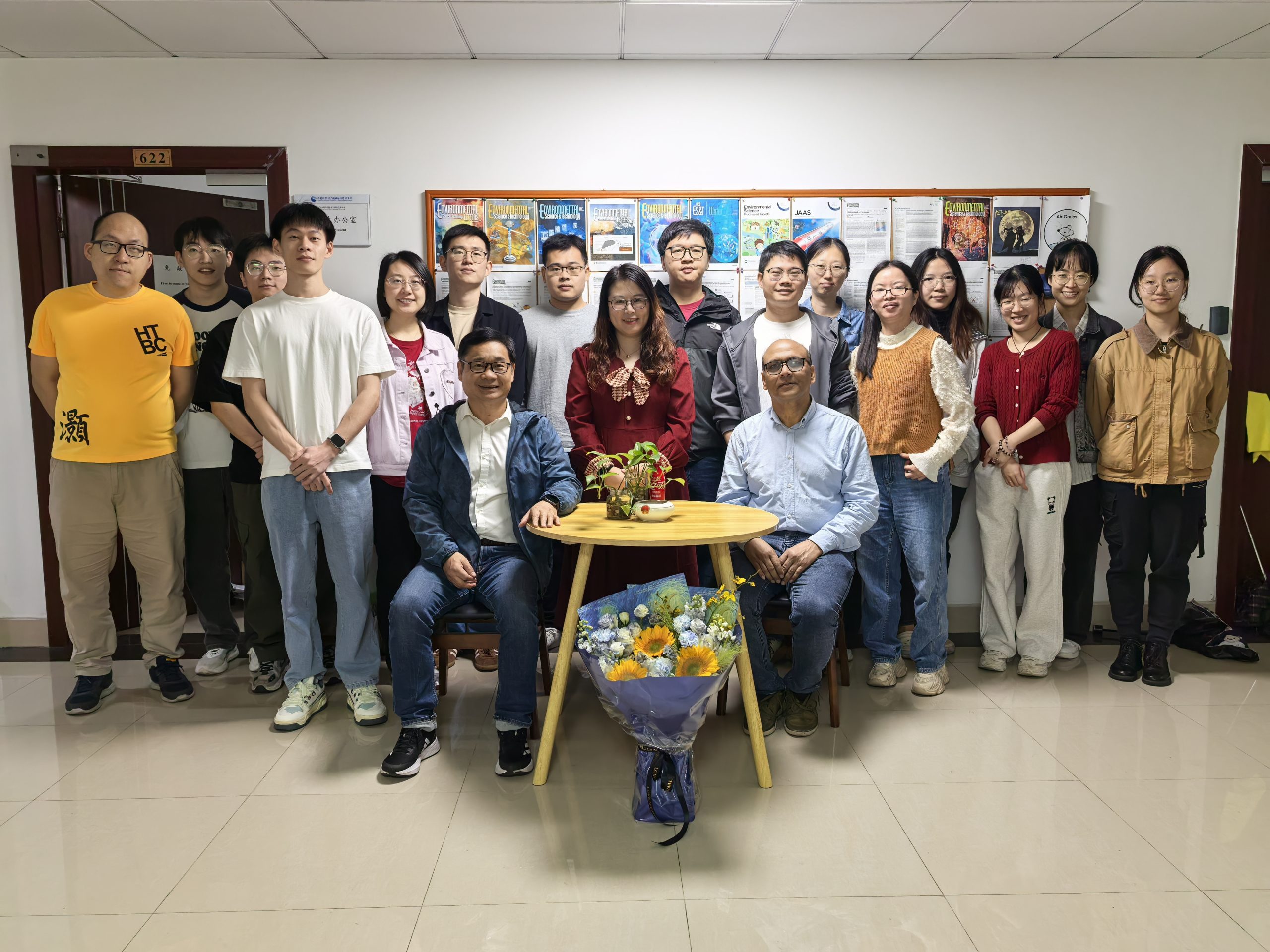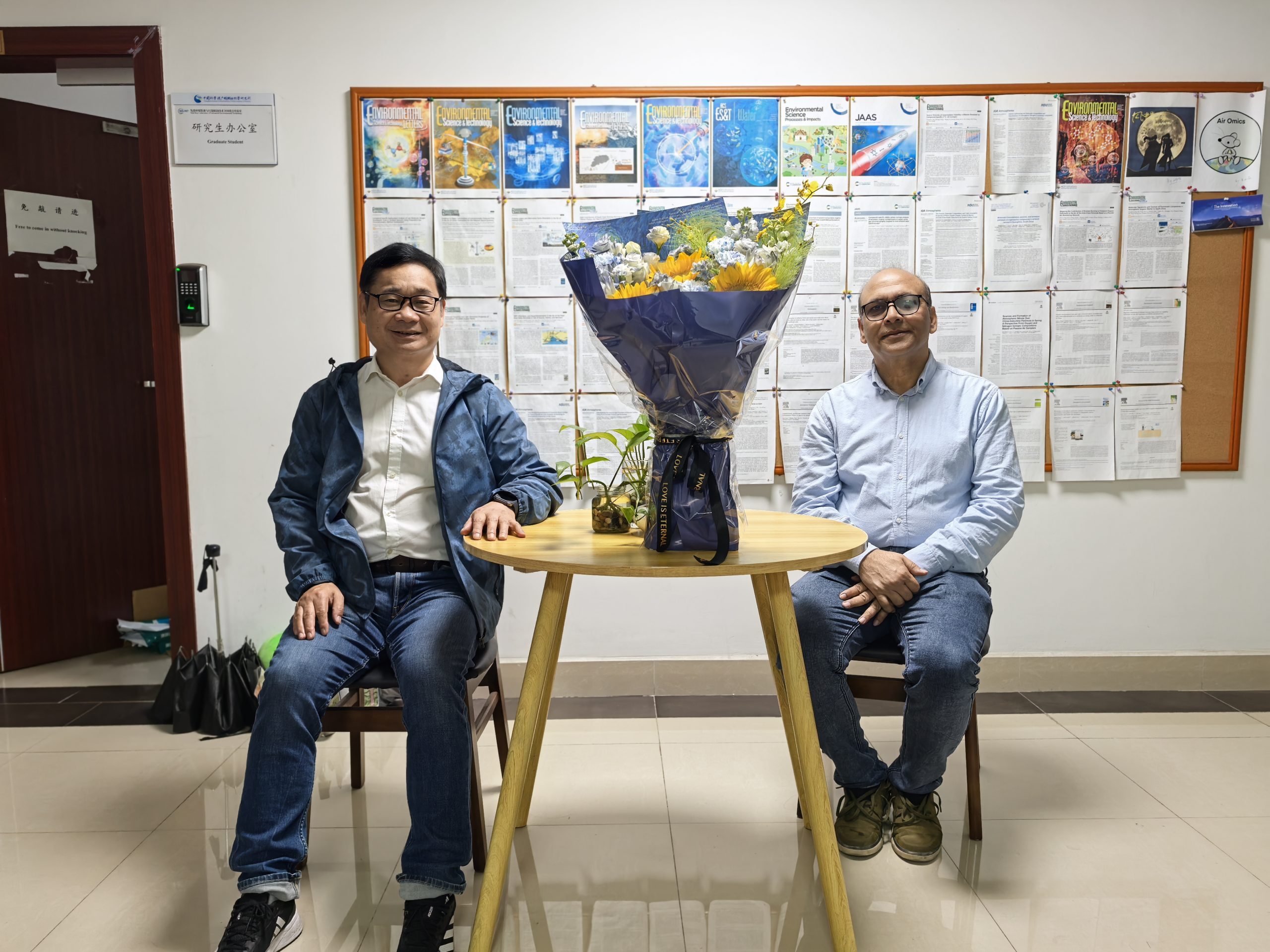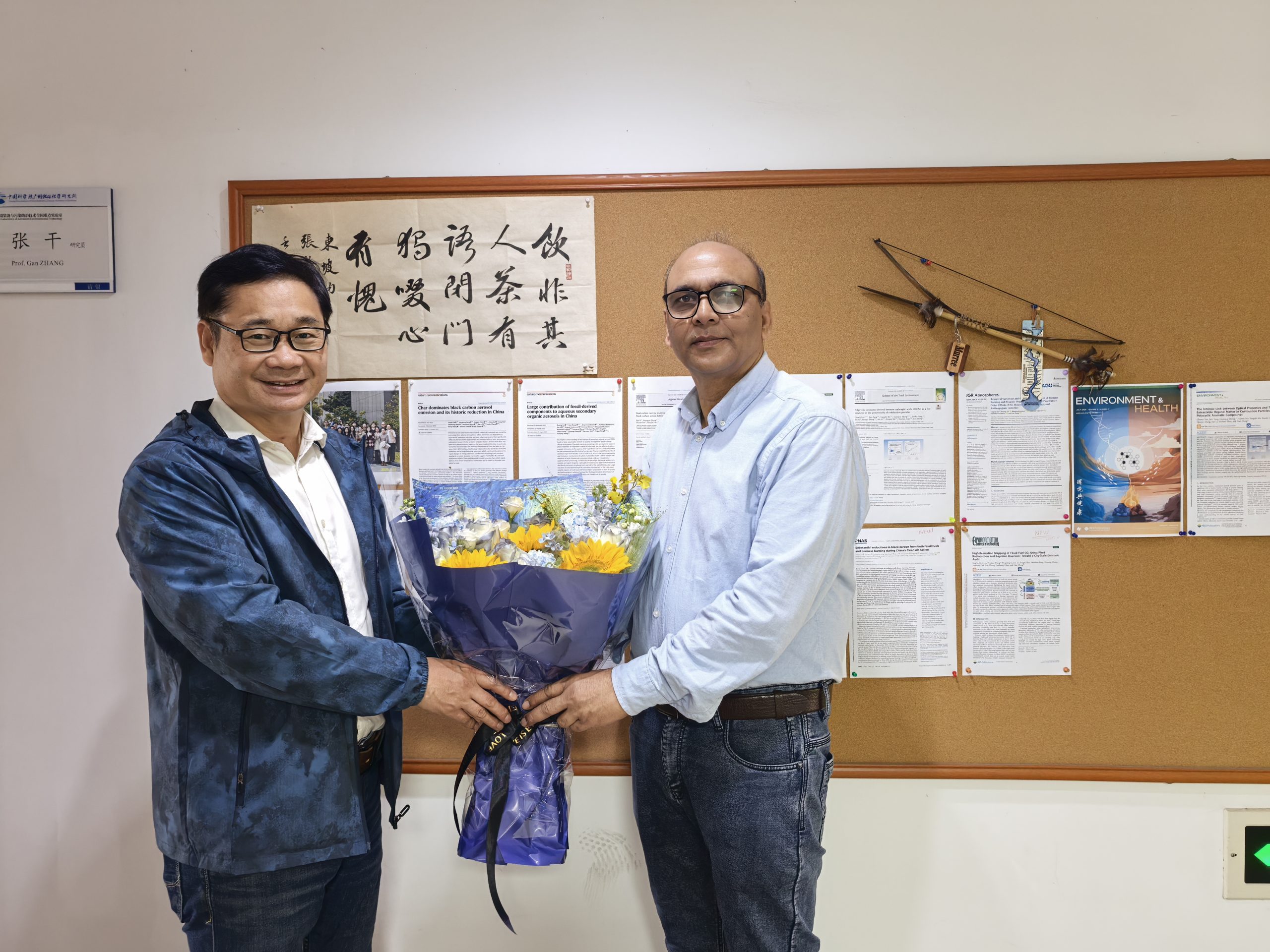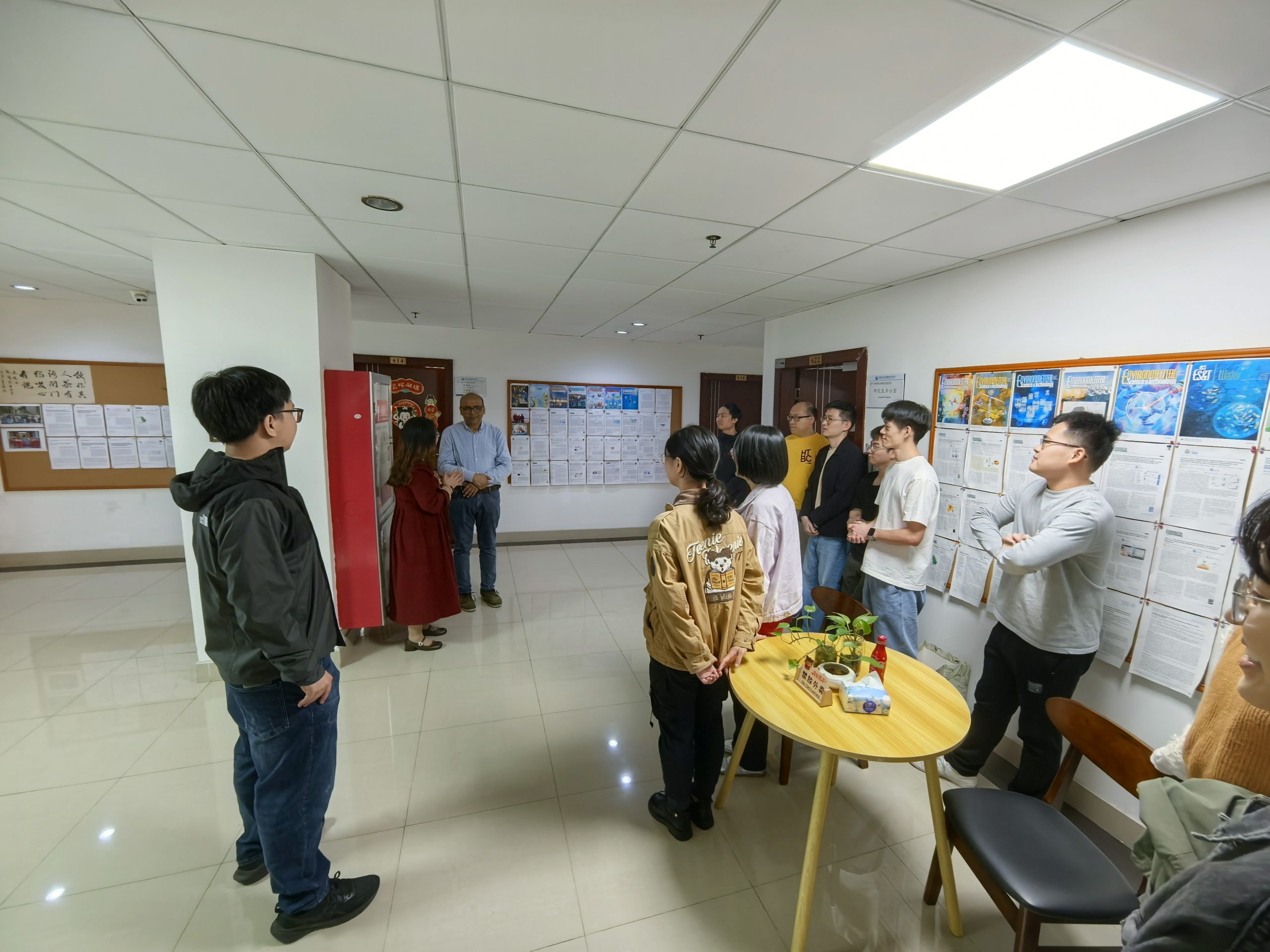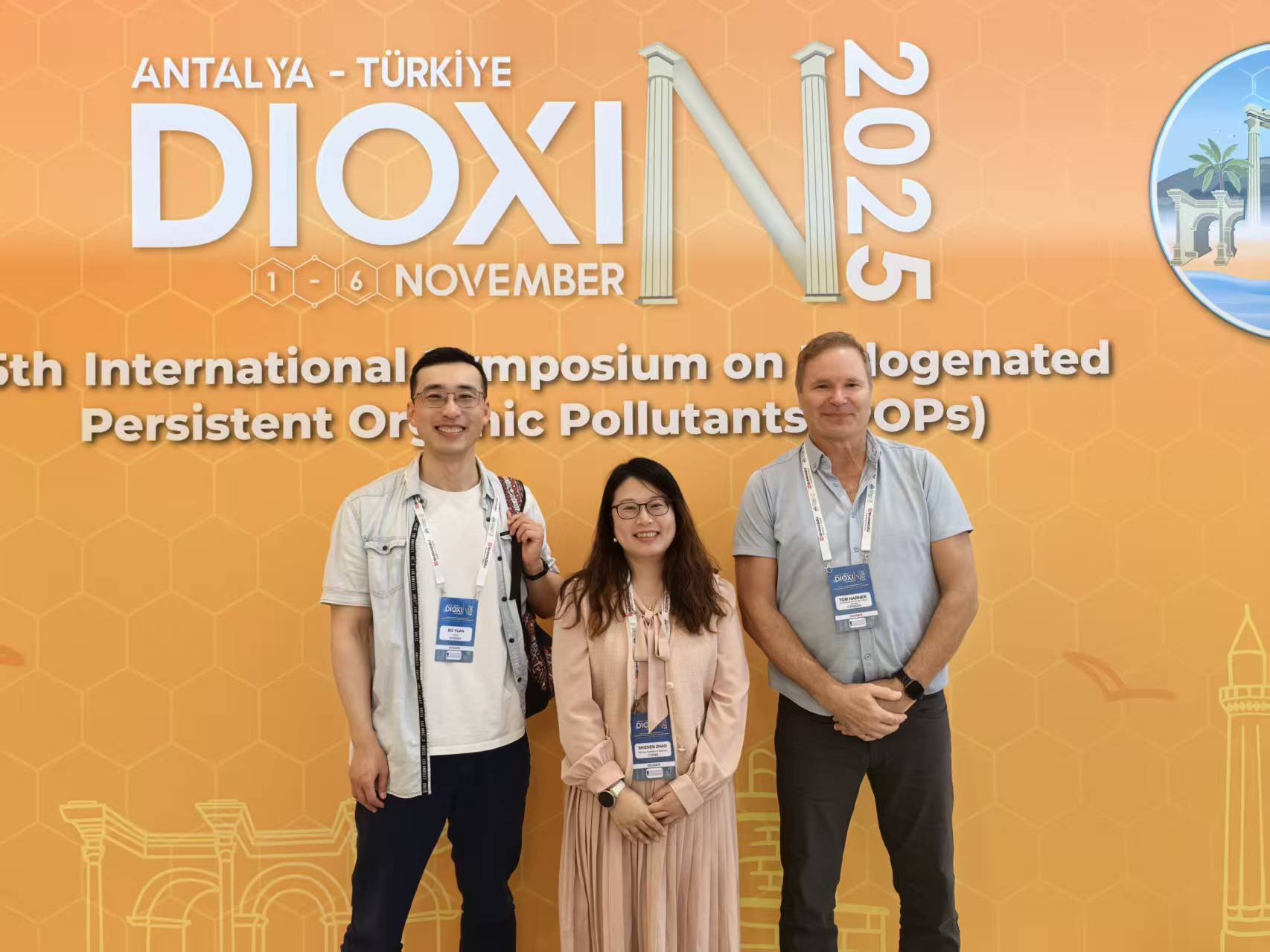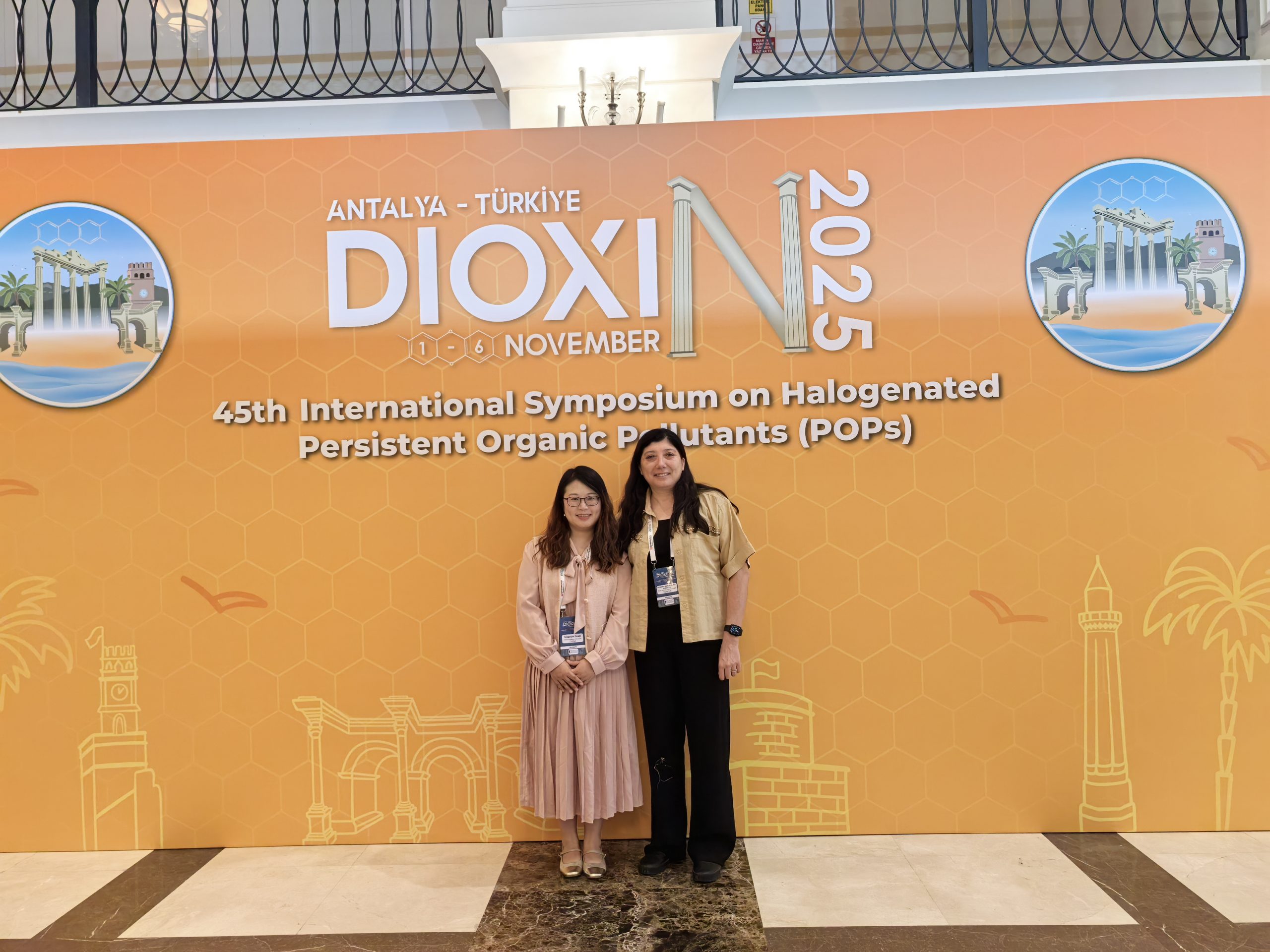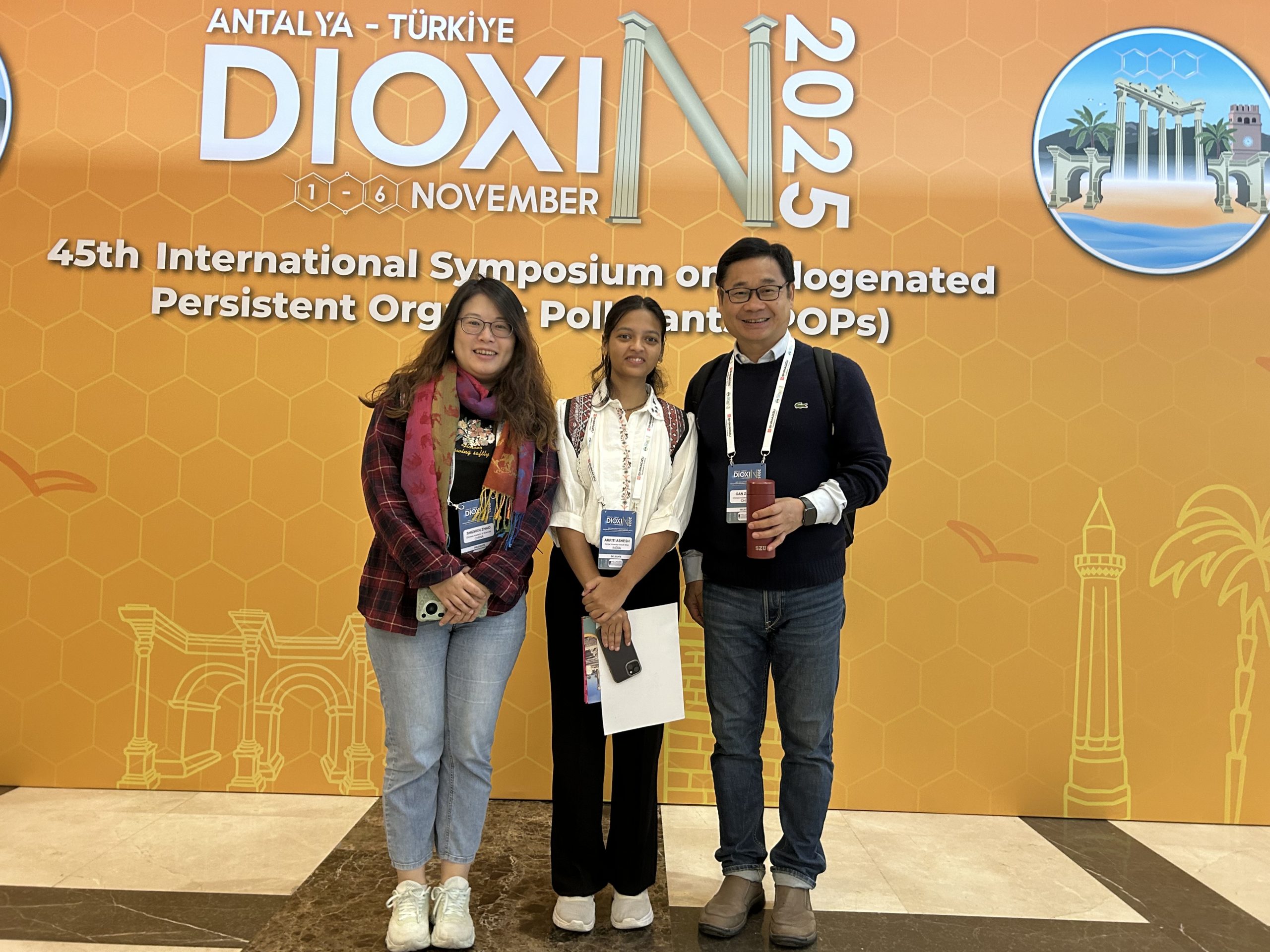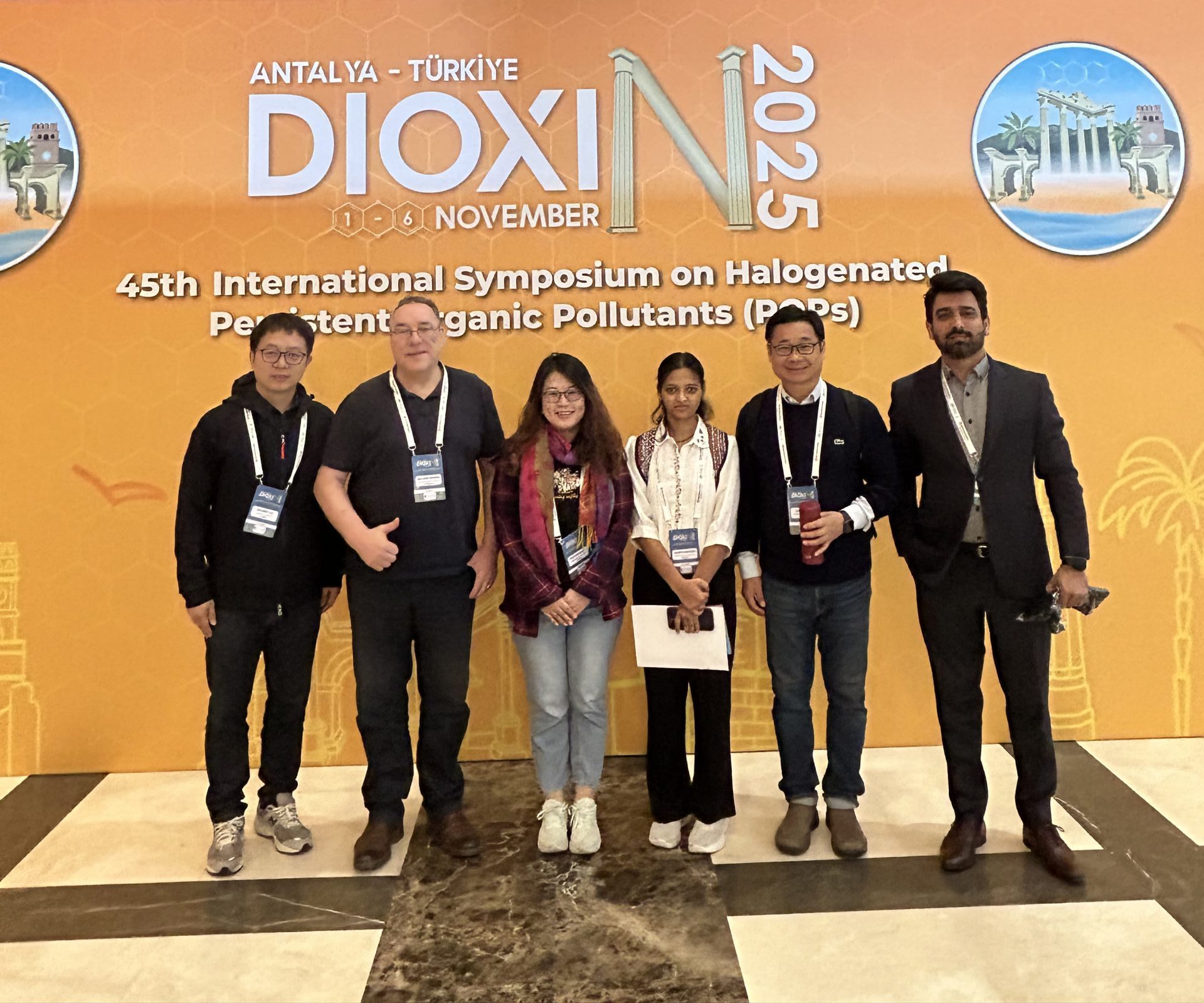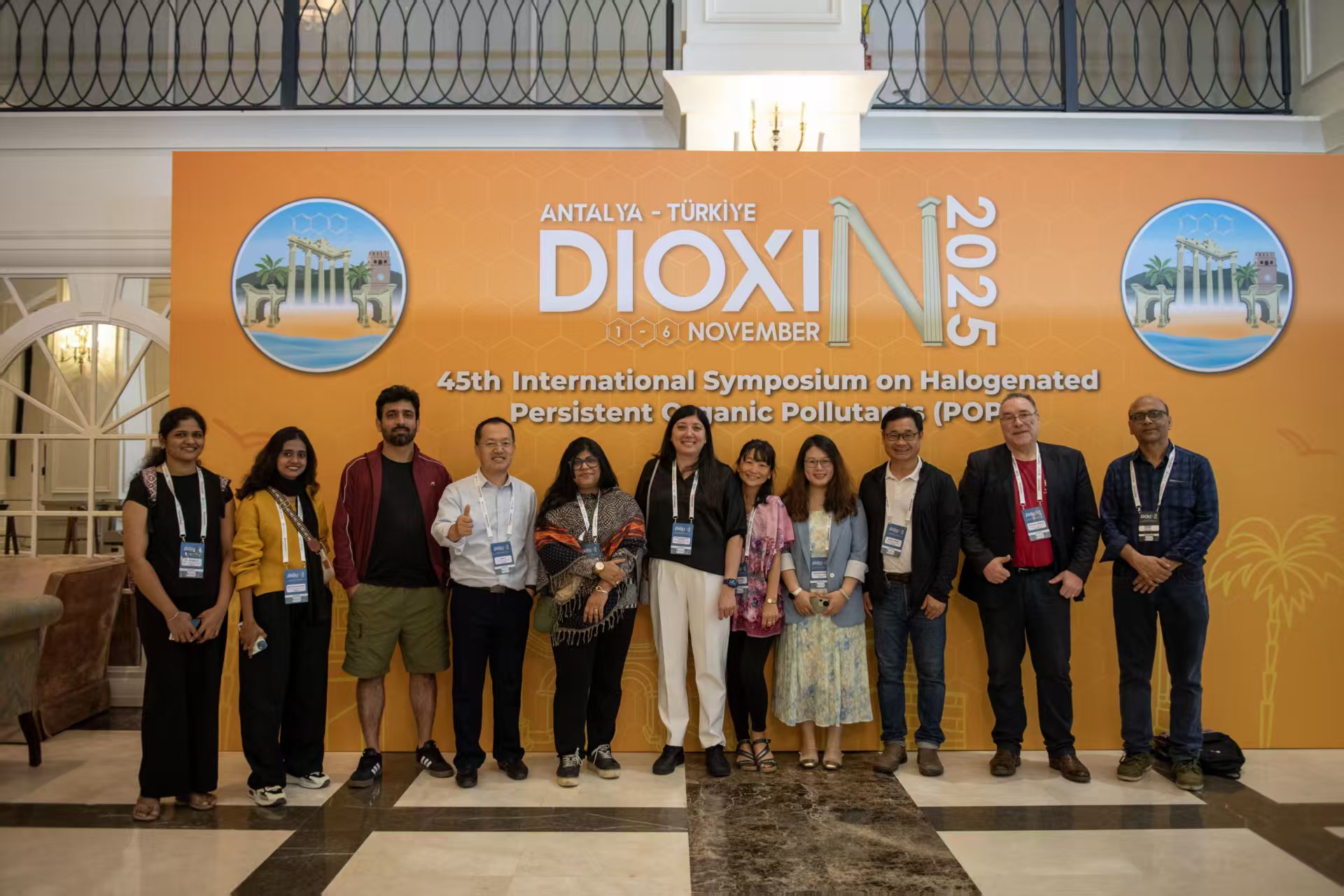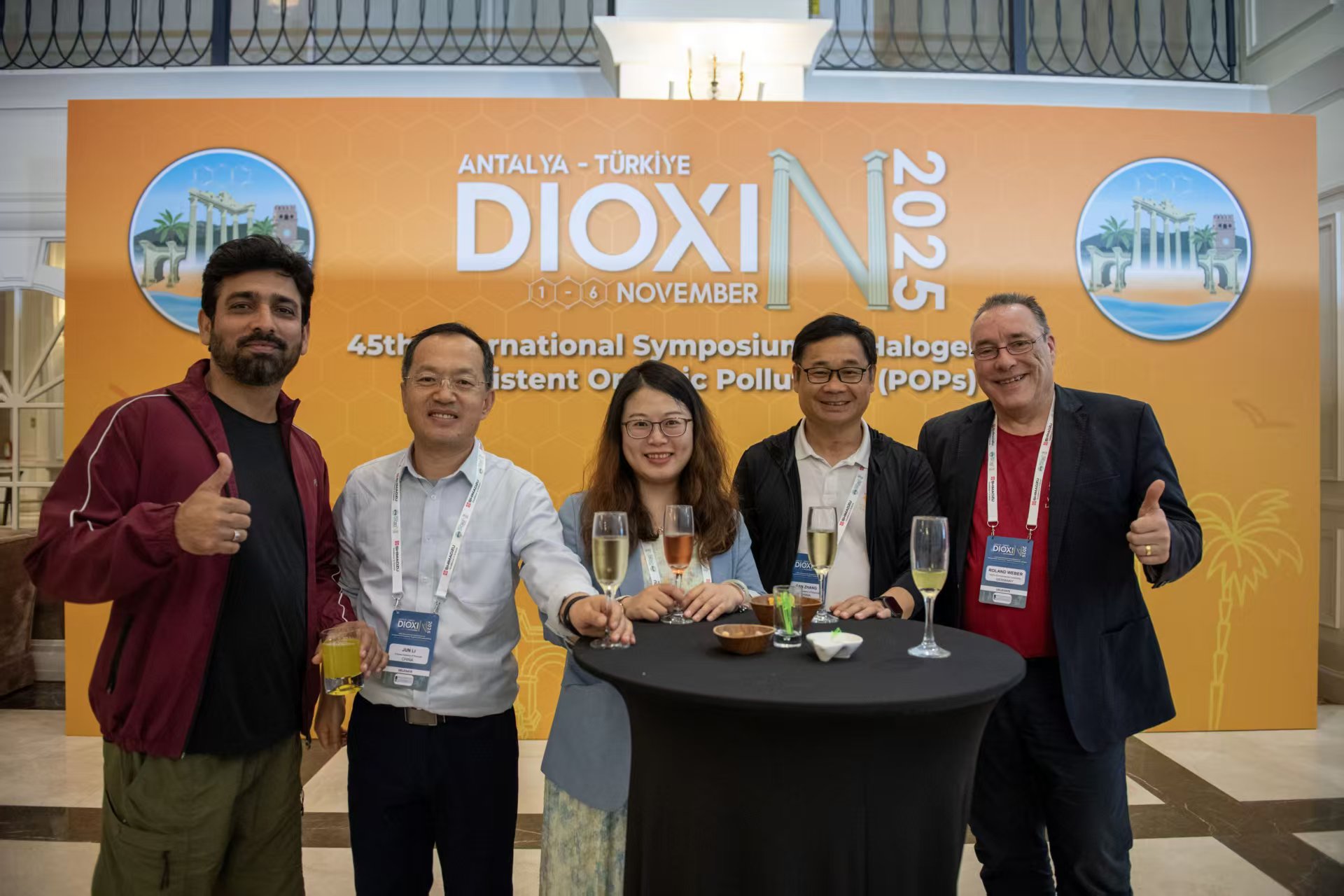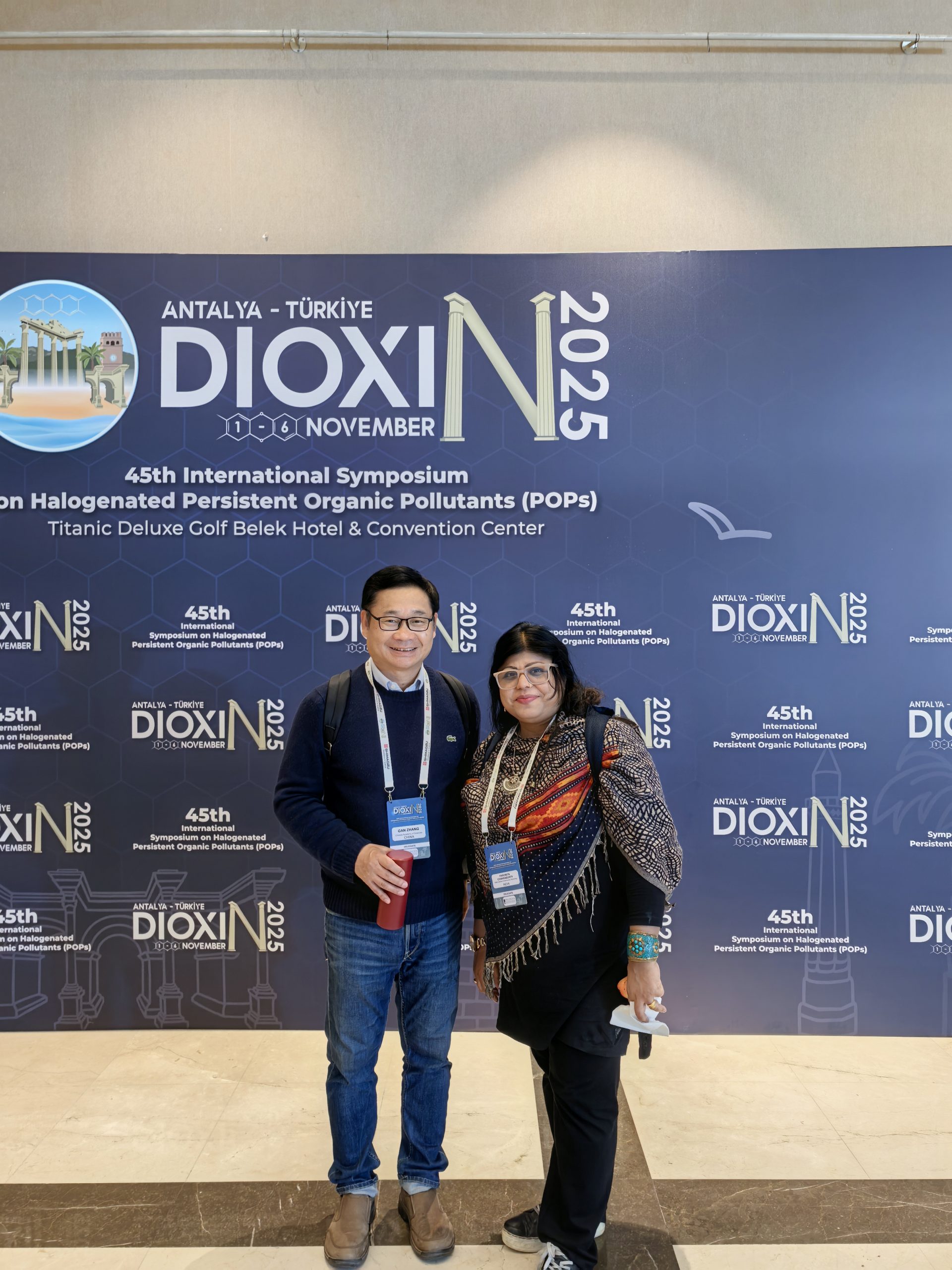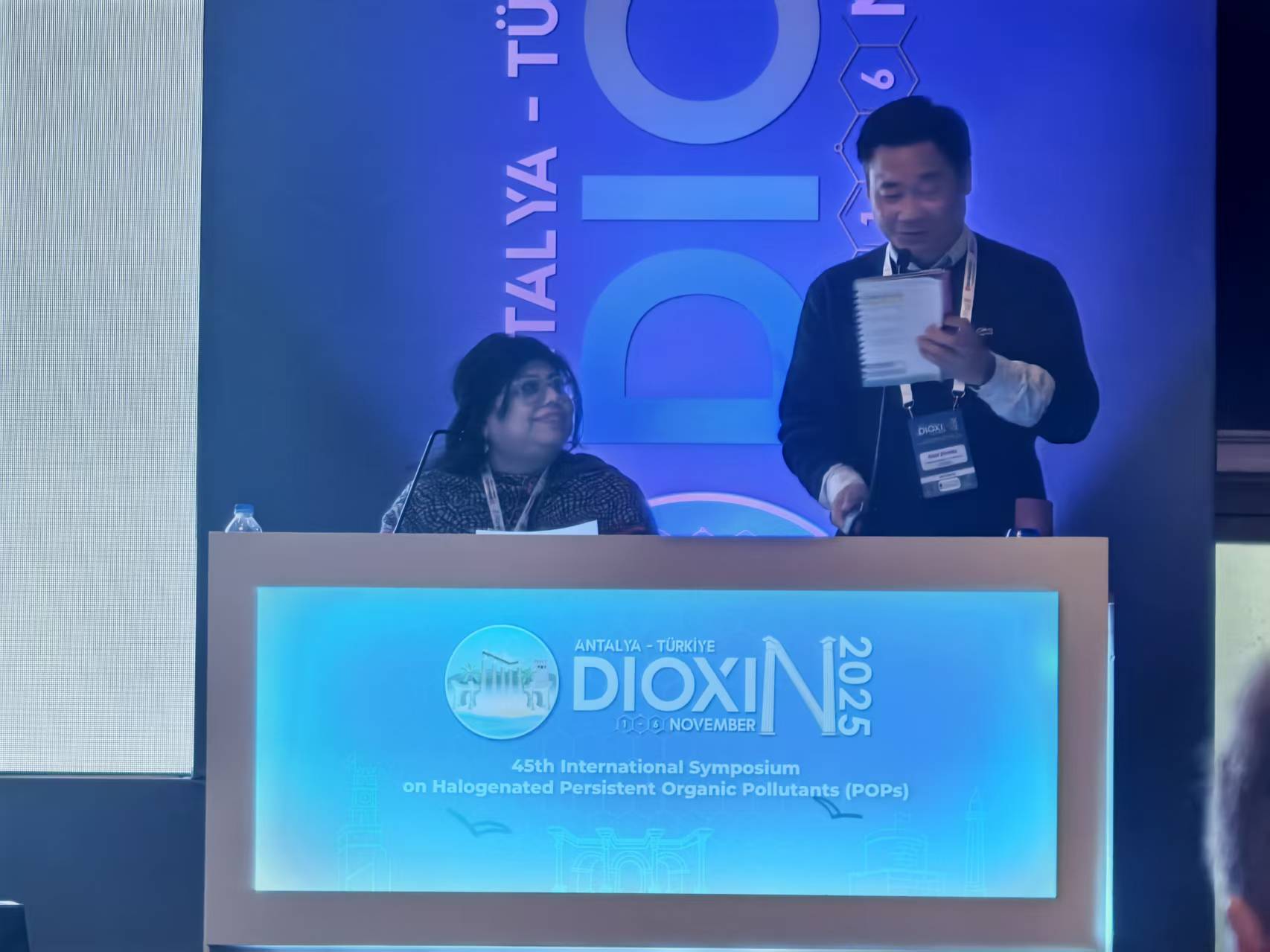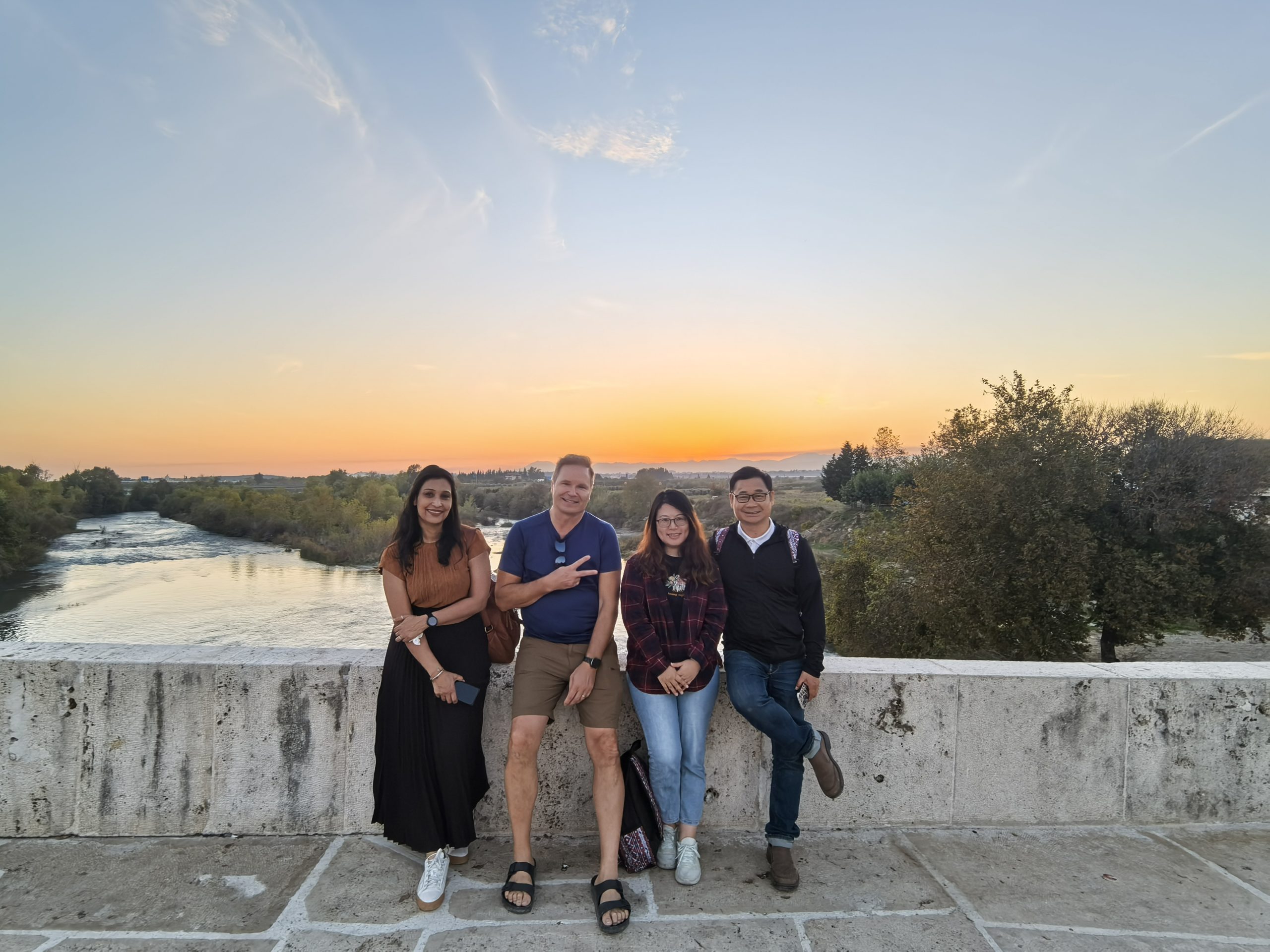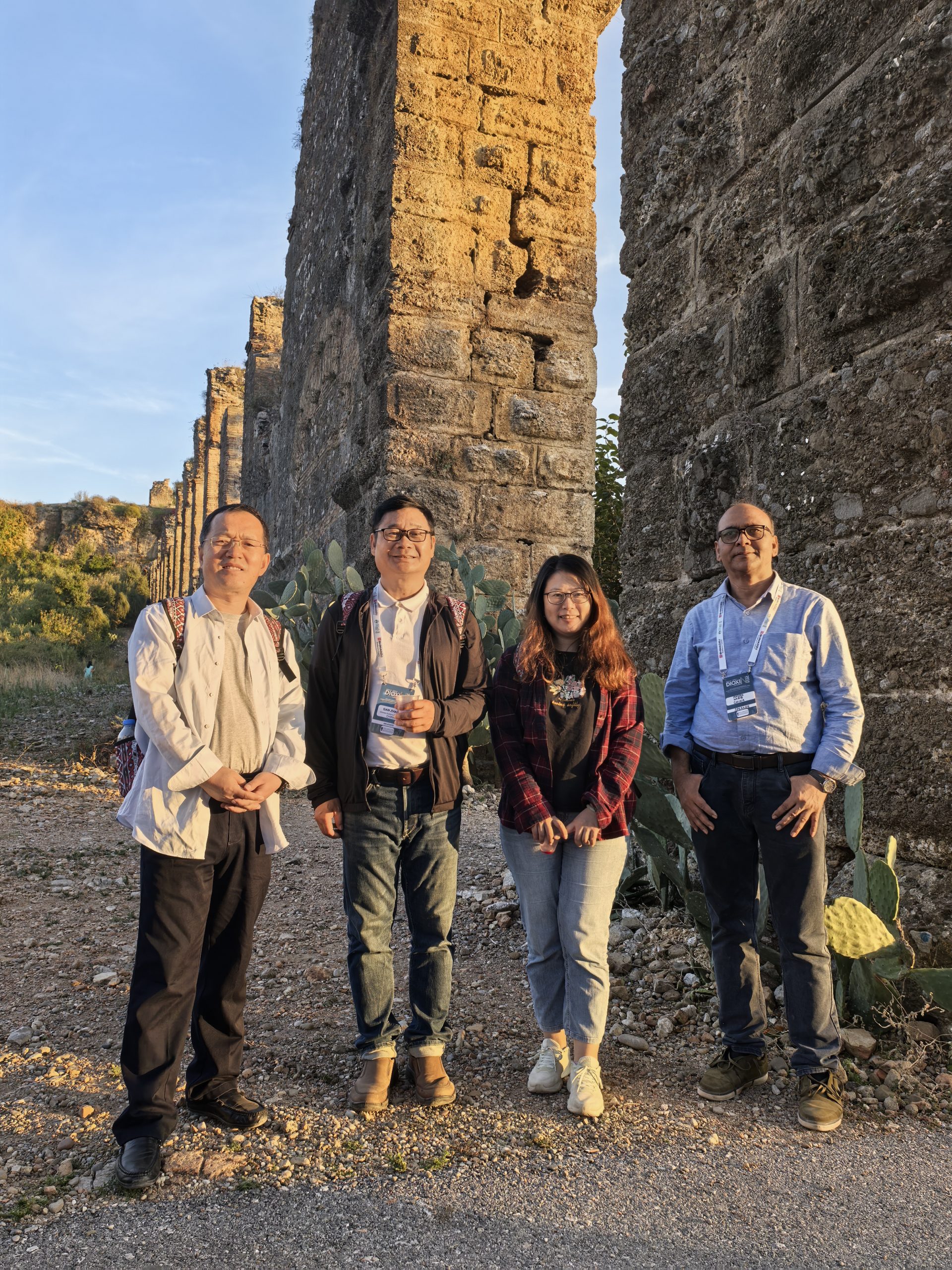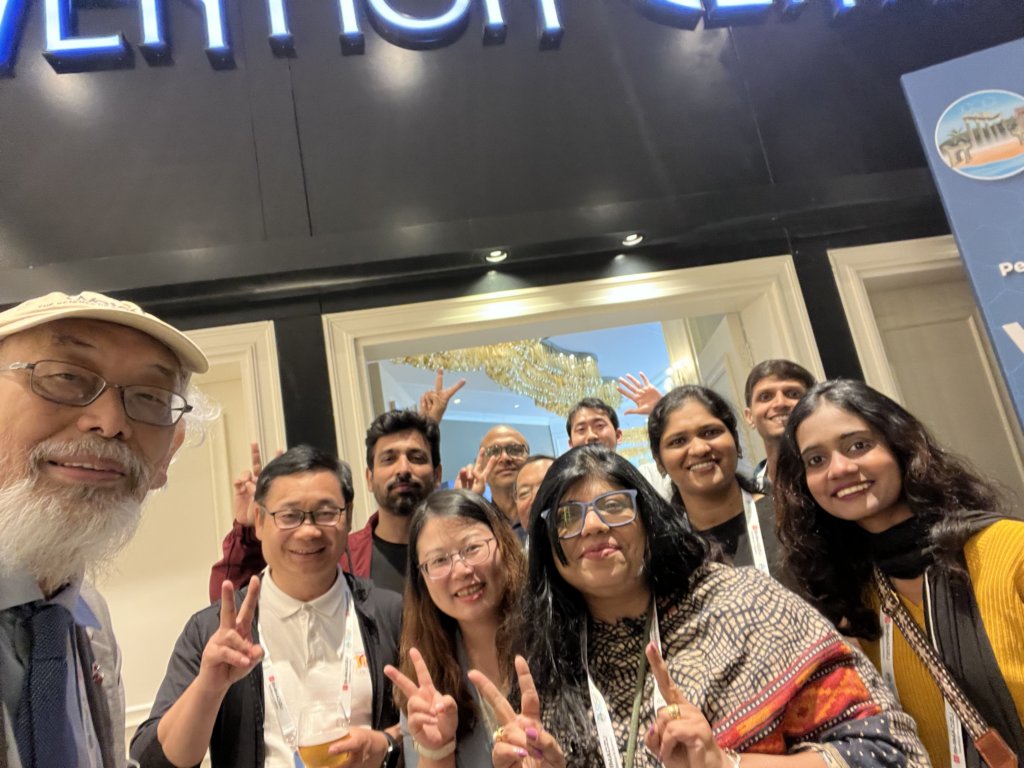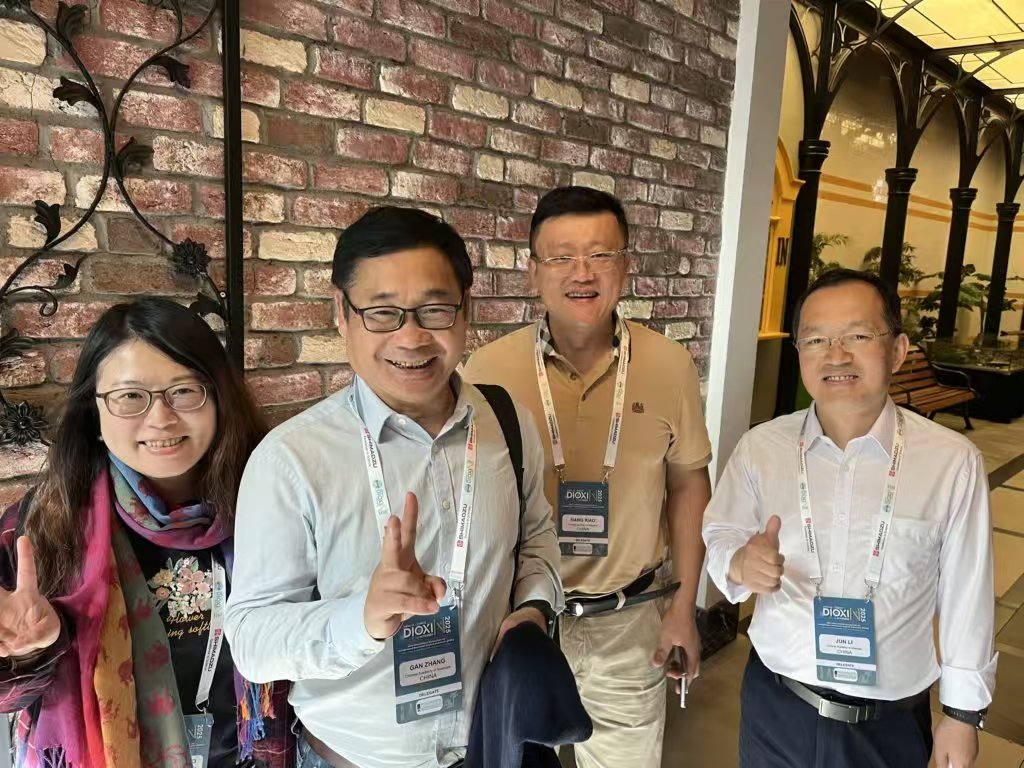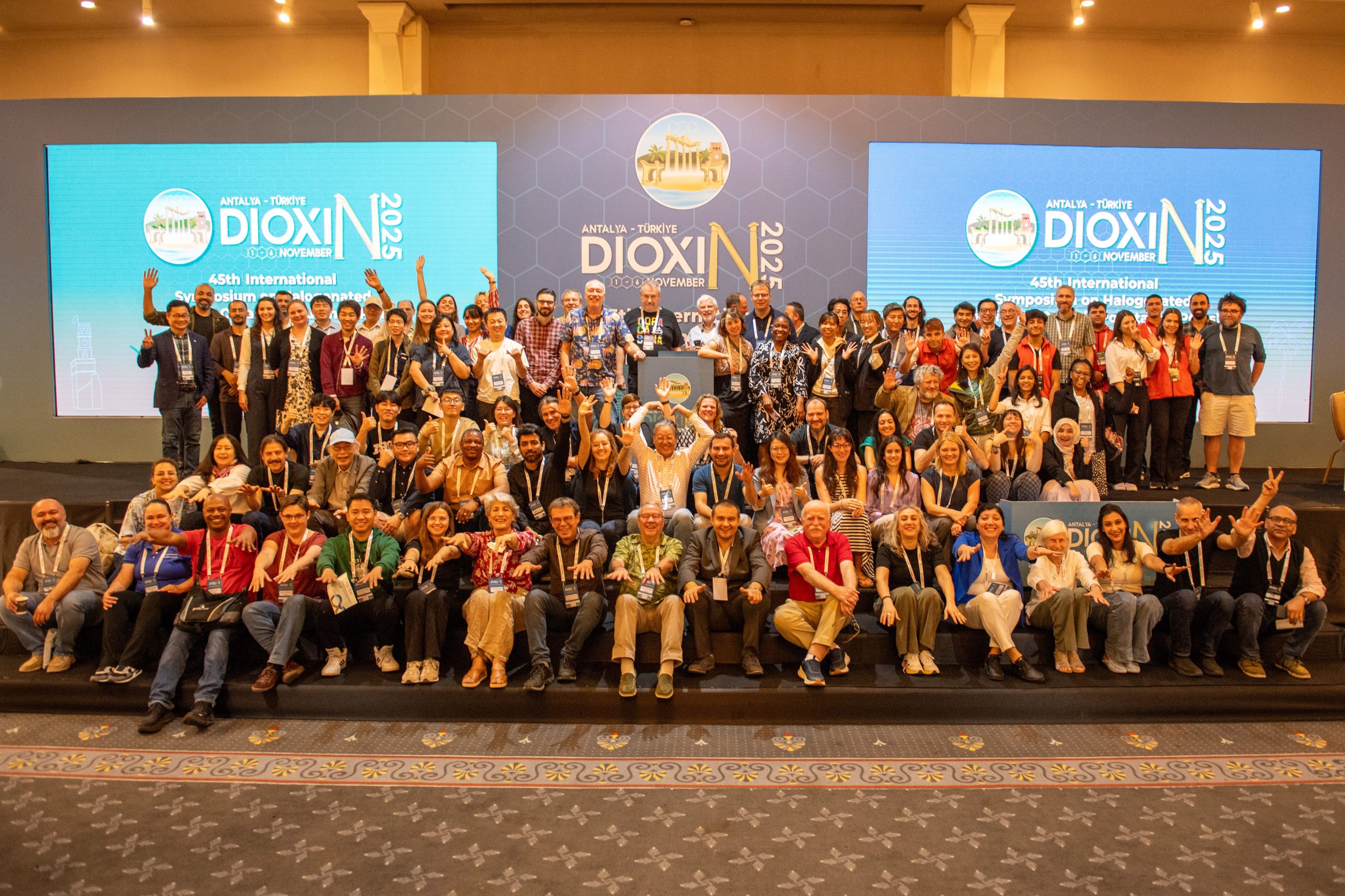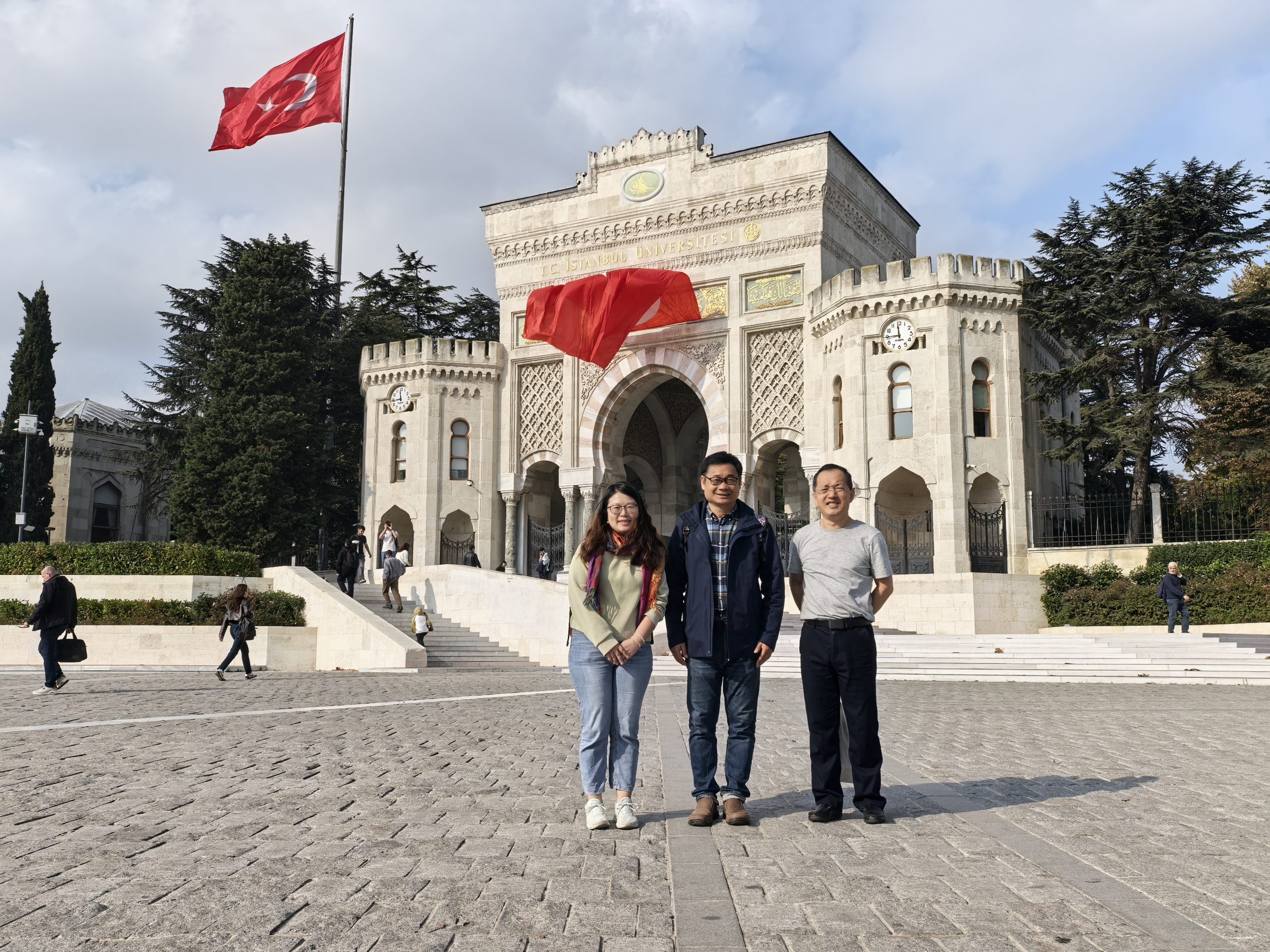
Since arriving in Guangzhou in December 2023 to begin my tenure as a CAS President’s International Fellowship Initiative (PIFI) fellow, my journey had been a blend of high-level scientific rigor and a profound cultural immersion. Stepping into the Guangzhou Institute of Geochemistry (GIG) of the Chinese Academy of Sciences, specifically within the State Key Laboratory of Advanced Environmental Technology, I wasn’t just entering a new laboratory, I was entering a community that has become my home away from home.
A New Chapter in the “City of Flowers”
Landing in Guangzhou during the mild December winter was a stark but welcome contrast to the bustling humidity of Dhaka. Known as the “City of Flowers”, Guangzhou immediately struck me with its unique balance of ancient tradition and futuristic efficiency. As I traveled from the airport to the GIG campus, the skyline, dominated by the iconic Canton Tower, signaled the start of a chapter defined by growth and discovery.
The first few weeks were a whirlwind of firsts. Navigating the seamless digital landscape of China, from WeChat to the high-speed rail system, was an education in itself. I remember the initial challenge of ordering a simple meal; however, the overwhelming kindness of my Chinese colleagues, who patiently helped me translate menus and navigate the local markets, quickly bridged the gap. These early interactions set the tone for my fellowship: one of mutual respect and genuine hospitality.
The Pulse of the Lab: Harmony and Dedication
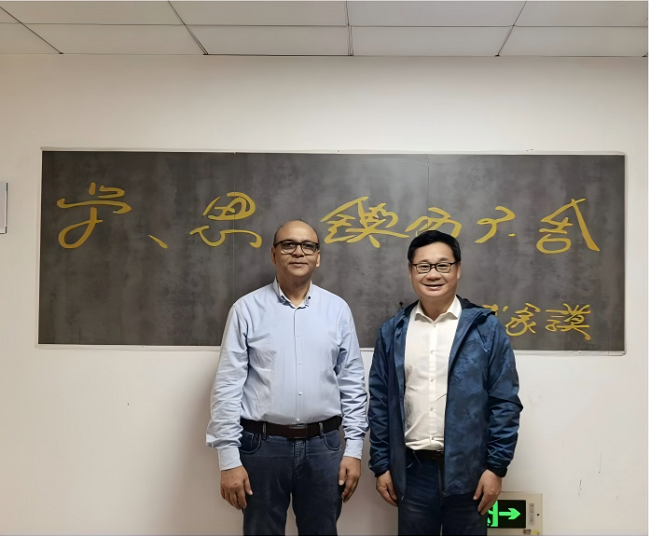
Working in Professor Gan Zhang’s lab has been the highlight of my professional life, but the experience of it goes far beyond the two papers we published in Atmospheric Environment and Environmental Research. In Professor Gan’s lab, there is a distinct “rhythm”. It is a place where scientific excellence is pursued with a quiet, tireless dedication.
I often reflect on our afternoon academic exchanges. These were not just meetings about PAHs or heavy metal data, they were intellectual crossroads where my perspectives from Bangladesh met the advanced analytical frameworks of GIG. I remember a particular evening in the lab when we were troubleshooting a difficult set of active air sampler data. The collaborative spirit, the way senior researchers and students alike gathered around a screen to offer insights, reinforced my belief that science is a universal language that transcends borders.
Bridging Cultures through the Maritime Silk Road
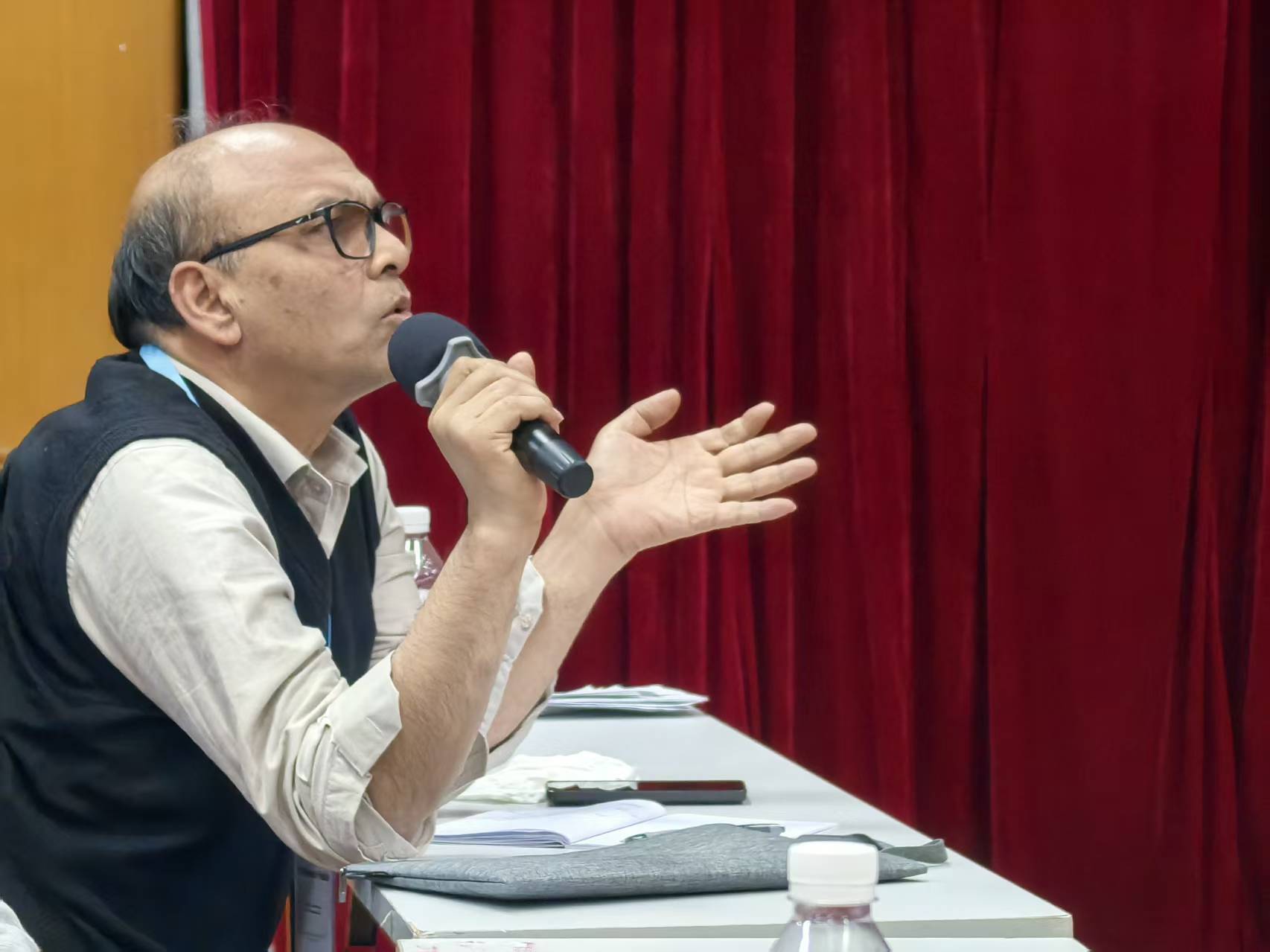
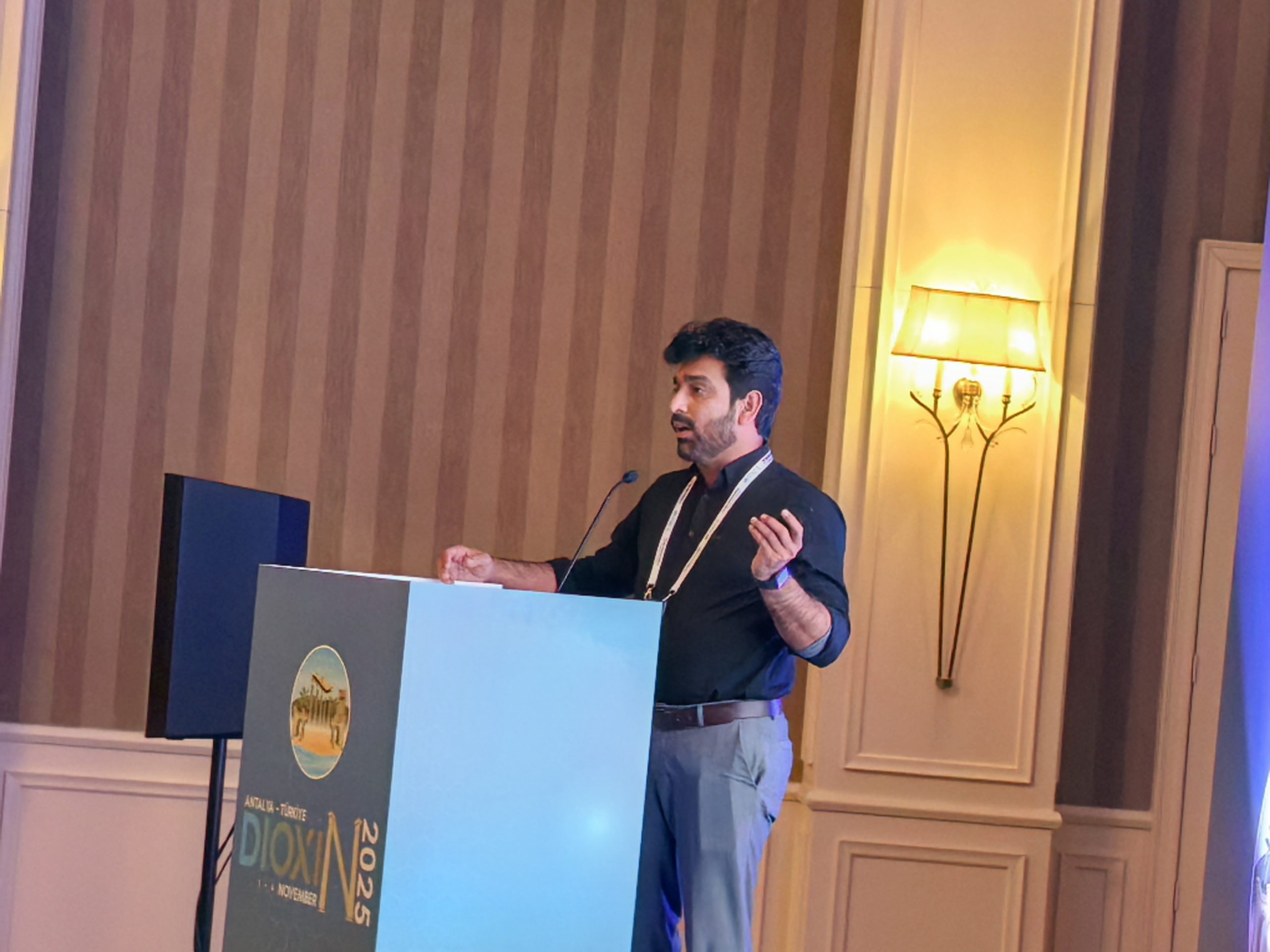
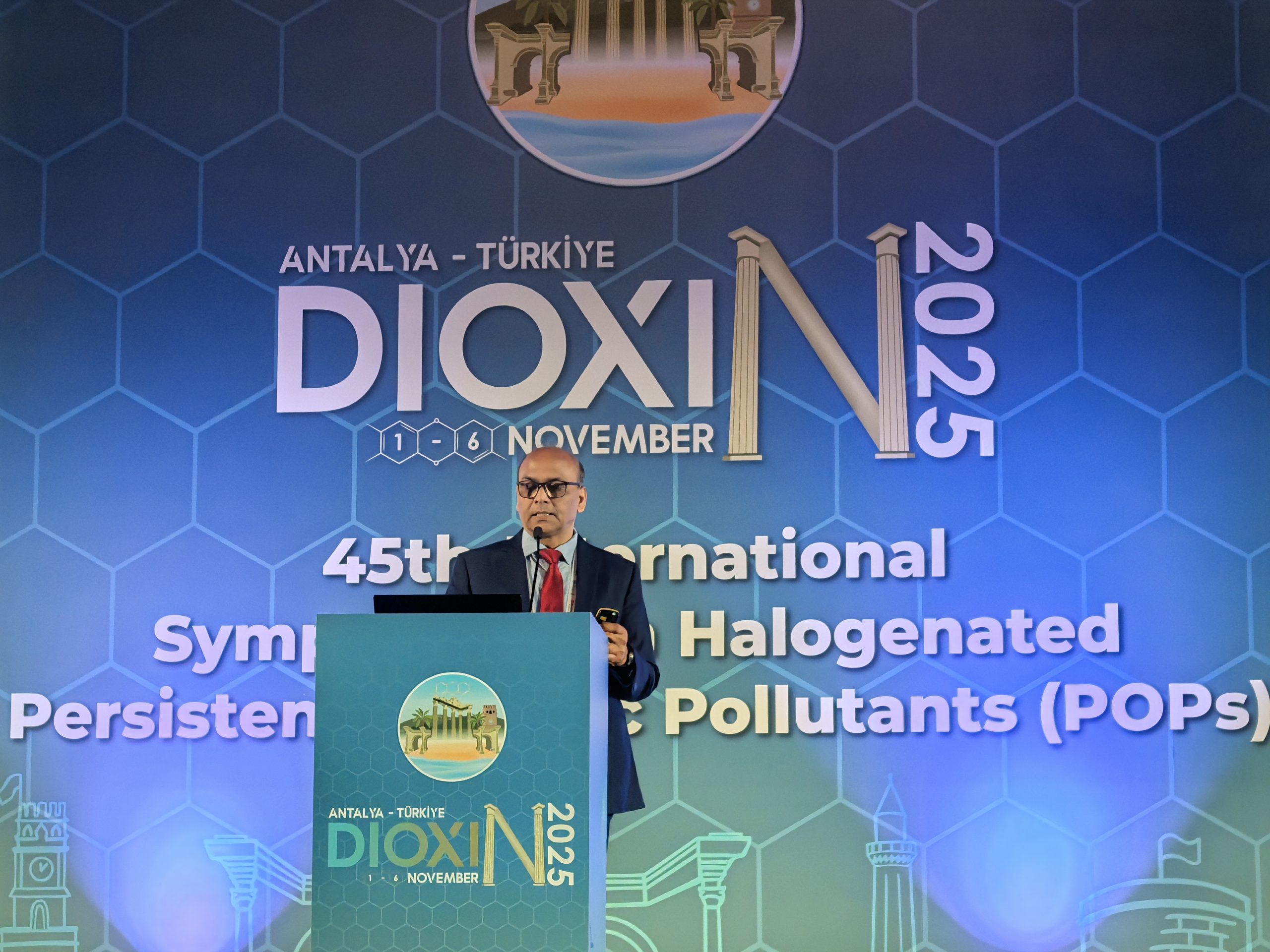
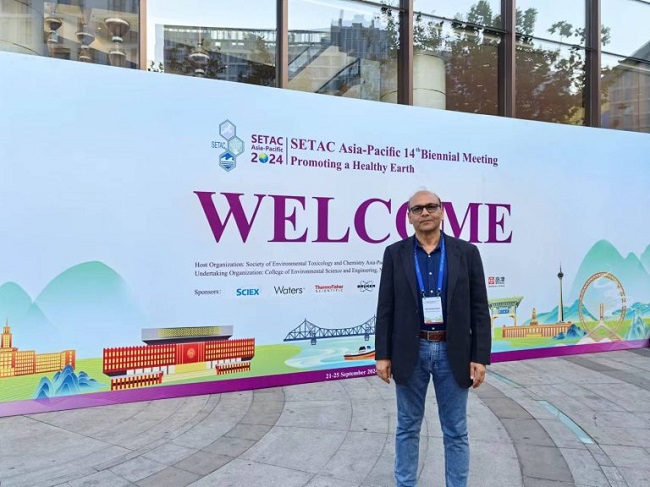
A truly memorable milestone occurred during the recent CAS training course for BRI and developing countries. My talk, “Heavy metals in the environment: problems and analytical chemistry”, was a significant professional moment, but the life story behind it was even more impactful.
During the program, I met researchers from across the 21st-century Maritime Silk Road. Over shared meals of Cantonese dim sum and tea, we didn’t just discuss persistent toxic substances (PTSs); we shared stories of our families, our hometowns, and our shared hopes for a cleaner planet. These informal “Silk Road” conversations taught me that while our geographic challenges differ, from the urban density of Dhaka to the industrial hubs of China, our commitment to environmental stewardship is a shared human bond.
Memorable Moments and Life Lessons
One story that stays with me is from a weekend trip to the Pearl River. Watching the city lights reflect on the water, I realized how much I had adapted. I had gone from a newcomer struggling with a translation app to someone who felt comfortable navigating the intricate streets of the Yuexiu district.
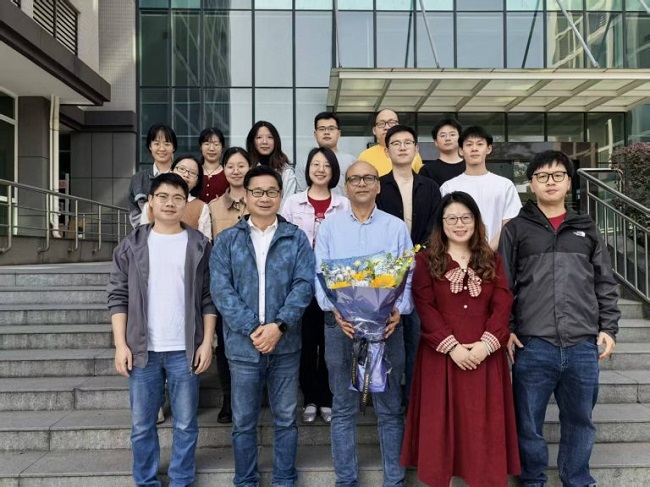
I’ve also learned to appreciate the Chinese philosophy of guanxi (relationships) and the deep-seated respect for teachers and mentors. This cultural nuance has shaped how I approach my research. It taught me that scientific success is not just about the number of citations, but about the quality of the relationships built during the process. Publishing two papers in nine months was a rigorous task, but it was the shared celebrations in the lab, the simple joy of a group lunch after a paper was accepted, that made the hard work meaningful.
Looking Forward: Nine Months and Counting
As I look back on these nine months (2023-2025), I see a transformation. I came to China as a researcher focused on monitoring PAHs and heavy metals in Bangladesh. I am leaving this phase of my fellowship as a global citizen who understands the power of international collaboration.
The PIFI fellowship has provided me with world-class facilities and the mentorship of Professor Gan, but more importantly, it has given me a window into the heart of China’s scientific community. My time here has been a testament to the fact that when we share our “academic and research thoughts”, we aren’t just exchanging data, we are building a future where knowledge flows as freely as the rivers that connect our nations.
As I continue my work, I carry with me the discipline of the GIG labs, the flavors of Guangzhou, and the enduring friendships that have made this journey an unforgettable life experience.