Jianchu’s 6 day travel in Sri Lanka

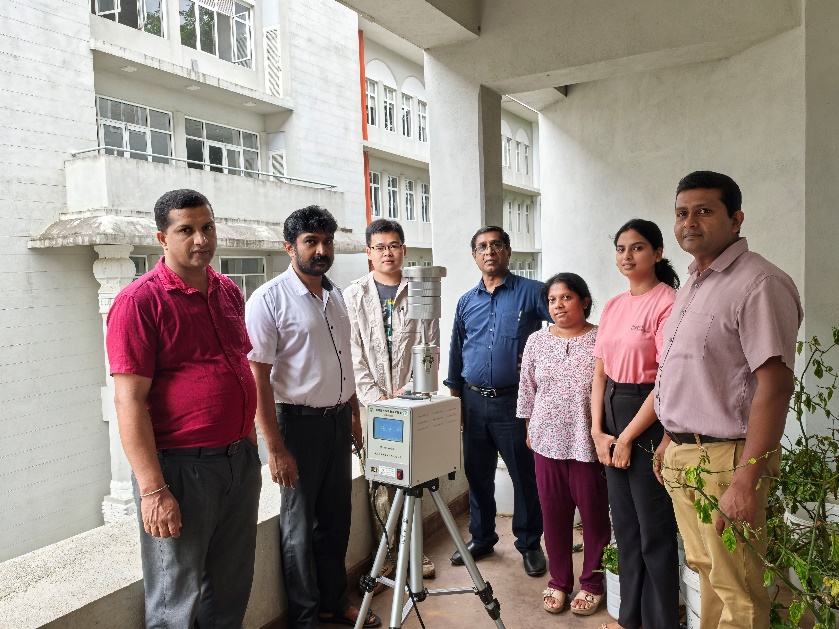
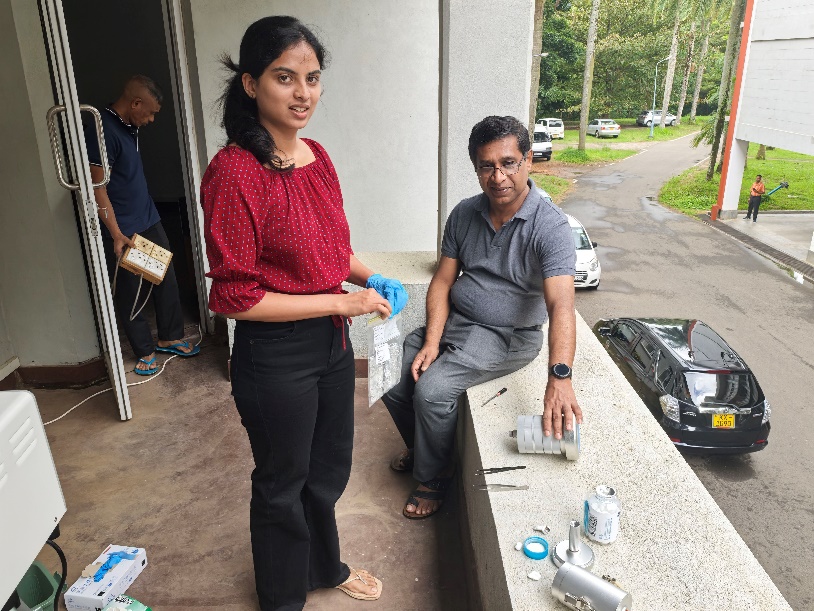
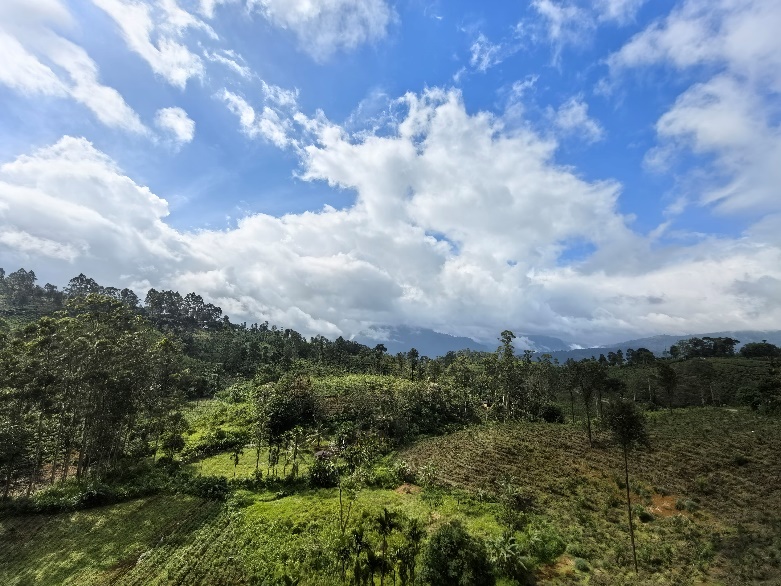
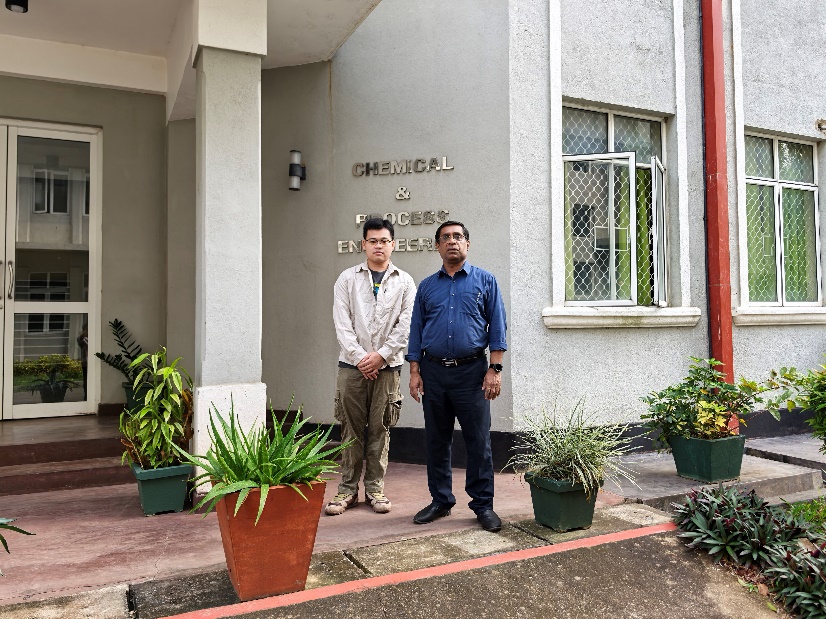
Jianchu recently spent an exciting week in Sri Lanka, teaming up with researchers at the University of Peradeniya! From August 12-17, he worked with Professor Parakrama Karunaratne’s team to push forward the Maritime Silk Road Air Pollution Monitoring Initiative. During the visit, Jianchu engaged in detailed discussions with Prof. Karunaratne on air sampling plan for the project. Working collaboratively with members of Prof. Karunaratne’s team, Jianchu successfully completed the assembly and preliminary testing runs of air samplers scheduled for deployment.

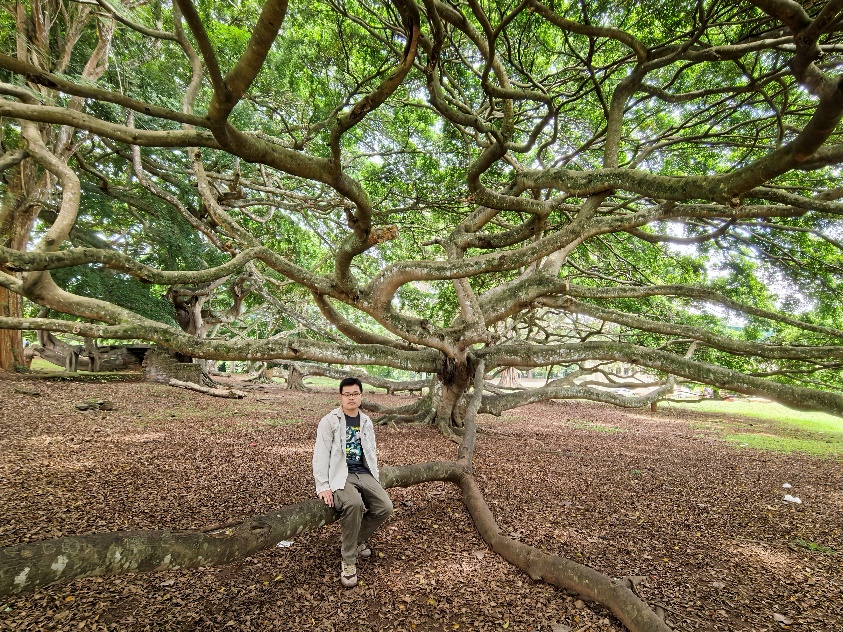
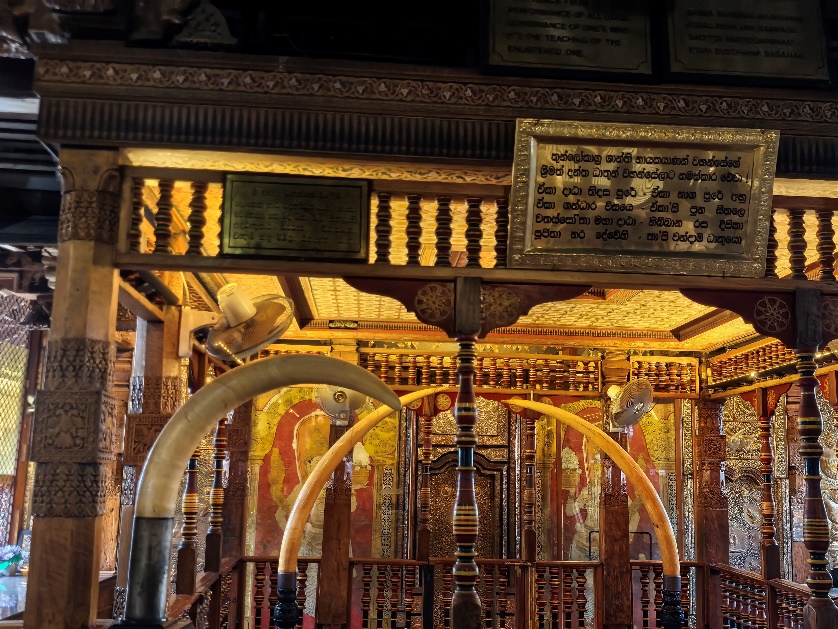
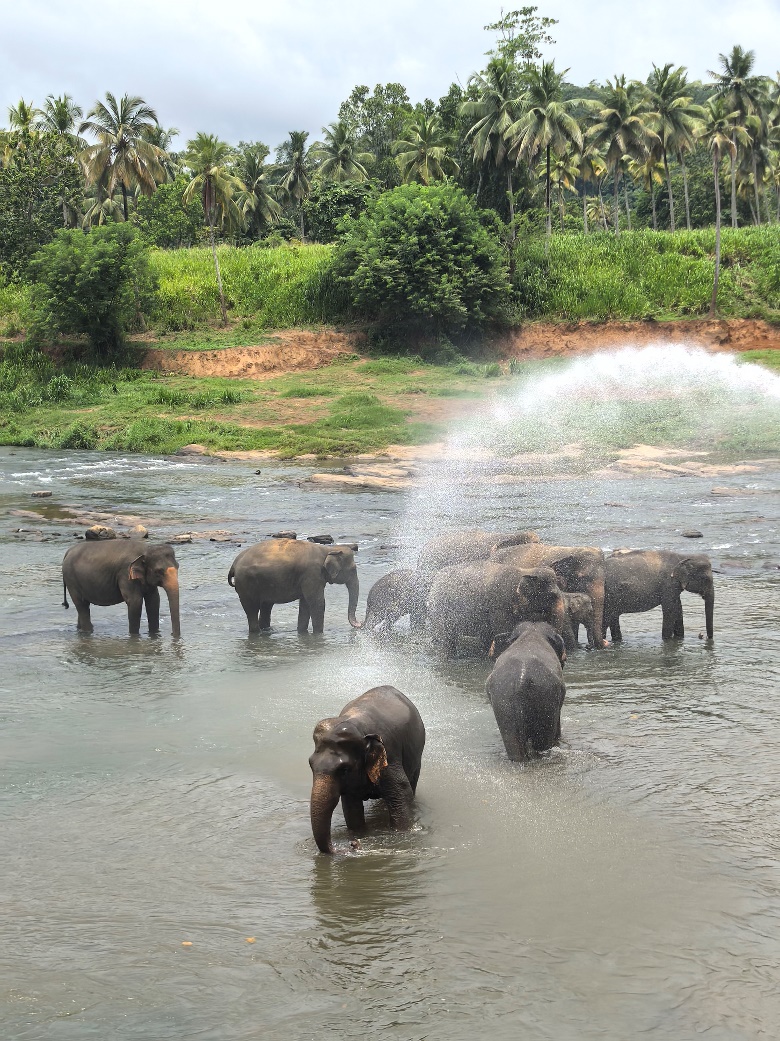
While conducting sampling work, Jianchu also had the opportunity to experience Sri Lankan culture by visiting the University of Peradeniya campus. At Prof. Karunaratne’s suggestion, he further explored famous sites—the Temple of the Sacred Tooth Relic (where a tooth of Lord Buddha is enshrined), and the Pinnawala Elephant Orphanage.

(Written by Jianchu)
The Beibu Gulf Scientific Expedition

On August 26, Zhao Hangyi successfully completed the scientific expedition in the Beibu Gulf and returned to Zhanjiang Port, Guangdong, aboard the research vessel Lanbo-1. The expedition began on August 2 and concluded smoothly on August 26, lasting a total of 25 days. The research area covered the Beibu Gulf and the Qiongzhou Strait.

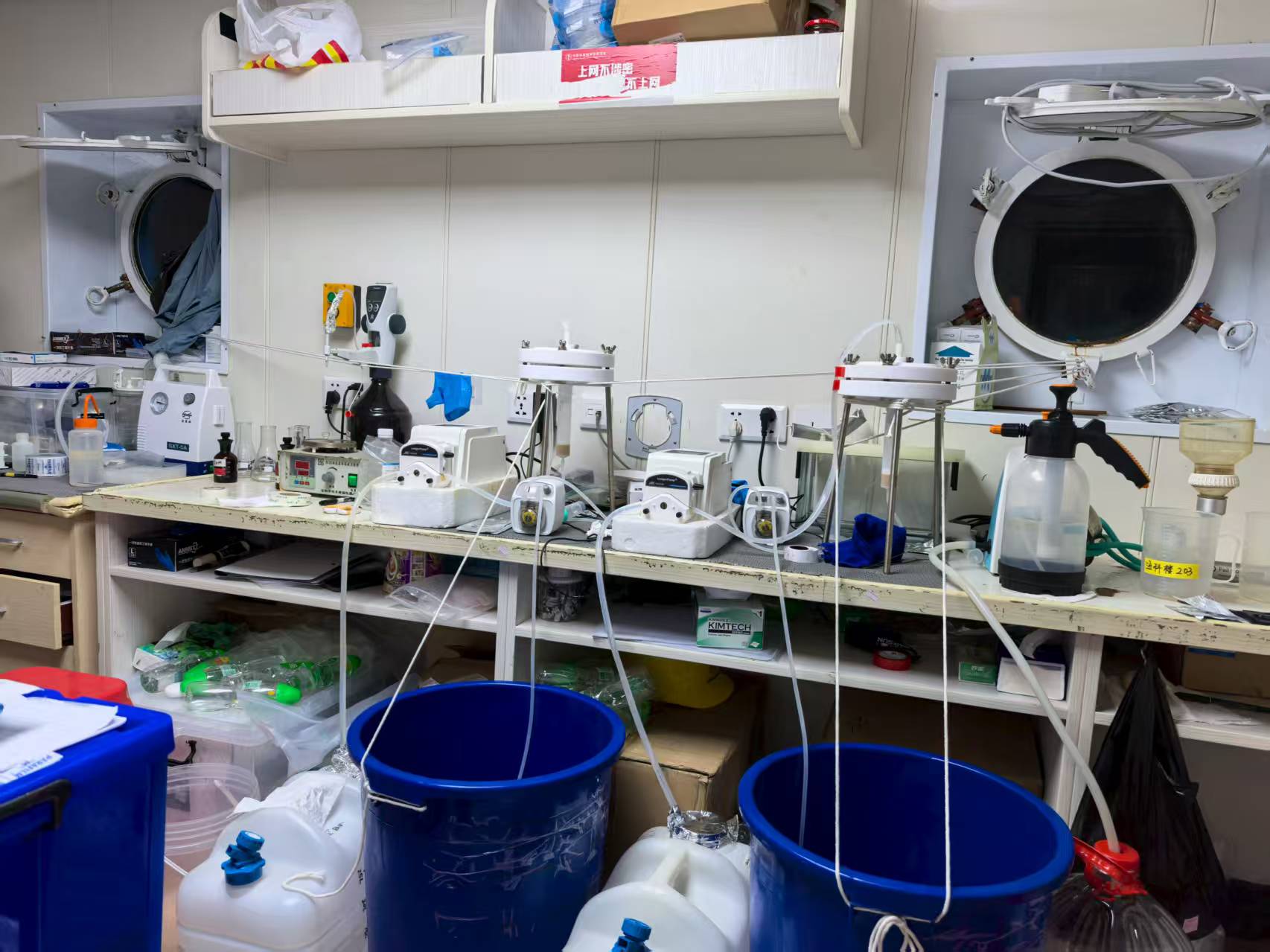
During the cruise, a wide range of samples was collected, including atmospheric samples, seawater, rainwater, and seabed sediments. These samples have now been transported back to the laboratory for further analysis.

For Zhao Hangyi, this expedition was not only a success in terms of sample collection, but also a valuable opportunity to broaden his horizons, build new friendships, and enjoy the unforgettable beauty and stories of life at sea. It was truly a memorable experience.

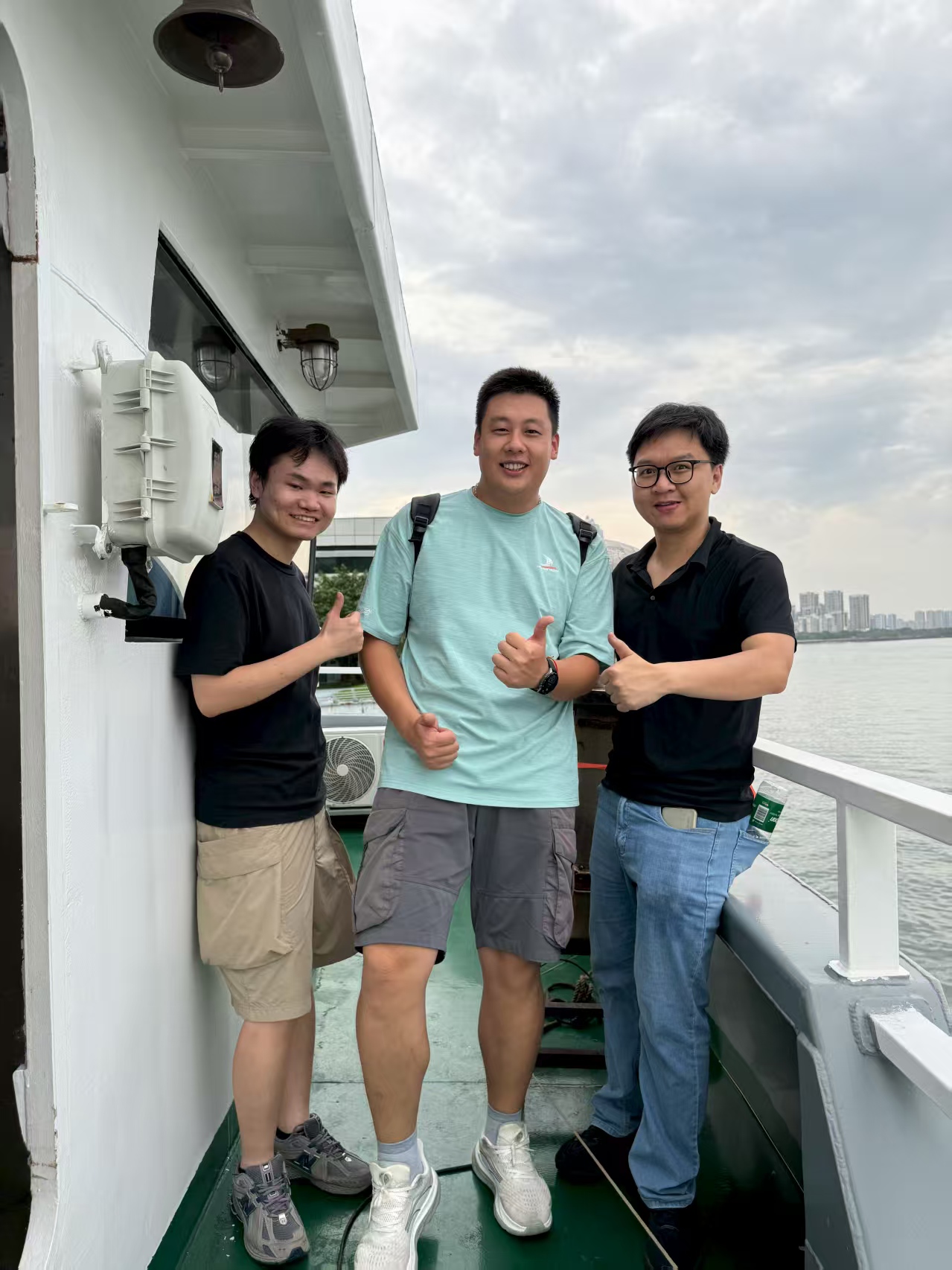
Group photo with Moyangzhi and Wang Wanzhe before departure, next to the third-floor wheelhouse.

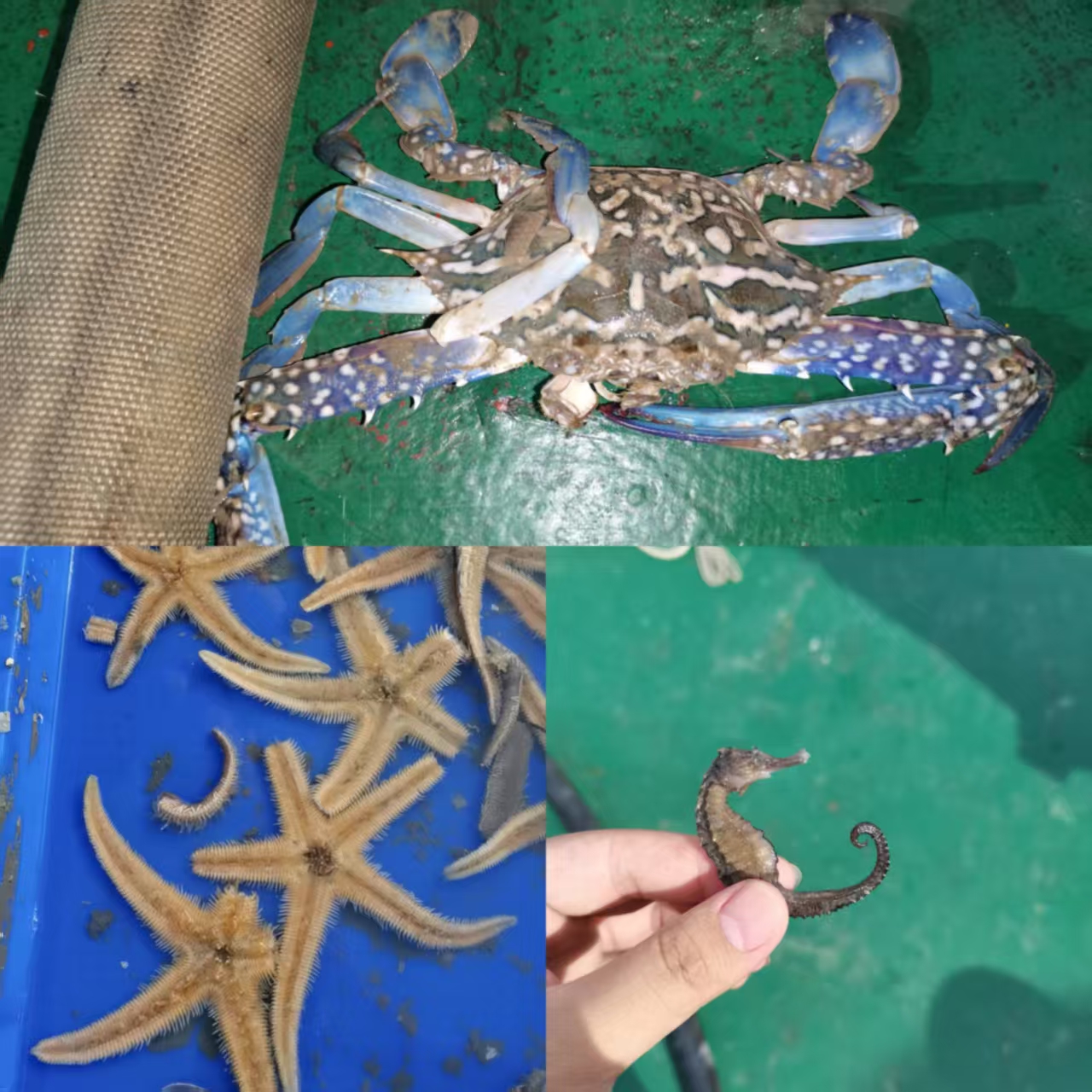
Marine organisms accidentally caught in a trawl net.

Improvised “stabilization system” set up to protect equipment during the tail end of a typhoon.

Crew preparing on deck to “welcome” the CTD deployment.

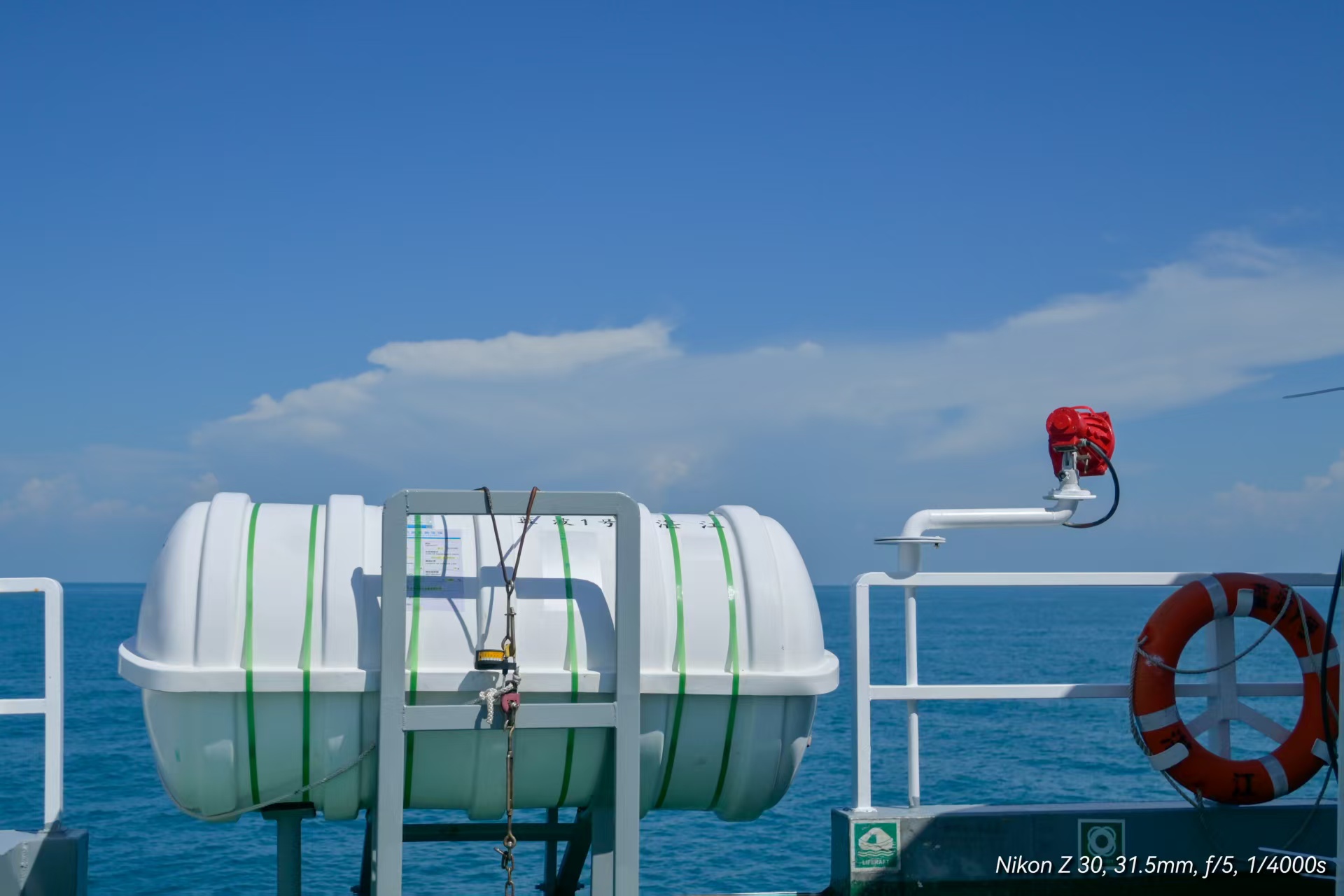
A quick snapshot of the ship’s side taken in a rare moment of leisure

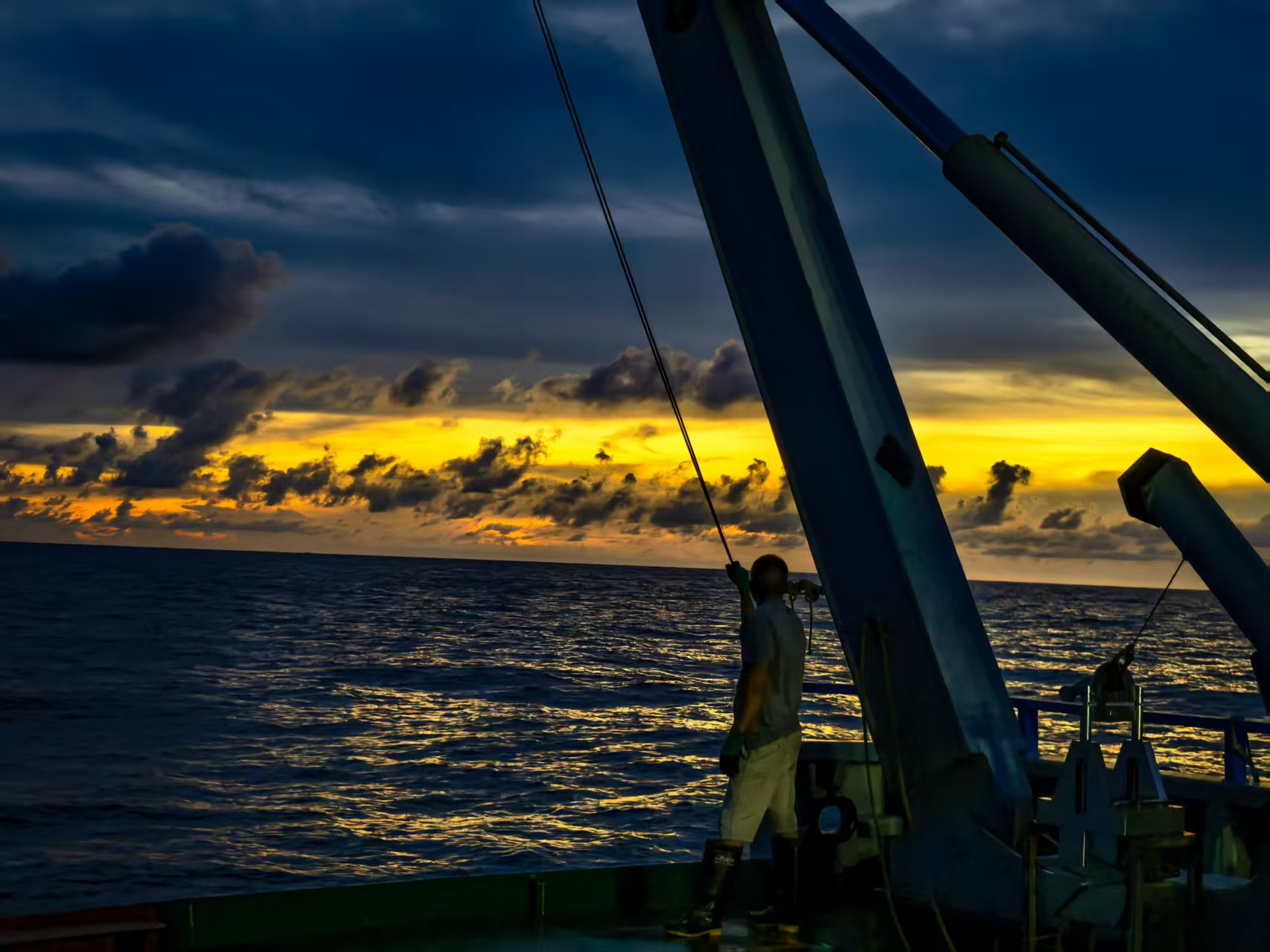
“Sunset-colored sky” on the night before returning.

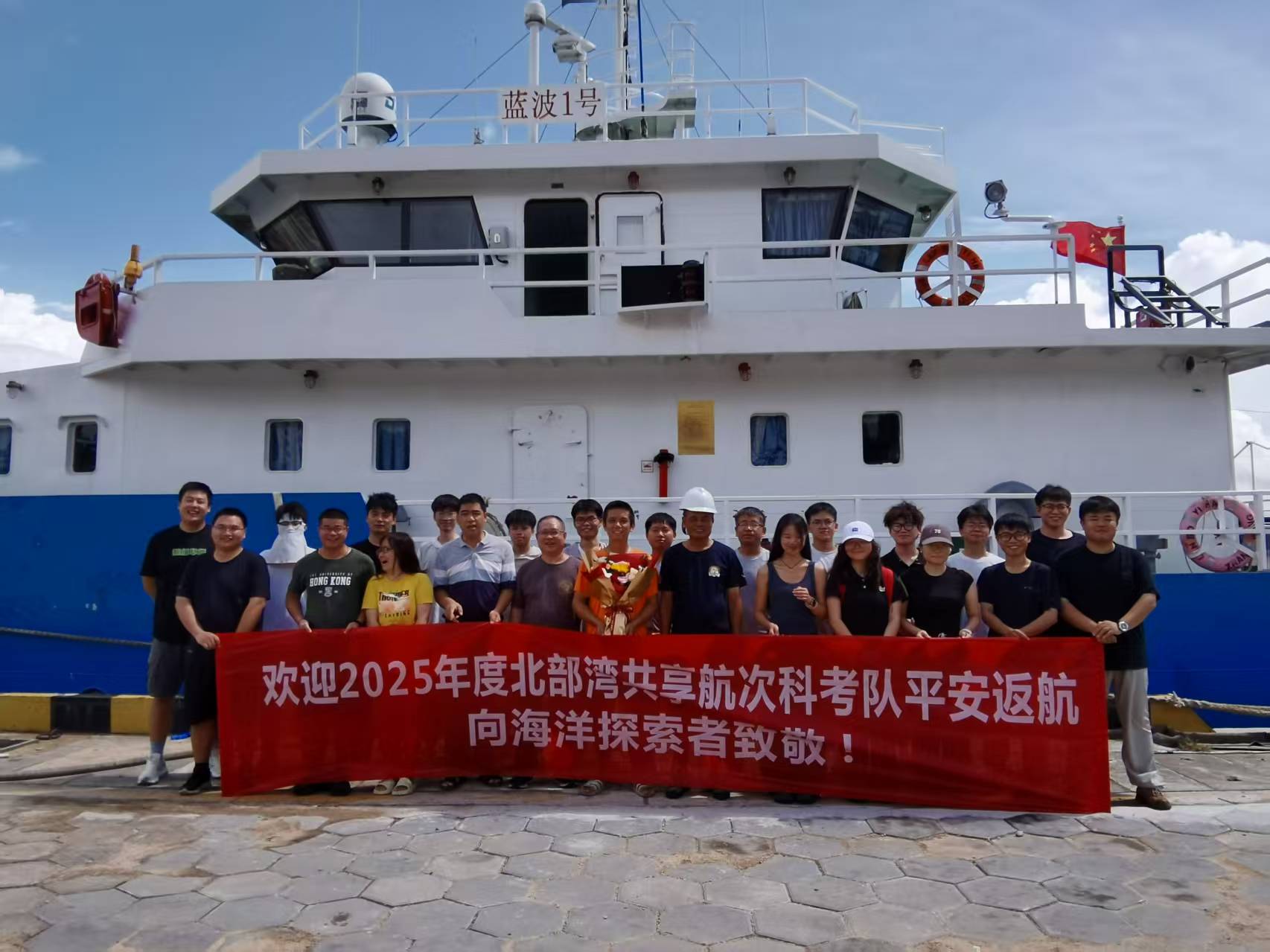
Closing group photo of all researchers and crew members~

(written by Zhao Hangyi)

Li Jing’s review paper accepted for publication in CARR

On July 23, Li Jing’s new paper entitled ‘Advances in the Design of Urban CO2 Emission Monitoring Networks:A Review‘ was accepted for publication in Carbon Research. It is a nice and very useful review paper. Congratulations!

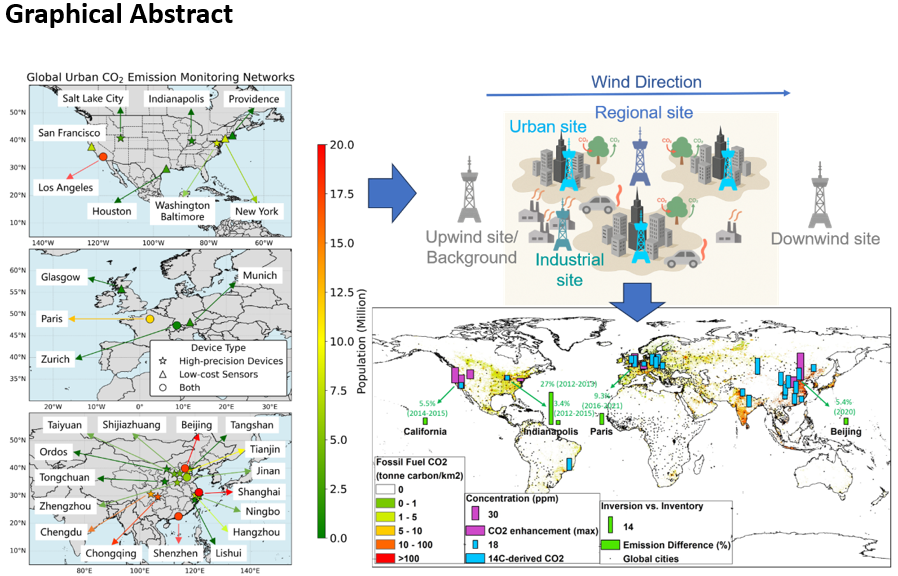
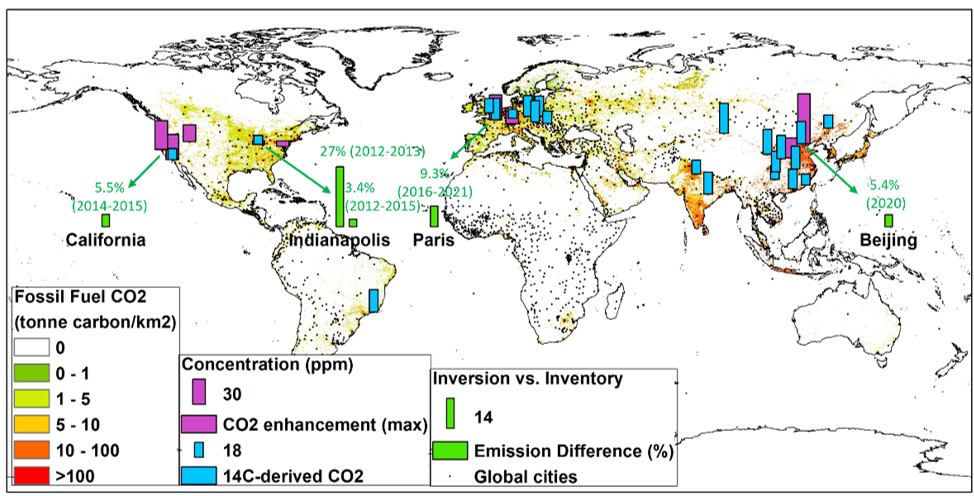
Figure 4. Global city-scale carbon emissions. The pink bars indicate city-wide atmospheric CO₂ enhancements relative to background levels (see Table 1), while the blue bars represent ¹⁴C-derived FFCO₂ emissions, the green bars represent differences between posterior (inversion) and prior (inventory) FFCO₂ emissions (see Table 3). The inversion results shown here are derived from well-documented urban CO2 monitoring networks that utilize tower-based or surface observations to support top-down validation of emission inventories. Dots mark the locations of global cities, overlaid on a colored background map showing fossil fuel CO₂ emissions in December 2022 from the ODIAC inventory (Open-source Data Inventory for Anthropogenic CO2)(Tomohiro & Shamil, 2015). The 14C-derived fossil fuel CO₂ including data from (W. J. Zhou et al., 2020) (Urumqi, Harbin, Guiyang, Lanzhou, Chongqing, Xi’an, Beijing, Wuhan), (Niu et al., 2016) (Xiamen), (Ding et al., 2013) (Guangzhou), (Sharma et al., 2023) (Indian), (Santos et al., 2019) (Rio de Janeiro), (Miller et al., 2020) (Los Angeles), (Turnbull et al., 2015) (Indianapolis), (Zazzeri et al., 2023) (London),(Lopez et al., 2013) (Paris), (Molnár et al., 2010) (Debrecen), (Levin & Rödenbeck, 2008) (Heidelberg), (Svetlik et al., 2010)(Bratislava, Prague), (Piotrowska et al., 2020) (Gliwice), (Zimnoch et al., 2012) (Krakow).