所有由Xiao Yuwei发布的文章

Red River Sampling Campaign of Linbo

From the 18th to 30th of January 2026, Linbo Yu visited Hanoi, the capital of Vietnam, to conduct a sampling campaign on emerging contaminants in the Red River Basin. A total of nine sets of surface water samples were collected with the assistance from Prof. Tu Binh Minh’s team at Vietnam National University, Hanoi.

The sampling sites covered both the mainstream and major tributaries of the Red River, including cities such as Hanoi, Hung Yen, and Hai Duong, as well as Ba Lat Estuary and Hai Phong Port, where the mainstream and tributaries discharge to the Beibu Gulf, respectively. An additional set of samples from Ha Long Bay were also collected. This campaign serves as a valuable supplement to the recent winter scientific expedition to the Beibu Gulf carried out by Yuxin and Hangyi, which aims to gain insights into the contamination status of this region.

Apart from the field work, Linbo also received warm hospitality from Prof. Minh’s team: Dr. Nguyen Xuyen and Mr. Dao Duy Anh helped extensively in Linbo’s settlement and sampling work, took him on a cultural tour to Hanoi’s iconic historic sites and explored local cuisine.
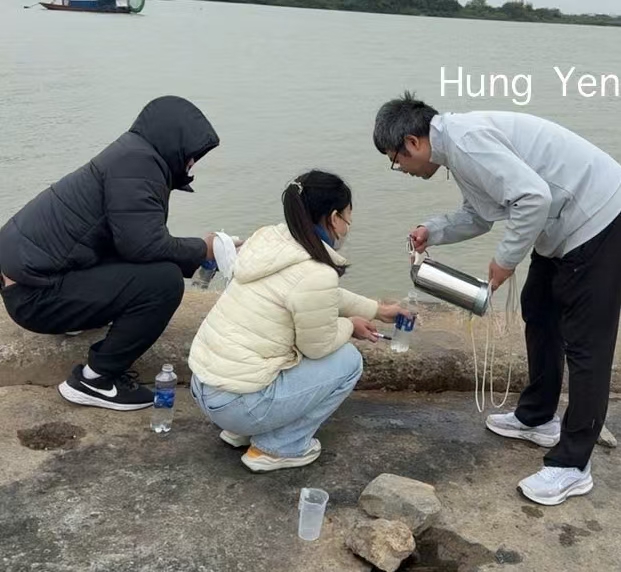
Working with the team from VNU Hanoi at the Hung Yen sampling site.
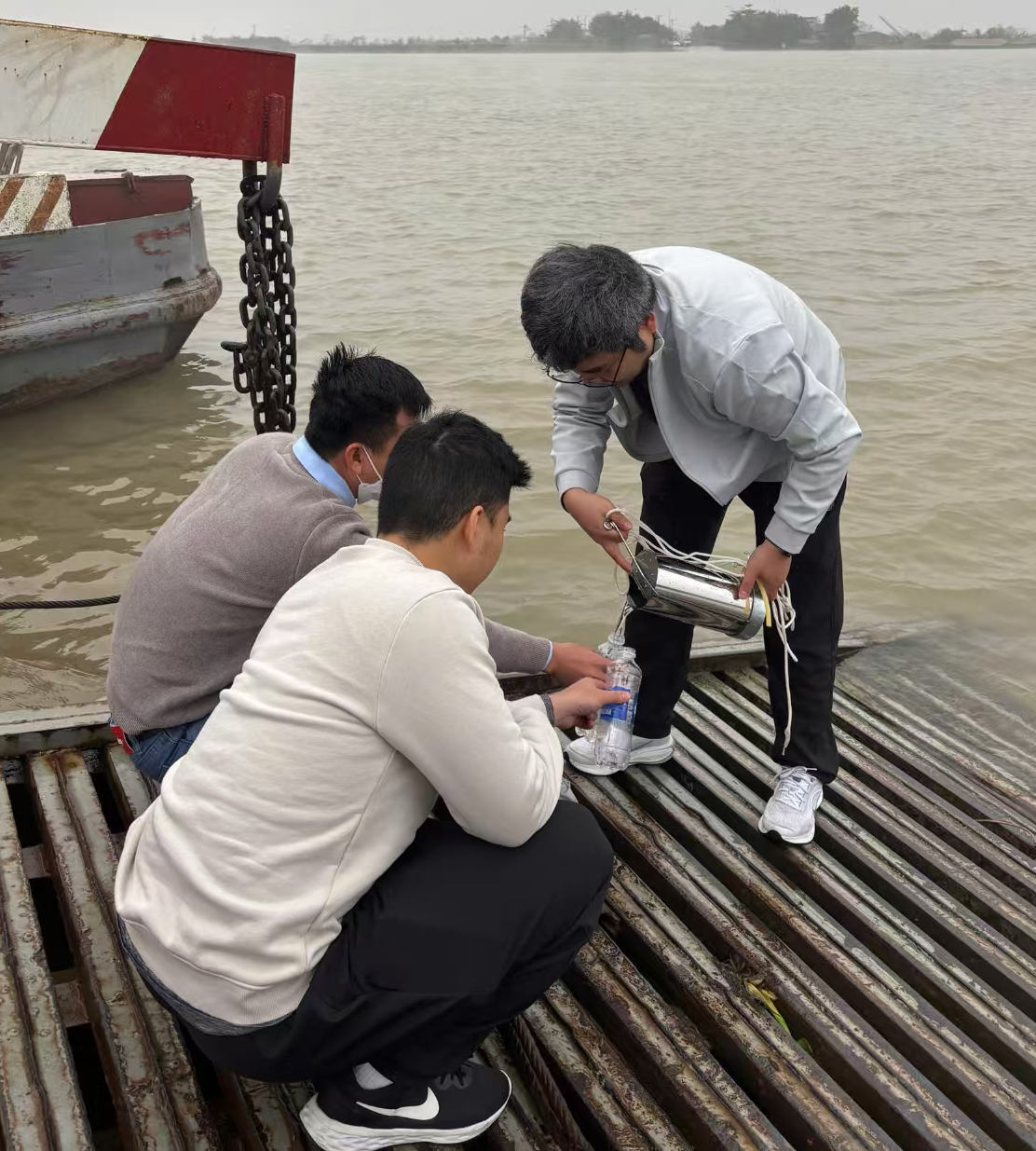
 

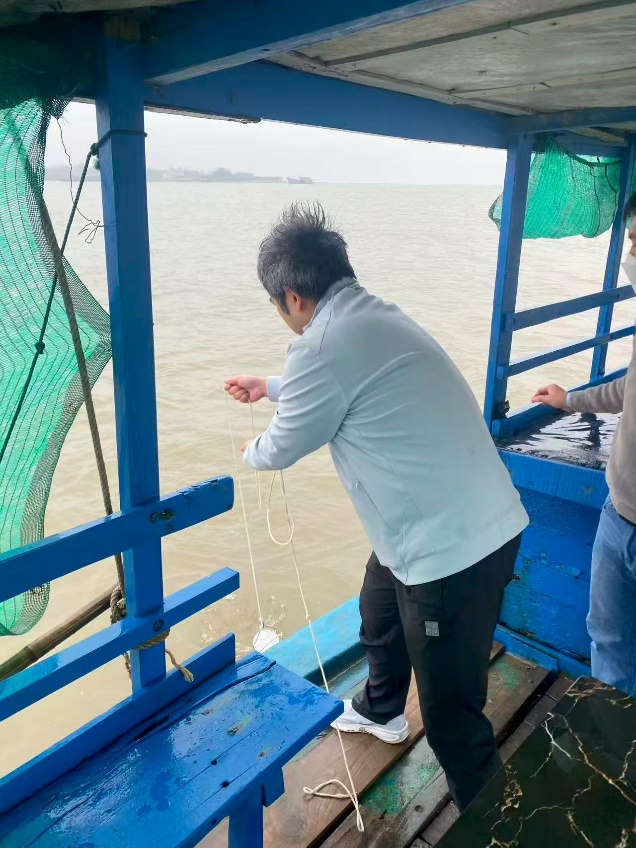
Working aboard a local boat at the Ba Lat Estuary.
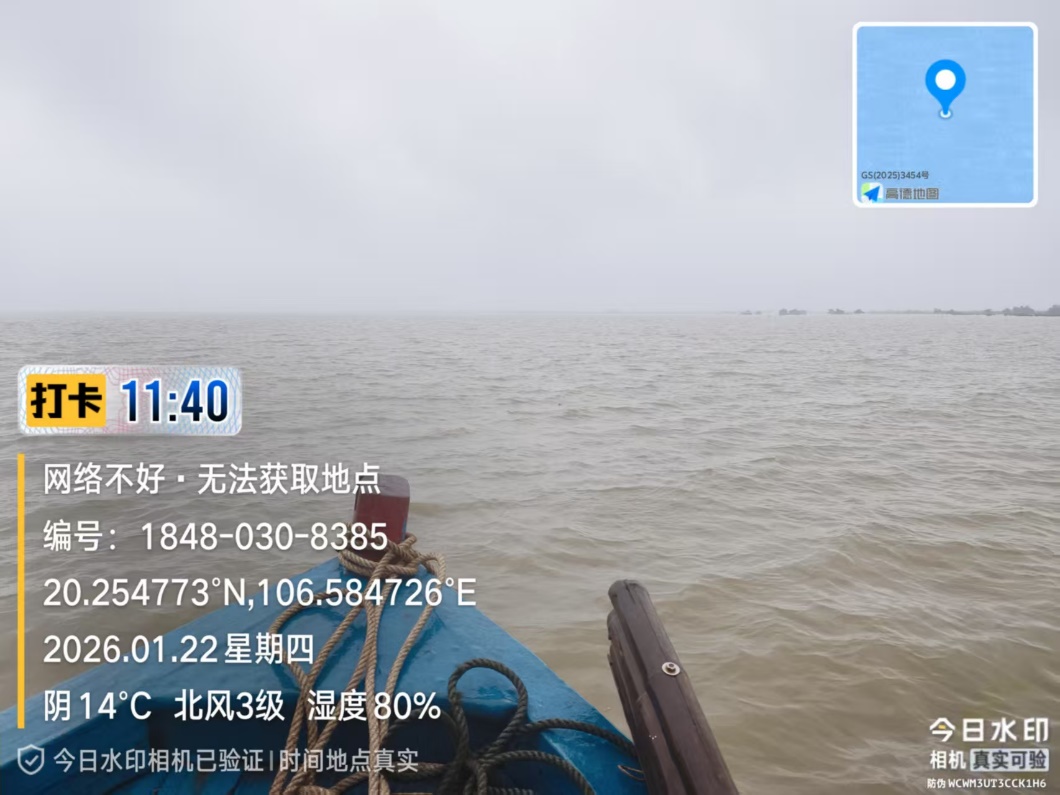
On-site record at Ba Lat Estuary, where mainstream of the Red River discharges to the Beibu Gulf.
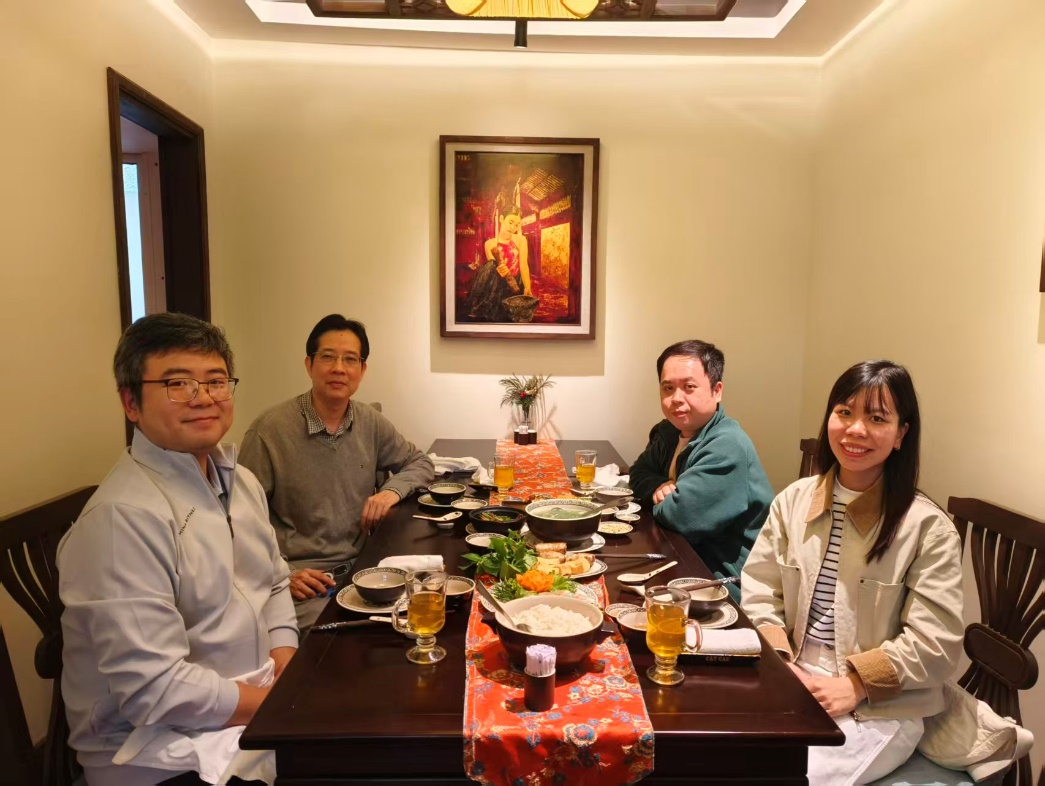
First day touch-base with Prof. Tu Binh Minh, Dr. Hoang Quoc Anh, and Dr. Nguyen Xuyen.
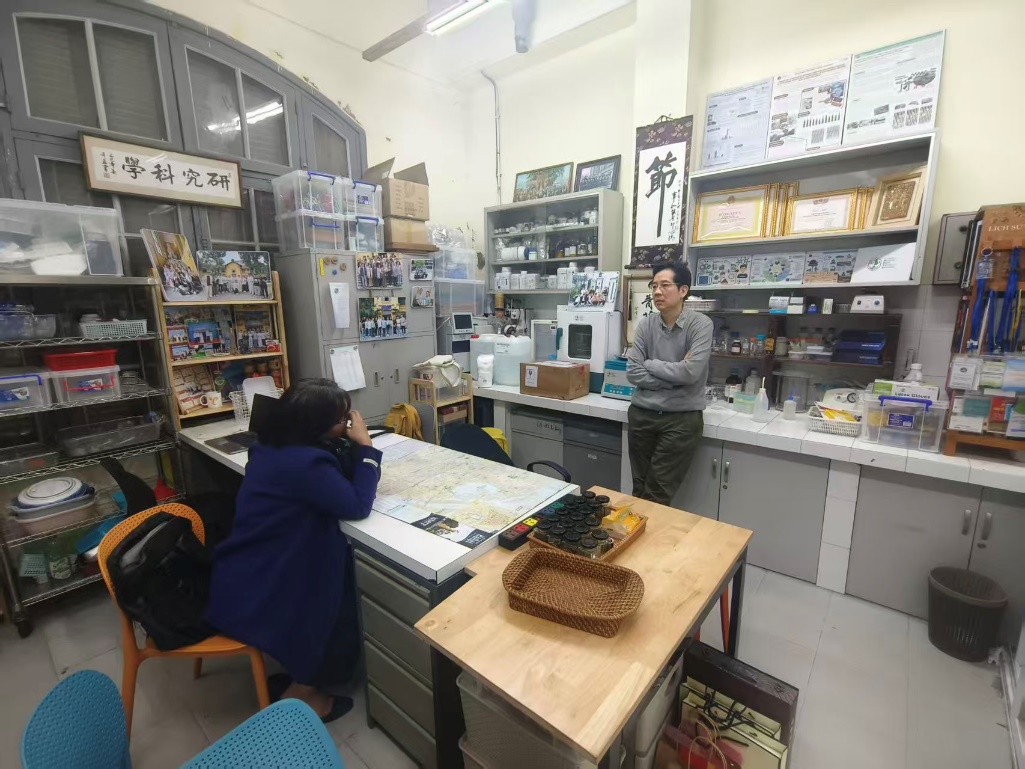
Discission on sampling plans with Prof. Minh and Prof. Tham in Dr. Quoc Anh’s lab/office, Department of Analytical Chemistry, VNU Hanoi.
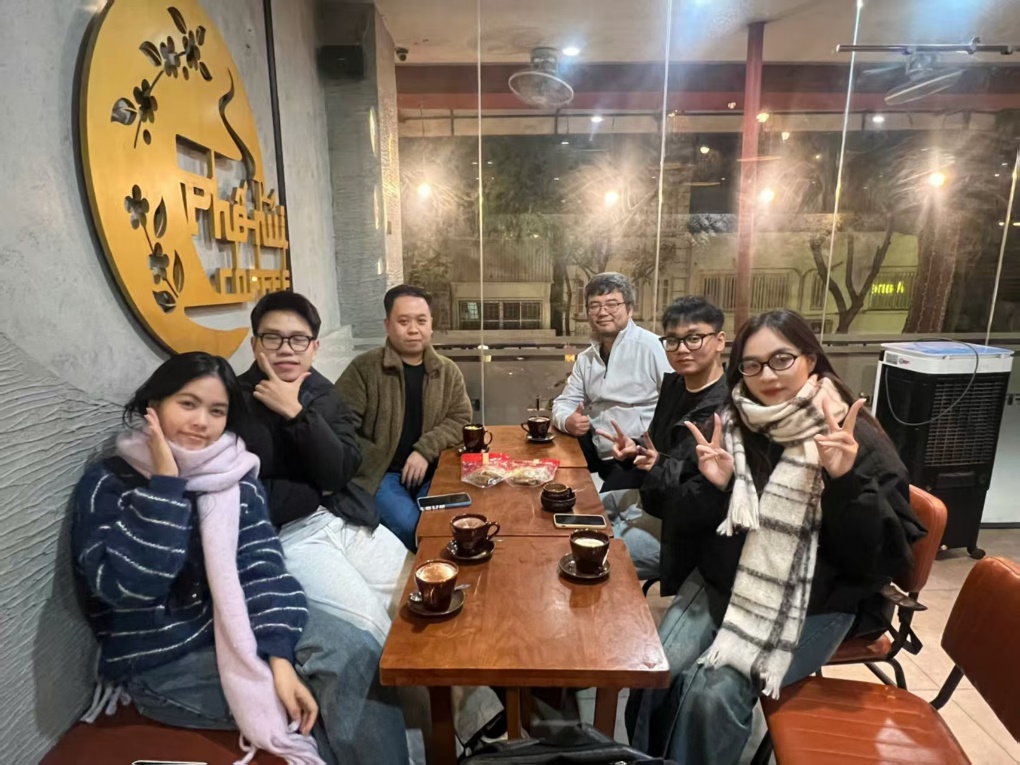
Dinner and coffee with Dr. Hoang Quoc Anh and his undergraduate students.
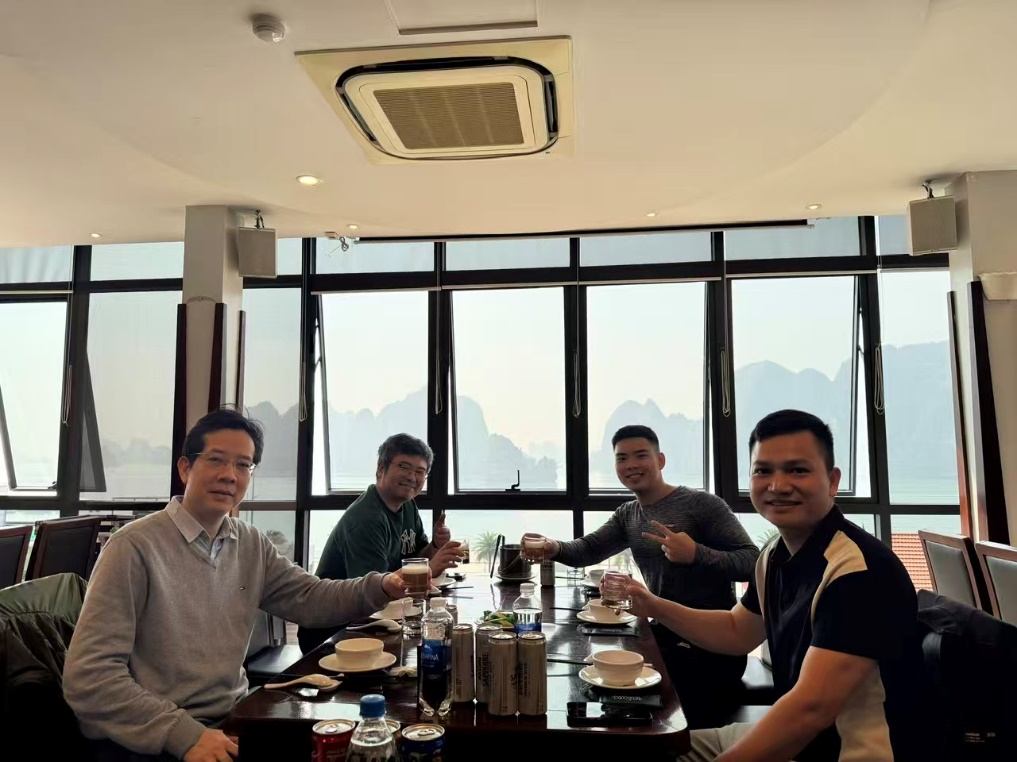
Trip to Ha Long Bay with Prof. Minh and his team.
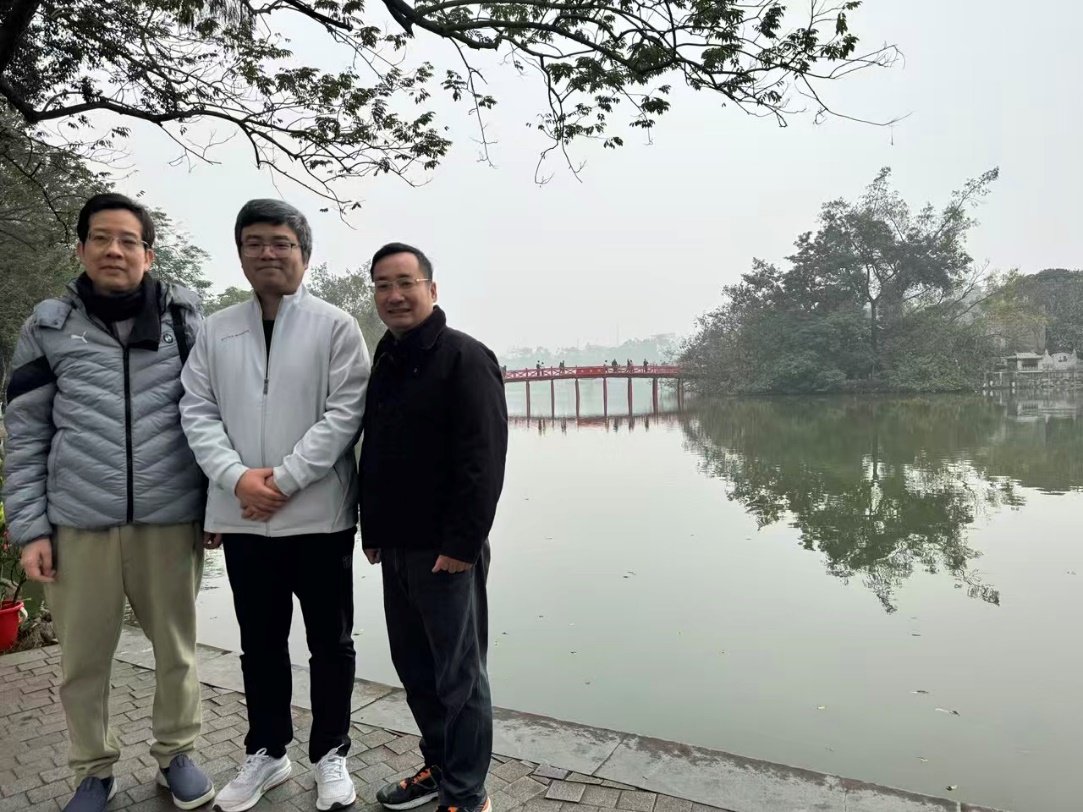
With Prof. Minh and Prof. Tri at Hoan Kiem Lake (还剑湖), Hanoi
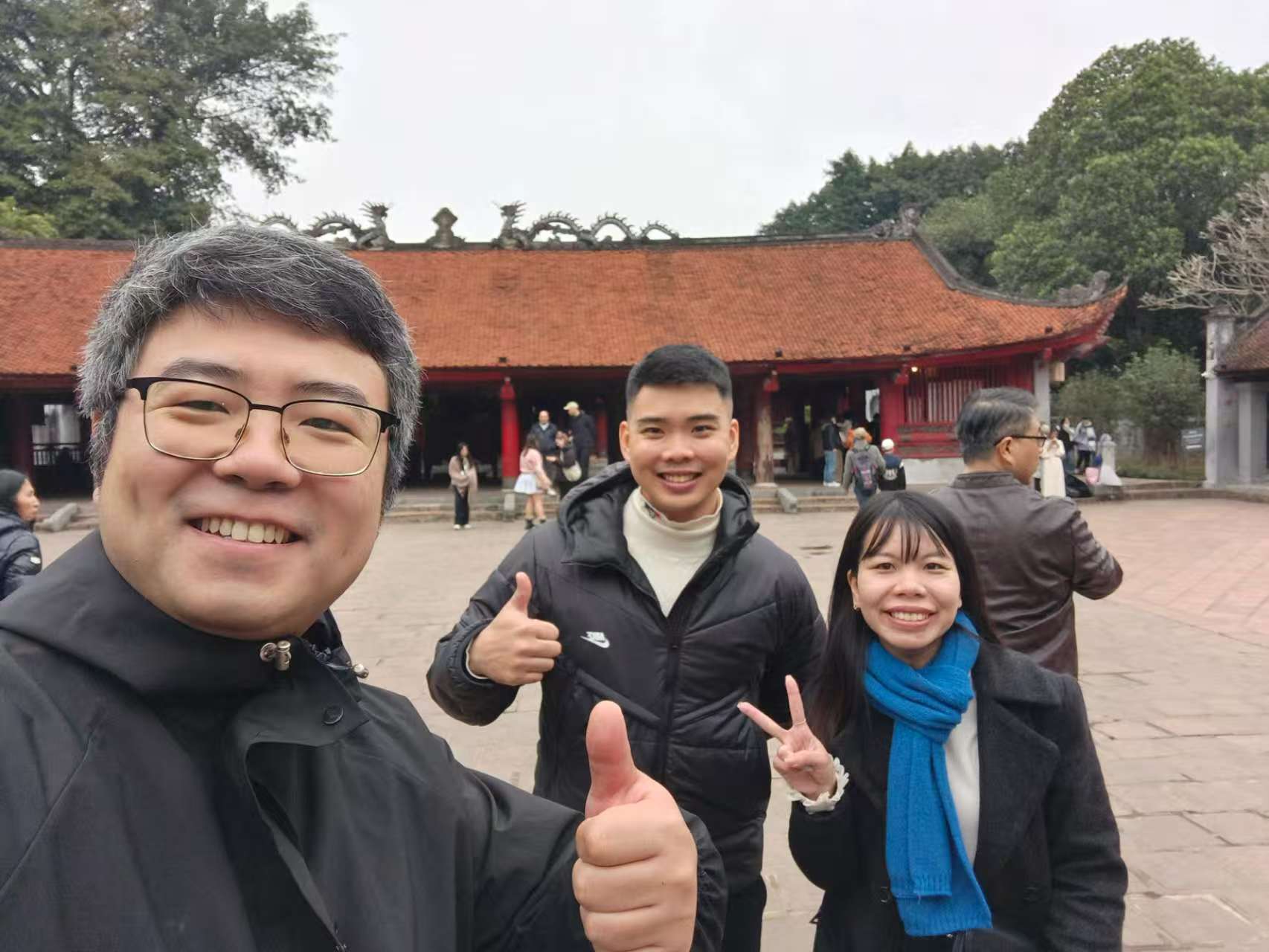
With Xuyen and Ahn at Van Mieu (文庙) of Hanoi, an iconic historic site of cultural significance.

(Written by  Linbo)


The Beibu Gulf Winter Scientific Expedition

From January 6 to 26,Yuxin carried out a 20-day sampling mission aboard the research vessel Lanbo 1 in the Beibu Gulf. During this expedition, a rich collection of atmospheric, seawater, and sediment samples was successfully obtained.

These samples, together with those collected by Hangyi during the summer of 2025, will jointly support ongoing research on marine environmental pollution processes in the region. The integrated dataset is expected to provide crucial insights into the current environmental status of the Beibu Gulf.

For Yuxin, the journey was not only scientifically fruitful but also a memorable life experience. He witnessed breathtaking sunrises and sunsets over the sea and gained a deeper appreciation for the unique stories that unfold through scientific exploration.

And the nearshore work was completed by Hangyi and Xuelin.Hangyi was responsible for onboard sampling, mainly collecting water and sediment samples, while Xuelin conducted the pretreatment of the large-volume water samples in the laboratory at Beibu Gulf University. Both of them successfully accomplished their tasks.

The first device set up in the laboratory
The atmospheric sampler in the sky
Yuxin fetching water

Beautiful sky and clouds
Plastic debris hauled up by the A-frame trawl
People conducting sampling nearshore
We, from GIG(广州地化所),BBGU(湾大),GDOU(广东海大),JOU(江苏海大),OUC(中国海大),IDSSE(深海所),4IO(海洋四所),IO(海洋所)

Sampling mission successfully completed

(written by Zhang Yuxin)

Professor Wang Lei from Nankai University Delivers an Academic Talk

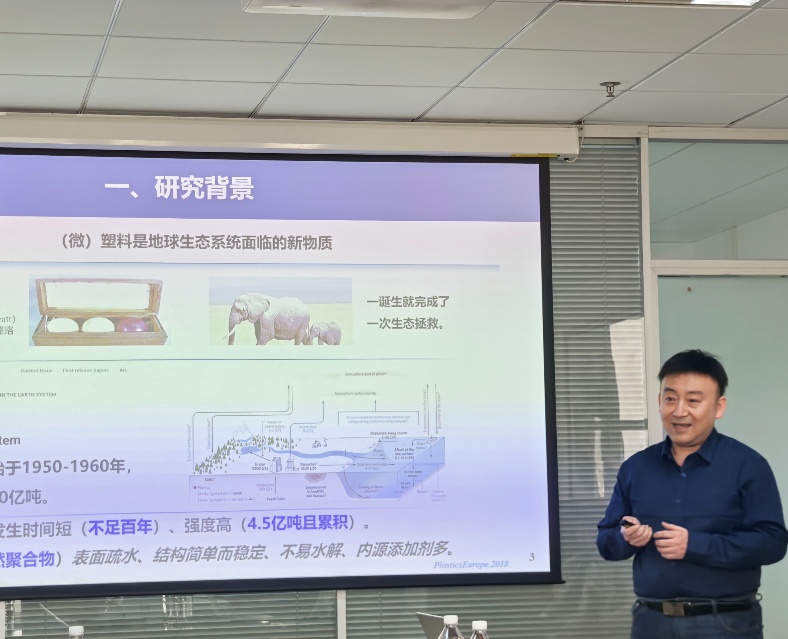
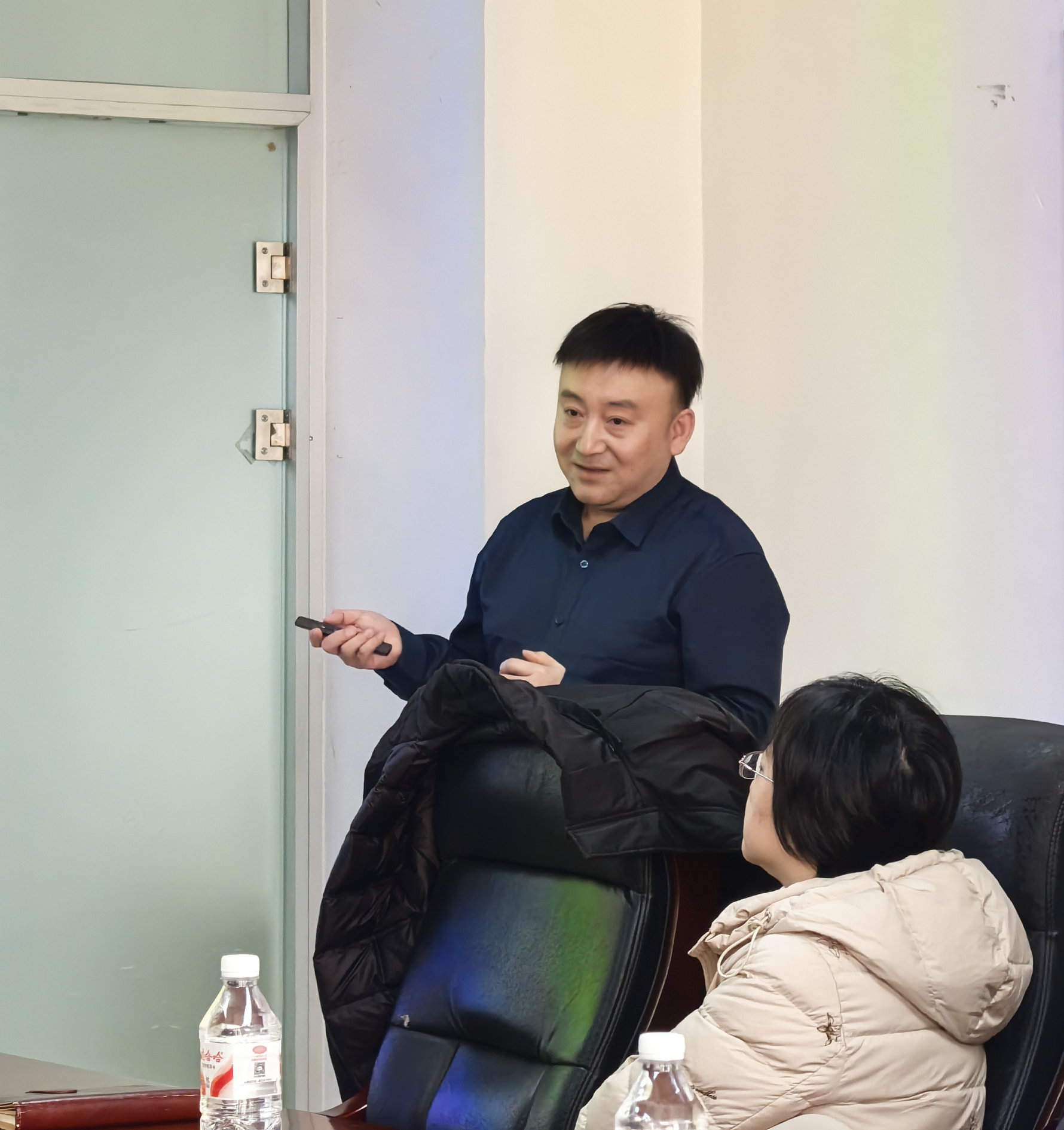
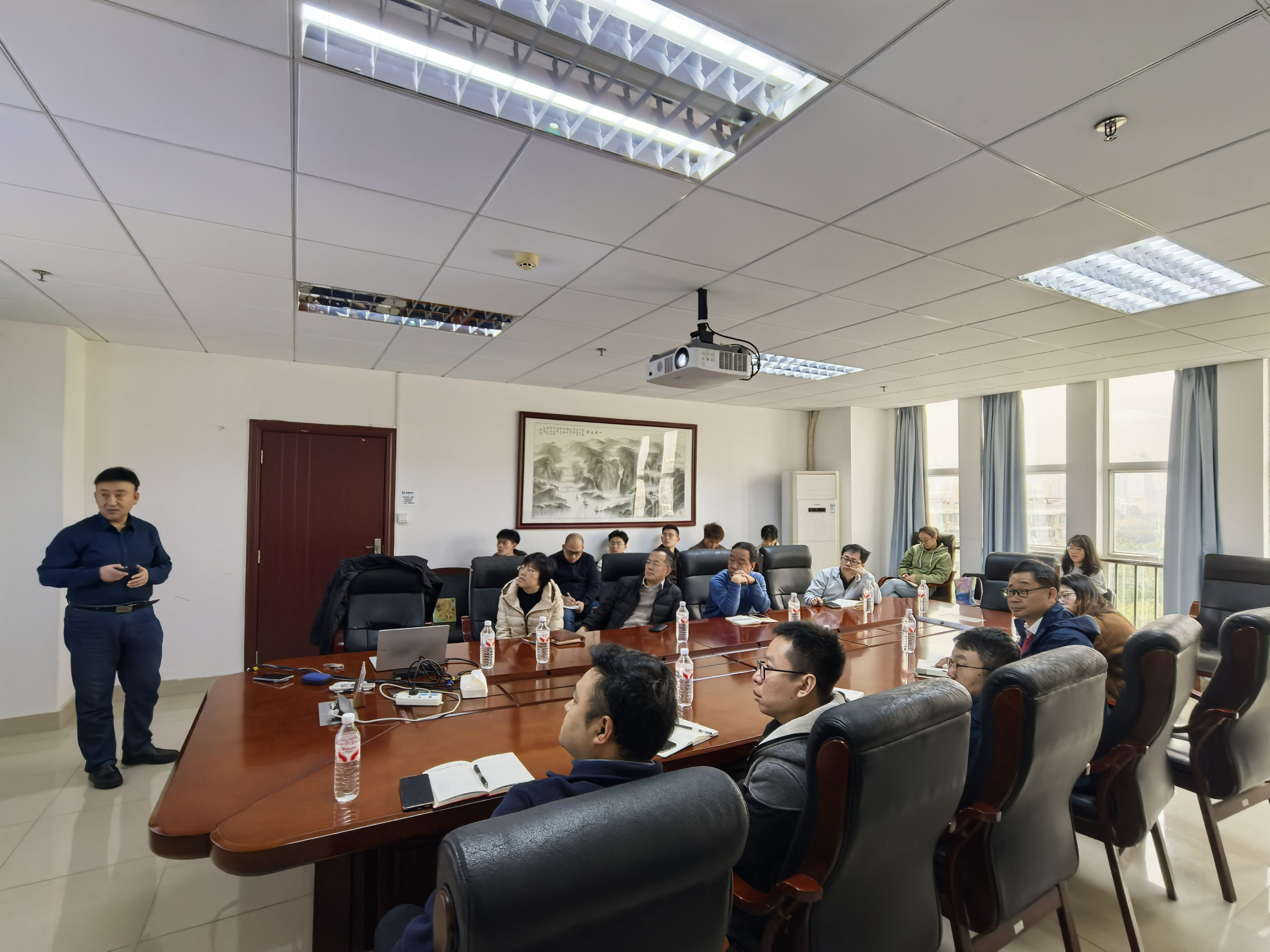
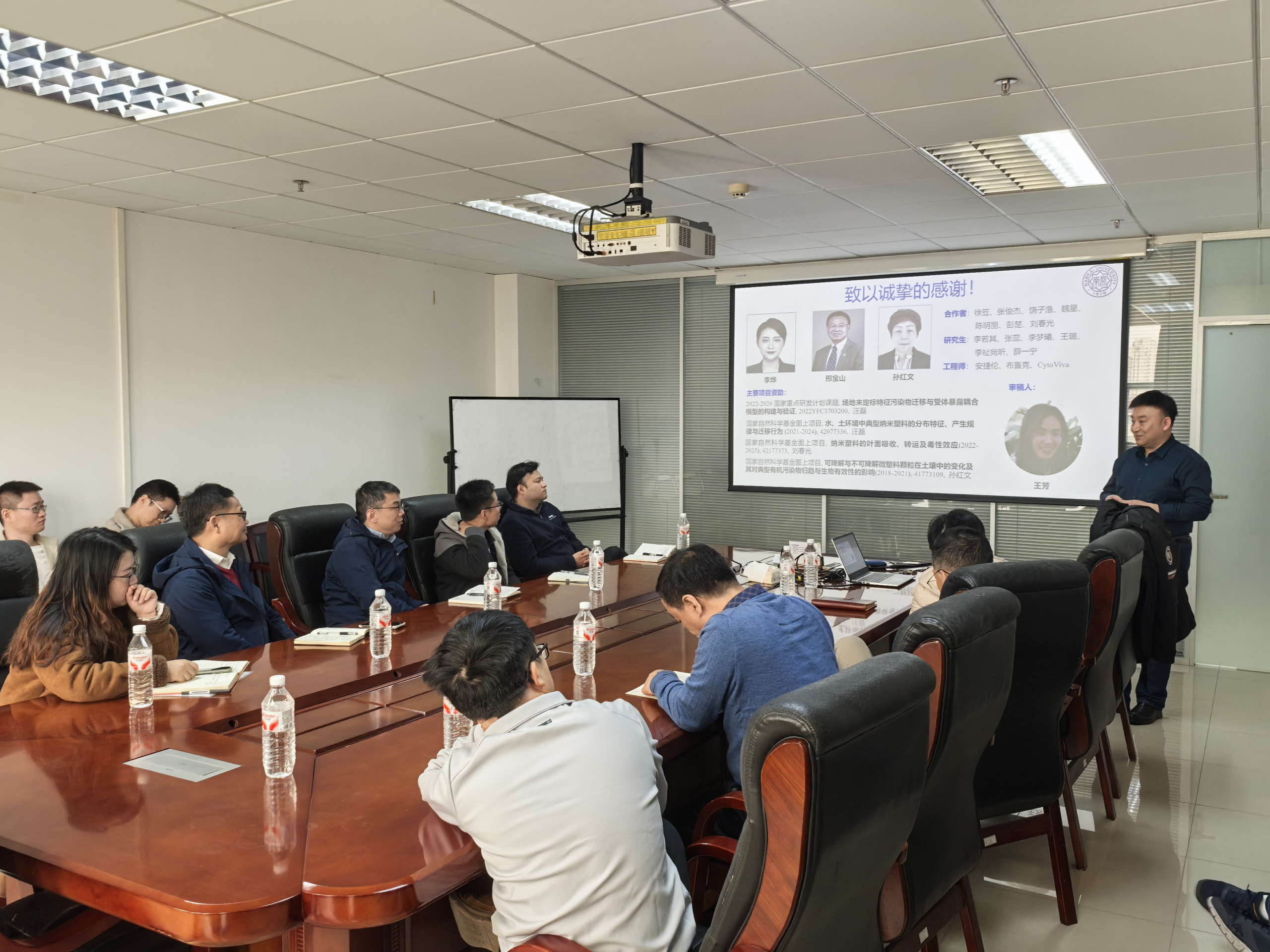
On January 5, Professor Wang Lei (汪磊) from Nankai University was invited to deliver an academic talk at SKLAET entitled ‘Initial Insights into Biological Exposure Behaviors of Environmental Microplastics’ (环境微塑料的生物暴露行为初探).The talk focused on recent advances in environmental microplastics research and systematically introduced analytical methods, major biological exposure pathways, as well as the associated environmental and health risks of microplastics.

During the talk, Professor Wang highlighted his team’s recent Nature publication, ‘Leaf absorption contributes to accumulation of microplastics in plants.’ This study elucidates the dominant pathways and underlying mechanisms of microplastic uptake by plants, providing new scientific evidence for understanding the transport and accumulation of microplastics in terrestrial ecosystems. In addition, Professor Wang shared insights from his own research experience, including the conceptual framing of the study, research strategies, and reflections on the experience of manuscript preparation and publication.

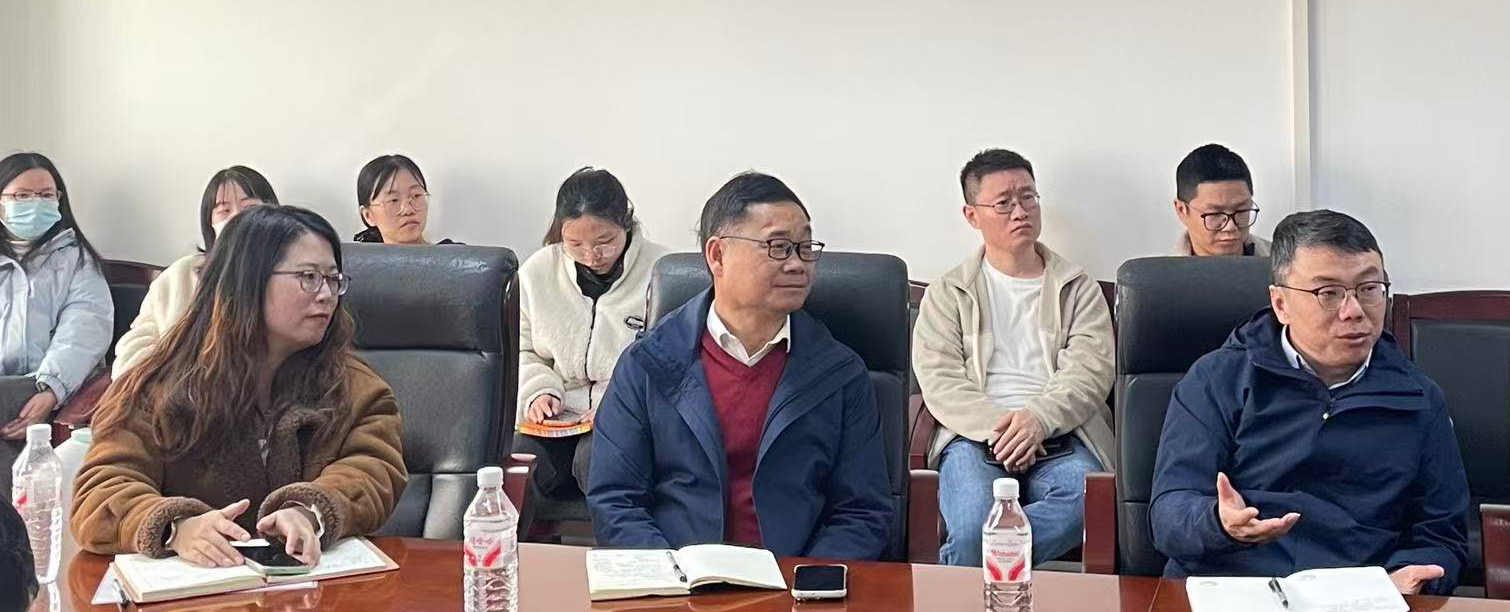
The talk attracted broad participation from researchers and graduate students at SKLAET and stimulated lively discussions on the impacts of environmental microplastic exposure on physiological functions, as well as on approaches for characterizing and assessing health risks associated with microplastic exposure.

(Written by Jianchu)