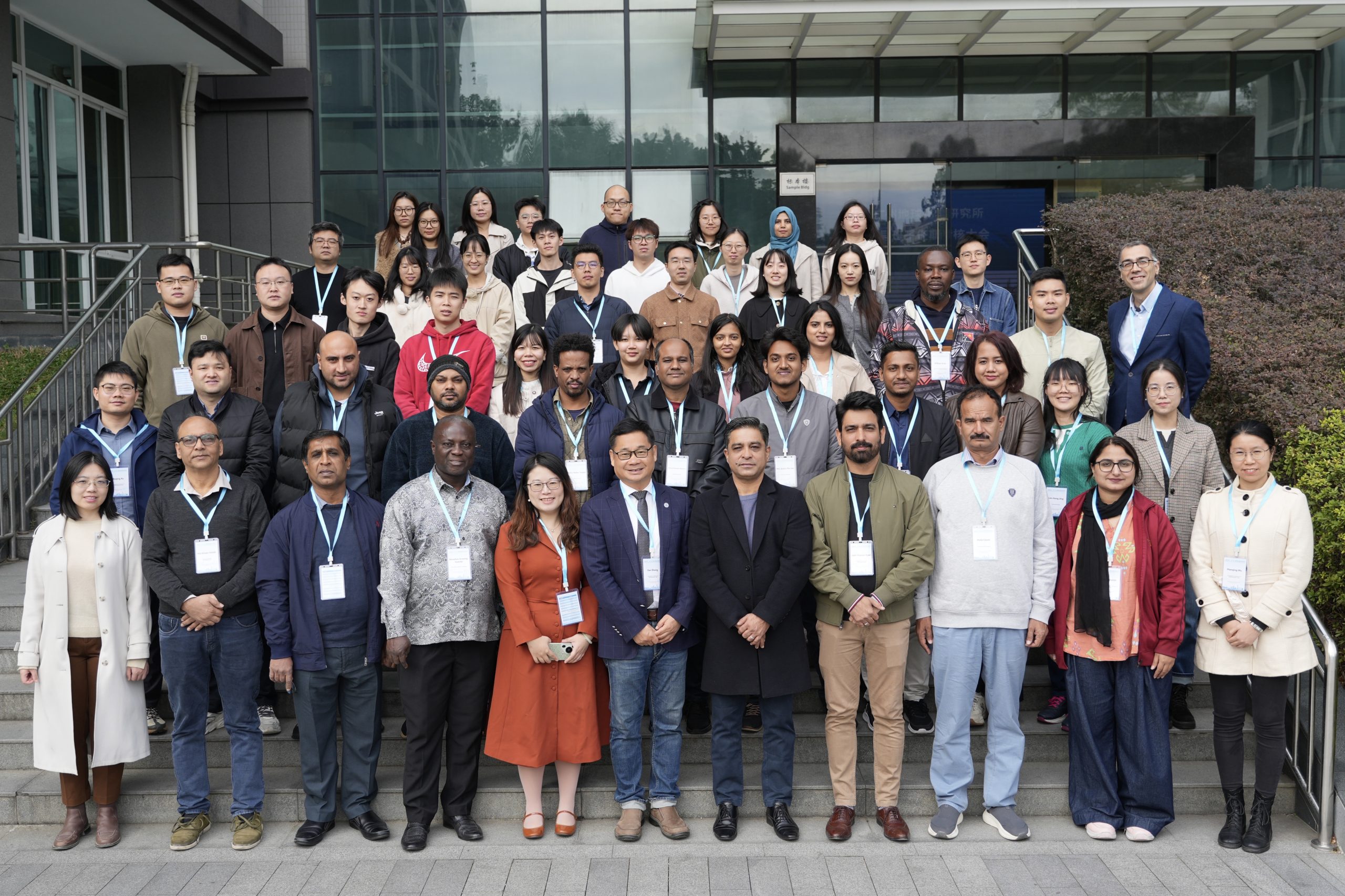
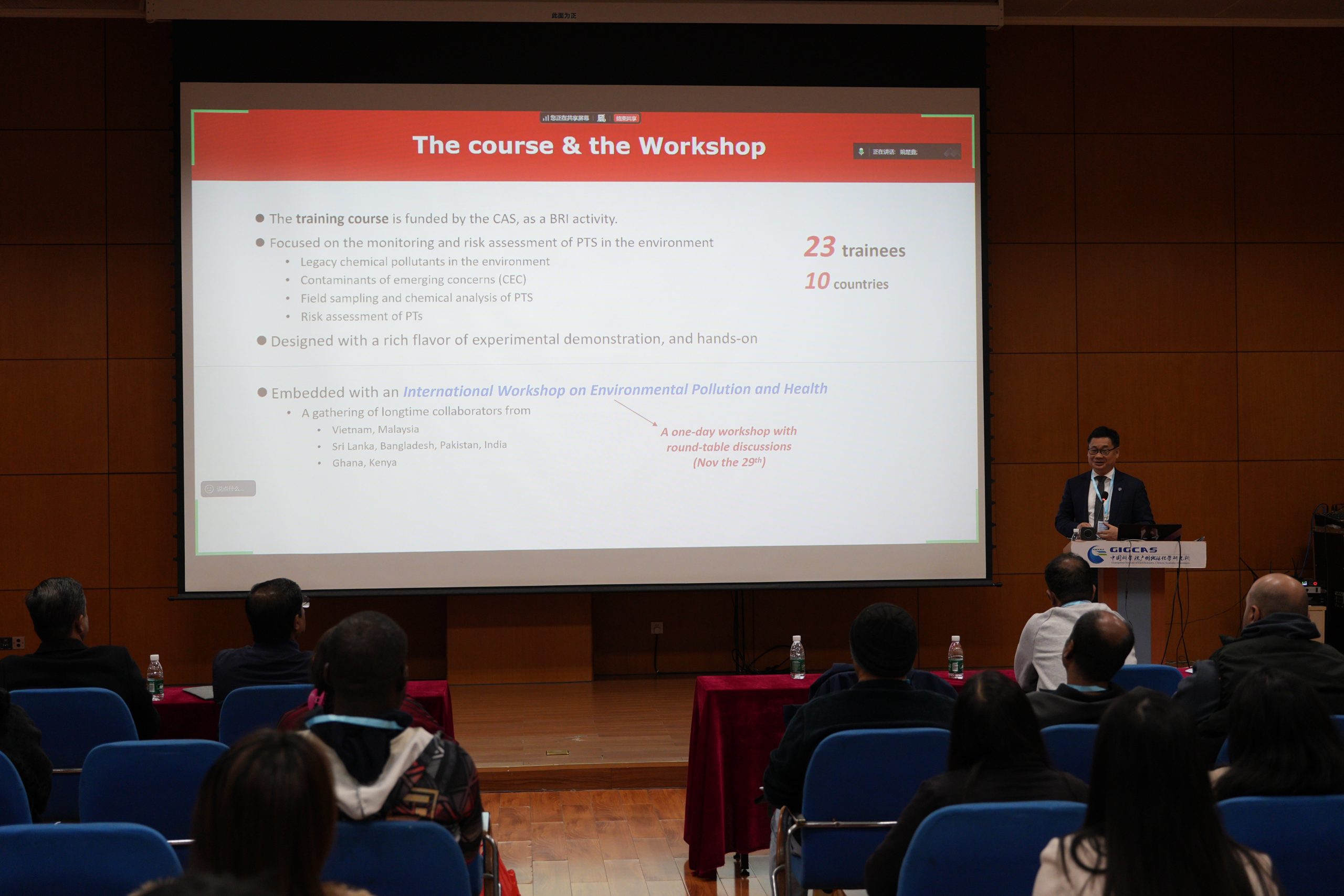
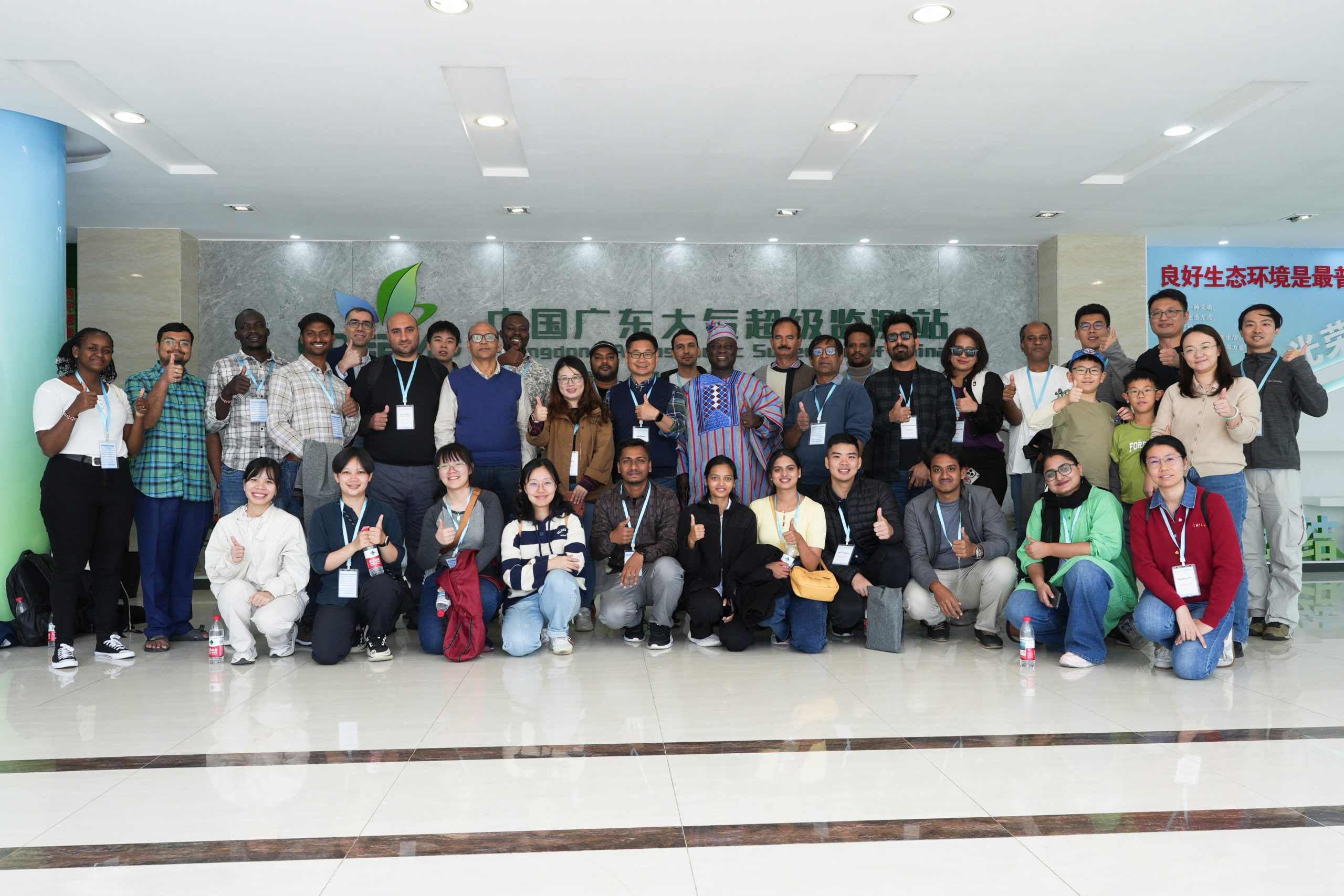
On December 4, 2025, our group successfully concluded the Belt and Road Initiative (BRI) and Developing Countries Training Course on “Monitoring and Risk Assessment of Persistent Toxic Substances along the 21st Century Maritime Silk Road”. The two-week programme brought together 25 participants from 12 countries, including India, Pakistan, Bangladesh, Sri Lanka, Kenya, Ghana, Thailand, Vietnam, Malaysia, Myanmar, and Ethiopia. All participants successfully completed the course and were awarded certificates of completion.
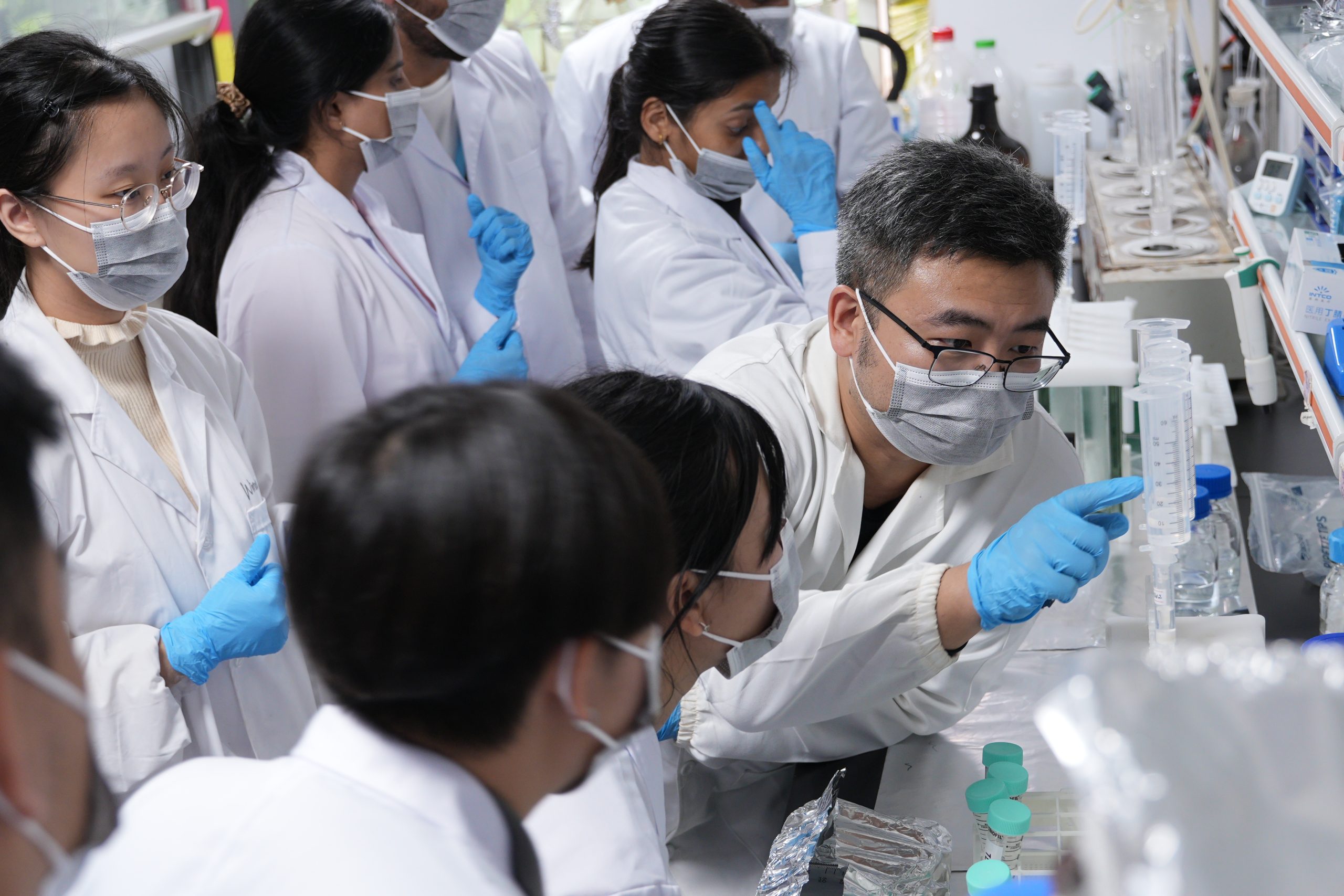
The training course was designed to strengthen scientific capacity in environmental monitoring and risk assessment through a combination of thematic lectures, laboratory-based training, and field investigations. The curriculum was structured around five core modules: chemical pollution, passive sampling techniques, sample pretreatment and instrumental analysis, risk assessment of contaminated sites, and global chemicals policy trends.
Key topics covered during the course included passive sampling of persistent organic pollutants (POPs) in air and water, applications of diffusive gradients in thin films (DGT) for environmental monitoring, chemical pretreatment workflows for environmental samples, environmental behavior of antibiotic resistance genes and heavy metals, fate and effects of typical POPs and mercury (Hg), principles and applications of gas and liquid chromatography–mass spectrometry (GC-MS and LC-MS), environmental DNA (eDNA) techniques for biodiversity monitoring, and regional air pollution control strategies.
At the opening session, representatives from the international cooperation system of the Chinese Academy of Sciences extended a warm welcome to all participants. Our group introduced the overall course design, learning objectives, and organizational arrangements, and coordinated the academic and practical components throughout the programme.
More than 20 experts from universities, international organizations, and research institutions participated as lecturers, reflecting the interdisciplinary and international nature of the course. Domestic experts came from leading universities in China, while international contributors included specialists from the United Nations Environment Programme system, as well as renowned universities in the United Kingdom and Southeast Asia. In addition, two visiting PIFI scholars from Bangladesh and Pakistan actively contributed to lectures and discussions, further strengthening South–South scientific exchange.
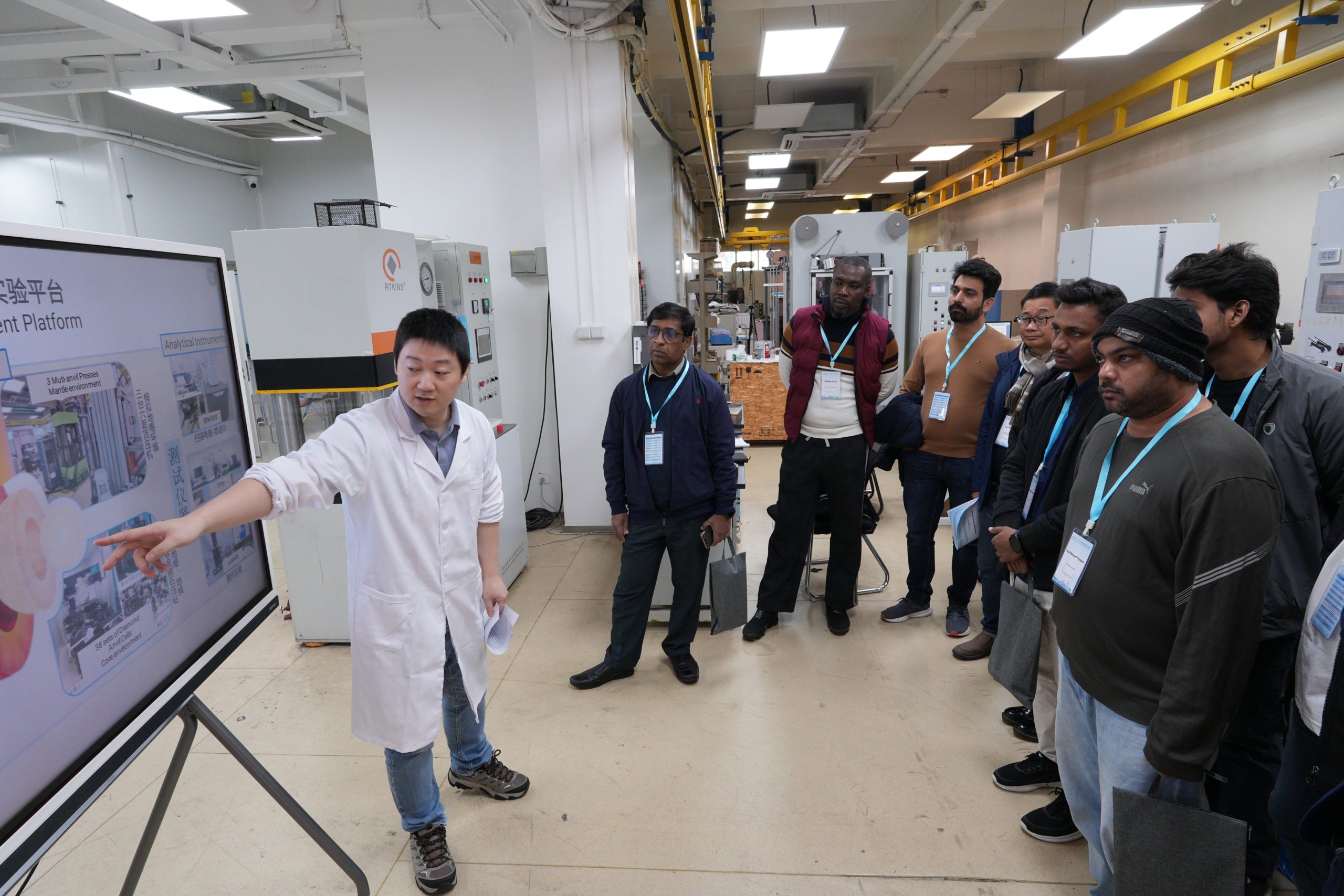
Technical experts from analytical instrument and laboratory service companies also participated in the programme, delivering hands-on training and live demonstrations focused on GC-MS and LC-MS applications and environmental sample pretreatment. These sessions provided participants with valuable practical experience and direct exposure to advanced analytical technologies widely used in environmental research.
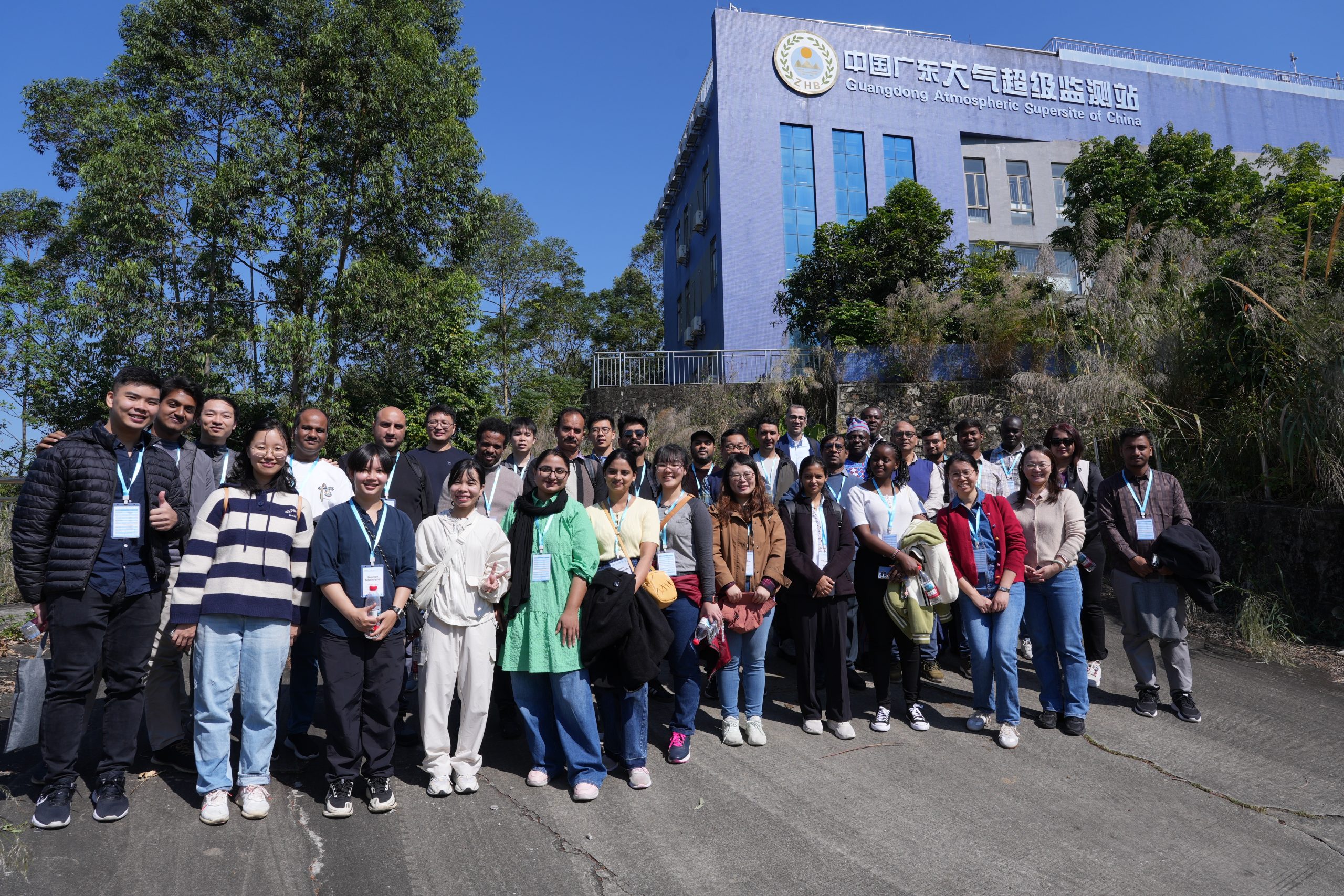
As part of the field training component, participants visited major atmospheric and wetland monitoring sites in Guangdong Province, gaining first-hand insight into integrated air and water environmental monitoring systems. A visit to a national nature reserve further introduced participants to long-term ecological research infrastructure, biodiversity conservation, and ecosystem monitoring practices in subtropical China.
A highlight of the training course was the “Co-creation Experiment” module. Participants were invited to bring drinking water samples from their home countries and collaboratively conduct trifluoroacetic acid (TFA) analysis using a unified analytical protocol. Within two days, the group completed TFA measurements for multiple countries and jointly produced a preliminary TFA concentration map along the Maritime Silk Road. During the final reporting session, a PhD student from India presented the co-creation results on behalf of all participants, demonstrating the effectiveness of collaborative, hands-on learning in an international training setting.
At the closing session, participants expressed strong appreciation for the course content, organization, and research platform, and many indicated their intention to pursue further training or establish long-term research collaboration with our group.
This BRI training course was supported by the international cooperation framework of the Chinese Academy of Sciences and aims to respond to the Belt and Road Initiative by enhancing scientific capacity building in developing countries. Our group hopes that, through a sustained series of training activities, partner institutions will continue to strengthen their capabilities in environmental monitoring and pollution control, foster long-term and stable collaboration mechanisms, and contribute to the development of an international research network on environmental pollution and health across countries and regions along the 21st Century Maritime Silk Road.