所有由Zhao Shizhen发布的文章

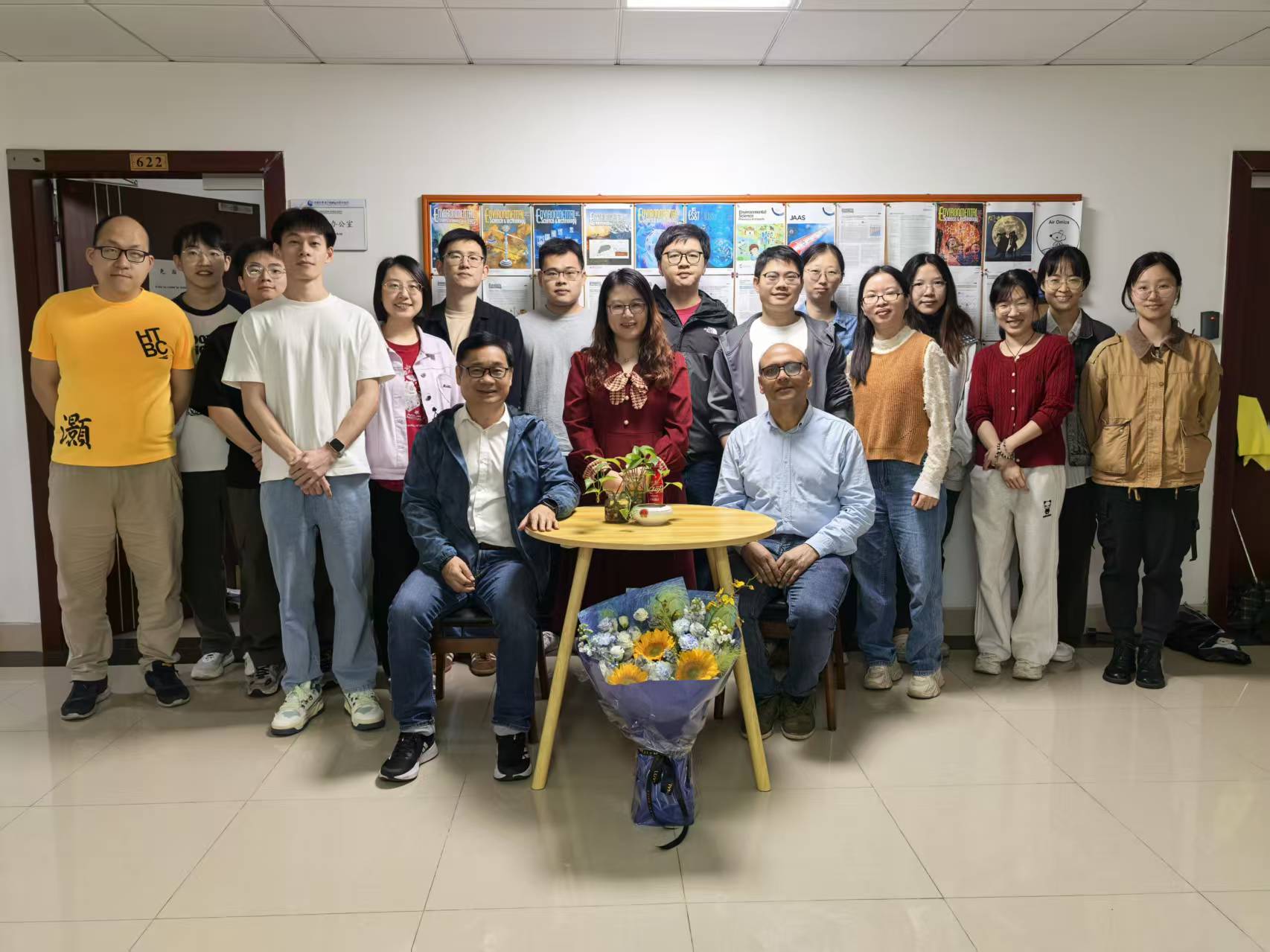
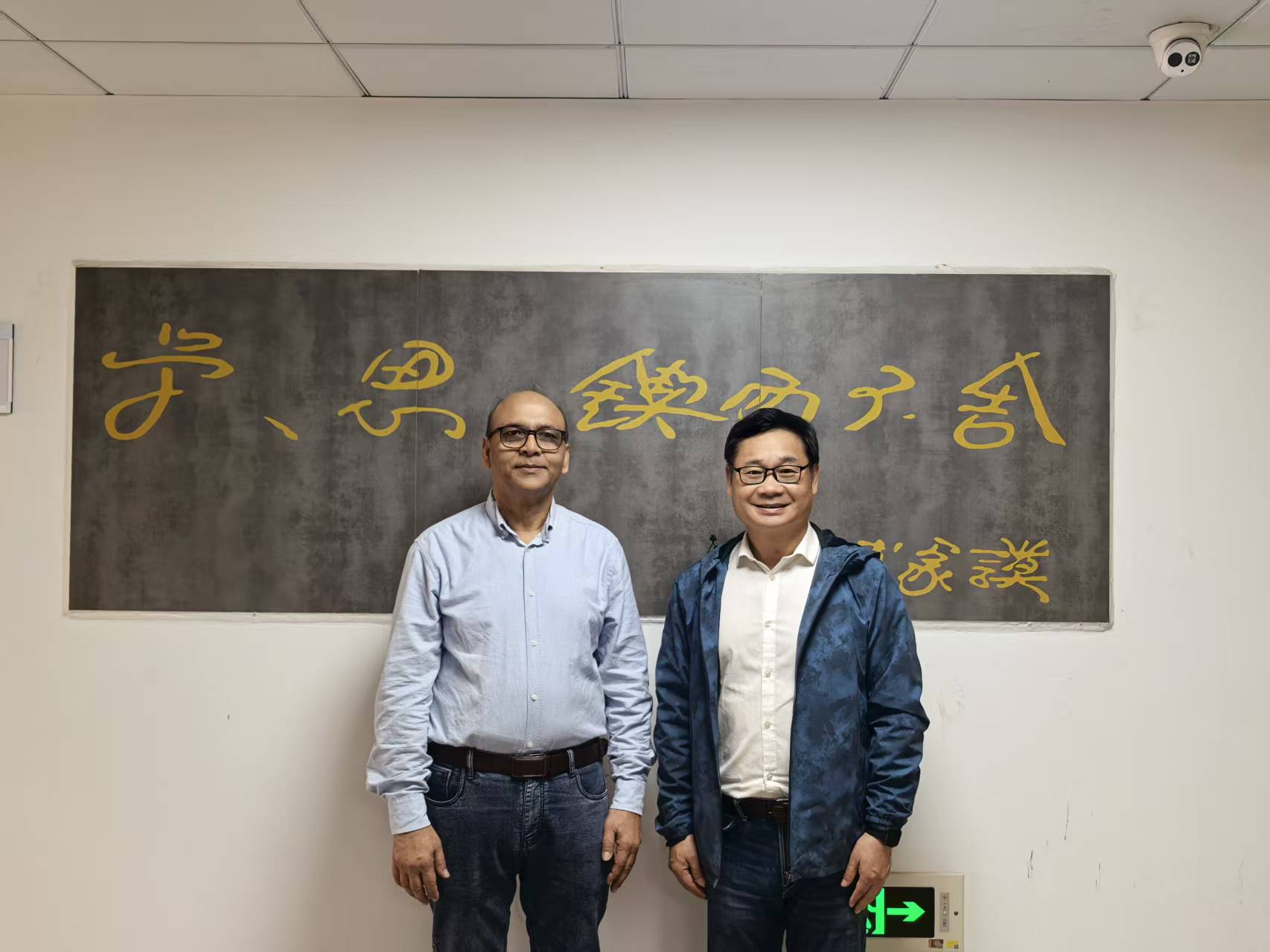
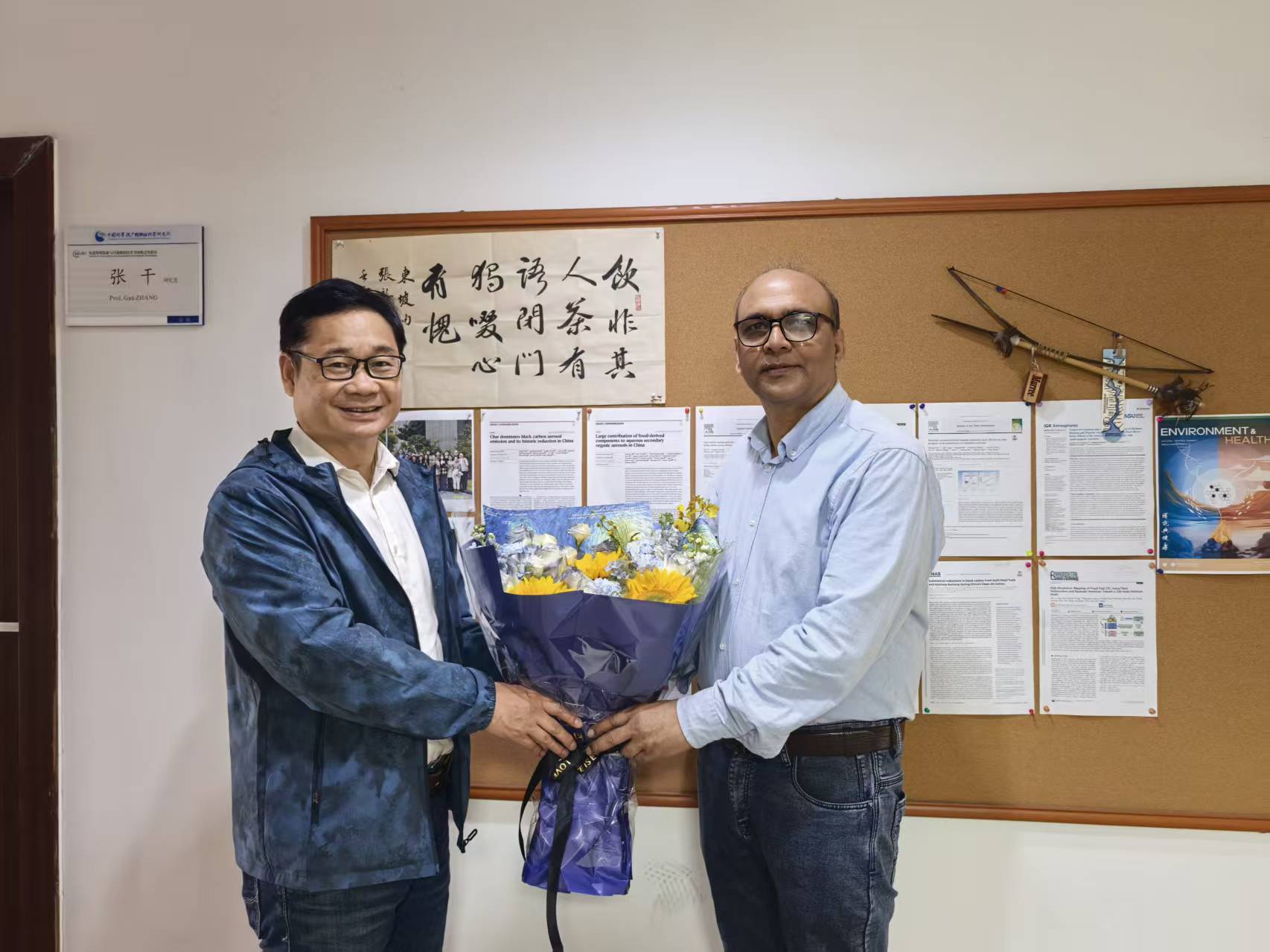
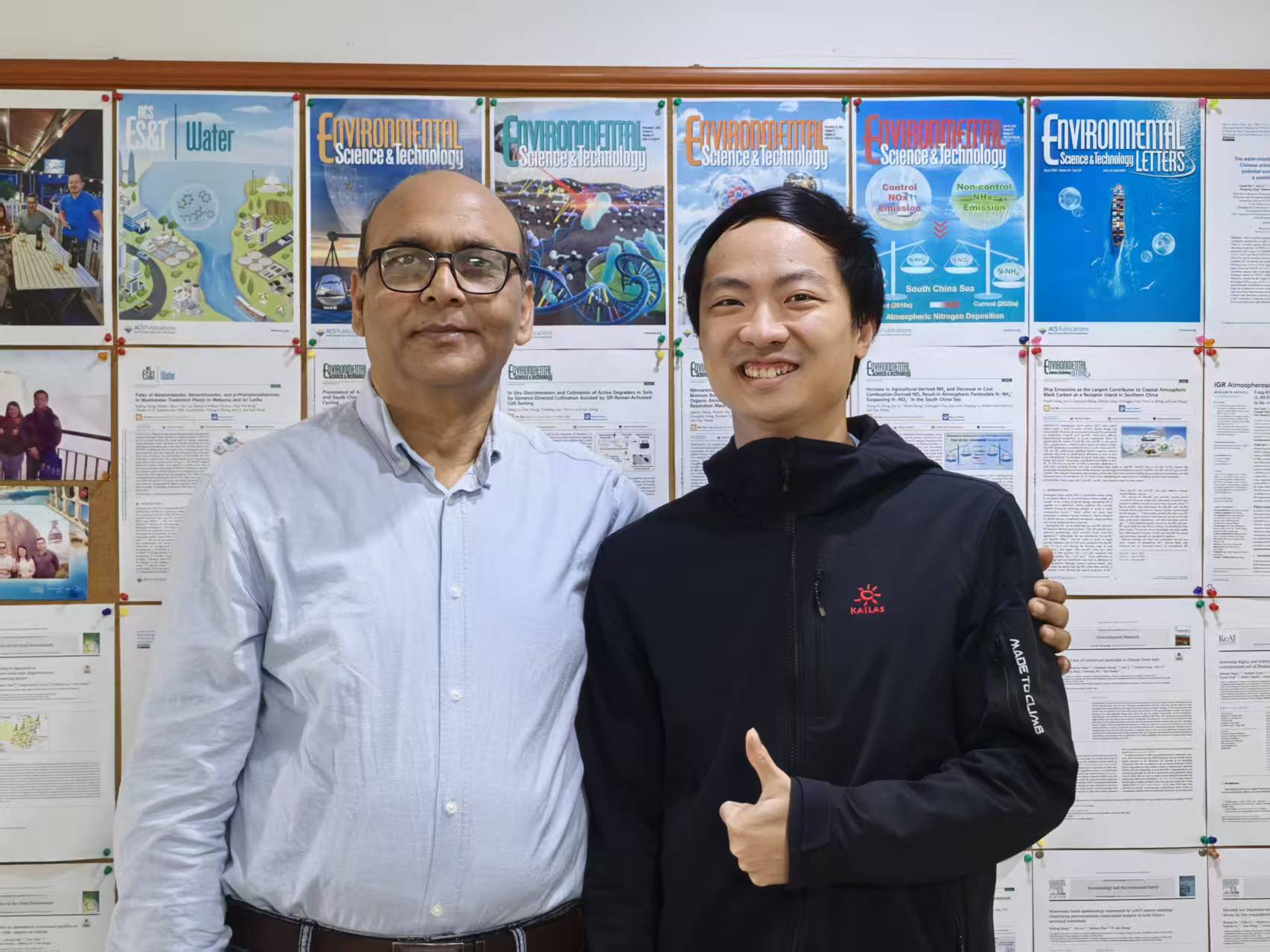
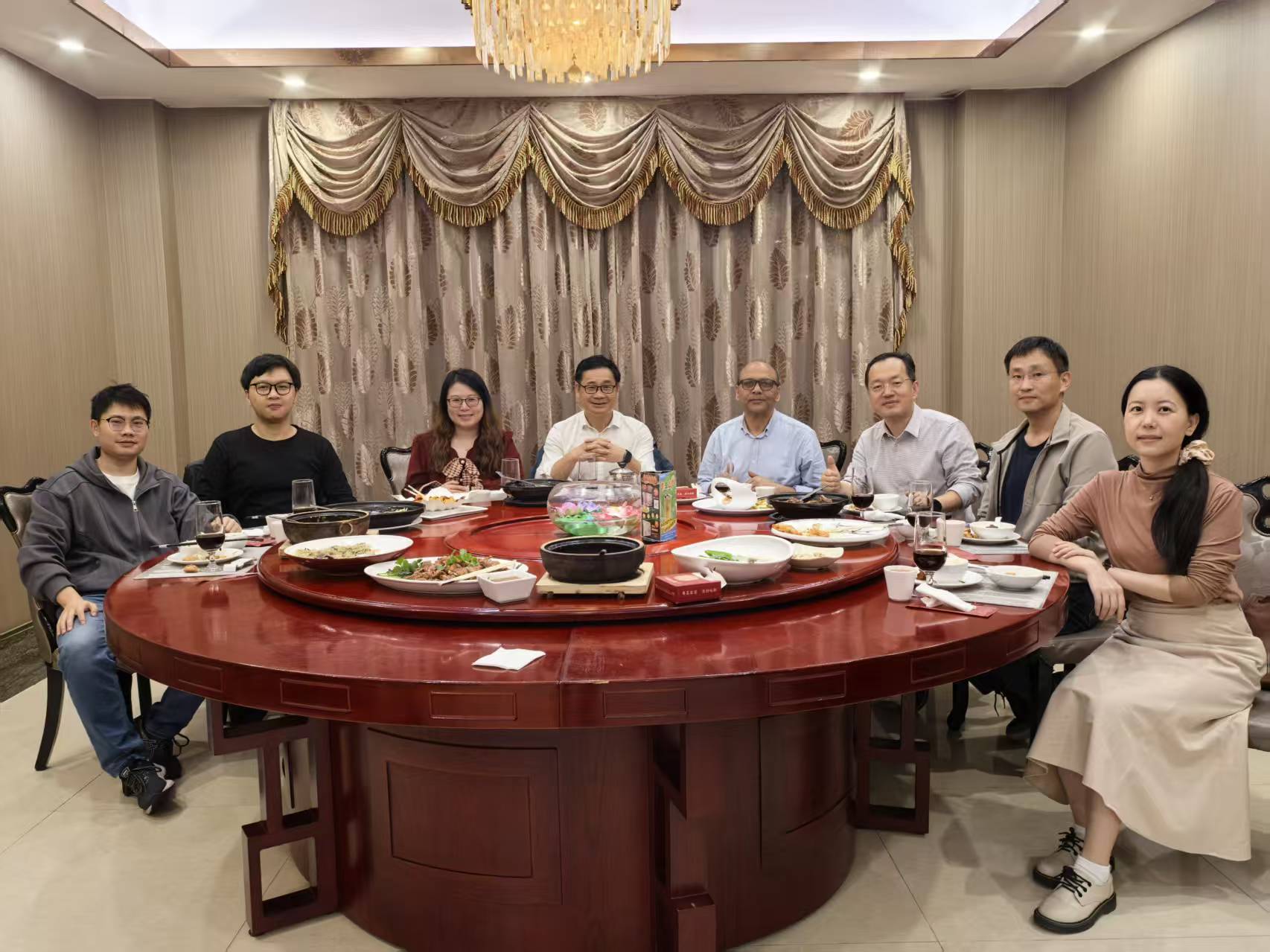
Farewell to Prof. Habib

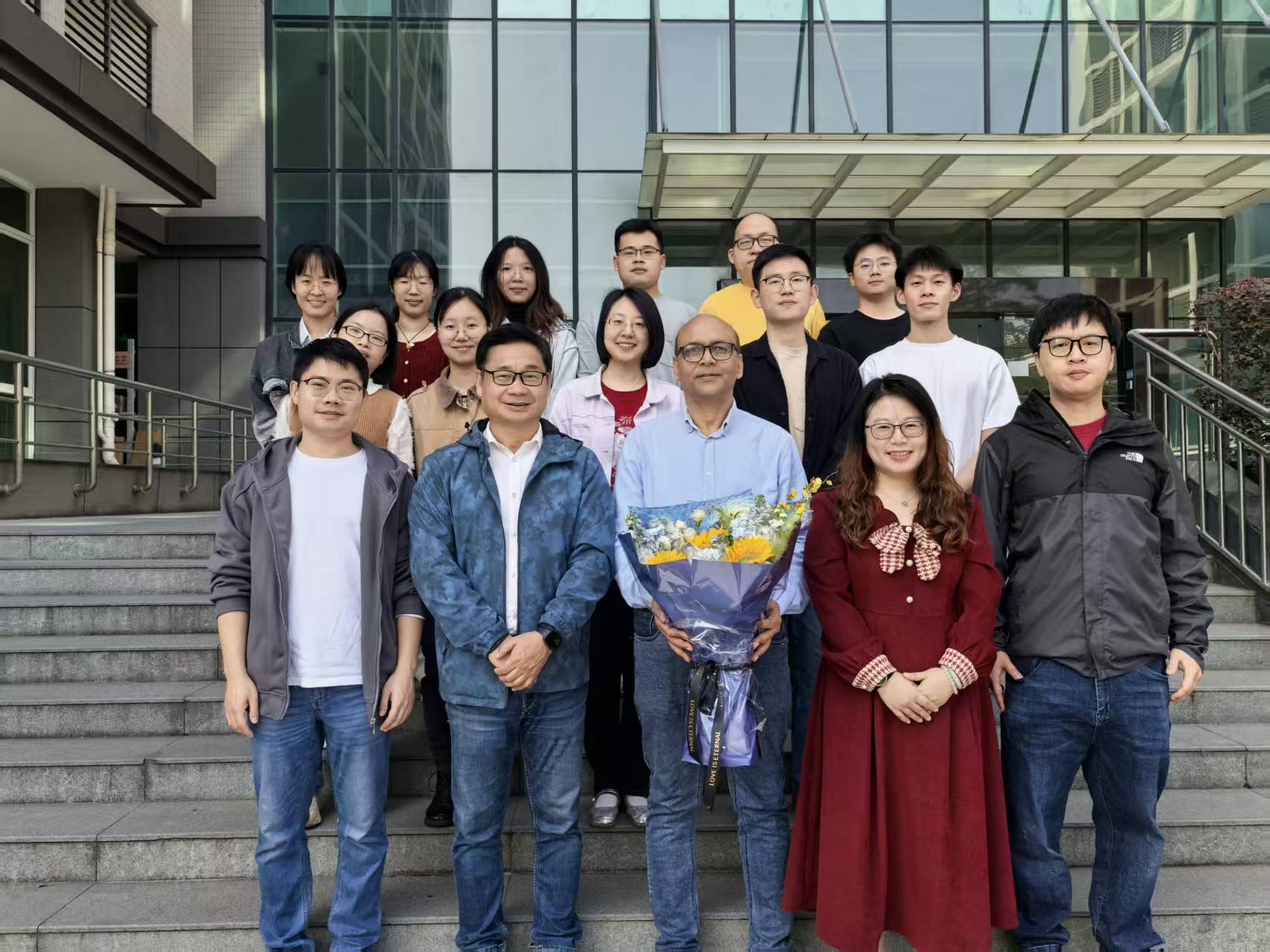
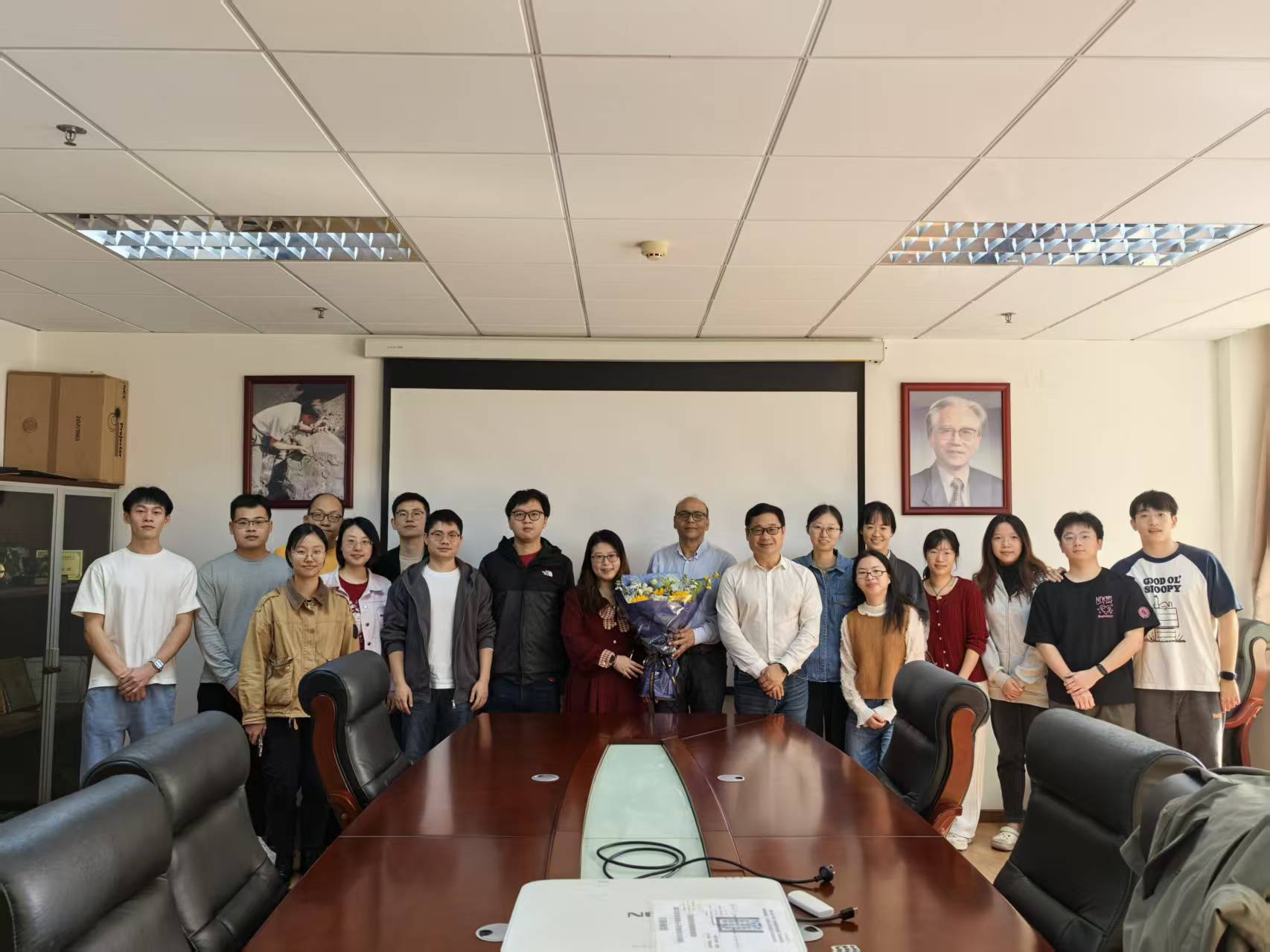
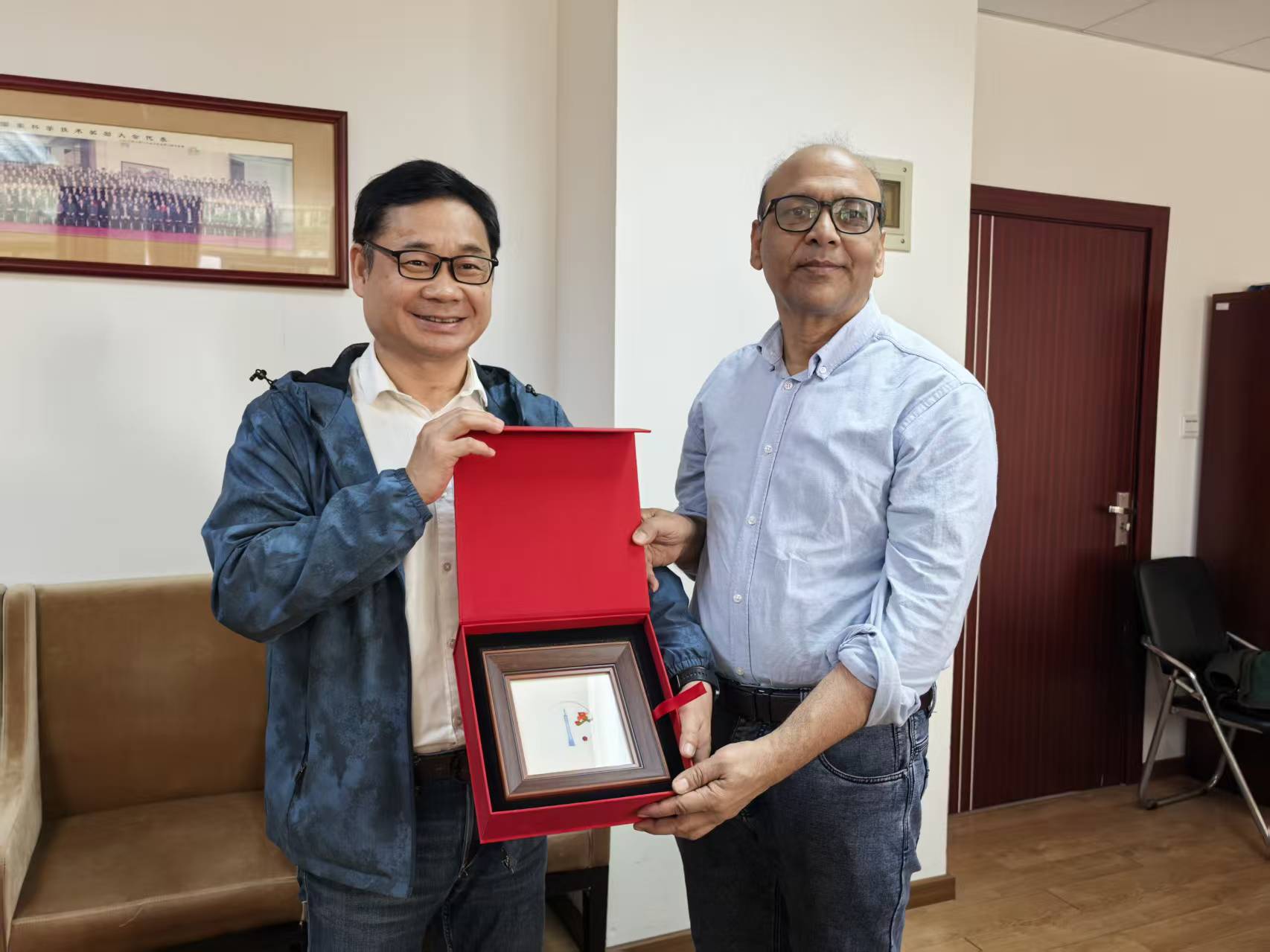
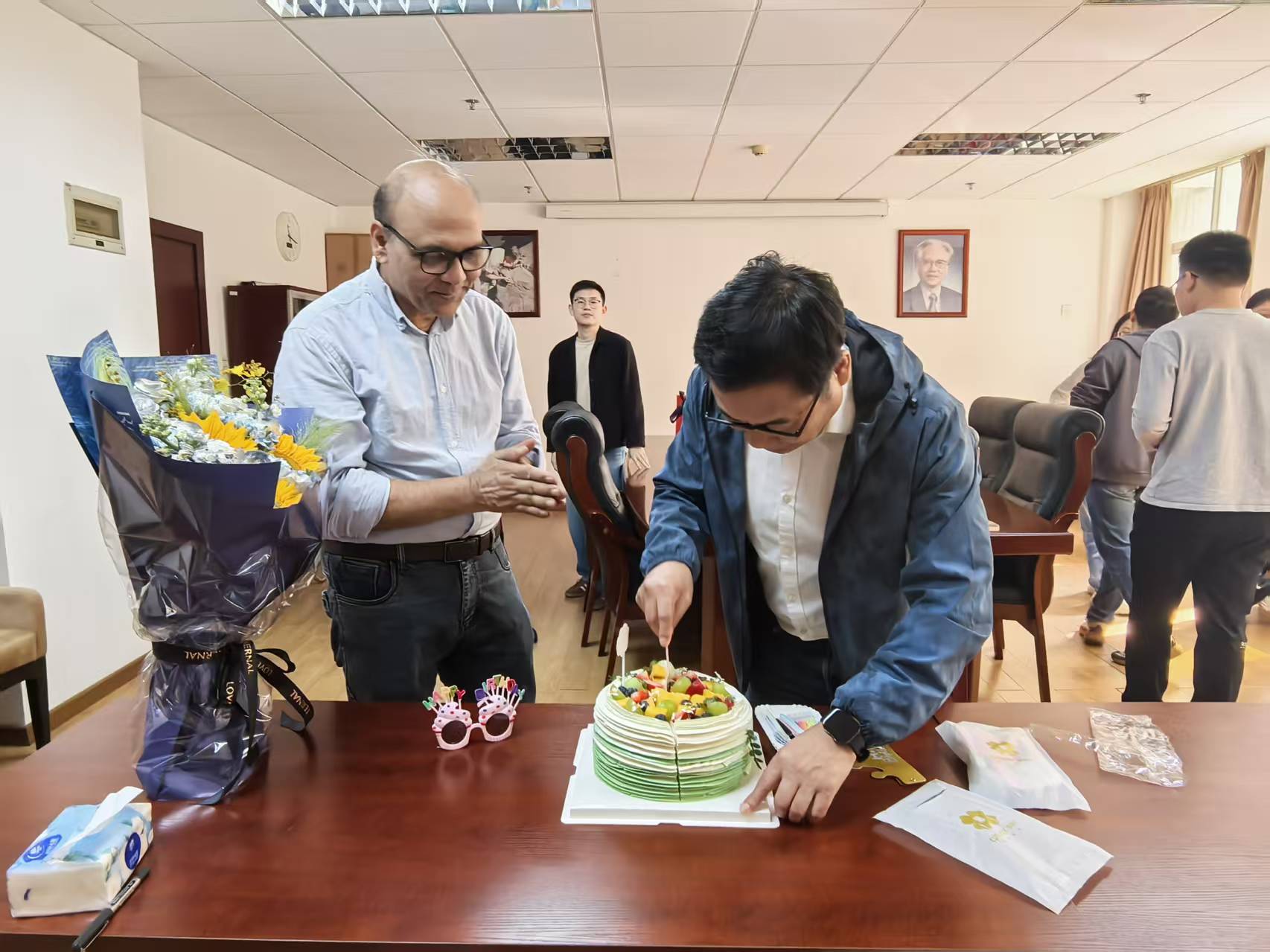
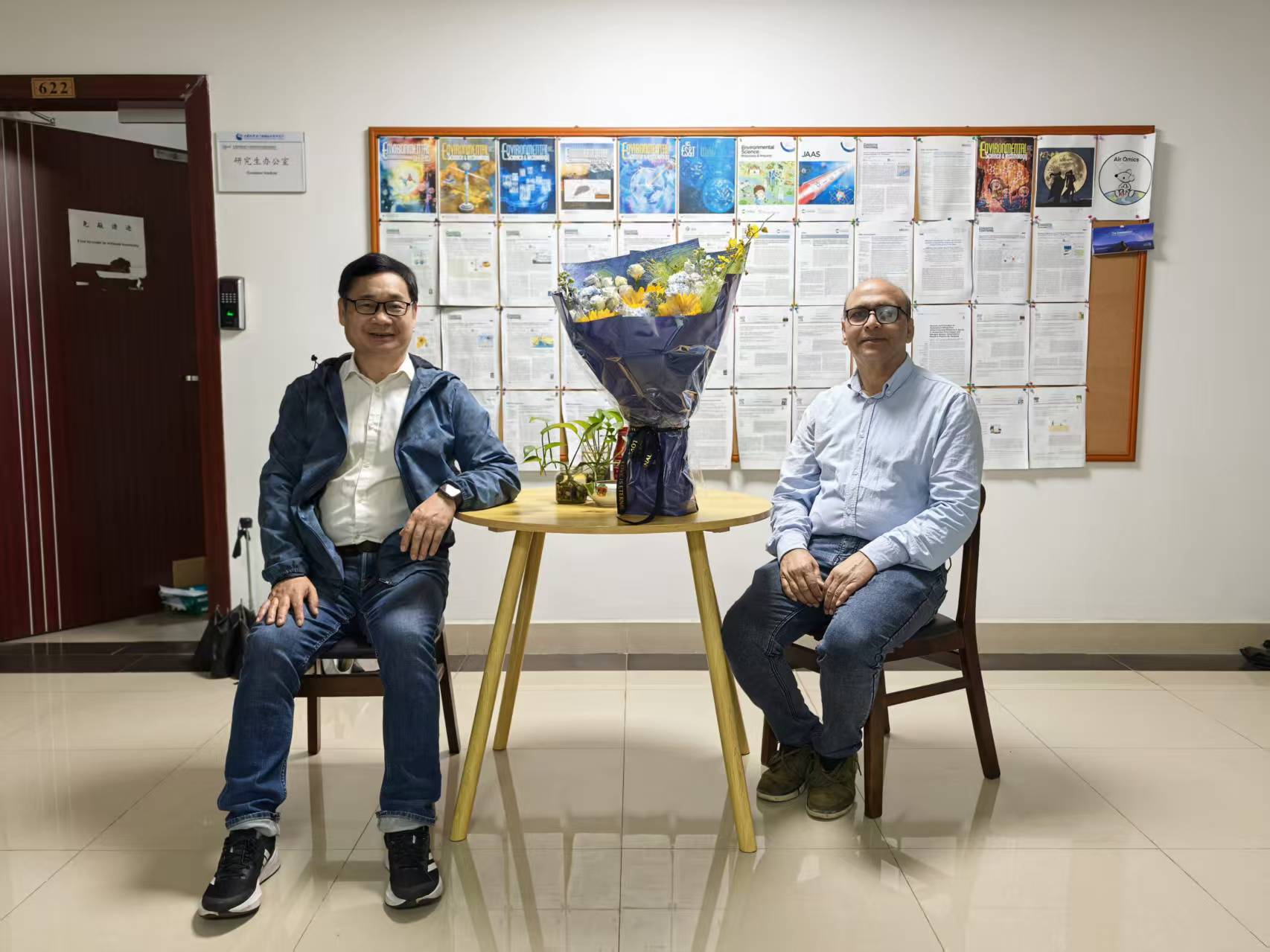
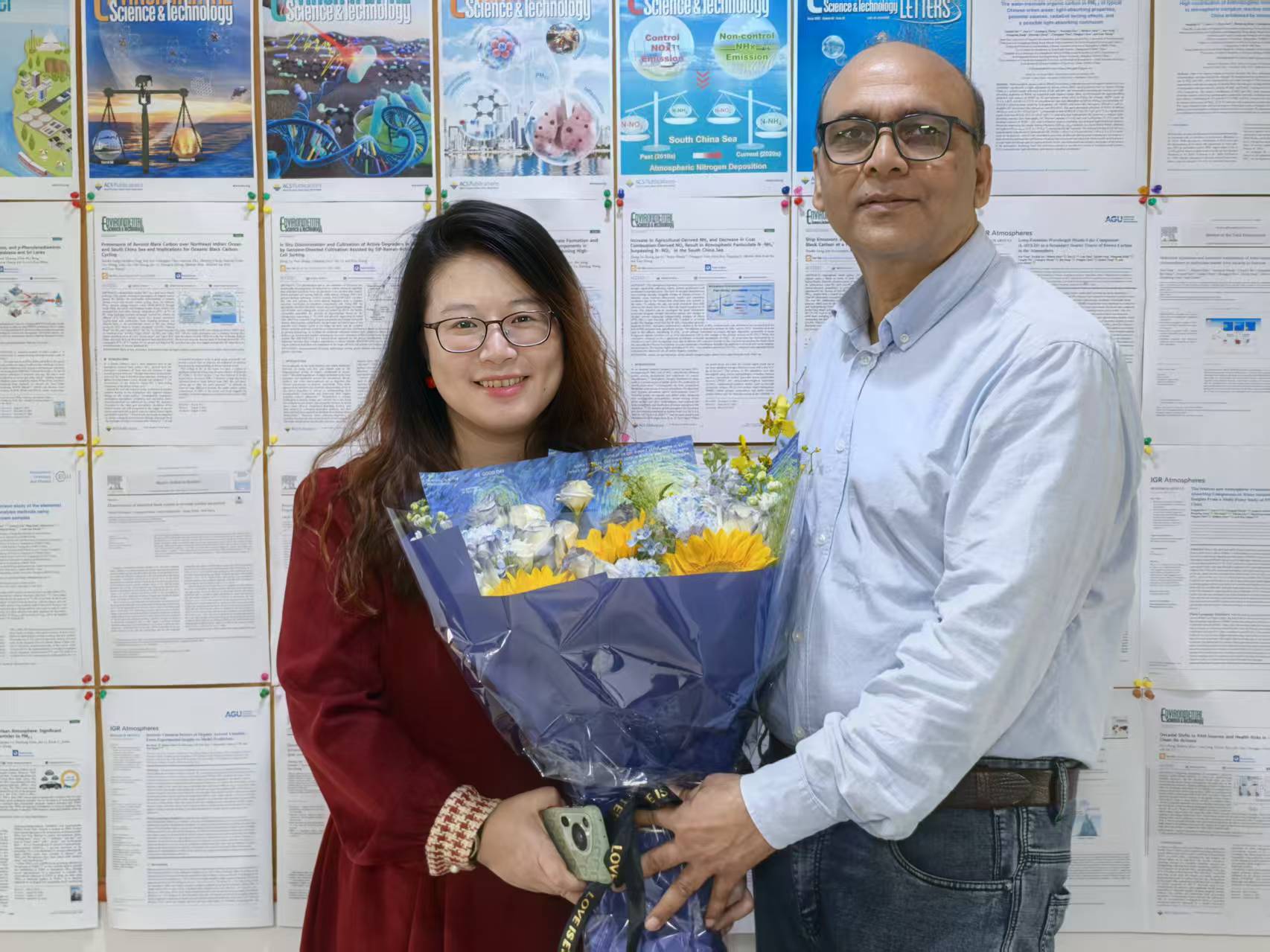
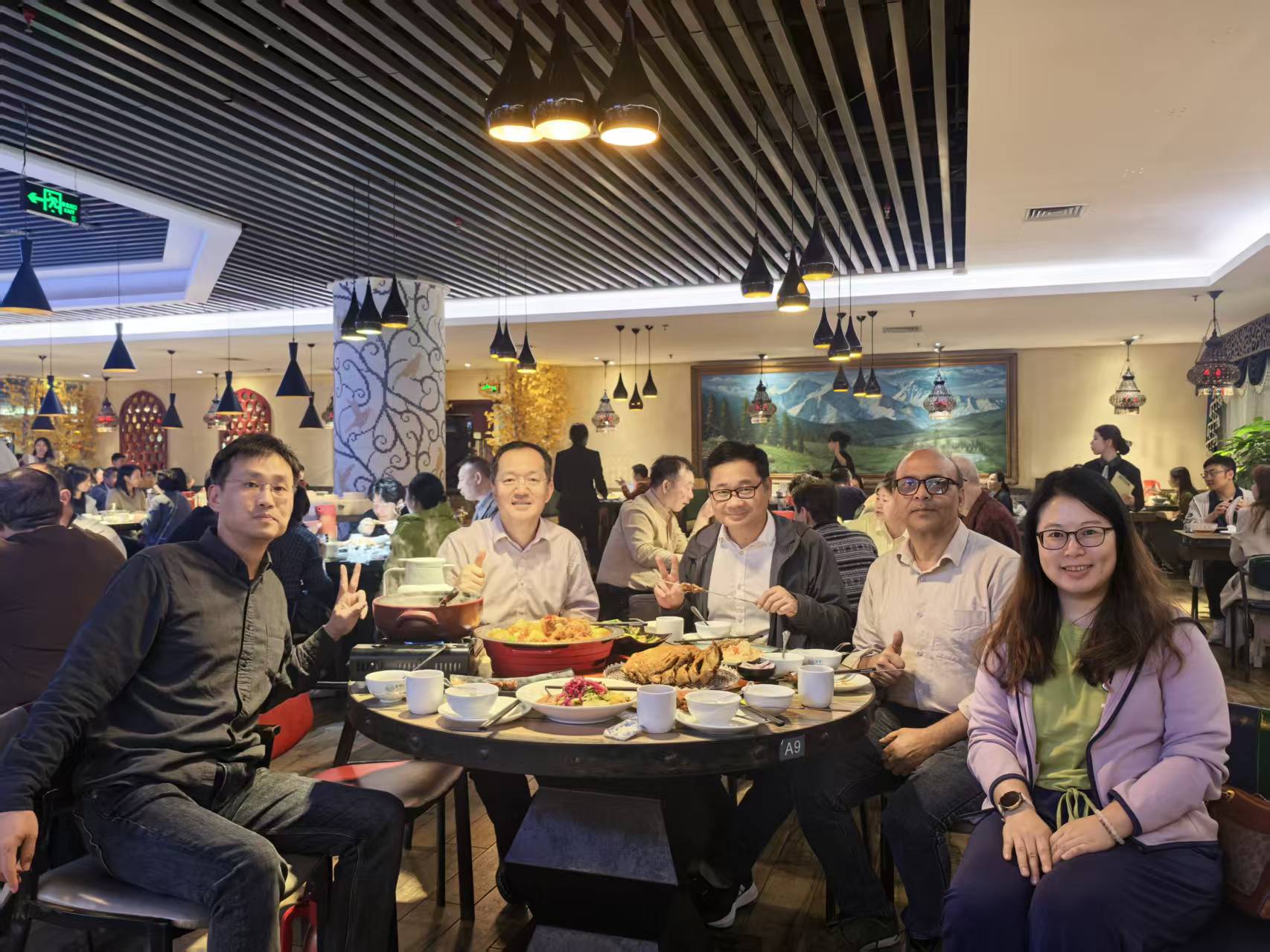
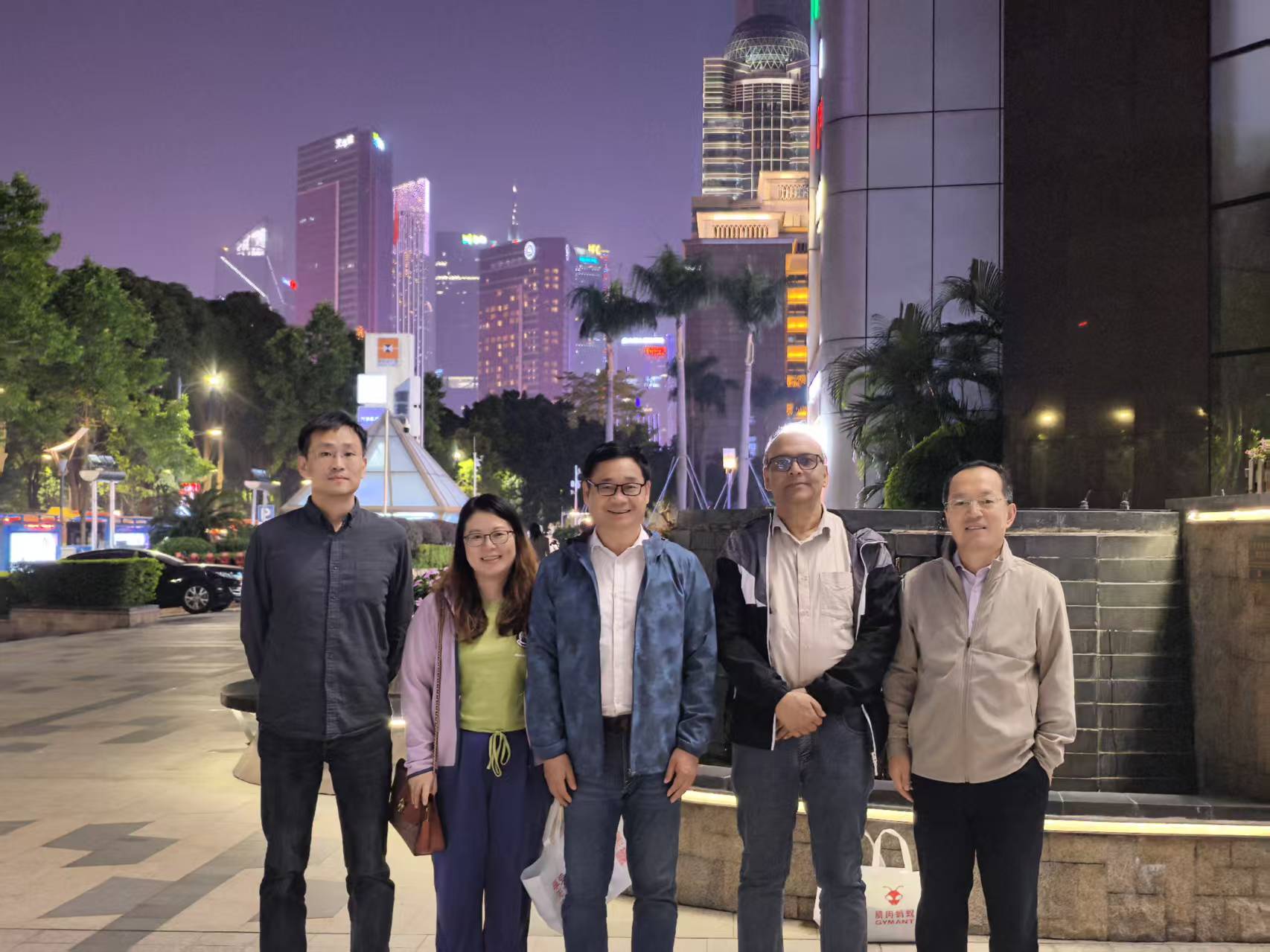
On 23 December, we held a small but warm farewell gathering for Prof. Habib as he successfully completed his nine-month PIFI fellowship with our group and returned to his home country. A few days earlier, on 21 December, Prof. Habib kindly invited us to a dinner to express his thanks, during which we enjoyed a pleasant evening at a Xinjiang restaurant, and everyone bought a GYMANT sports outfit.

During his fellowship, Prof. Habib was deeply involved in our research activities and academic exchanges, making valuable contributions through discussions, collaboration, and support in both research and fieldwork. We are sincerely grateful for the time he spent with us, his generosity in sharing knowledge and experience, and his strong commitment to collaboration. His presence greatly enriched our group, both academically and personally. We wish him a smooth return home and all the very best in his work and life ahead, and we look forward to continuing and strengthening our collaboration in the future.

2025 Annual Meeting of the GeoBBC NSFC Major Project

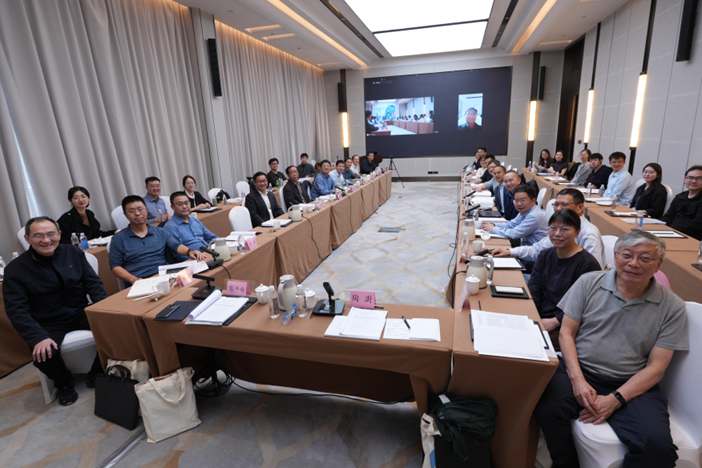
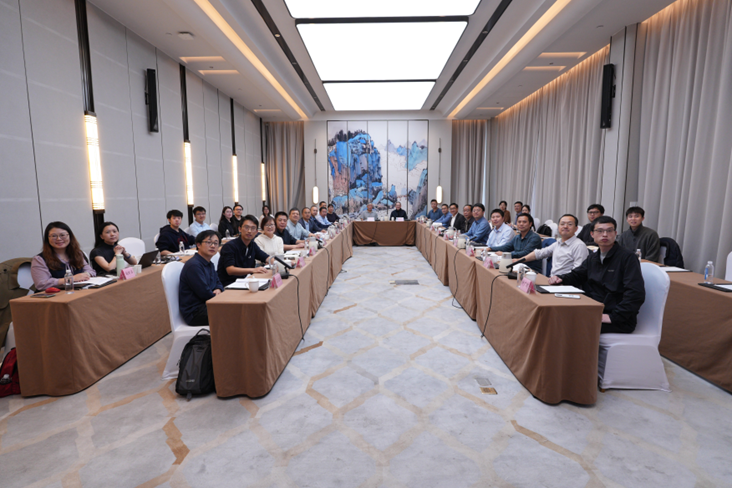
On 19 December 2025, the 2025 Annual Academic Exchange Meeting of the National Natural Science Foundation of China (NSFC) Major Project “Geochemical Behavior and Effects of Black Carbon” (GeoBBC) was held in Guangzhou. The meeting was hosted by the Guangzhou Institute of Geochemistry (GIG), Chinese Academy of Sciences.

The meeting was structured into two sessions. The morning session featured an Outstanding Research Achievements Symposium, during which representative high-quality research outputs of the project were presented and discussed. The afternoon session comprised the 2025 Annual Progress Report Meeting followed by an expert review and consultation session, during which project progress was comprehensively evaluated and in-depth discussions were conducted with the advisory panel.

The afternoon session was attended by Zheng Yuanming, Director of Division II of the Department of Earth Sciences, and Xiao Jun, Program Officer, from the National Natural Science Foundation of China. Members of the project’s advisory panel also participated, including Academician Tao Shu (Peking University / Southern University of Science and Technology), Academician Peng Ping’an (GIG), Professors Zheng Mei and Zhu Dongqiang (Peking University),  Professor Zheng Junyu (The Hong Kong University of Science and Technology (Guangzhou)), Professor Guo Qingjun (Institute of Geographic Sciences and Natural Resources Research, Chinese Academy of Sciences), Professor Liu Xueyan (Institute of Geochemistry, Chinese Academy of Sciences), Professor Pan Bo (Kunming University of Science and Technology), Professor Chen Yingjun (Fudan University), and Professor Liu Chengshuai (South China Agricultural University).

Vice Director Zhu Jianxi of GIG, the leading institution of the project, attended the meeting together with principal investigators and more than 30 core project members from GIG, Fudan University, Southern University of Science and Technology, Nanjing University of Information Science and Technology, and the Institute of Earth Environment, Chinese Academy of Sciences.

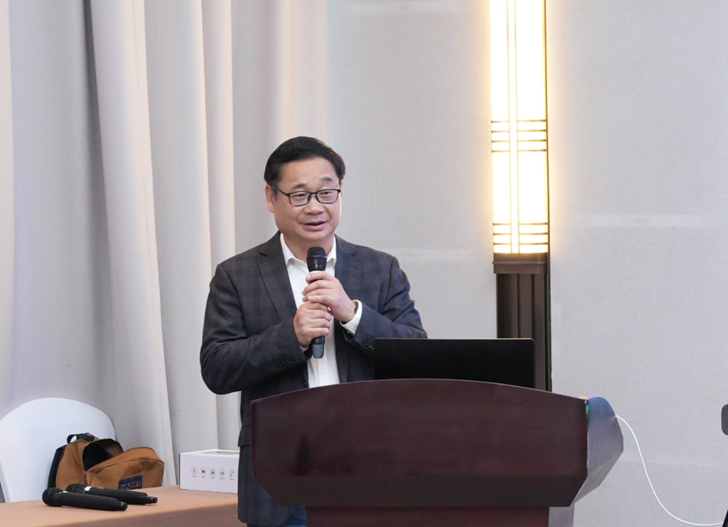
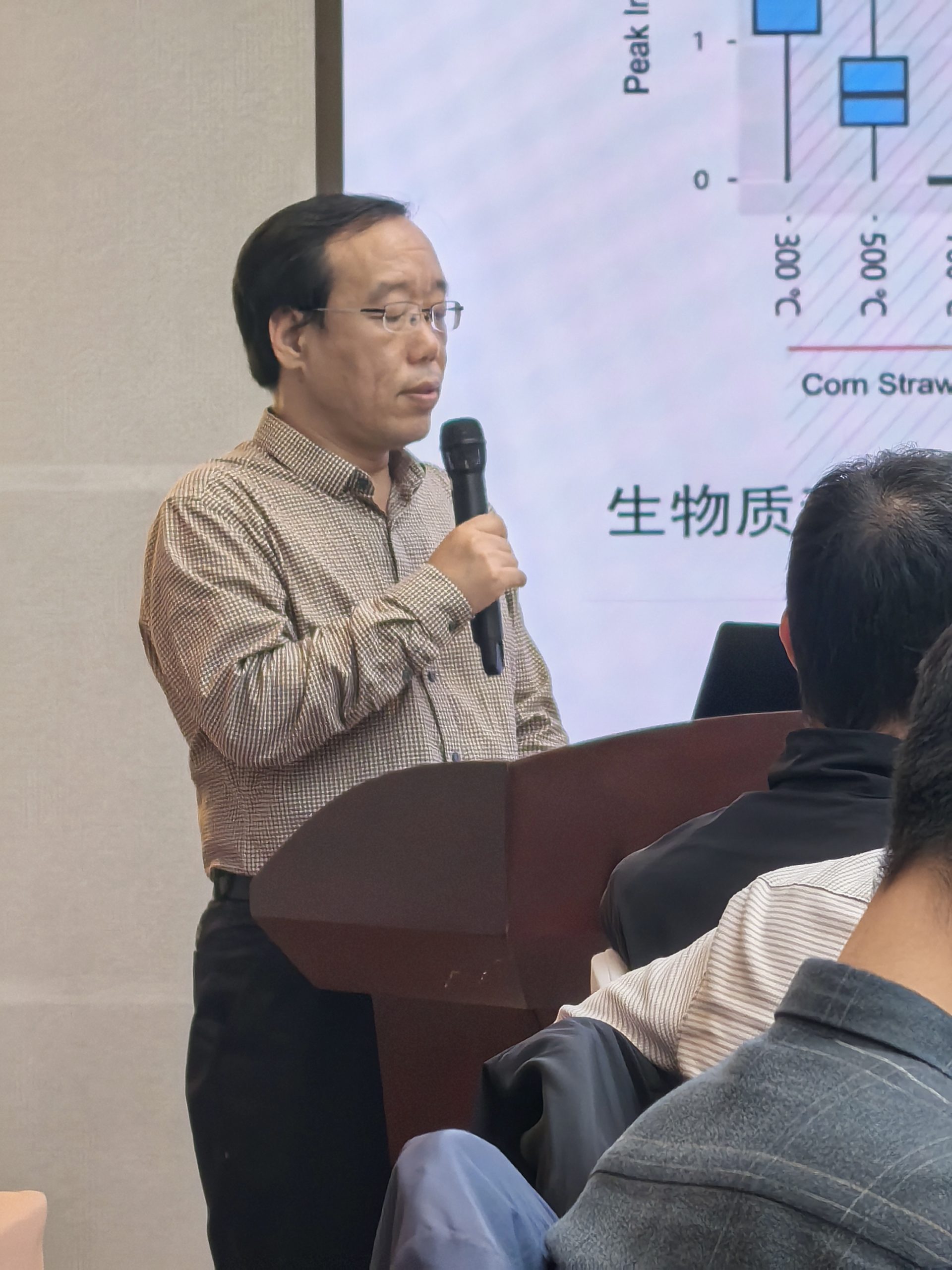
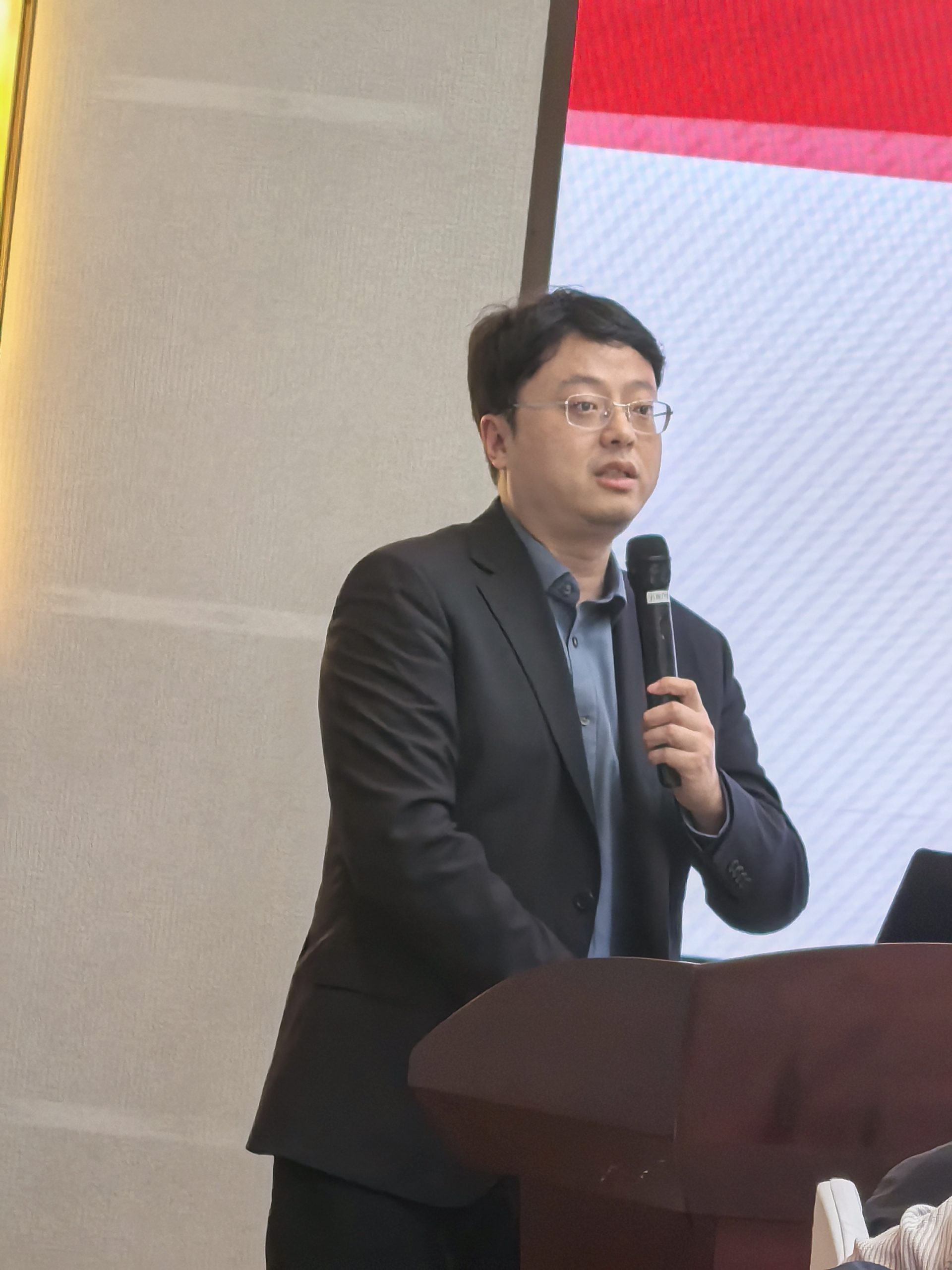
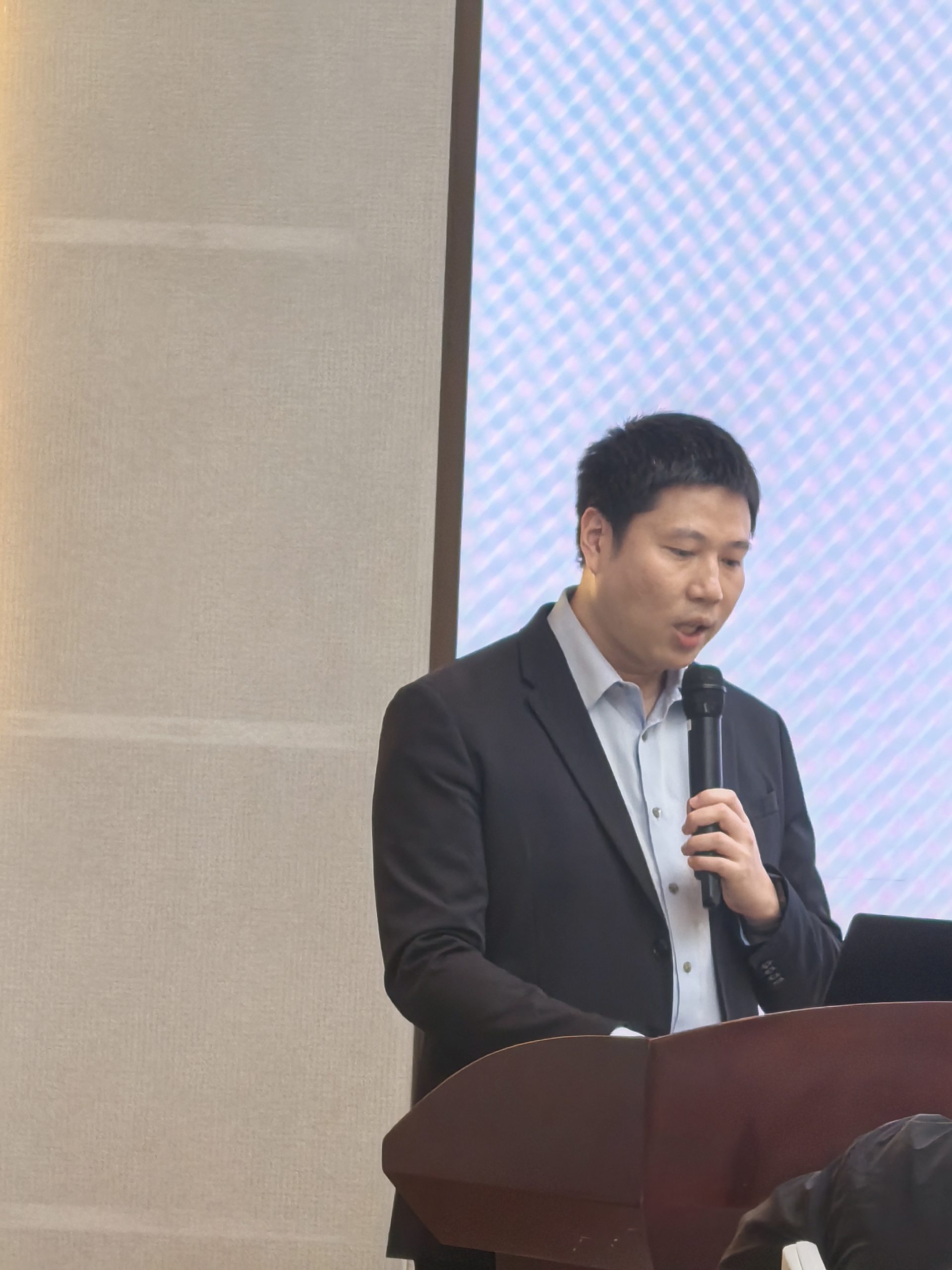
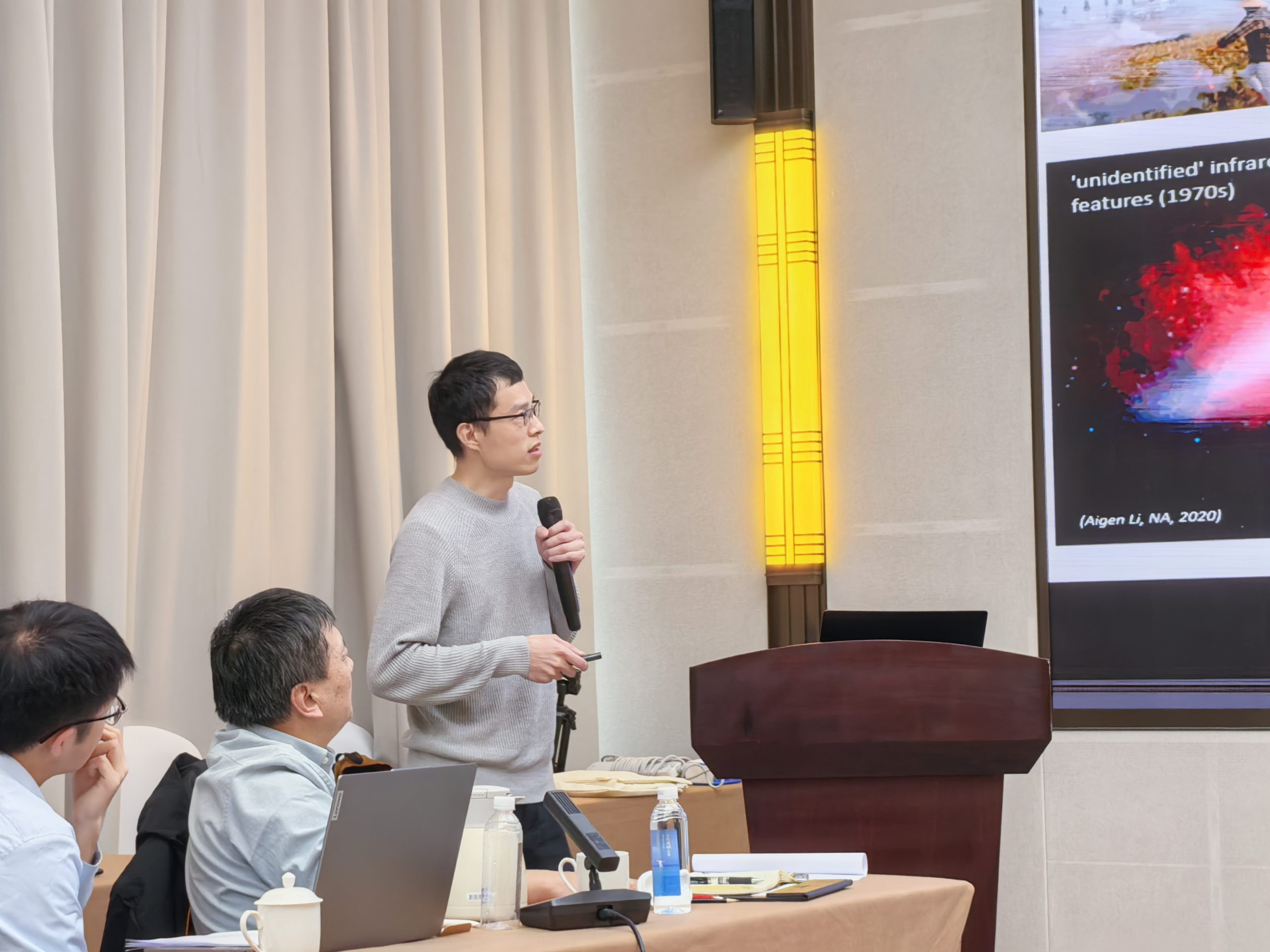
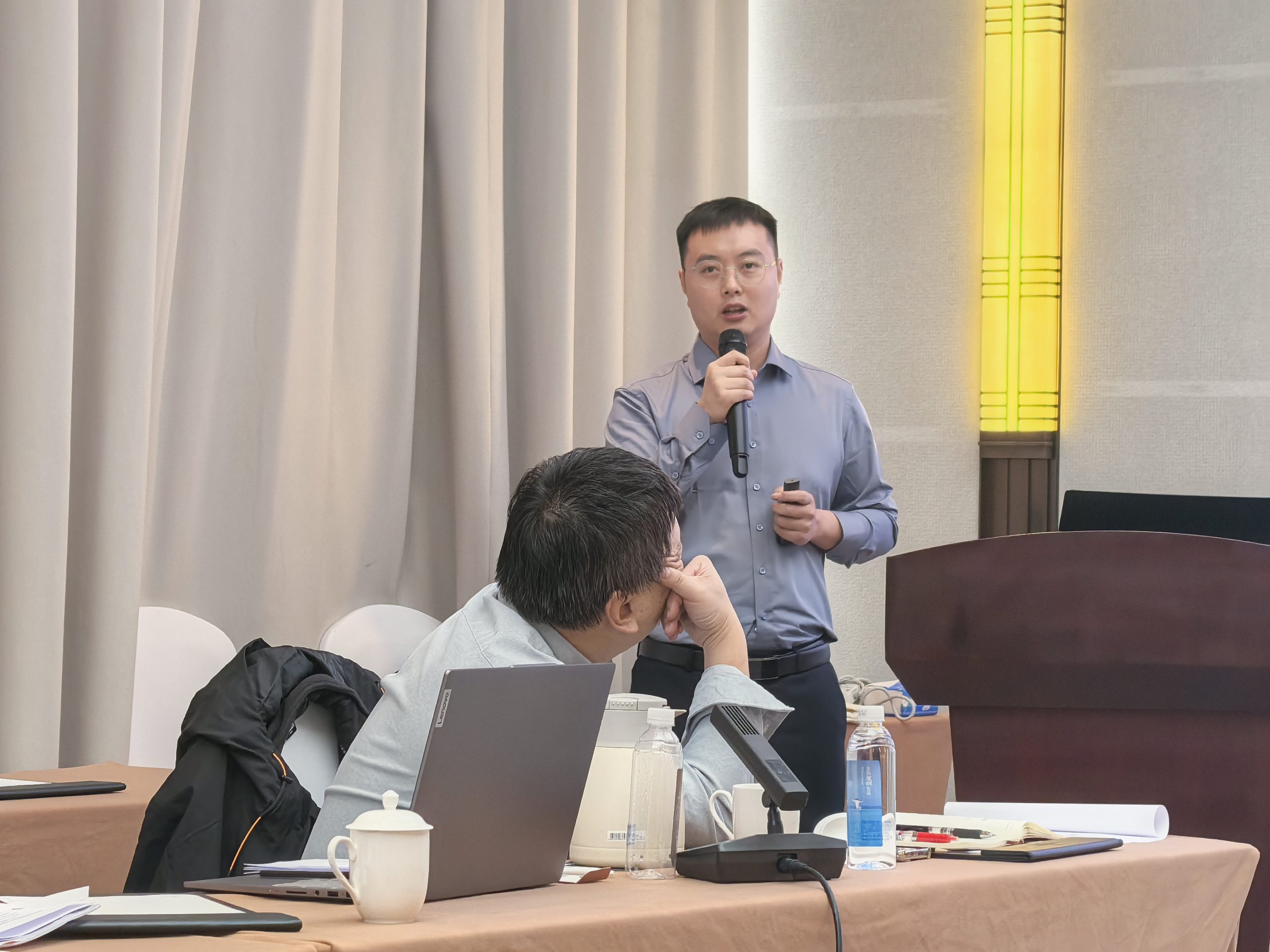
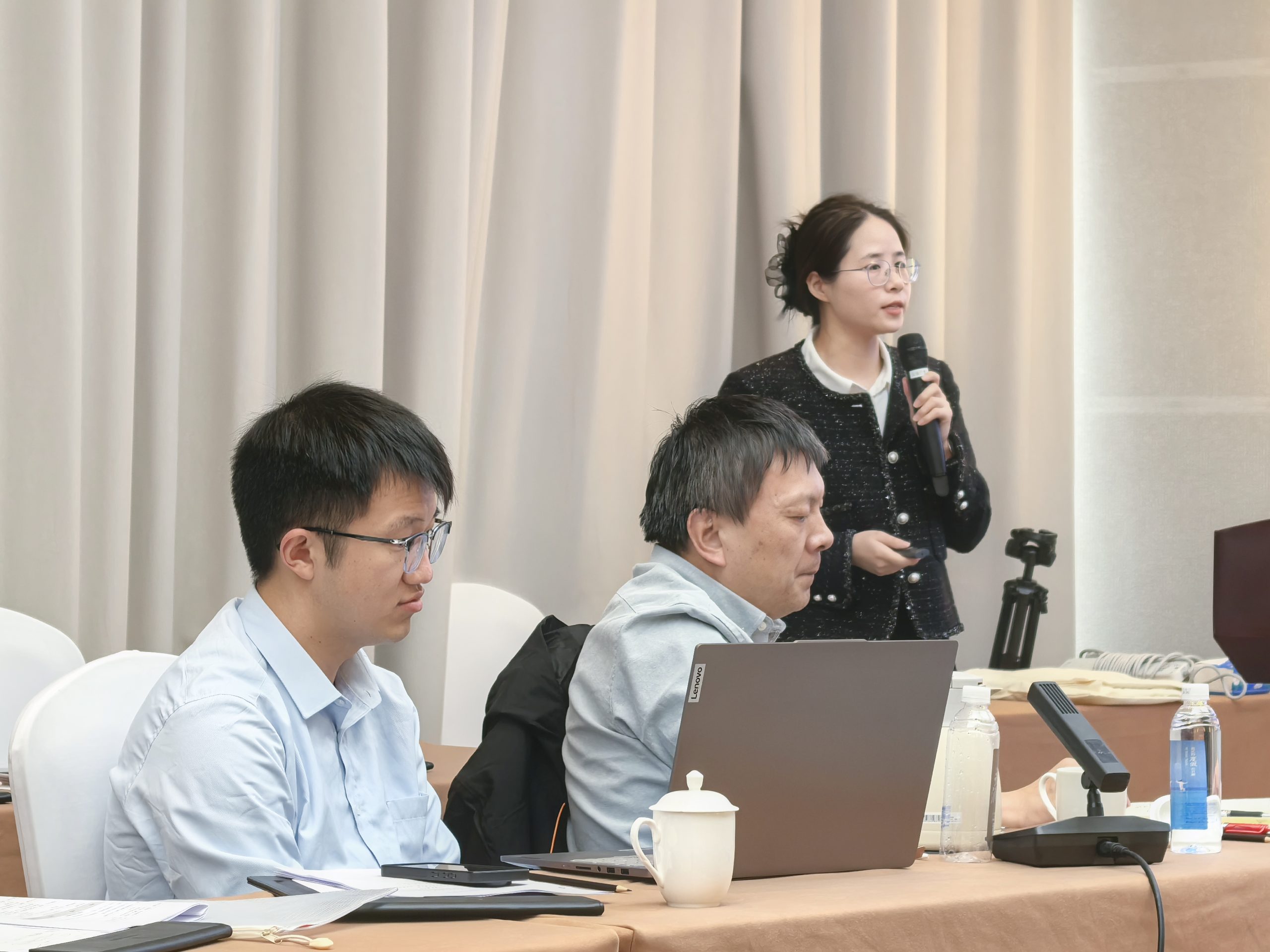
Zhu Jianxi delivered the opening remarks on behalf of the host institution, introducing the outcomes of the recent reorganization of national key laboratories at GIG and expressing sincere appreciation to the NSFC and the project advisors for their continued support. Gan Zhang, on behalf of the project team, presented an overview of the project’s overall progress, highlighting major advances in the formation mechanisms of black carbon, its climate effects, evolutionary cycling, and cross-sphere behavior. Subsequently, principal investigators Song Jianzhong, Zhang Yanlin, Wang Junjian, and Zhong Guangcai reported on the annual progress of their respective subprojects and outlined research plans for the coming year.

The advisory experts unanimously agreed that the project has made solid progress and delivered substantial outcomes. They highlighted breakthrough achievements in key areas, including the operational definition of black carbon and its subsets, regional atmospheric black carbon and its light-absorbing properties, and methodological advances in source apportionment. The experts also provided constructive recommendations for the next phase of research. Zheng Yuanming and Xiao Jun fully affirmed the project’s overall performance, reiterated the strategic role of NSFC Major Projects, and expressed expectations for the project’s high-quality advancement and successful completion.

The NSFC Major Project “Geochemical Behavior and Effects of Black Carbon” is led by the Guangzhou Institute of Geochemistry, with joint participation from Southern University of Science and Technology, Nanjing University of Information Science and Technology, the Institute of Earth Environment of CAS, and Fudan University. The project aims to elucidate the formation mechanisms of black carbon; develop consistent quantitative characterization methods across environmental media; reveal its cross-sphere geochemical behavior and evolutionary pathways; clarify atmospheric aging processes and comprehensively assess radiative forcing effects; uncover the impacts of black carbon on surface organic carbon reservoirs and the environmental fate of toxic pollutants; overcome methodological barriers; and innovatively construct and refine relevant theoretical models, thereby enriching the discipline of geochemistry.

By the end of the fourth project year, a total of 143 academic papers had been published, including seven articles in PNAS and Nature family journals, with a first-affiliation rate exceeding 50%. In addition, several early-career researchers trained through the project have received national and provincial talent awards and academic honors.

The annual meeting was held in 黄埔君澜酒店

BRI Training Course on Monitoring and Risk Assessment of Persistent Toxic Substances

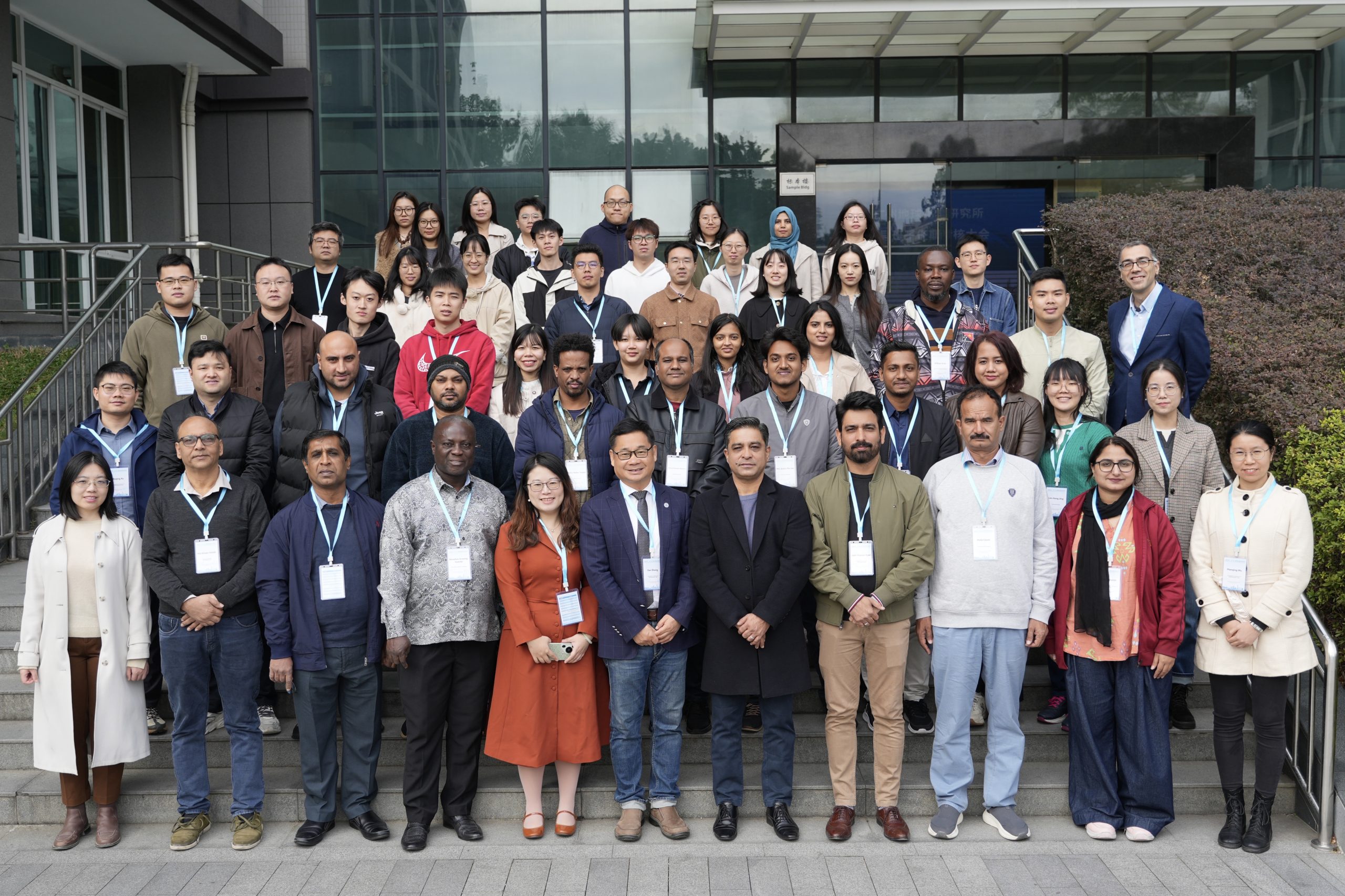
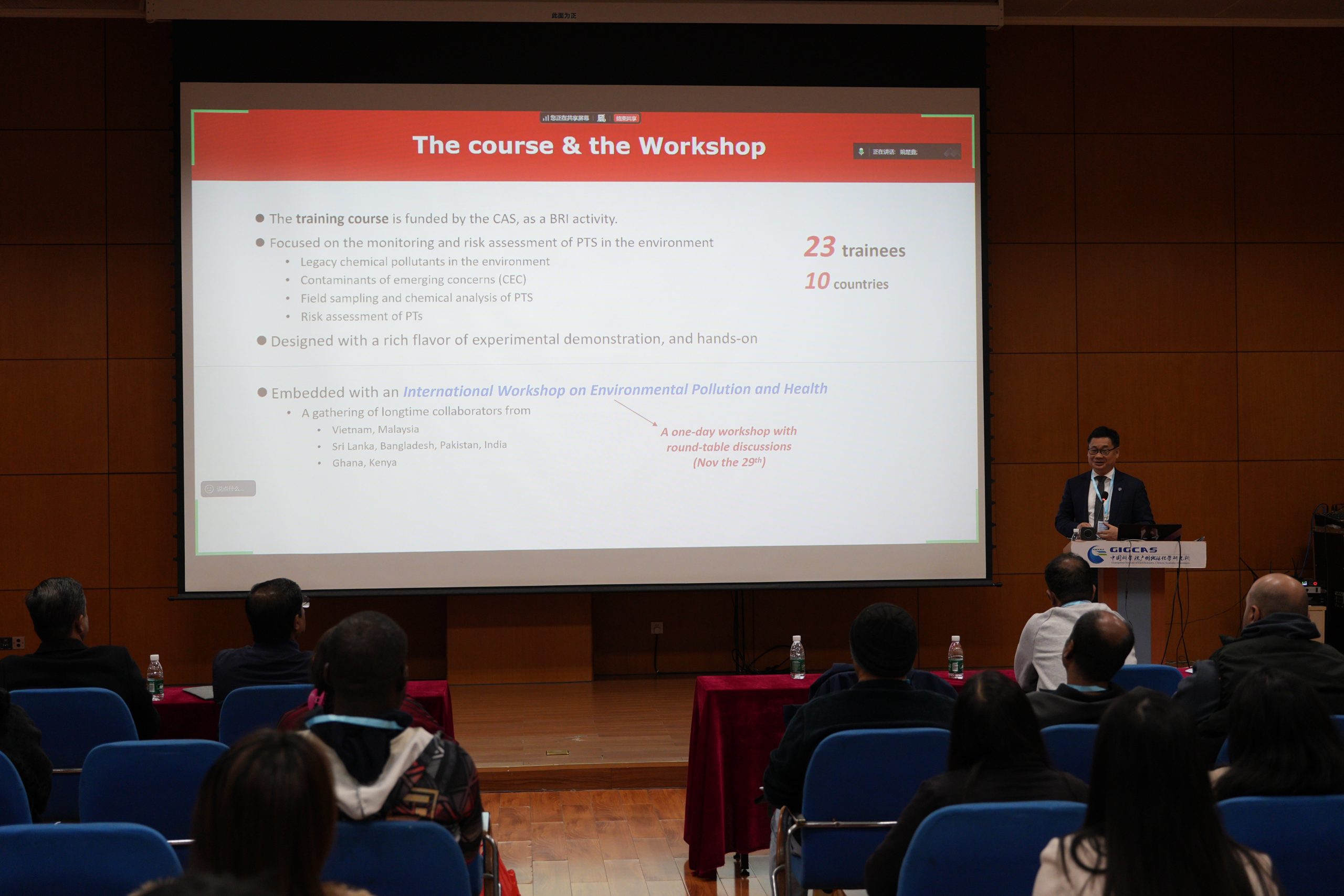
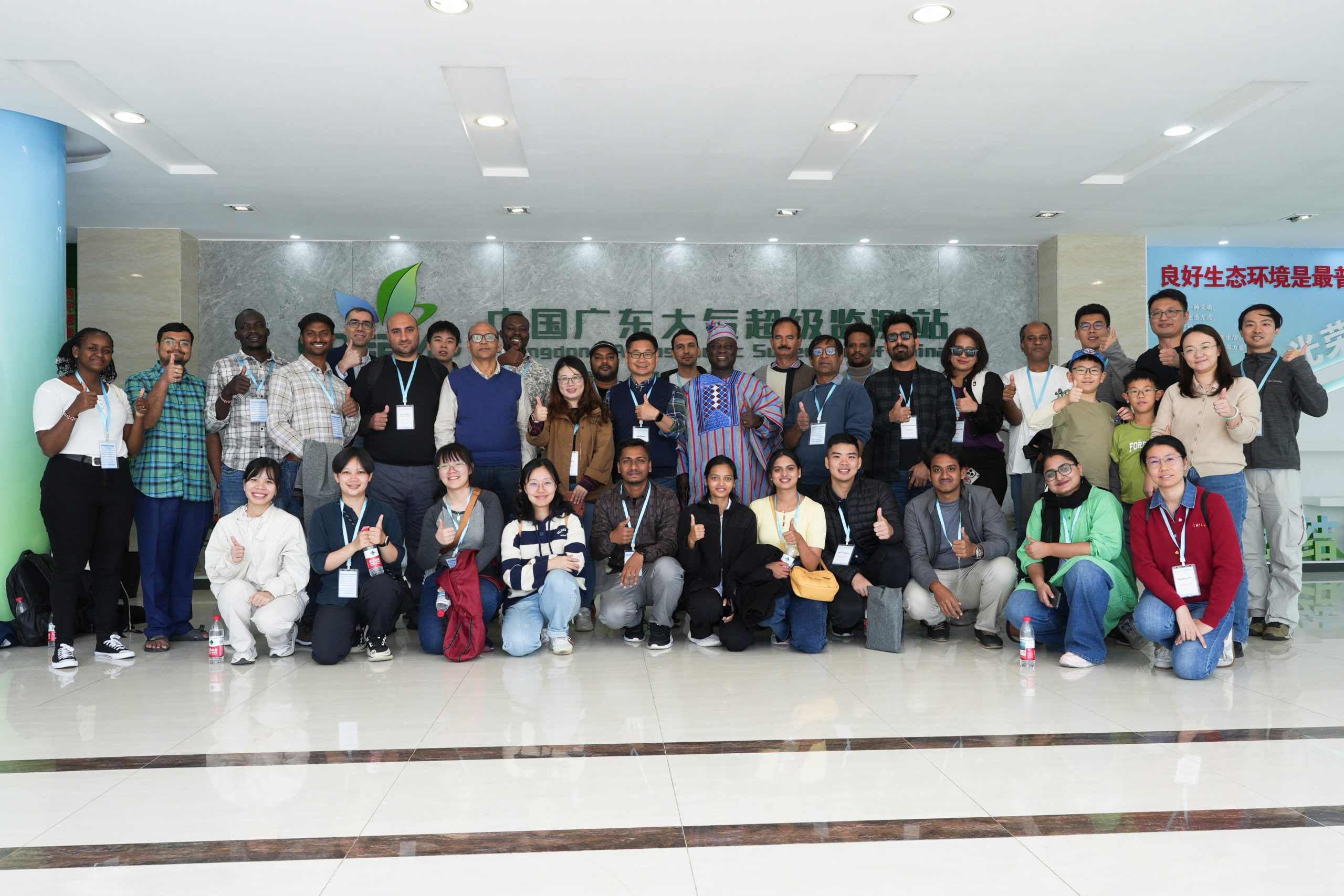
On December 4, 2025, our group successfully concluded the Belt and Road Initiative (BRI) and Developing Countries Training Course on “Monitoring and Risk Assessment of Persistent Toxic Substances along the 21st Century Maritime Silk Road”. The two-week programme brought together 25 participants from 12 countries, including India, Pakistan, Bangladesh, Sri Lanka, Kenya, Ghana, Thailand, Vietnam, Malaysia, Myanmar, and Ethiopia. All participants successfully completed the course and were awarded certificates of completion.

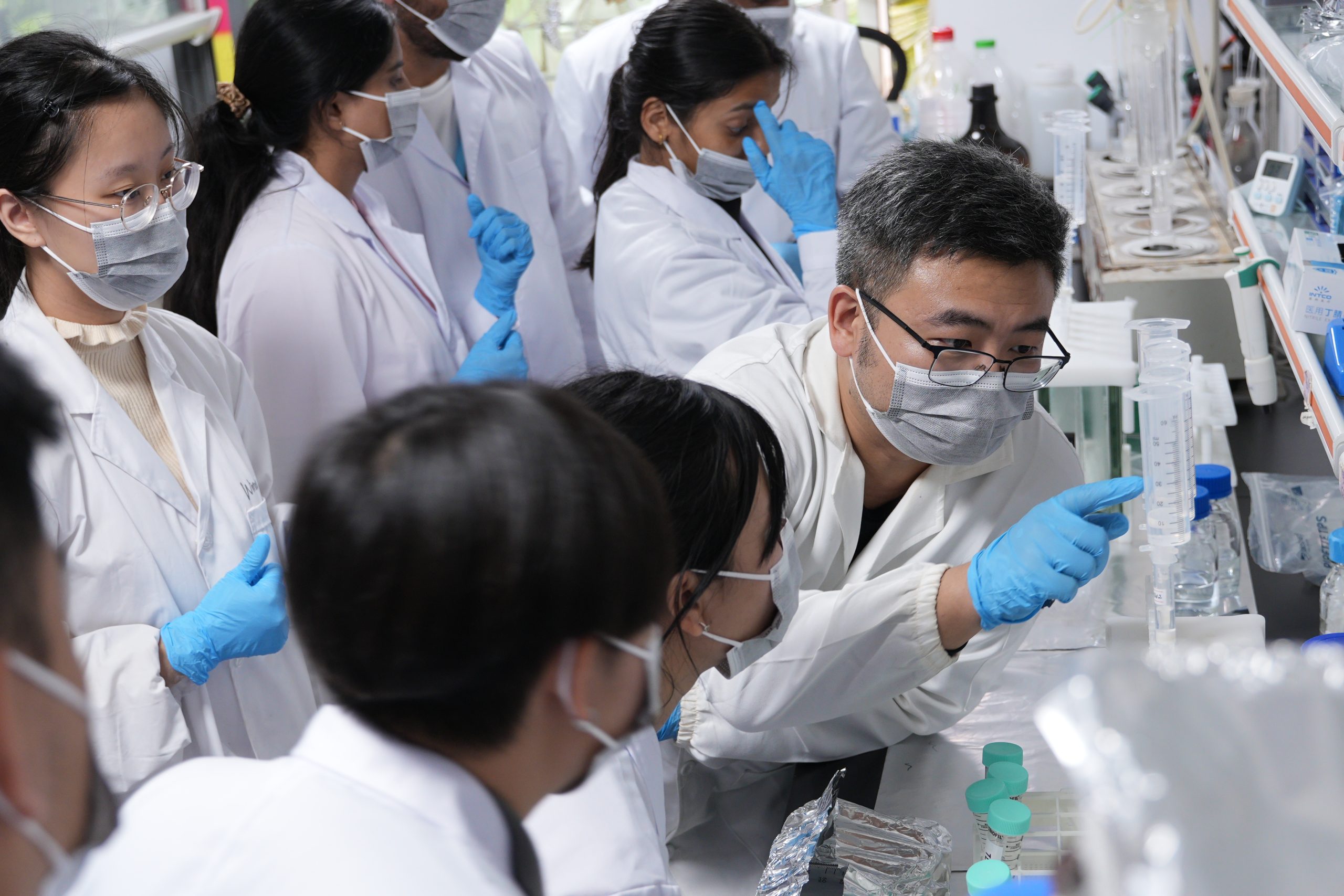
The training course was designed to strengthen scientific capacity in environmental monitoring and risk assessment through a combination of thematic lectures, laboratory-based training, and field investigations. The curriculum was structured around five core modules: chemical pollution, passive sampling techniques, sample pretreatment and instrumental analysis, risk assessment of contaminated sites, and global chemicals policy trends.

Key topics covered during the course included passive sampling of persistent organic pollutants (POPs) in air and water, applications of diffusive gradients in thin films (DGT) for environmental monitoring, chemical pretreatment workflows for environmental samples, environmental behavior of antibiotic resistance genes and heavy metals, fate and effects of typical POPs and mercury (Hg), principles and applications of gas and liquid chromatography–mass spectrometry (GC-MS and LC-MS), environmental DNA (eDNA) techniques for biodiversity monitoring, and regional air pollution control strategies.

At the opening session, representatives from the international cooperation system of the Chinese Academy of Sciences extended a warm welcome to all participants. Our group introduced the overall course design, learning objectives, and organizational arrangements, and coordinated the academic and practical components throughout the programme.

More than 20 experts from universities, international organizations, and research institutions participated as lecturers, reflecting the interdisciplinary and international nature of the course. Domestic experts came from leading universities in China, while international contributors included specialists from the United Nations Environment Programme system, as well as renowned universities in the United Kingdom and Southeast Asia. In addition, two visiting PIFI scholars from Bangladesh and Pakistan actively contributed to lectures and discussions, further strengthening South–South scientific exchange.

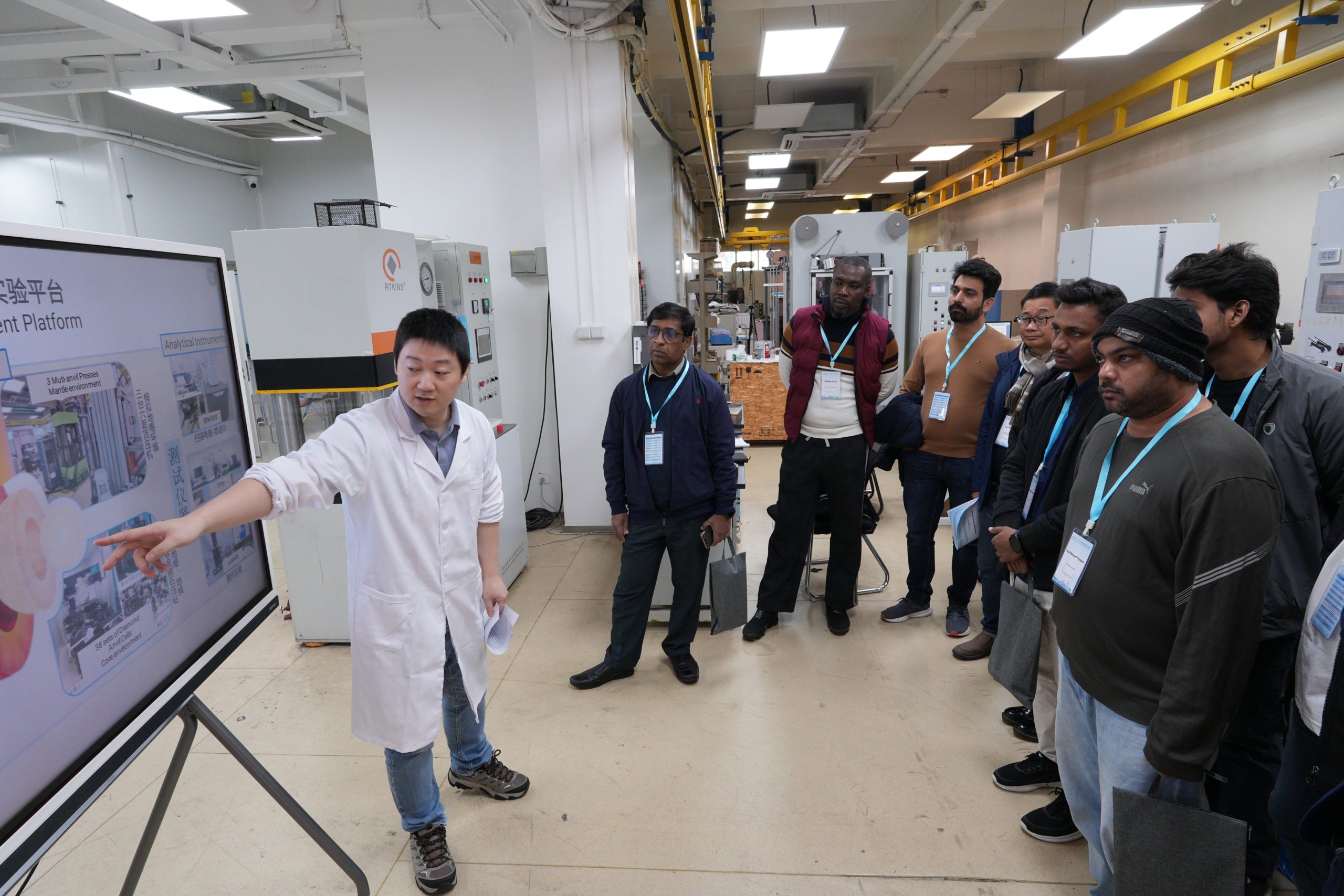
Technical experts from analytical instrument and laboratory service companies also participated in the programme, delivering hands-on training and live demonstrations focused on GC-MS and LC-MS applications and environmental sample pretreatment. These sessions provided participants with valuable practical experience and direct exposure to advanced analytical technologies widely used in environmental research.

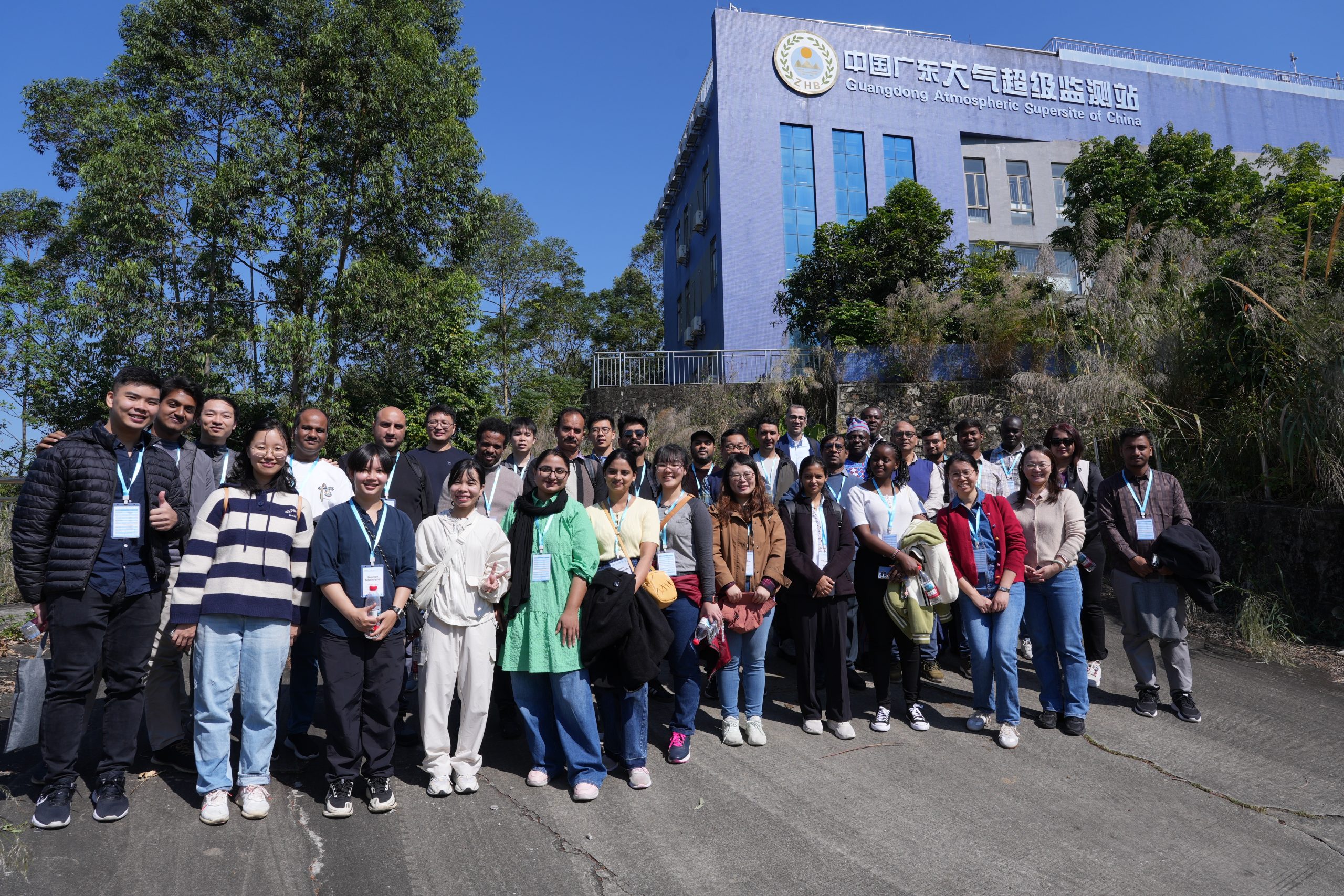
As part of the field training component, participants visited major atmospheric and wetland monitoring sites in Guangdong Province, gaining first-hand insight into integrated air and water environmental monitoring systems. A visit to a national nature reserve further introduced participants to long-term ecological research infrastructure, biodiversity conservation, and ecosystem monitoring practices in subtropical China.

A highlight of the training course was the “Co-creation Experiment” module. Participants were invited to bring drinking water samples from their home countries and collaboratively conduct trifluoroacetic acid (TFA) analysis using a unified analytical protocol. Within two days, the group completed TFA measurements for multiple countries and jointly produced a preliminary TFA concentration map along the Maritime Silk Road. During the final reporting session, a PhD student from India presented the co-creation results on behalf of all participants, demonstrating the effectiveness of collaborative, hands-on learning in an international training setting.

At the closing session, participants expressed strong appreciation for the course content, organization, and research platform, and many indicated their intention to pursue further training or establish long-term research collaboration with our group.

This BRI training course was supported by the international cooperation framework of the Chinese Academy of Sciences and aims to respond to the Belt and Road Initiative by enhancing scientific capacity building in developing countries. Our group hopes that, through a sustained series of training activities, partner institutions will continue to strengthen their capabilities in environmental monitoring and pollution control, foster long-term and stable collaboration mechanisms, and contribute to the development of an international research network on environmental pollution and health across countries and regions along the 21st Century Maritime Silk Road.