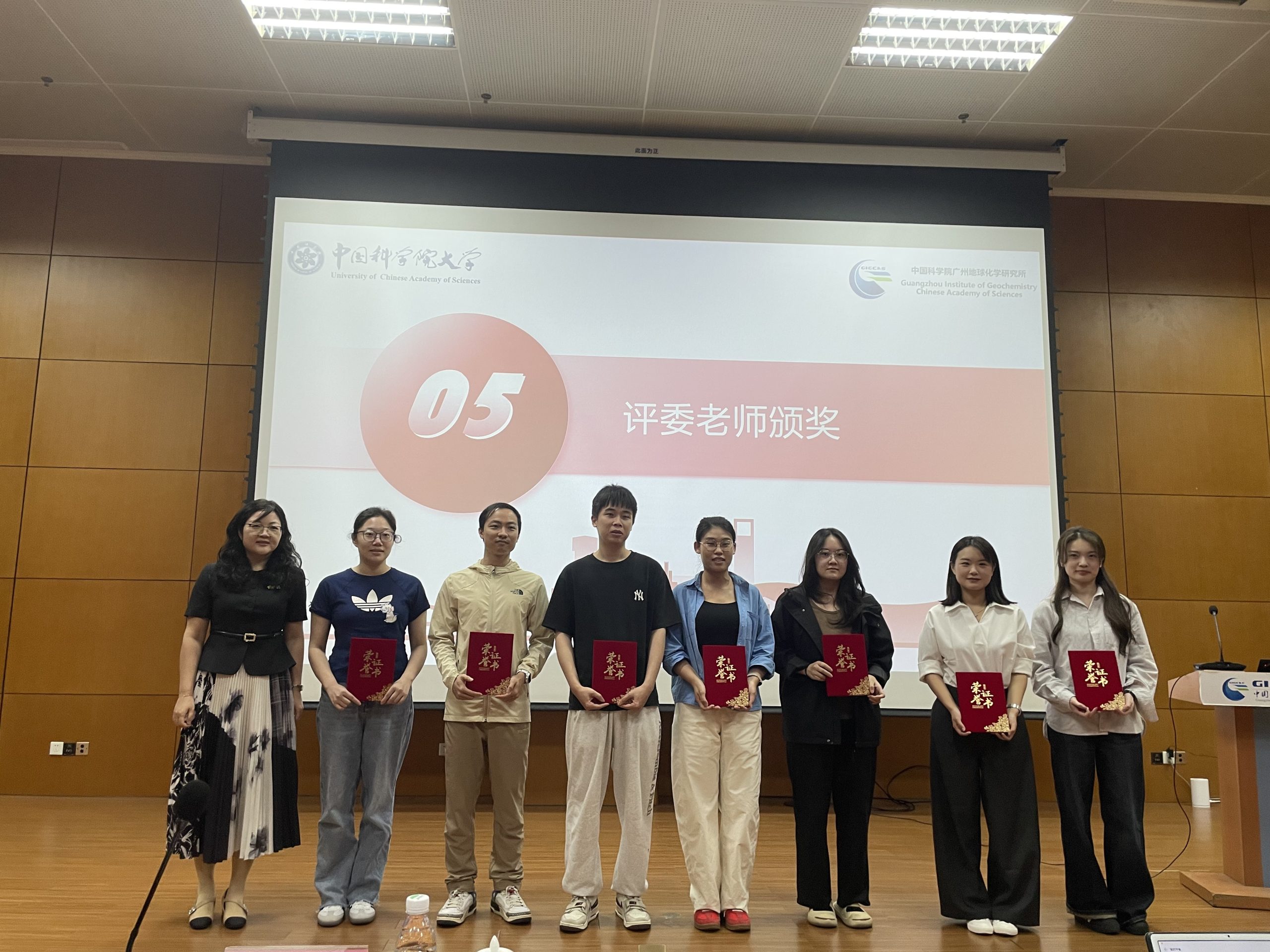
From February 4th to 6th, the Air-Omics Squad(“爱米小分队”) efficiently completed the 2025 Fish Plan(“咸鱼”计划) ,marking another significant milestone in the team’s five-year journey of continuous research efforts. This year’s project brought together a blend of experienced veterans and enthusiastic new members, including fresh participants Yuxin, Hangyi, and Qijing. The team was divided into two groups, working in Lab 206 and Lab 409 respectively. All members were equipped with gloves, masks, and knives, and carried out the procedure under strict quality control protocols with exceptional dedication.
The Fish Plan once again demonstrated the outstanding teamwork and execution capabilities of the Air-Omics Squad. We look forward to embracing the challenges of the sixth year with even greater enthusiasm and a proactive attitude, aiming to achieve even more remarkable accomplishments!
 Team1 (From left to right,from first row to second row): Siqi,Yuwei,Ning,Kun,Hangyi,Zibin.Coho Salmon from Heilongjiang
 Kun was dissecting a Coho salmon
 Small yellow croaker
 The dissected hairtail
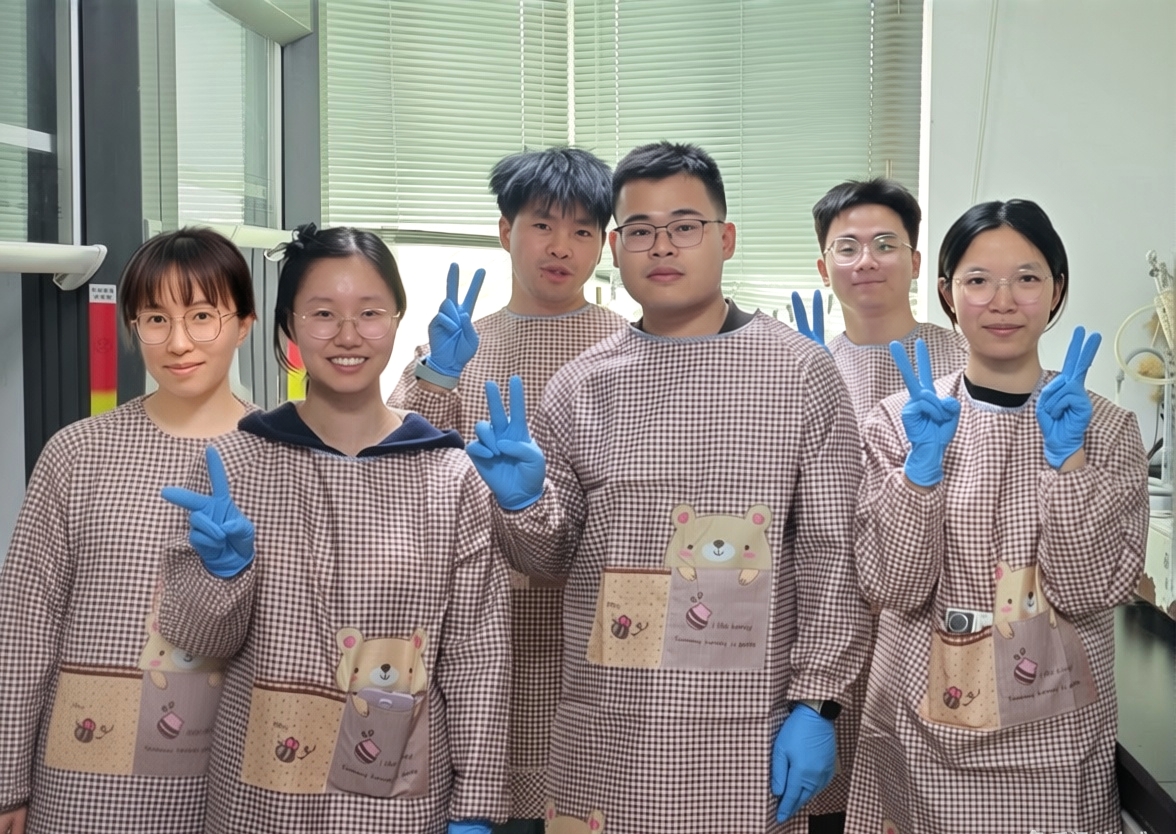 Team2 (From left to right): Qjing,Weiru,Yuxin,Jianchu,Xiaosong,Xin


 Team2’s members were working diligently.
 Crushing the fish liver
 Don’t forget Crazy Thursday!