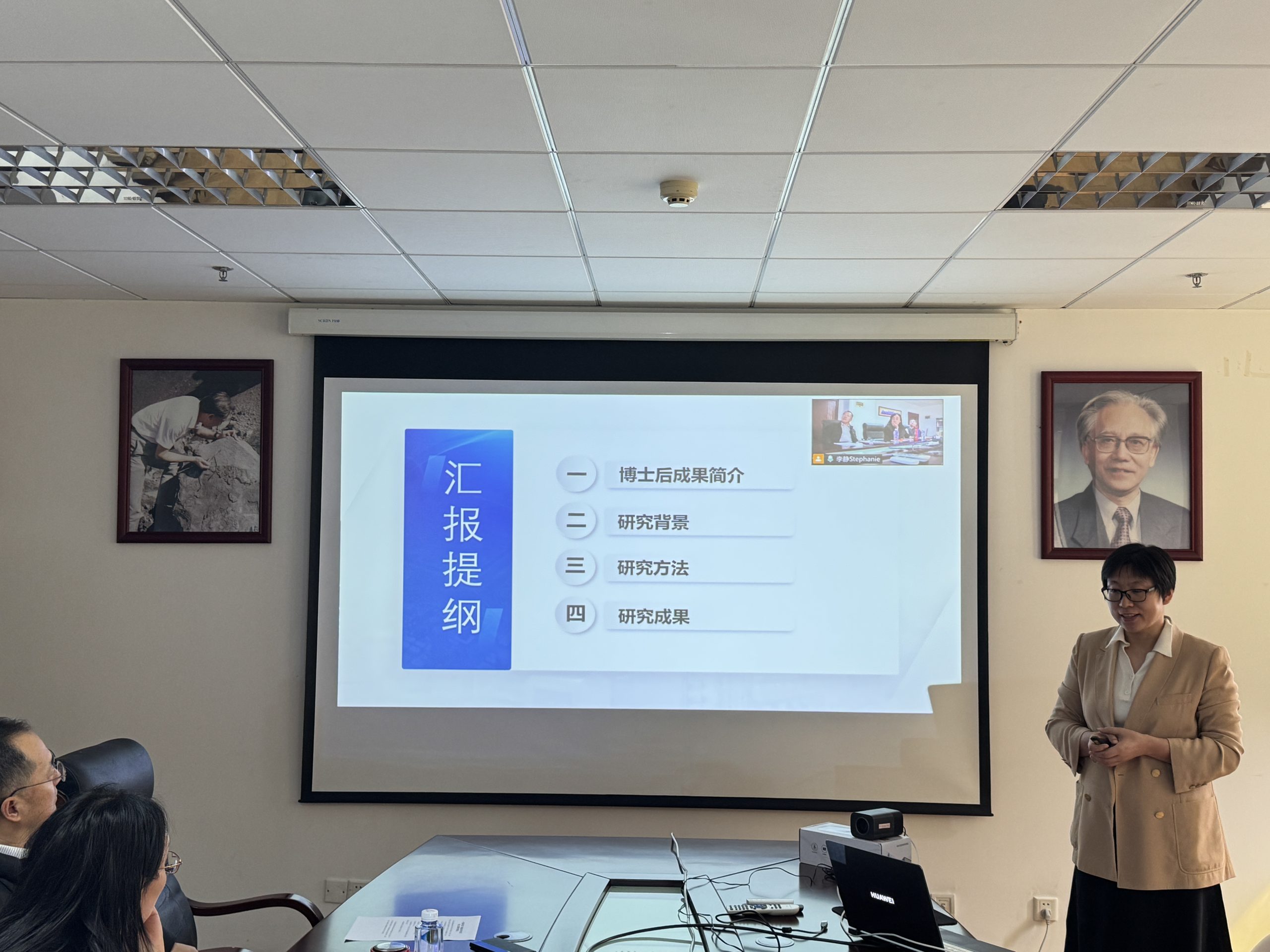
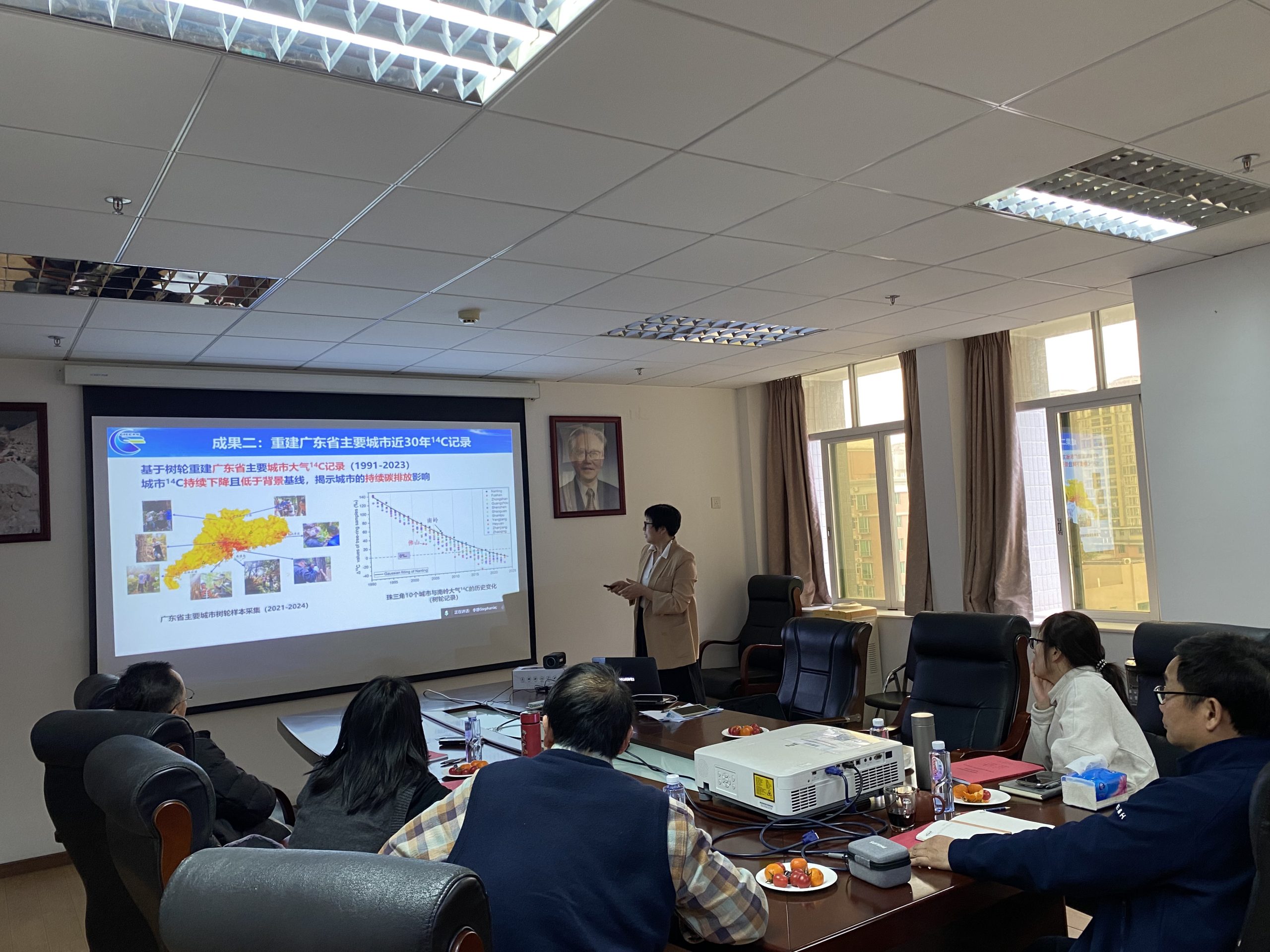
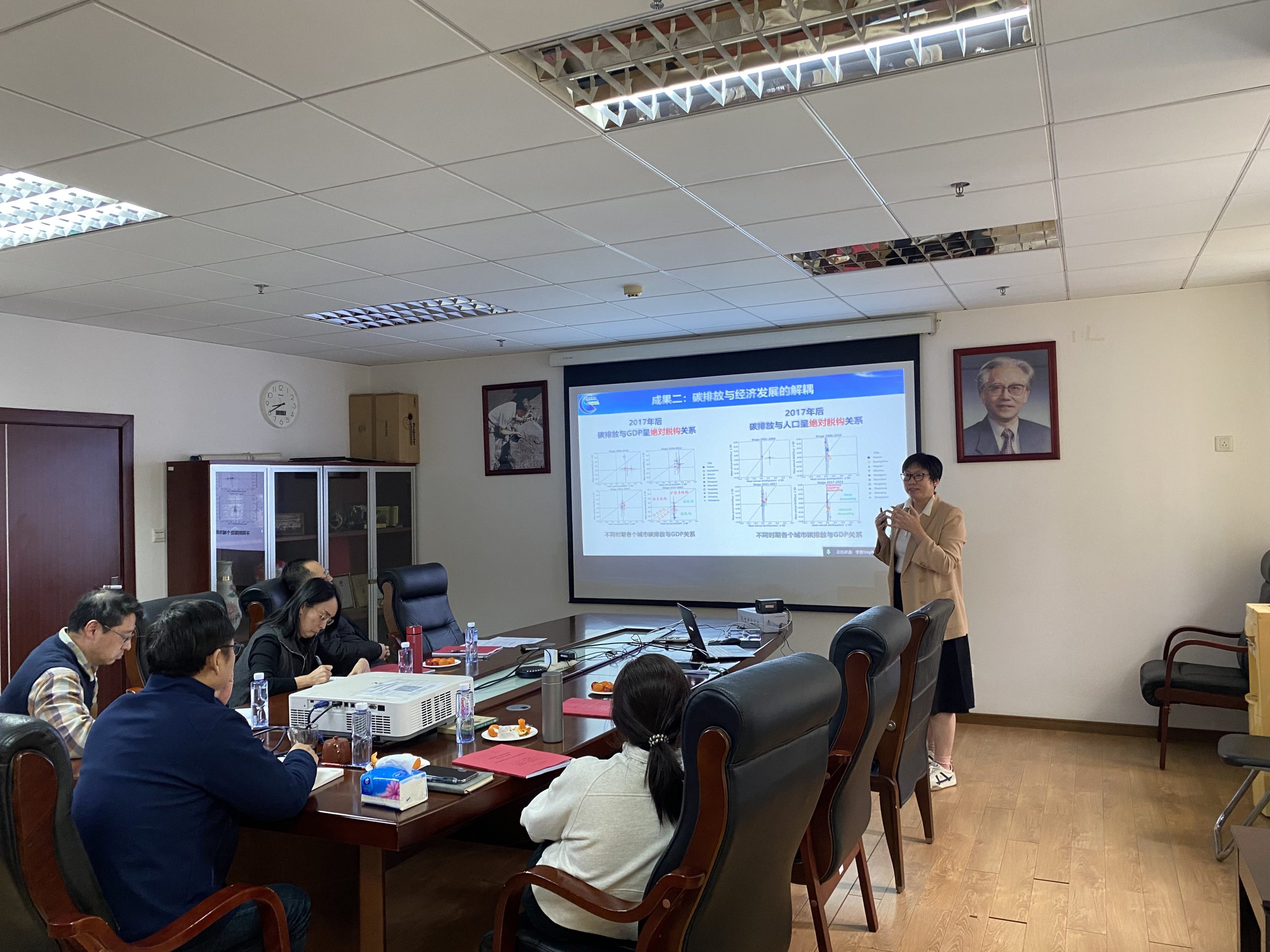
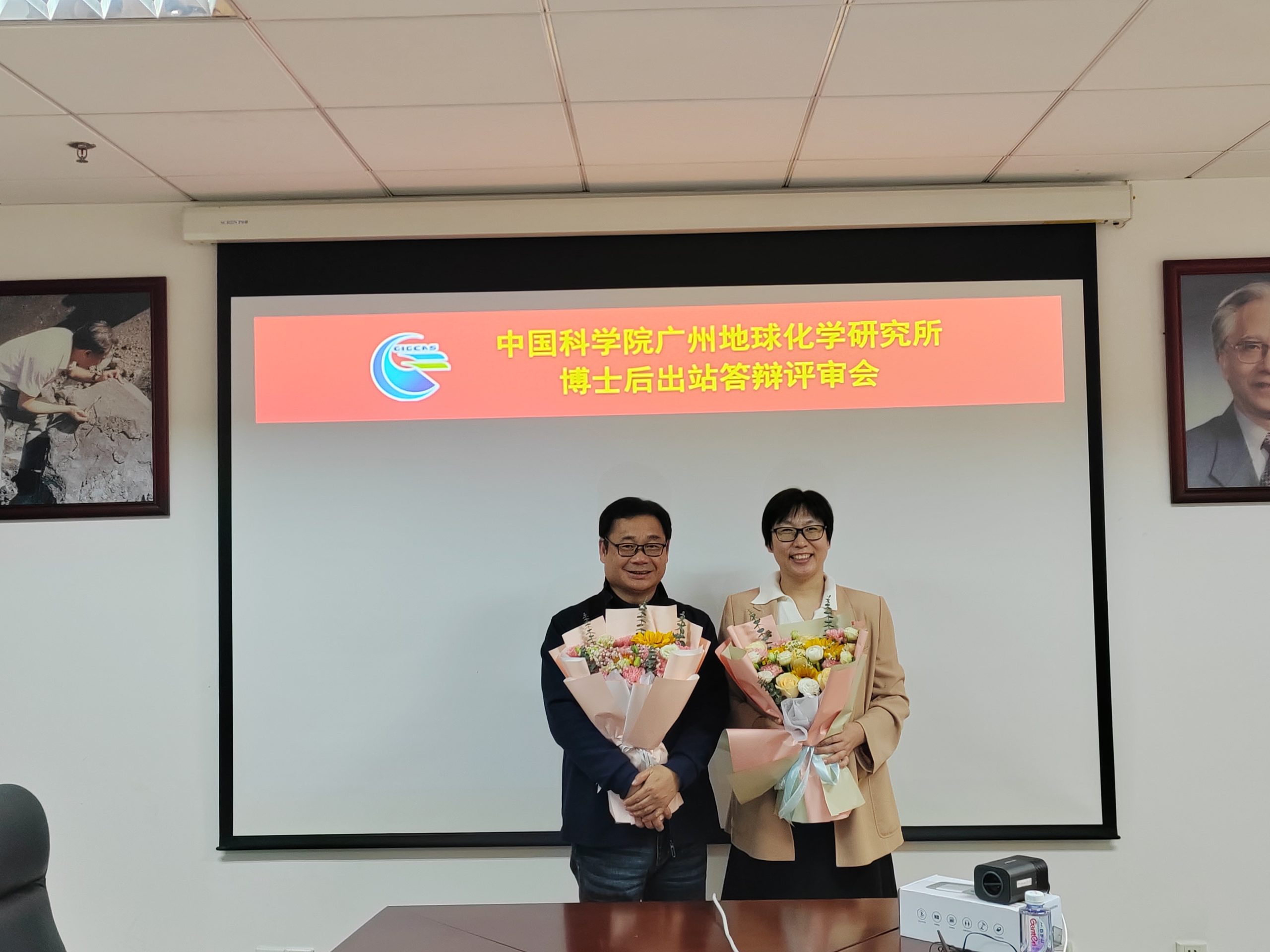
On December 10-12, in Zhuhai珠海, many of us attended the annual bilateral workshop of Guangdong-Hong Kong-Macao Joint Laboratory on Environmental Processes and Pollution Control, which is mainly between SKLAET and FCE of Hong Kong Polytechnic University (HKPolyU). I gave an opening talk with a title of Old Path White Clouds(故道白云), for a retrospective view of the mass spectrometry (MS)’s iteration and evolution in SKLOG-SKLAET with emphasis on the MS emplacement and performance in our group. Guangcai钟广财 presented new progress ion the application of BPCA to studying BC’s role in aerosol light absorption properties and toxicity. Jiang Longfei江龙飞 talked on the microbial processes involved in the degradation of OPEs in soil. Li Jing李静 gave a nice talk on plant 14C monitoring and modelling in Shenzhen, and was awarded the Best Oral Presentation; Shaojun吕少君 introduced her extraordinary results of aqueous formation of hydrophilic organophosphorus esters (OPEs); Buqing and Jianchu 马建初 both presented their posters, and Jianchu’s poster on micro and nano-PVC plastics as vectors of chlorinated paraffins (CPs) in the atmosphere was awarded the Best Poster Presentation. Shizhen赵时真 and Buqing徐步青 attended the workshop and contributed in their discussion sessions. Buqing步青 reported to the workshop on the discussion results by on behalf of the PDRAs group. Luo Chunling 罗春玲chaired a session; and Jibin 李继兵and Longfei江龙飞 helped in looking after the organizations of the workshop. We met many friends from both Hong Kong and Sun-Yat-San University, including professors Li Xiangdong李向东 and Zou Shichun邹世春, Haoyu蒋昊余, Tan Yujun谭羽俊 etc. Nice food and nice hotel, a great and memorable annual gathering!
分类目录归档:博士后
Field Trip to Hani Terraced Fields
🌾Journey to the Hani Terraces
From October 23 to November 2, 2025, the “Soil Excavation Team” composed of Fan, Xiao, Yuxin, and Hangyi, conducted fieldwork at the Hani Terraced Fields in Yuanyang County, Yunnan Province.
Recognized as a UNESCO World Cultural Heritage Site, the Hani Terraces are a masterpiece of human wisdom and nature’s artistry. For more than 1300 years, generations of Hani people have sculpted the mountainsides into cascading paddy fields, nourished by a centuries-old forest-village-terrace-river ecosystem that still thrives today.
Figure 1. Hani Terraces: morning mist, sunset glow, and sea of clouds(Photo by Hangyi)
🌱Digging into the Terraced Earth
Over several days of fieldwork, the team ascended from the lush valleys at 800 m to the misty ridges at nearly 2000m, collecting paddy soil profiles along the way. Each layer of soil tells a story about how carbon accumulates, transforms, and moves within this centuries-old agricultural landscape.
The samples will be used to analyze soil organic and black carbon contents and isotope compositions, shedding light on carbon cycling processes and contributing to understanding the climate resilience of traditional farming systems.
Figure 2. Sampling sites
Figure 3. Field Sampling workflow: site inspection, soil profile excavation, parameter measurement, and sample preparation
👣Challenges, Smiles, and Stories Along the Terraces
The slippery terraces, steep trails, and sudden mountain mists made the fieldwork challenging. Yet every shovel of soil, every set of measurements, and every laugh shared on the rice paddies make the journey worthwhile.
We are especially grateful to the Hani farmers and village committees for their warm support. Their stores about traditional irrigation and terrace management helped us appreciate the enduring vitality of this landscape.
Figure 3. Fieldwork Shadows
From left to right: Xiao, Fan, Hangyi, Yuxin, and the Hani terrace guide
(Written by Jiangfan)