Yuwei’s paper ‘Highly Volatile POPs in Urban Air across Asia and Africa: Dominance of Volatile Methylsiloxanes‘ has been published in ES&T. This is the first paper of our group in the year of 2026. Congratulations!
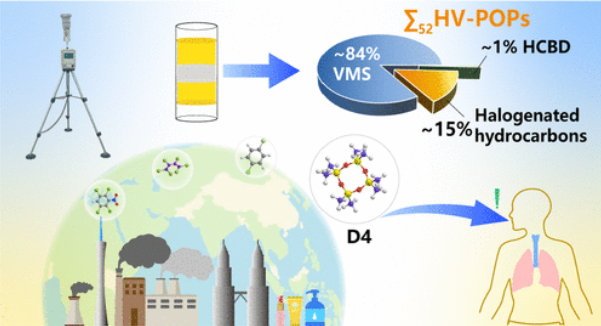
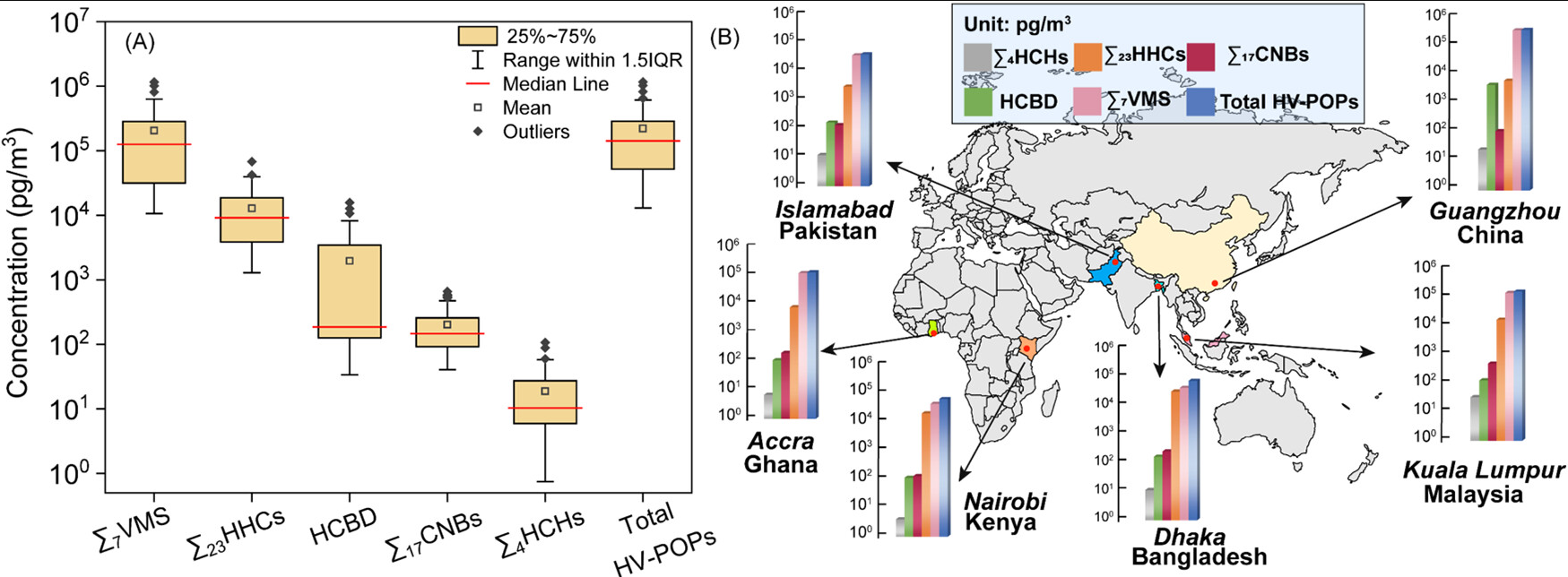


Yuwei’s paper ‘Highly Volatile POPs in Urban Air across Asia and Africa: Dominance of Volatile Methylsiloxanes‘ has been published in ES&T. This is the first paper of our group in the year of 2026. Congratulations!
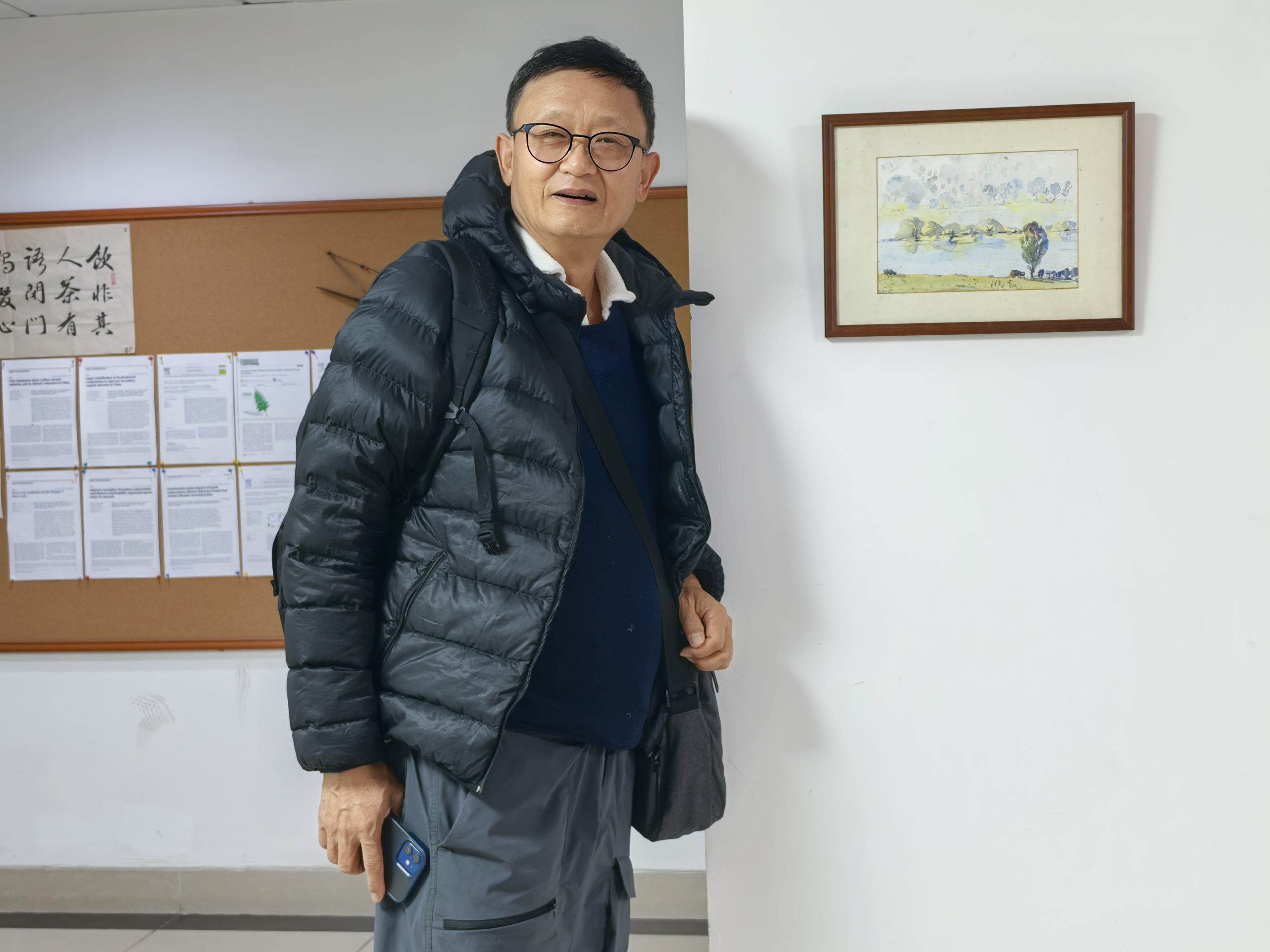
On 25 December, Dr. Li Hong visited our group while passing through Guangzhou. He previously worked closely with Kevin Jones at Lancaster University and the Centre for Ecology & Hydrology, where he provided great support in helping many Chinese visitors settle in at Lancaster University. Now retired, his visit brought back many fond and memorable moments from our time in the UK. He is a brilliant artist, and created the paints on the wall at the group corridor-corner. 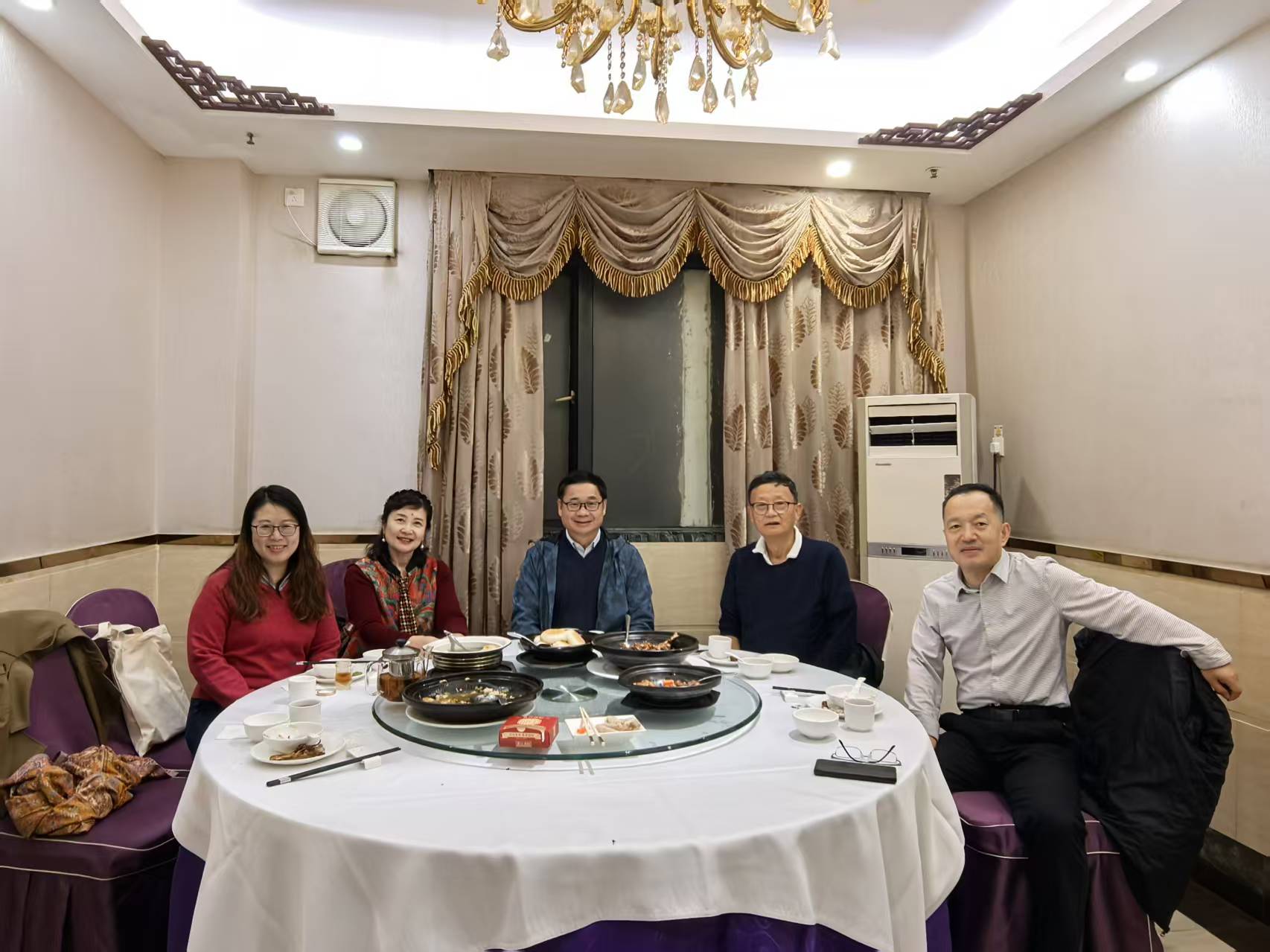
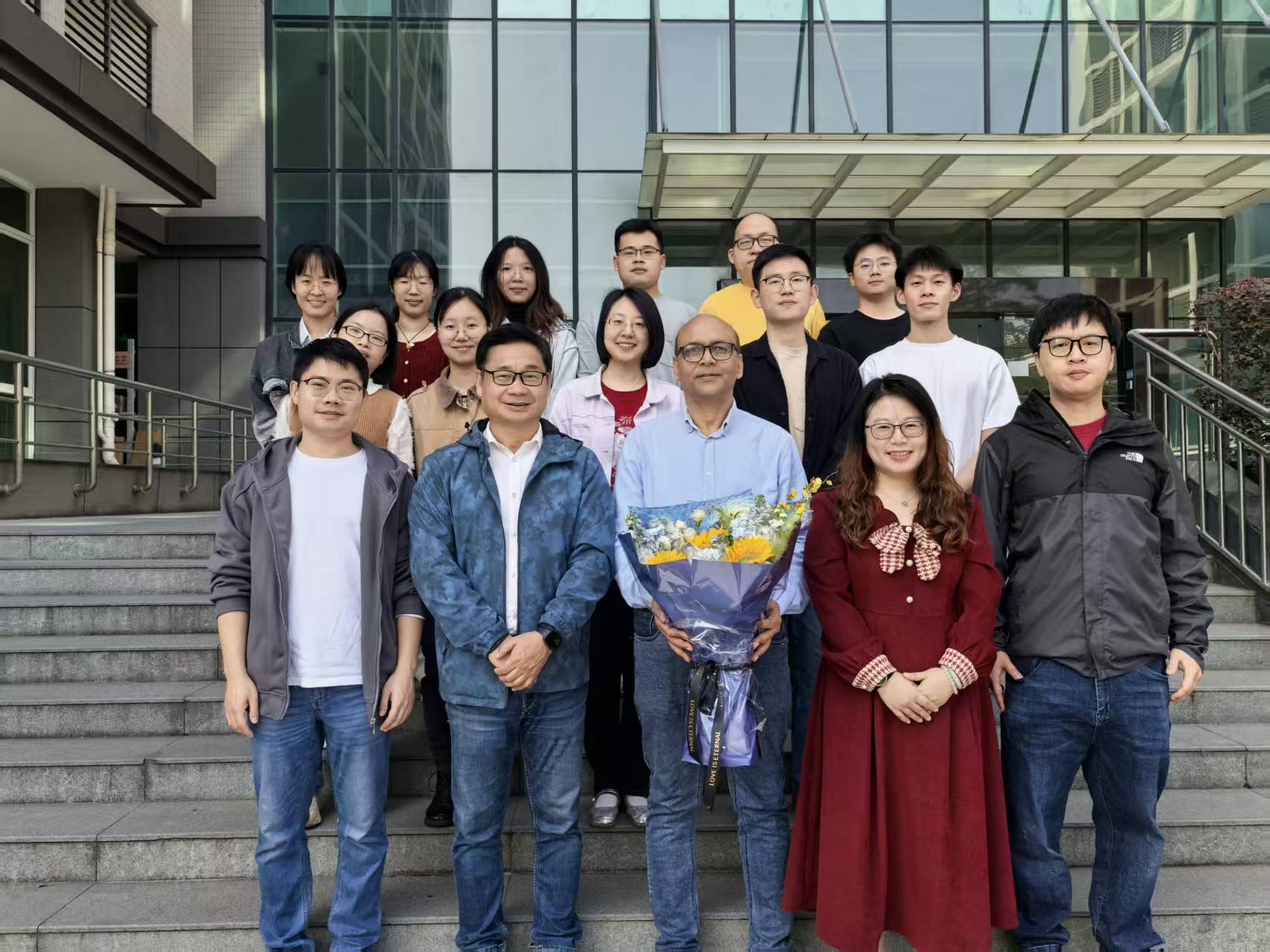
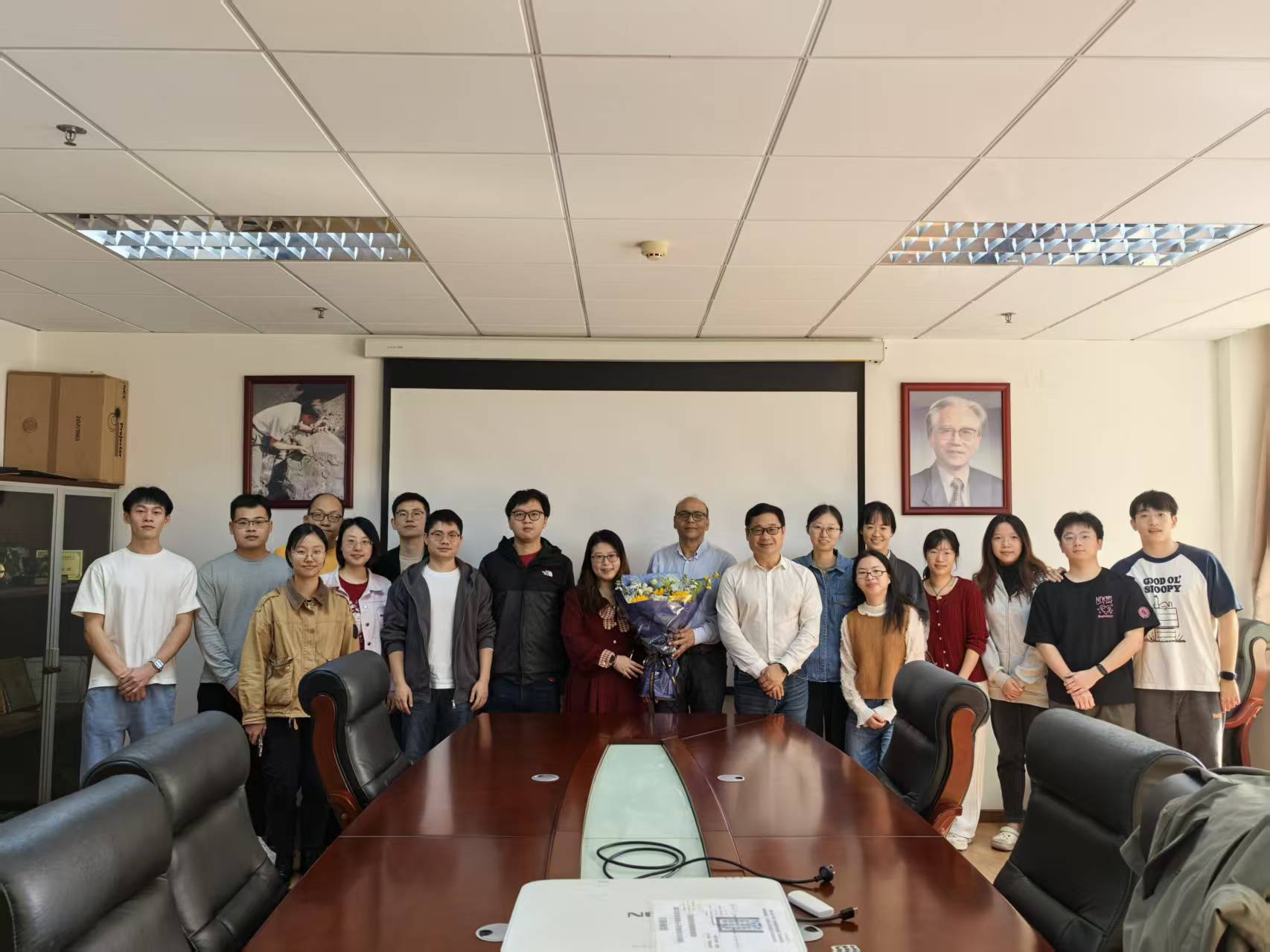
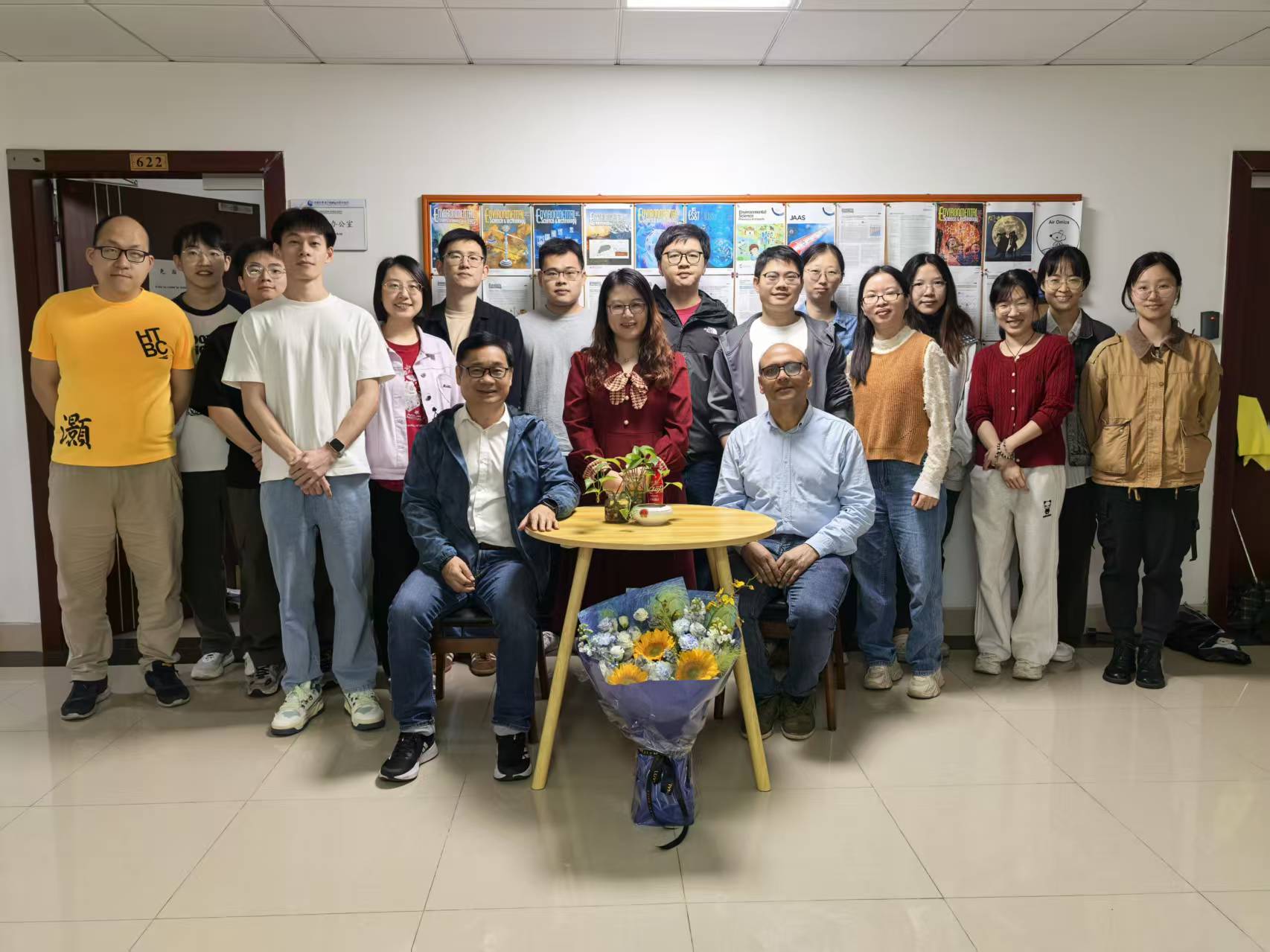
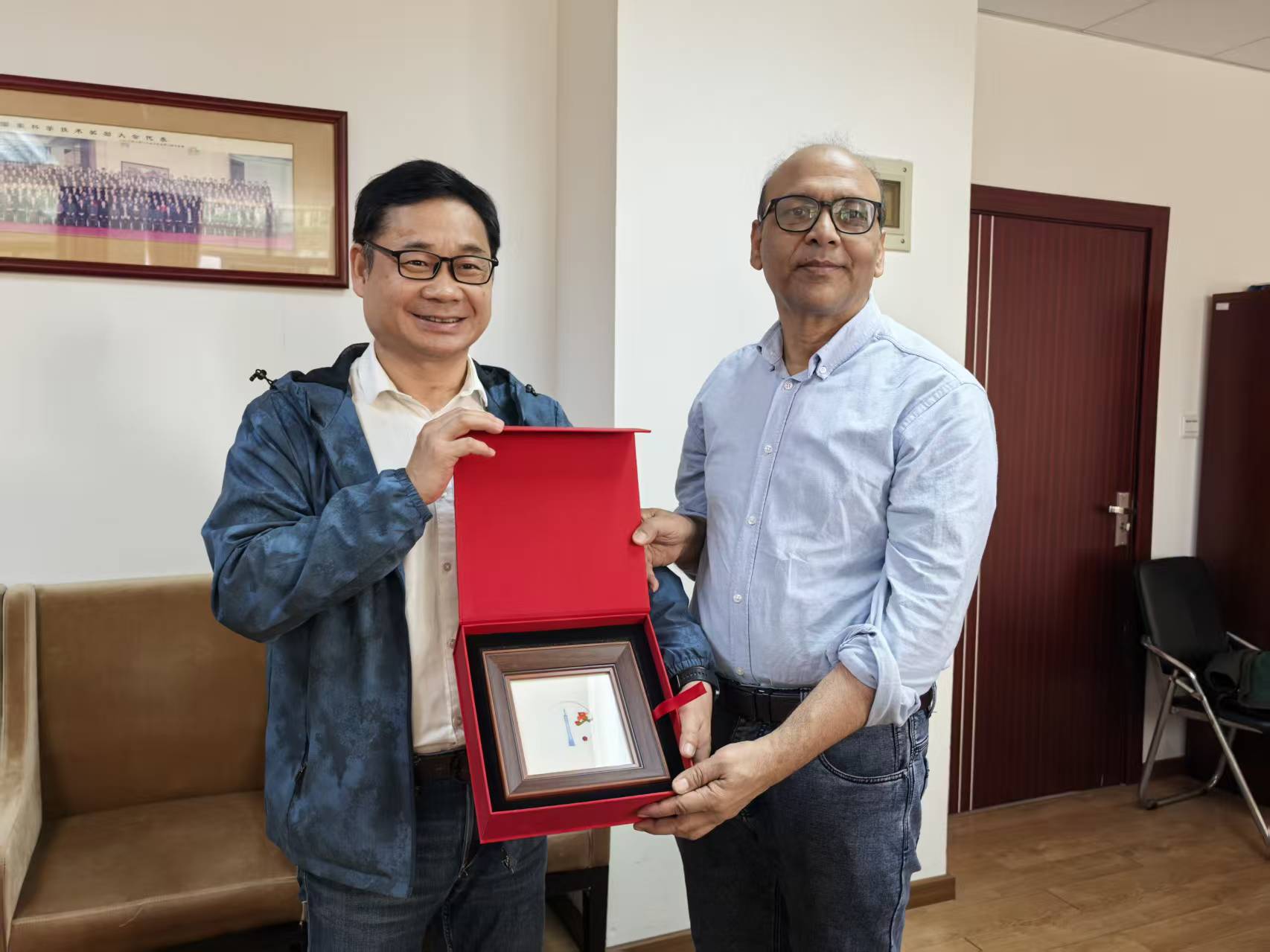
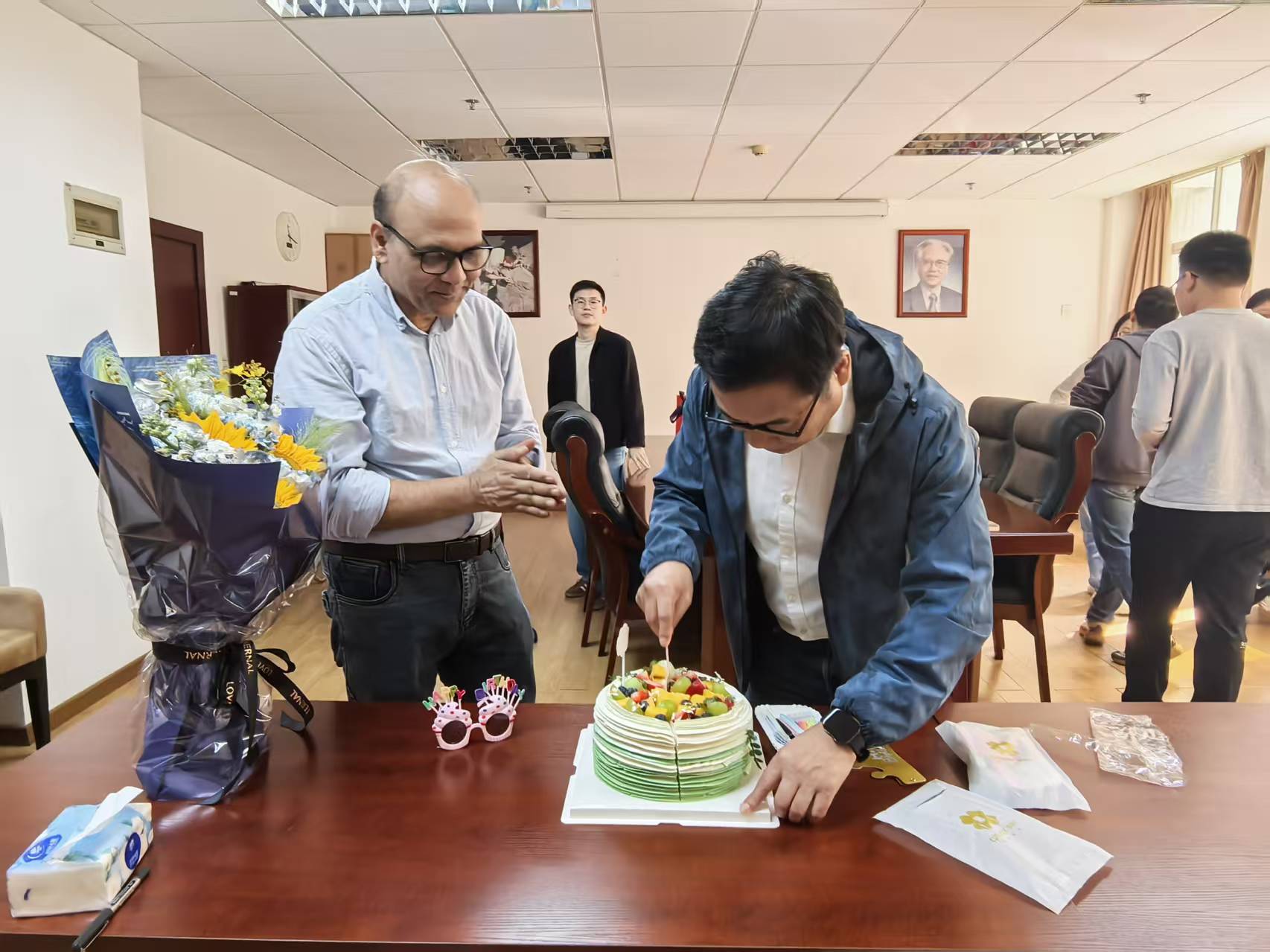
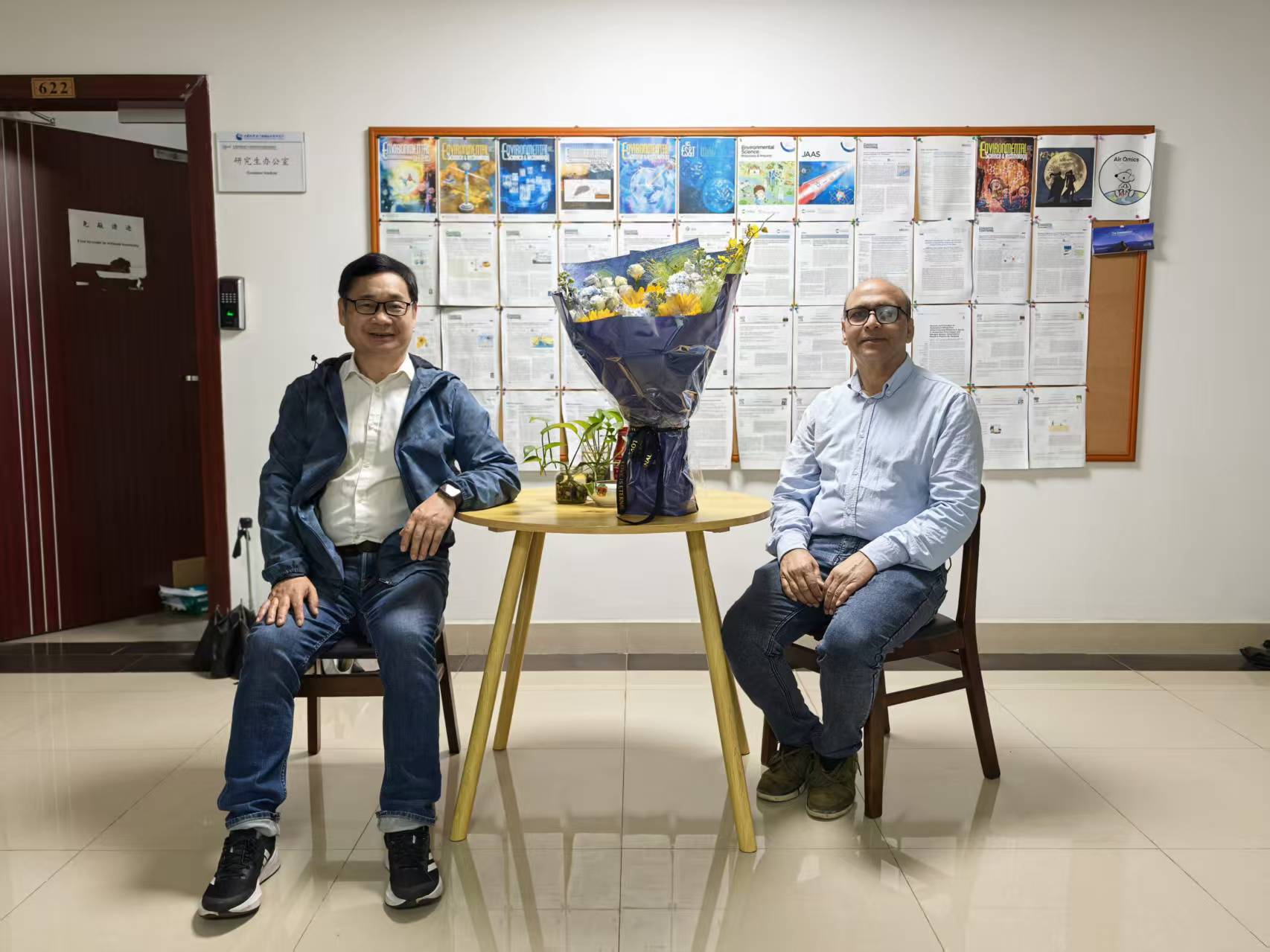
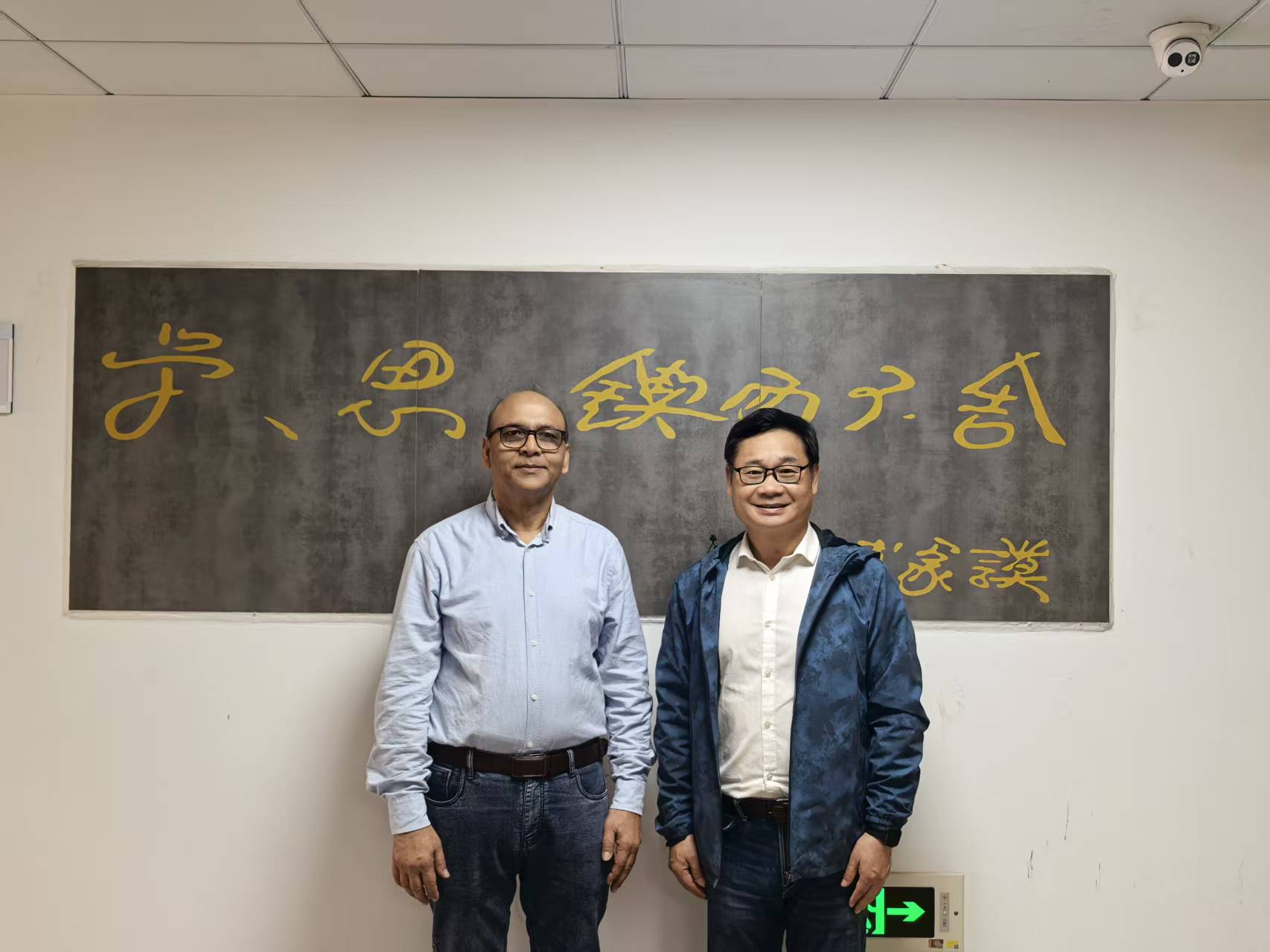
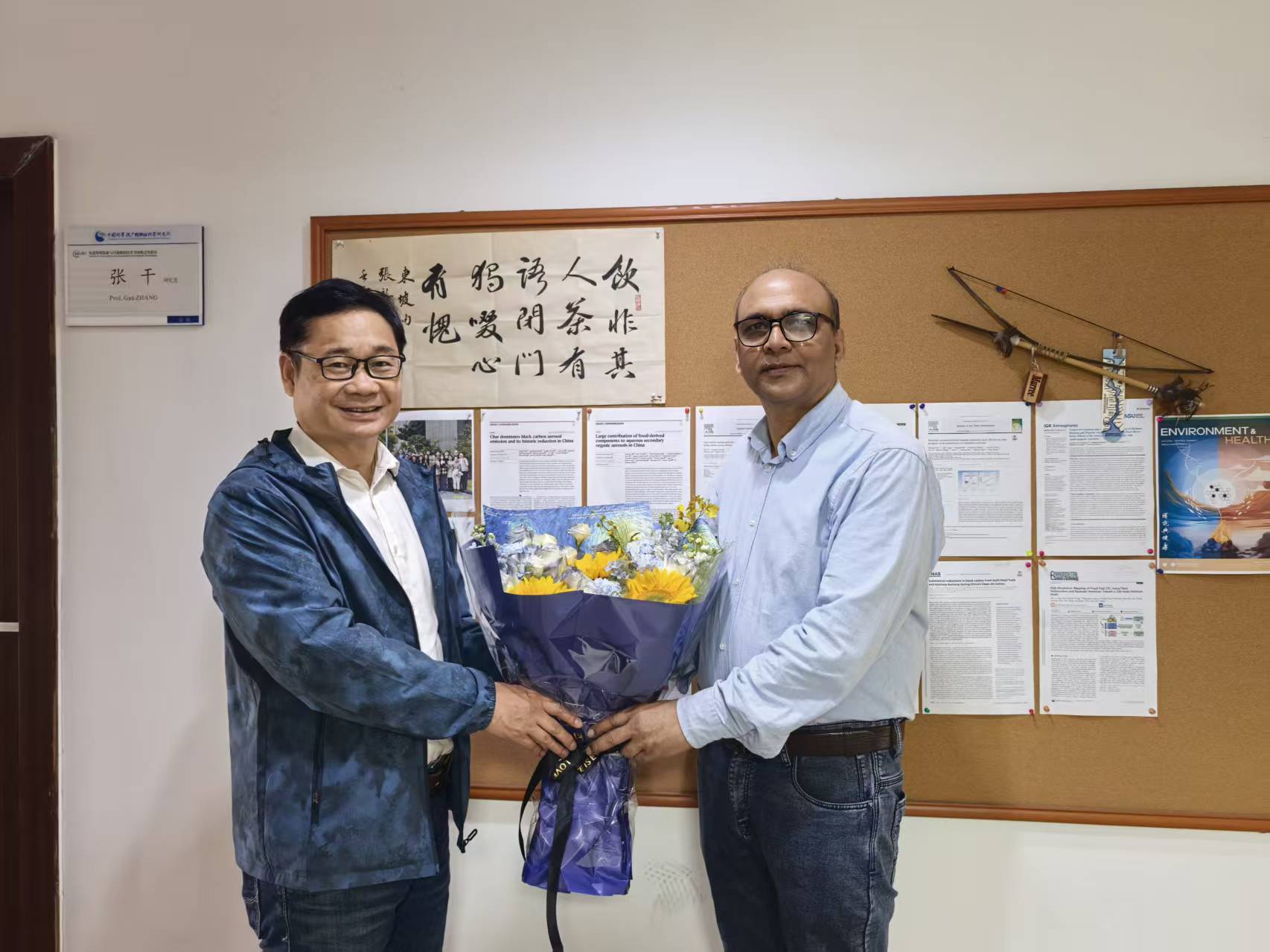
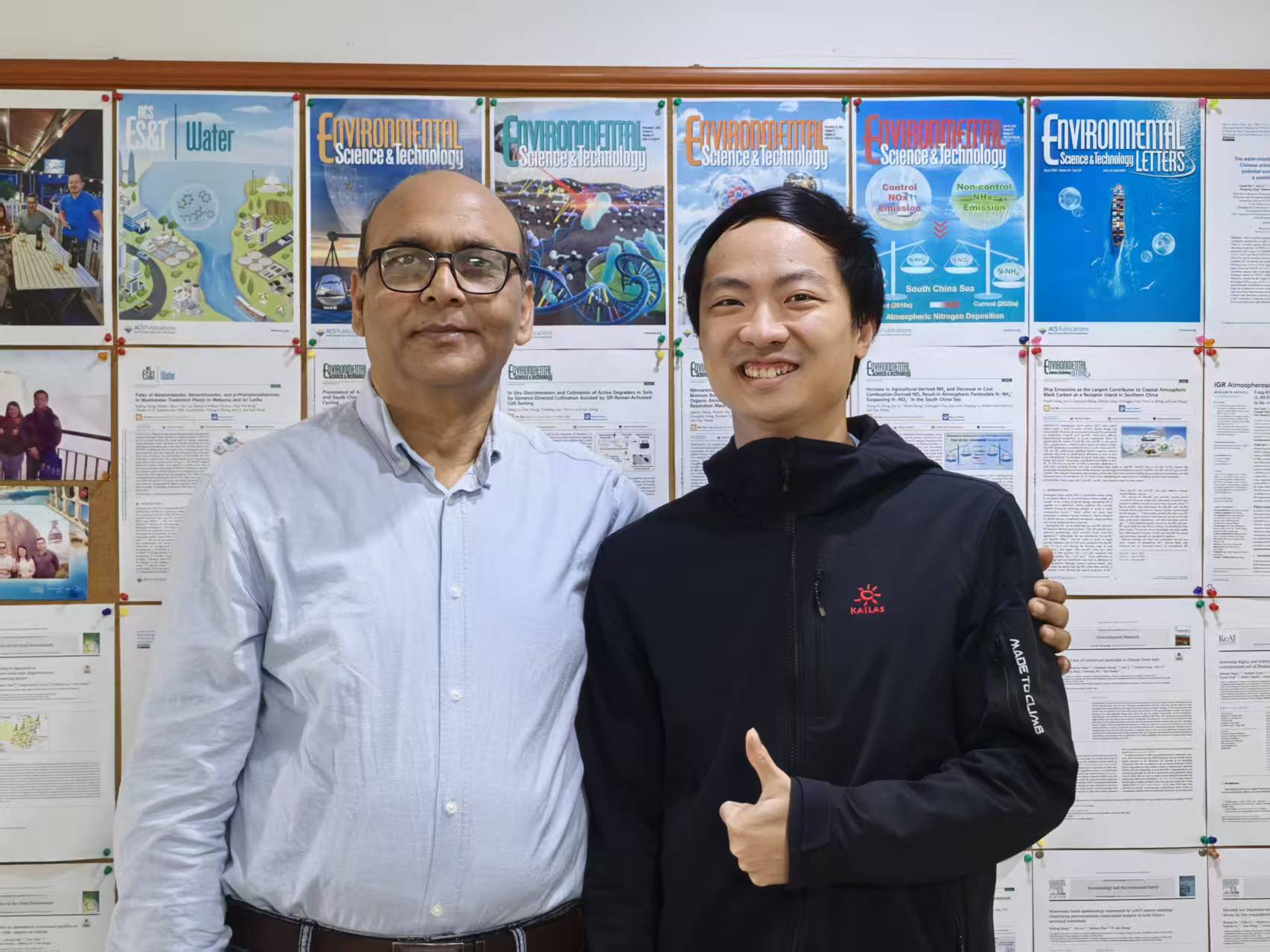
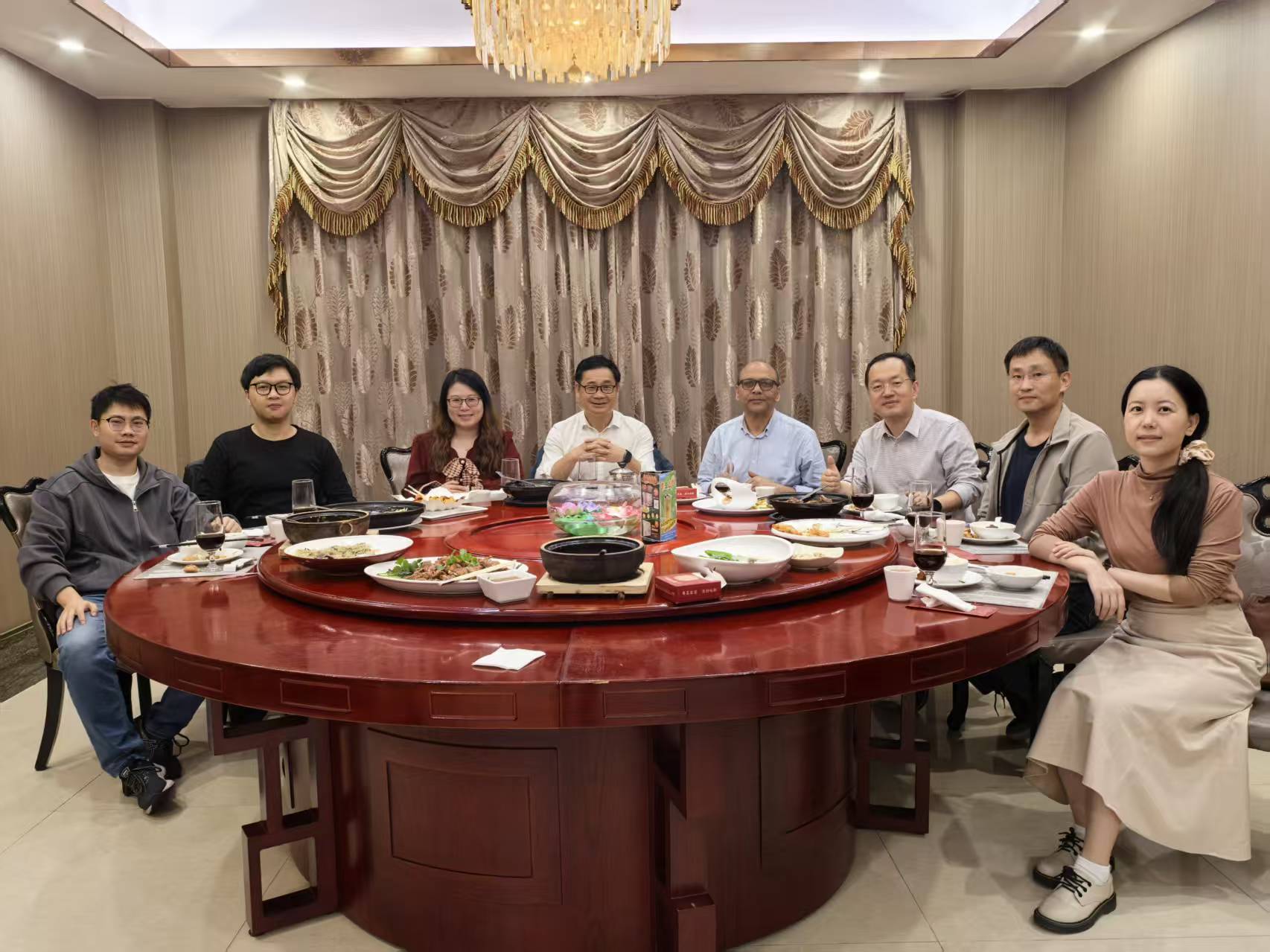
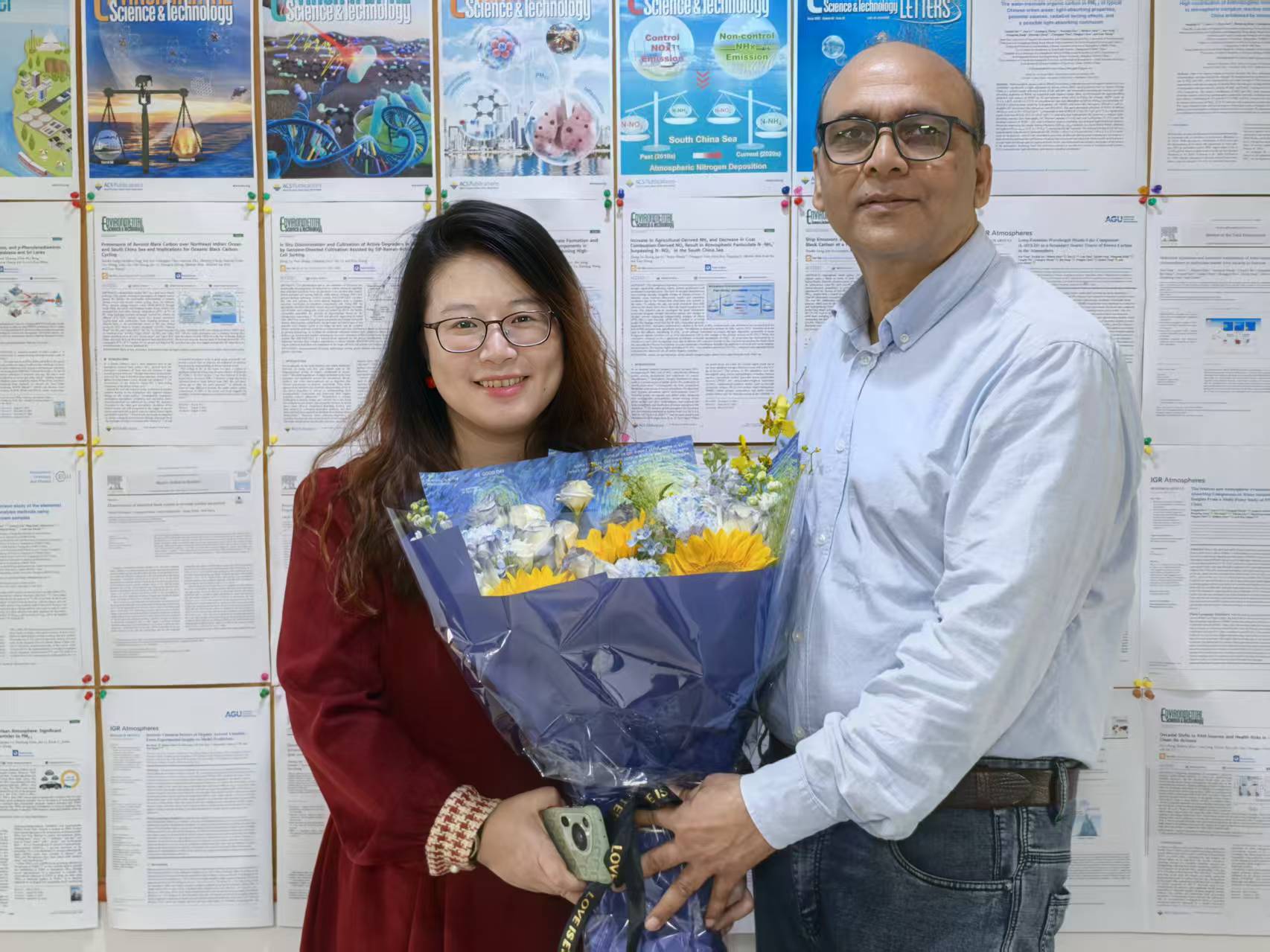
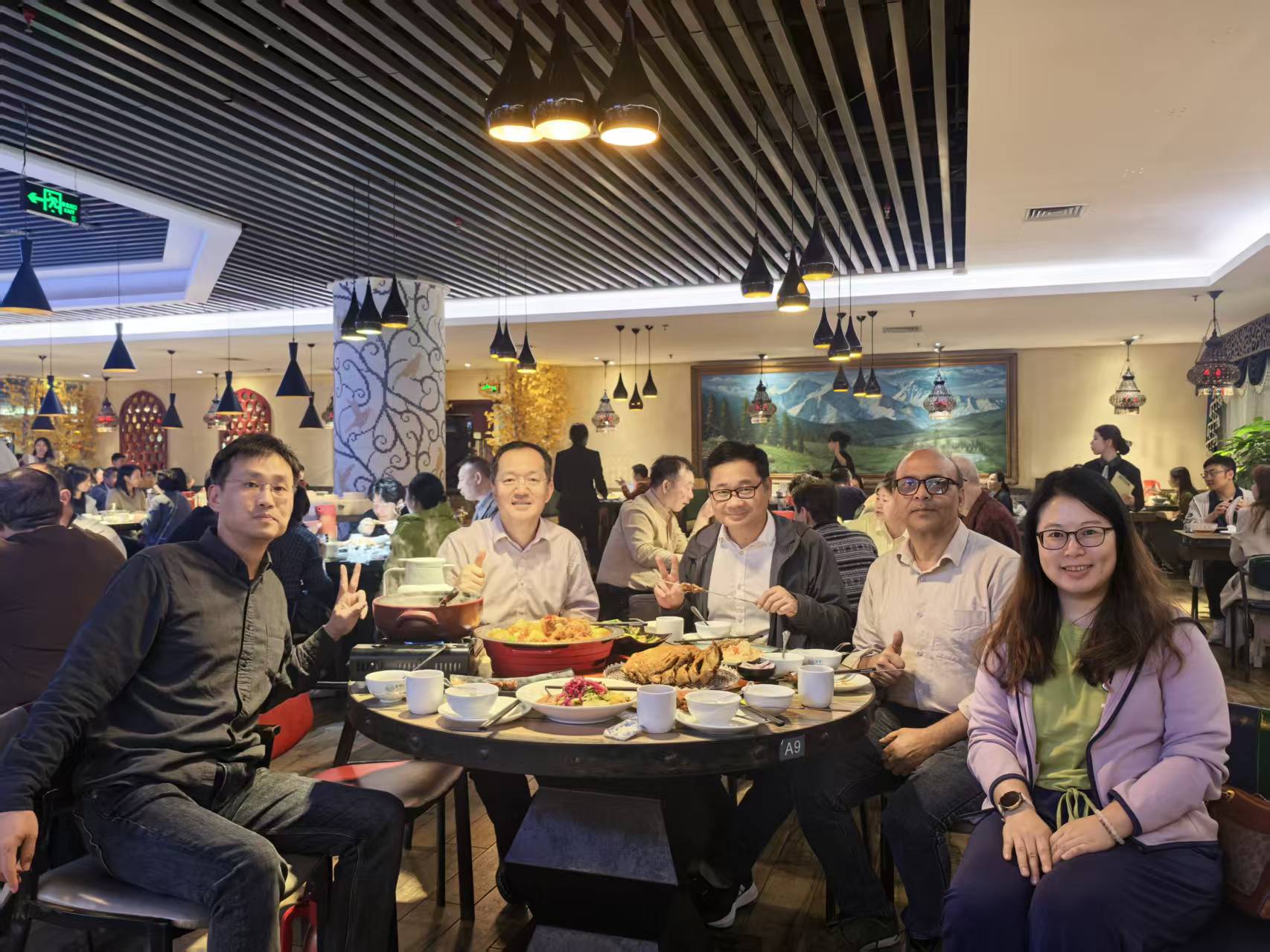
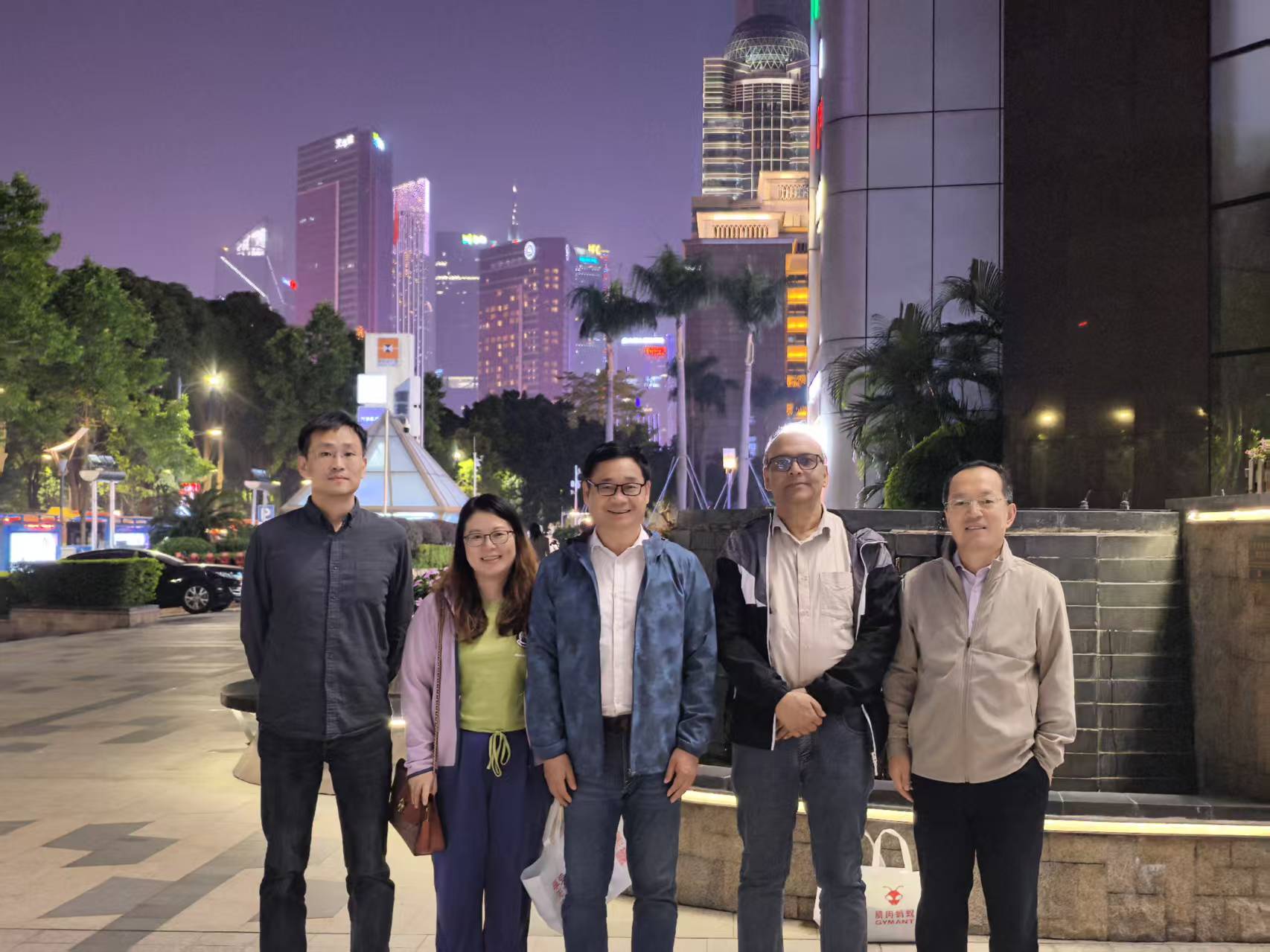
On 23 December, we held a small but warm farewell gathering for Prof. Habib as he successfully completed his nine-month PIFI fellowship with our group and returned to his home country. A few days earlier, on 21 December, Prof. Habib kindly invited us to a dinner to express his thanks, during which we enjoyed a pleasant evening at a Xinjiang restaurant, and everyone bought a GYMANT sports outfit.
During his fellowship, Prof. Habib was deeply involved in our research activities and academic exchanges, making valuable contributions through discussions, collaboration, and support in both research and fieldwork. We are sincerely grateful for the time he spent with us, his generosity in sharing knowledge and experience, and his strong commitment to collaboration. His presence greatly enriched our group, both academically and personally. We wish him a smooth return home and all the very best in his work and life ahead, and we look forward to continuing and strengthening our collaboration in the future.