标签归档:王潇

Field Trip to Hani Terraced Fields

🌾Journey to the Hani Terraces
From October 23 to November 2, 2025, the “Soil Excavation Team” composed of Fan, Xiao, Yuxin, and Hangyi, conducted fieldwork at the Hani Terraced Fields in Yuanyang County, Yunnan Province.

Recognized as a UNESCO World Cultural Heritage Site, the Hani Terraces are a masterpiece of human wisdom and nature’s artistry. For more than 1300 years, generations of Hani people have sculpted the mountainsides into cascading paddy fields, nourished by a centuries-old forest-village-terrace-river ecosystem that still thrives today.
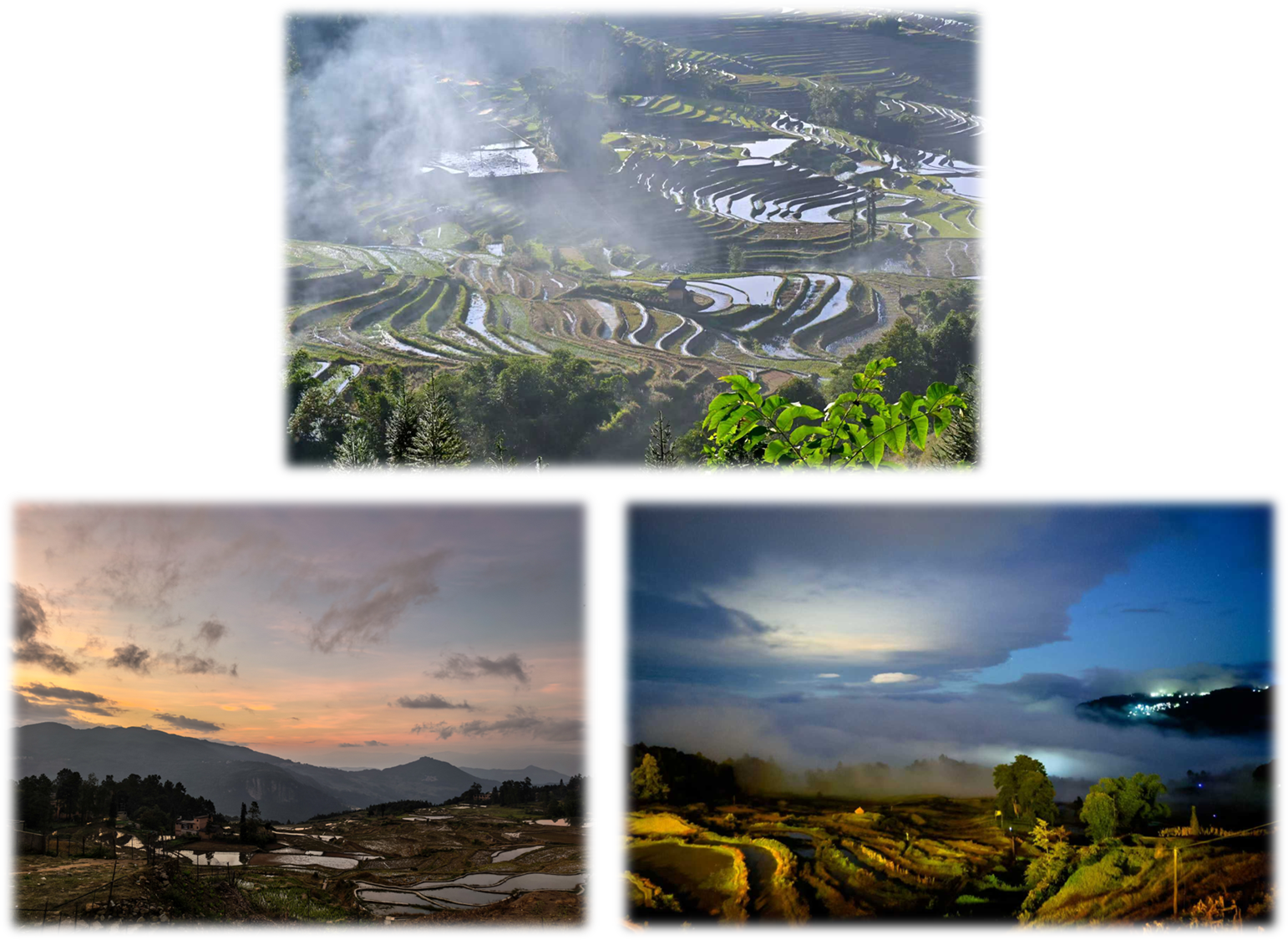
Figure 1. Hani Terraces: morning mist, sunset glow, and sea of clouds(Photo by Hangyi

🌱Digging into the Terraced Earth

Over several days of fieldwork, the team ascended from the lush valleys at 800 m to the misty ridges at nearly 2000m, collecting paddy soil profiles along the way. Each layer of soil tells a story about how carbon accumulates, transforms, and moves within this centuries-old agricultural landscape.

The samples will be used to analyze soil organic and black carbon contents and isotope compositions, shedding light on carbon cycling processes and contributing to understanding the climate resilience of traditional farming systems.
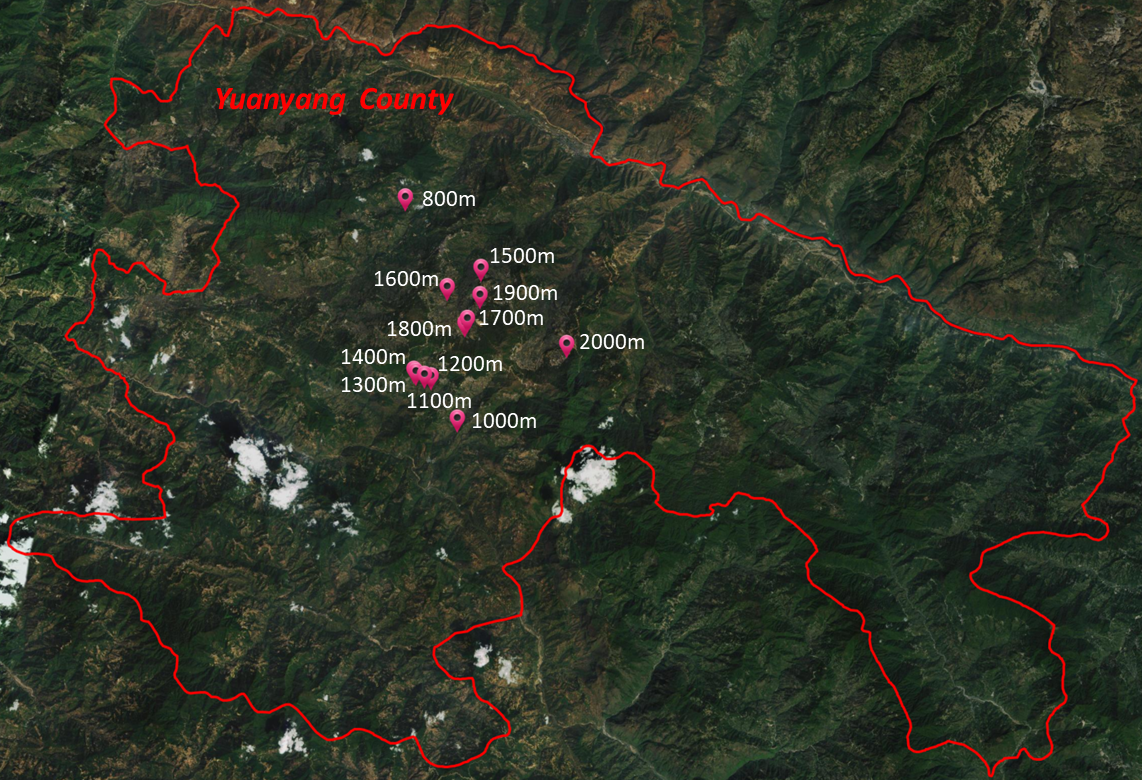
Figure 2. Sampling sites

Figure 3. Field Sampling workflow: site inspection, soil profile excavation, parameter measurement, and sample preparation

👣Challenges, Smiles, and Stories Along the Terraces

The slippery terraces, steep trails, and sudden mountain mists made the fieldwork challenging. Yet every shovel of soil, every set of measurements, and every laugh shared on the rice paddies make the journey worthwhile.

We are especially grateful to the Hani farmers and village committees for their warm support. Their stores about traditional irrigation and terrace management helped us appreciate the enduring vitality of this landscape.
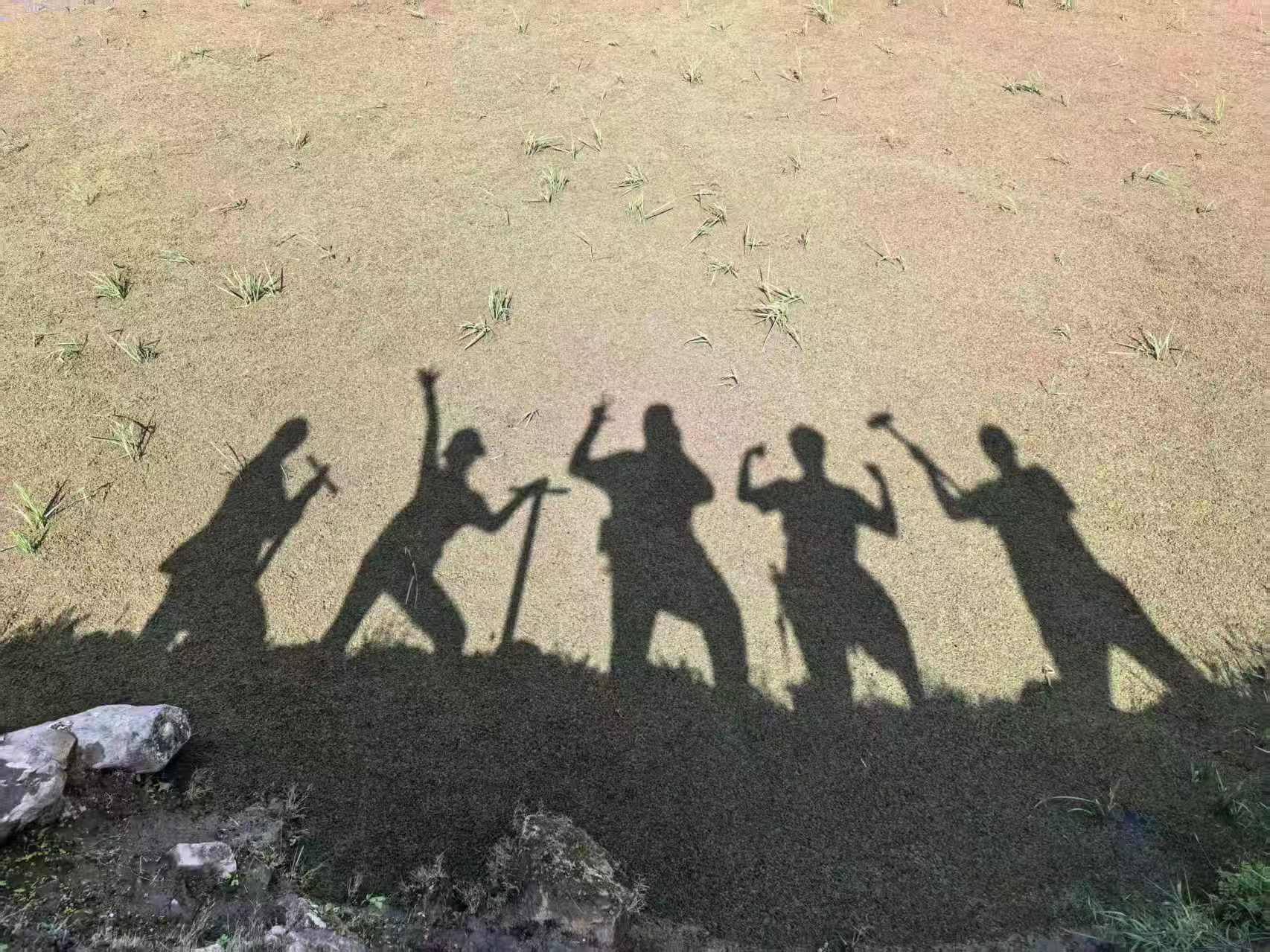
Figure 3. Fieldwork Shadows

From left to right: Xiao, Fan, Hangyi, Yuxin, and the Hani terrace guide

(Written by Jiangfan)

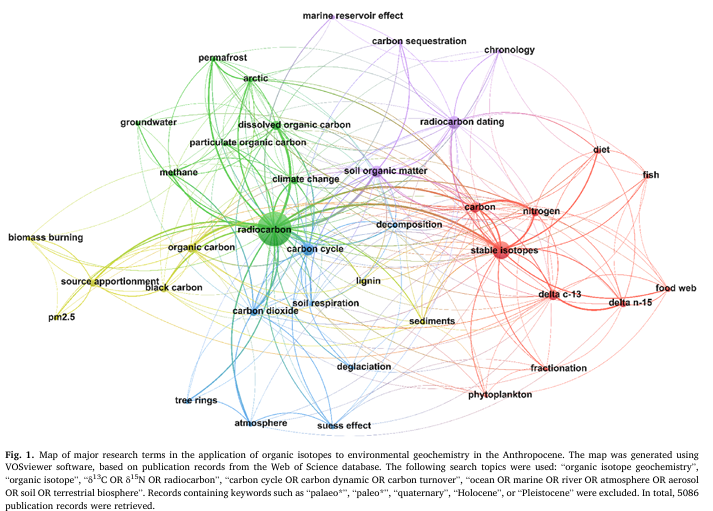
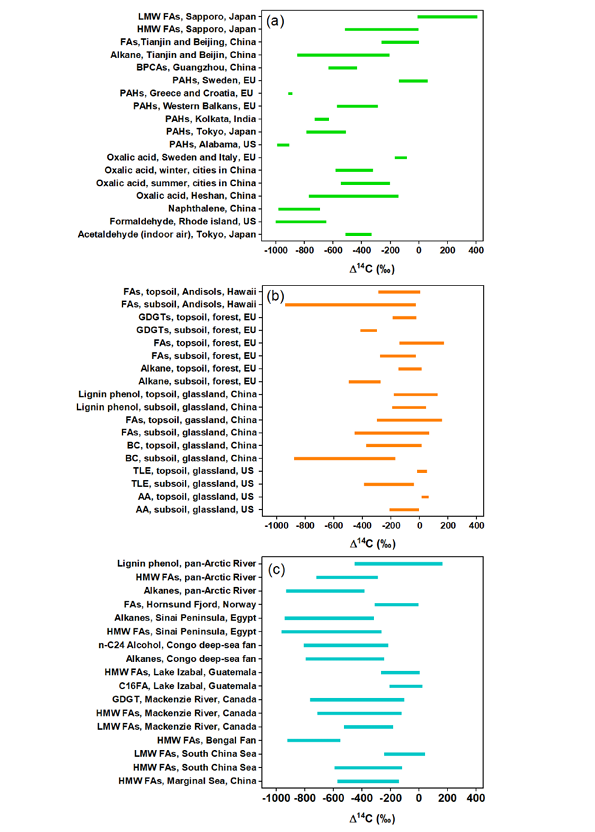
Wang Xiao and Buqing’s new paper accepted for publication in STOTEN

On July 22, Wang Xiao and Buqing’s new paper entitled ‘Tracing anthropogenic contamination in a riverine source-reservoir continuum: insights from molecular markers‘ was accepted for publication in STOTEN.  This is Wang Xiao’s first paper ever. Congratulations!

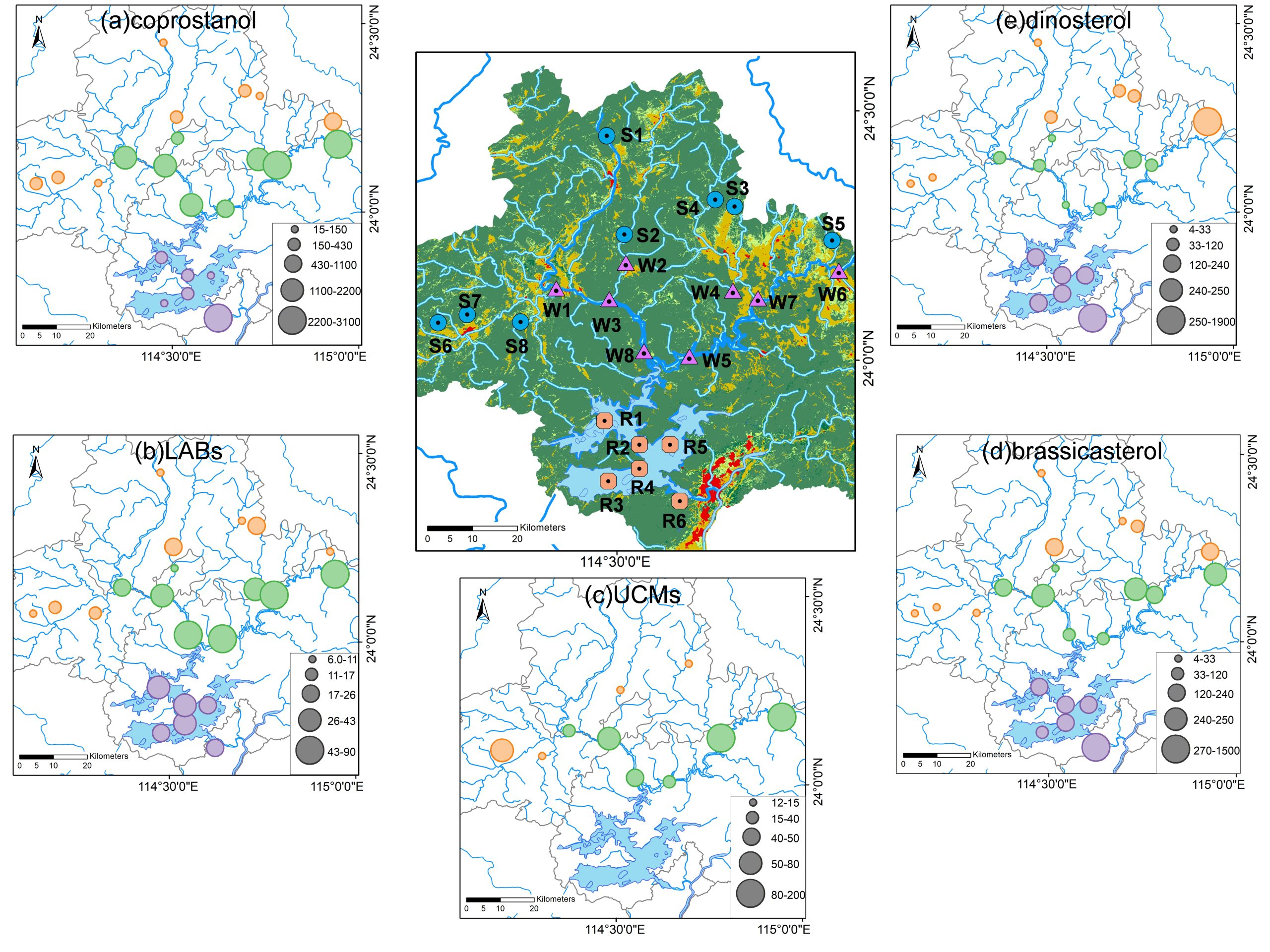
Fig. 4 Distribution of different anthropogenic markers in the Xinfengjiang Riverine Source-Reservoir continuum. (a): coprostanol (ng/g dw), (b) linear alkylbenzenes (LABs) (ng/g dw), (c): unresolved complex mixtures (UCMs) (ng/g dw), (d): brassicasterol (μg/g TOC), (e) dinosterol (μg/g TOC). The middle figure is the sampling sites and land-use patterns map.

NSFC major program “GeoBBC” – 2023 annual meeting

On the 16 -17th of January 2024, the 2023 annual meeting on “Black Carbon: Geochemical fate and environmental effects (GeoBBC)”, a major program of the National Natural Science Foundation of China (NSFC), was held at the Jiayi International Hotel in Guangzhou.

Li Wei (李薇), Deputy Director of the Department of Earth Sciences of NSFC, Academician Tao Shu (陶澍) from Peking University/Southern University of Science and Technology, Academician Peng Ping’an (彭平安) from Guangzhou Institute of Geochemistry, Chinese Academy of Sciences (GIG), Academician Wang Yanxin (王焰新) from China University of Geosciences (CUG), Academician Zhu Tong (朱彤) of Peking University,  Professors Pan Bo (潘波) of Kunming University of Technology, Zhu Dongqiang (朱东强) and Zheng Mei (郑玫) of Peking University, and Chen Yingjun (陈颖军) of Fudan University attended the meeting as seering committee members. Professor/academician He Hongping (何宏平), Director of GIG, Tian Hui (田辉), Director of Science and Technology Department of GIG, and Zhang Gan (张干), chief scientist of the major project, as well as the project leaders and backbones attended the meeting.

The opening ceremony of the conference was chaired by Tian Hui and a welcome speech was delivered by He Hongping. In her speech, Li Wei addressed that the major project was approved in 2021 and started in 2022. The project has been running for two years, with outstanding works, rich achievements and good progress. In addition, Li Wei suggested that the project should further be in line with the national demand and the “dual-carbon” strategy, strengthen target-oriented design, and face mid-term inspections. Zhang Gan gave a general introduction to the project from the aspects of project background, major research progress in 2023, and research plan for 2024. Then Song Jianzhong, Zhang Yanlin and Wang Junjian reported the annual progress of each sub-project, respectively.

The steering committee members fully agreed with the importance of the project. At the same time, constructive suggestions were made in terms of research scopes, innovative breakthroughs and project integrity, followed by in-depth discussions among the project leaders and backbone members. In response to the questions and suggestions raised by the attending experts, the project leaders and key members had a lively exchange and discussion, which helps with the next-year research plan.