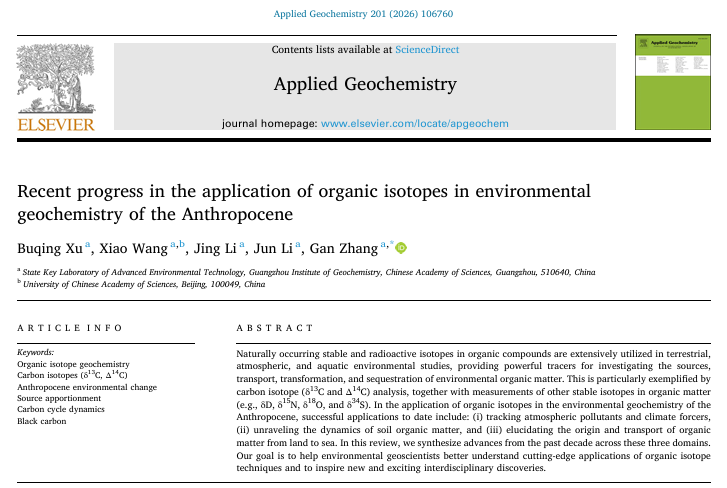
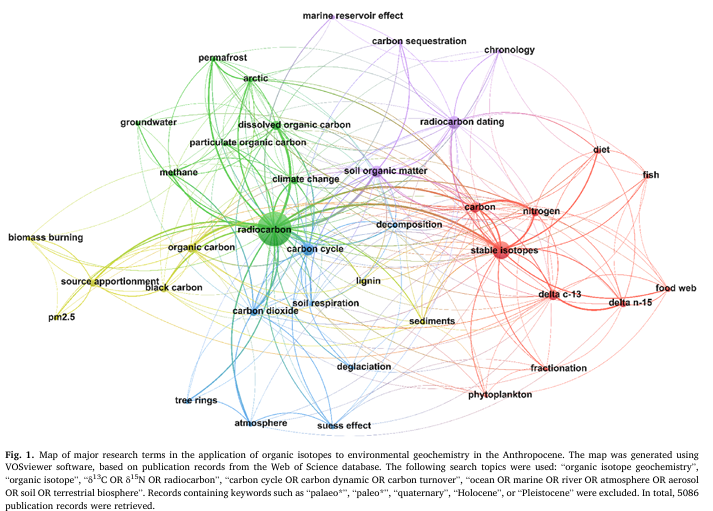
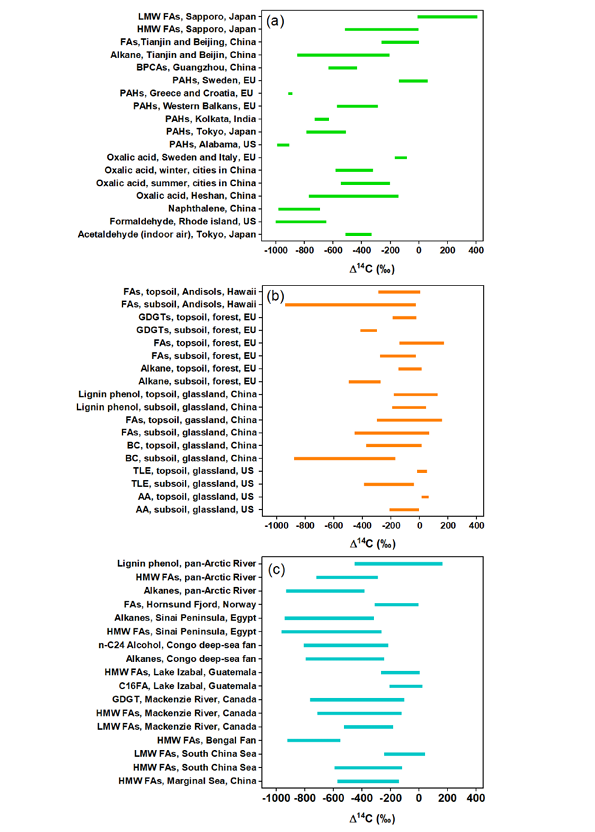
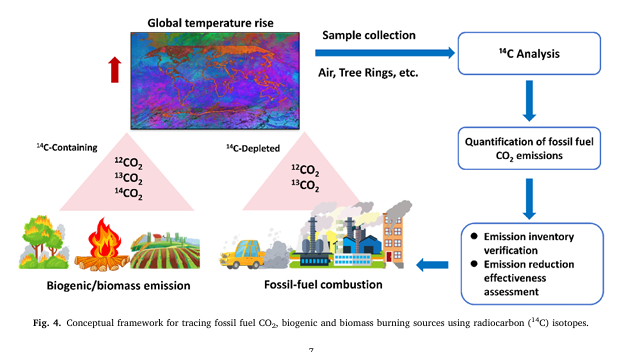
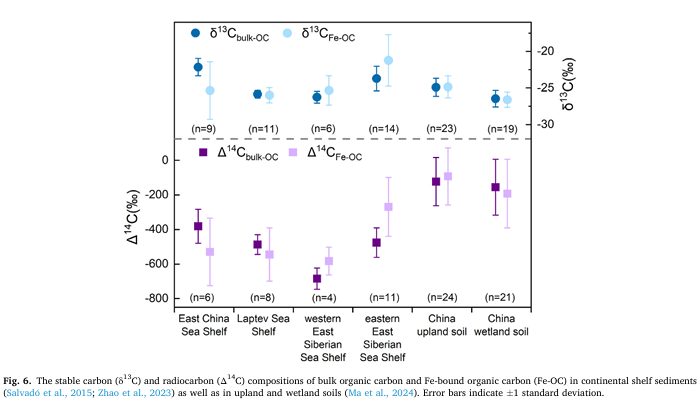
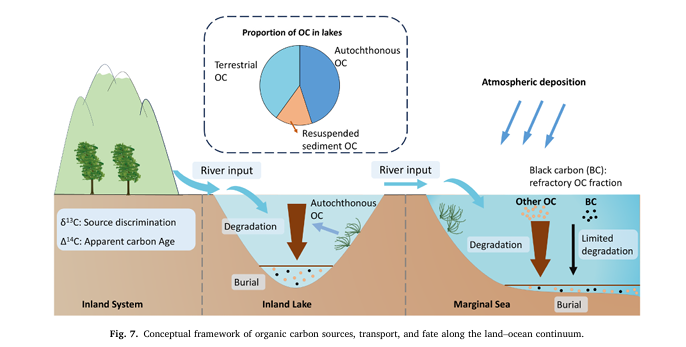
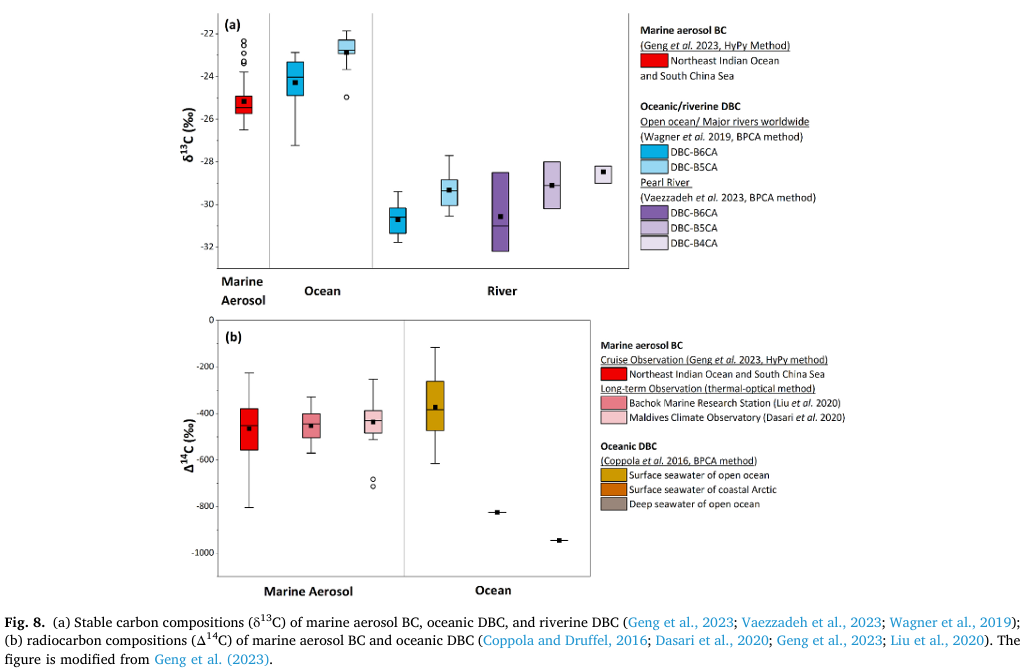
Buqing, Wang Xiao and Li Jing’s new paper ‘Recent progress in the application of organic isotopes in environmentalgeochemistry of the Anthropocene‘ has been published in Applied Geochemistry. This is a review paper generated from previous literature summaries by many of our group members (see below). Buqing put big effort in making it publishable. It is a nice review paper with several important perspectives on the progress and future studies in the research area. Congratulations!
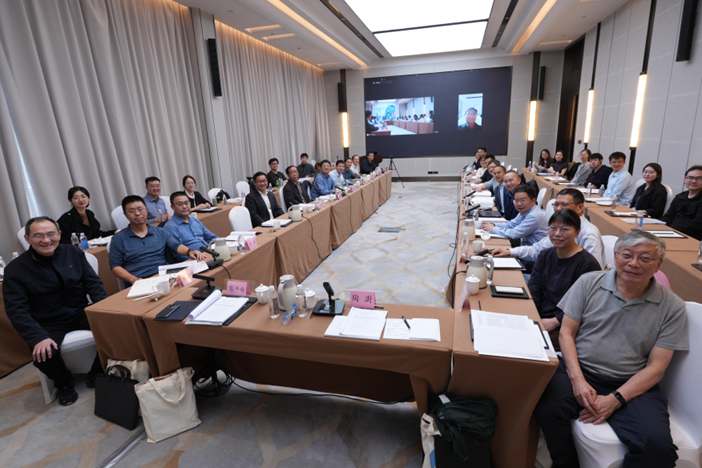
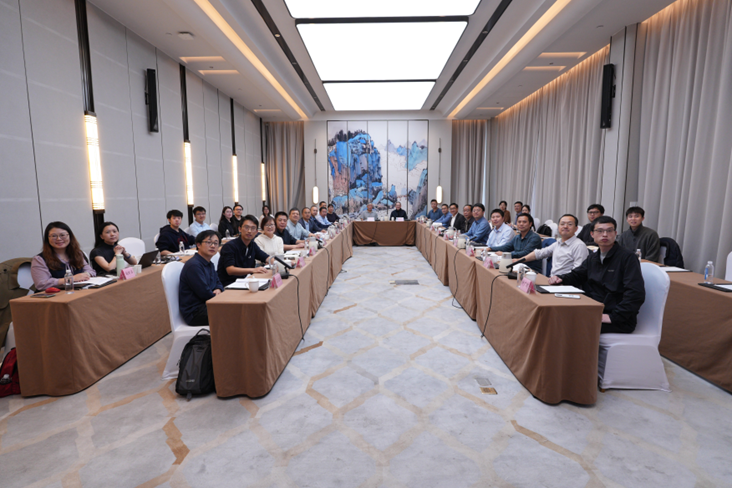
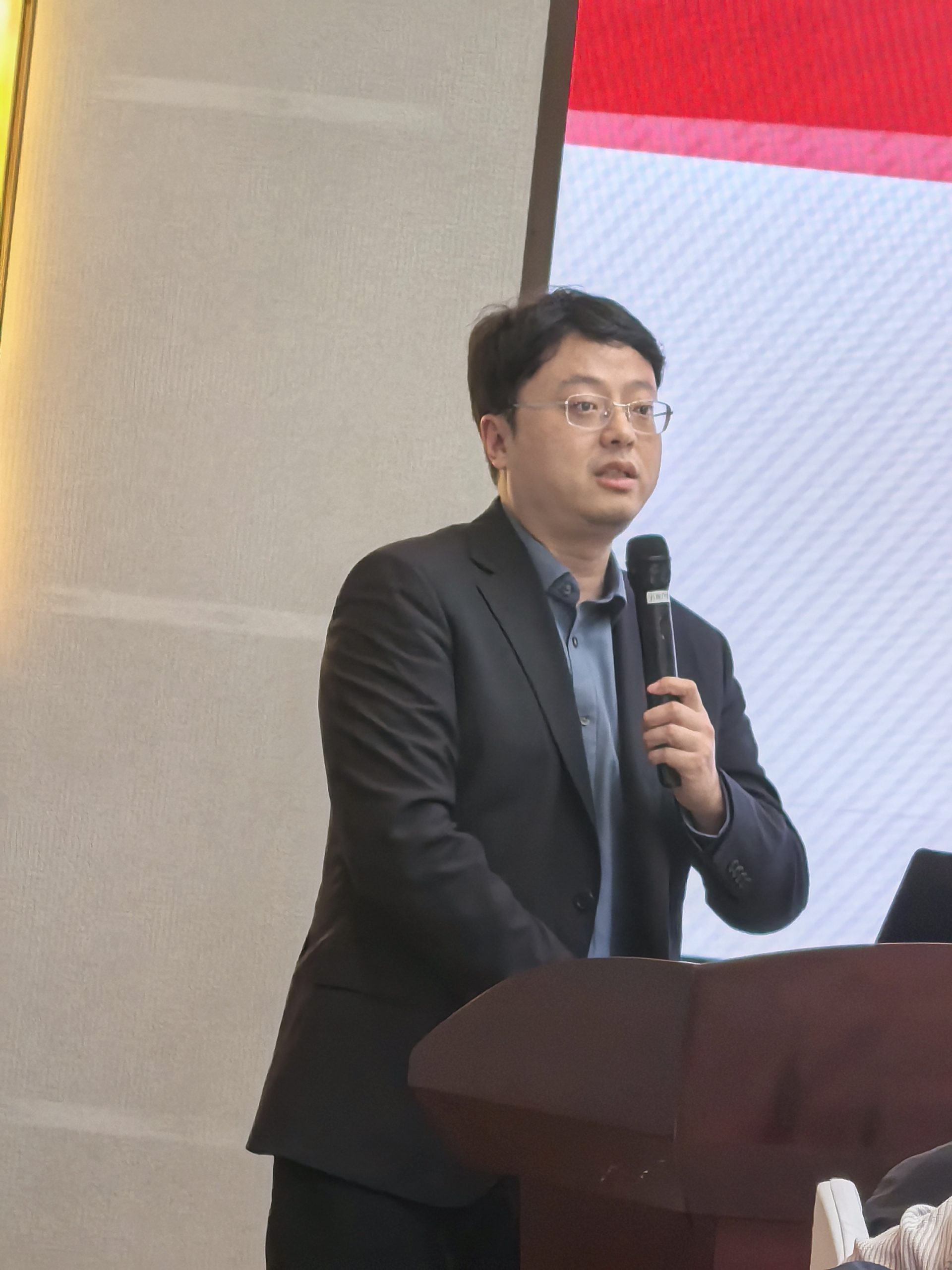
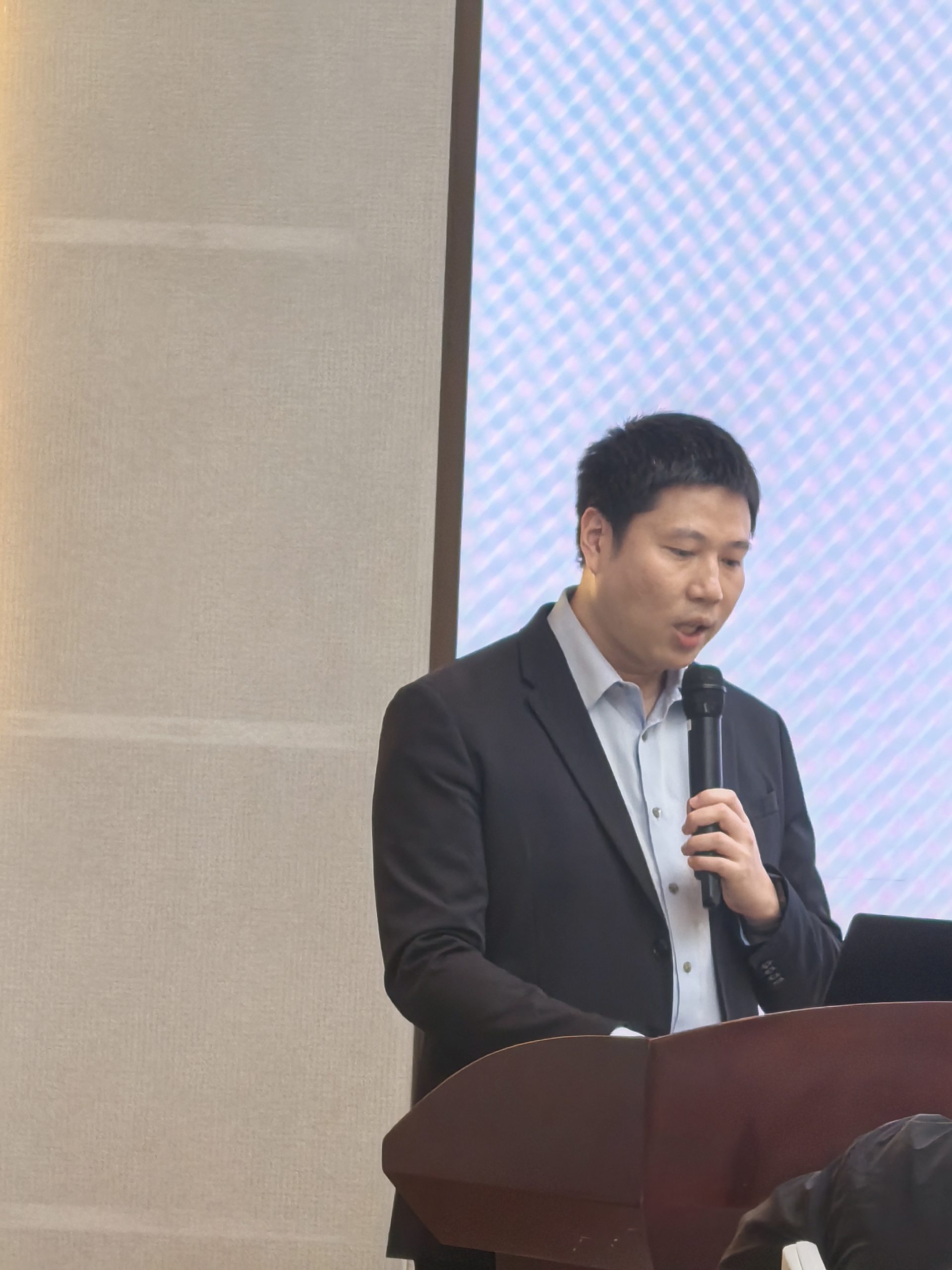
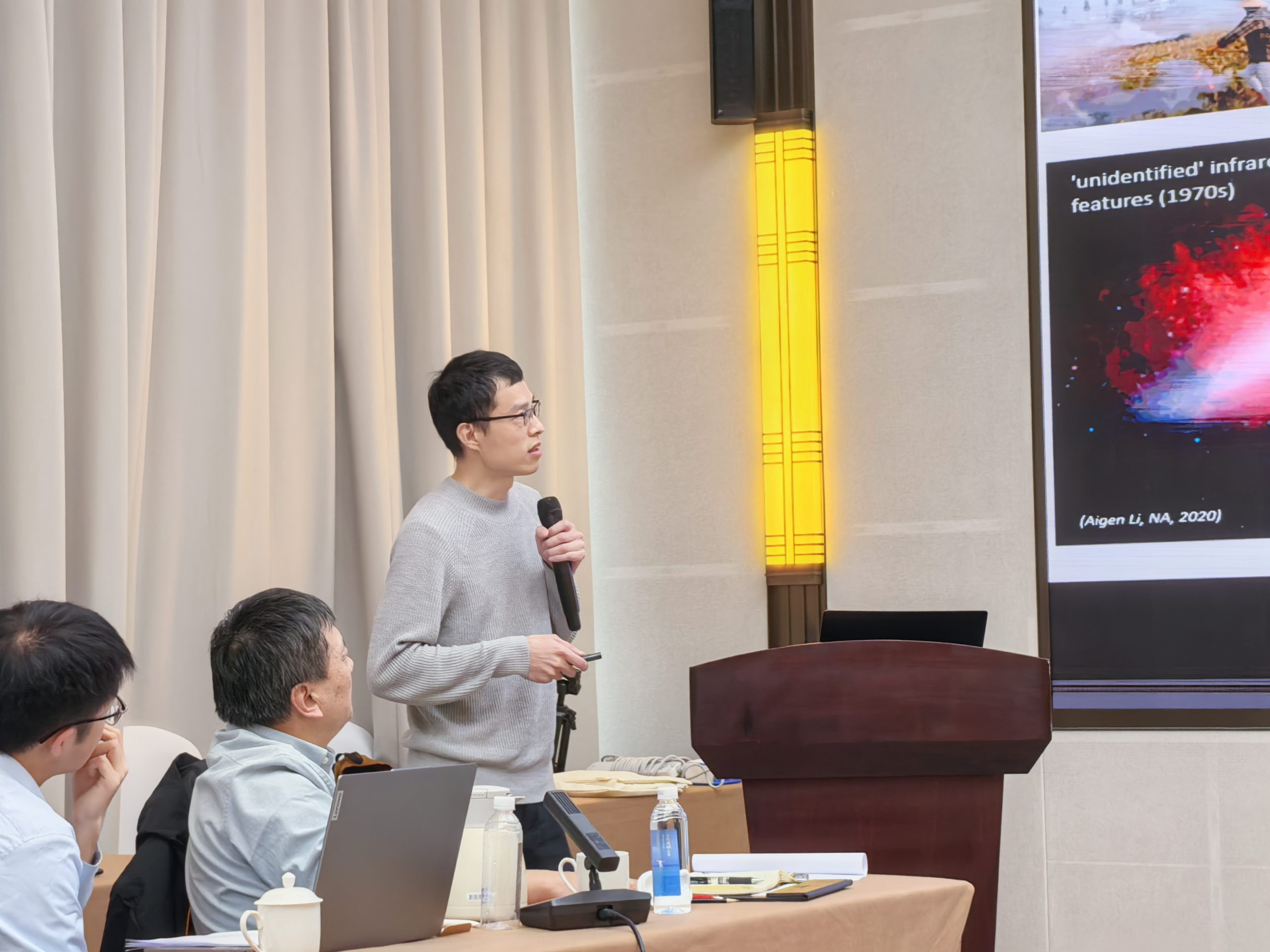
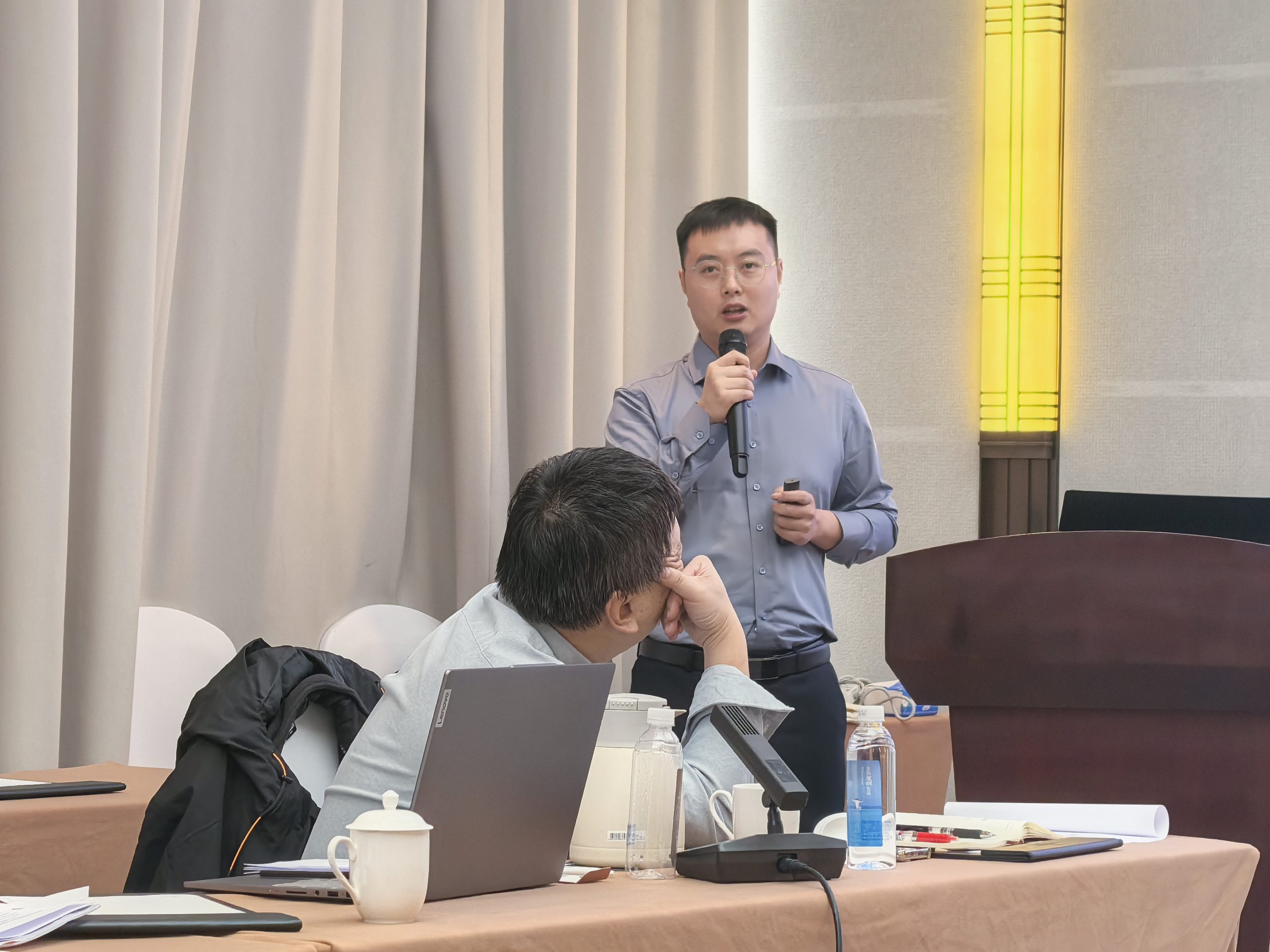
On 19 December 2025, the 2025 Annual Academic Exchange Meeting of the National Natural Science Foundation of China (NSFC) Major Project “Geochemical Behavior and Effects of Black Carbon” (GeoBBC) was held in Guangzhou. The meeting was hosted by the Guangzhou Institute of Geochemistry (GIG), Chinese Academy of Sciences.
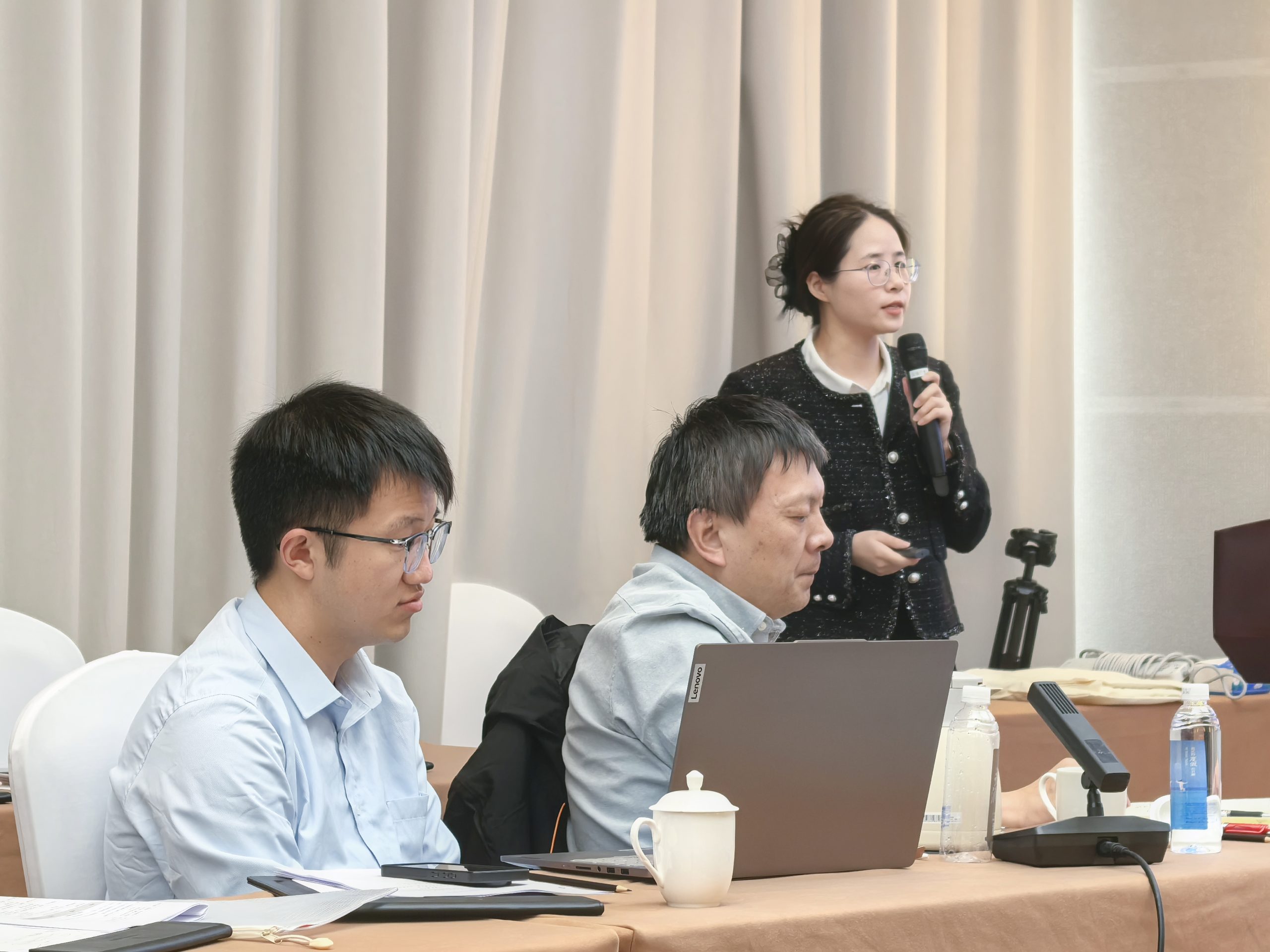
The meeting was structured into two sessions. The morning session featured an Outstanding Research Achievements Symposium, during which representative high-quality research outputs of the project were presented and discussed. The afternoon session comprised the 2025 Annual Progress Report Meeting followed by an expert review and consultation session, during which project progress was comprehensively evaluated and in-depth discussions were conducted with the advisory panel.
The afternoon session was attended by Zheng Yuanming, Director of Division II of the Department of Earth Sciences, and Xiao Jun, Program Officer, from the National Natural Science Foundation of China. Members of the project’s advisory panel also participated, including Academician Tao Shu (Peking University / Southern University of Science and Technology), Academician Peng Ping’an (GIG), Professors Zheng Mei and Zhu Dongqiang (Peking University), Professor Zheng Junyu (The Hong Kong University of Science and Technology (Guangzhou)), Professor Guo Qingjun (Institute of Geographic Sciences and Natural Resources Research, Chinese Academy of Sciences), Professor Liu Xueyan (Institute of Geochemistry, Chinese Academy of Sciences), Professor Pan Bo (Kunming University of Science and Technology), Professor Chen Yingjun (Fudan University), and Professor Liu Chengshuai (South China Agricultural University).
Vice Director Zhu Jianxi of GIG, the leading institution of the project, attended the meeting together with principal investigators and more than 30 core project members from GIG, Fudan University, Southern University of Science and Technology, Nanjing University of Information Science and Technology, and the Institute of Earth Environment, Chinese Academy of Sciences.
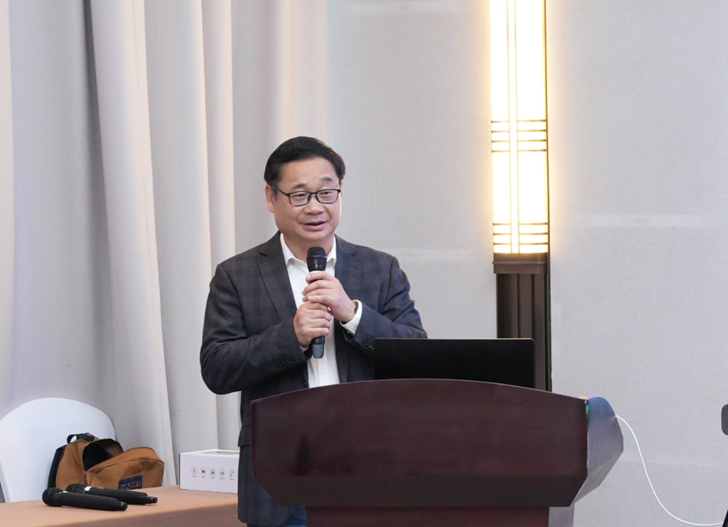
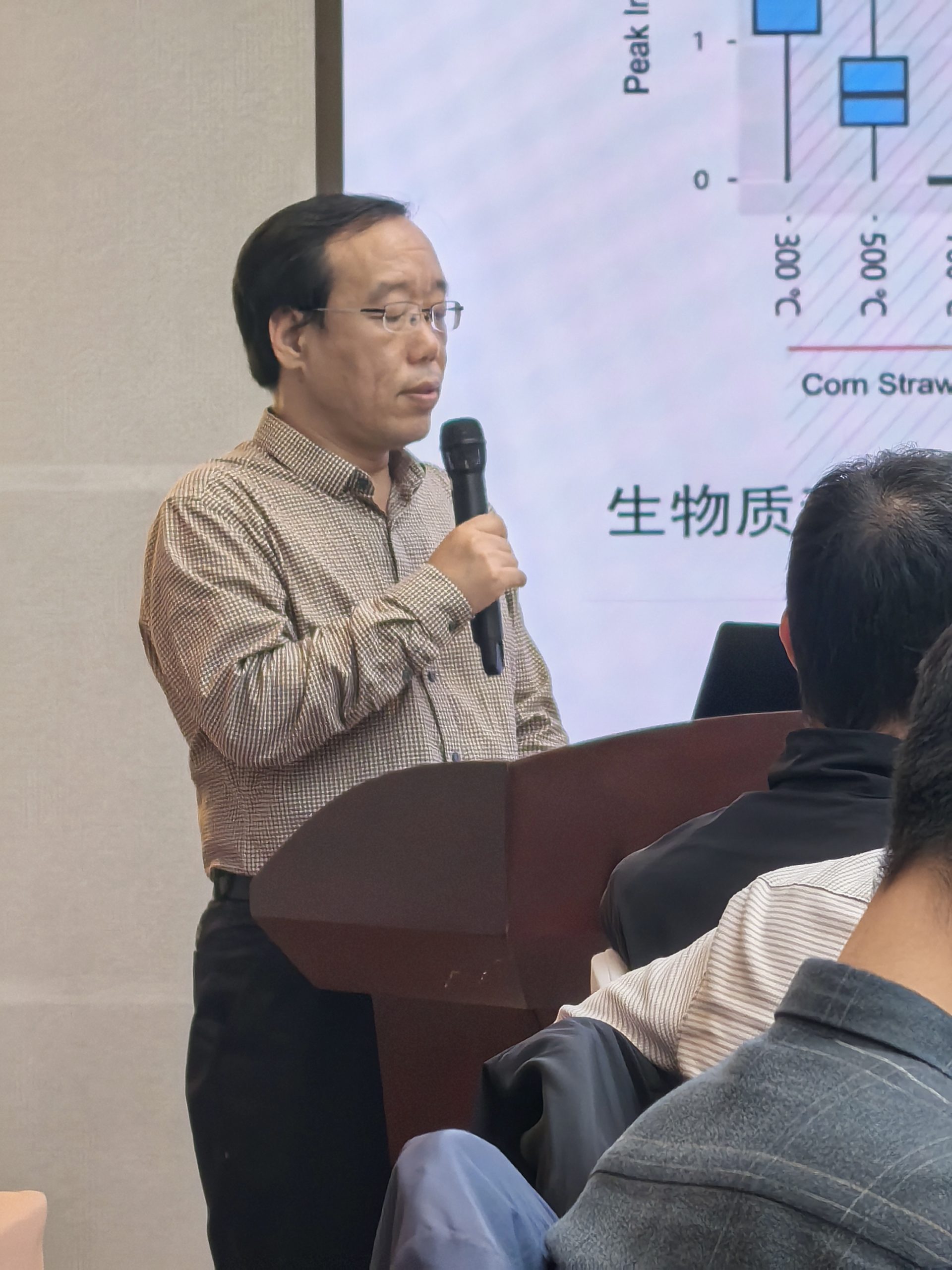
Zhu Jianxi delivered the opening remarks on behalf of the host institution, introducing the outcomes of the recent reorganization of national key laboratories at GIG and expressing sincere appreciation to the NSFC and the project advisors for their continued support. Gan Zhang, on behalf of the project team, presented an overview of the project’s overall progress, highlighting major advances in the formation mechanisms of black carbon, its climate effects, evolutionary cycling, and cross-sphere behavior. Subsequently, principal investigators Song Jianzhong, Zhang Yanlin, Wang Junjian, and Zhong Guangcai reported on the annual progress of their respective subprojects and outlined research plans for the coming year.
The advisory experts unanimously agreed that the project has made solid progress and delivered substantial outcomes. They highlighted breakthrough achievements in key areas, including the operational definition of black carbon and its subsets, regional atmospheric black carbon and its light-absorbing properties, and methodological advances in source apportionment. The experts also provided constructive recommendations for the next phase of research. Zheng Yuanming and Xiao Jun fully affirmed the project’s overall performance, reiterated the strategic role of NSFC Major Projects, and expressed expectations for the project’s high-quality advancement and successful completion.
The NSFC Major Project “Geochemical Behavior and Effects of Black Carbon” is led by the Guangzhou Institute of Geochemistry, with joint participation from Southern University of Science and Technology, Nanjing University of Information Science and Technology, the Institute of Earth Environment of CAS, and Fudan University. The project aims to elucidate the formation mechanisms of black carbon; develop consistent quantitative characterization methods across environmental media; reveal its cross-sphere geochemical behavior and evolutionary pathways; clarify atmospheric aging processes and comprehensively assess radiative forcing effects; uncover the impacts of black carbon on surface organic carbon reservoirs and the environmental fate of toxic pollutants; overcome methodological barriers; and innovatively construct and refine relevant theoretical models, thereby enriching the discipline of geochemistry.
By the end of the fourth project year, a total of 143 academic papers had been published, including seven articles in PNAS and Nature family journals, with a first-affiliation rate exceeding 50%. In addition, several early-career researchers trained through the project have received national and provincial talent awards and academic honors.
🌾Journey to the Hani Terraces
From October 23 to November 2, 2025, the “Soil Excavation Team” composed of Fan, Xiao, Yuxin, and Hangyi, conducted fieldwork at the Hani Terraced Fields in Yuanyang County, Yunnan Province.
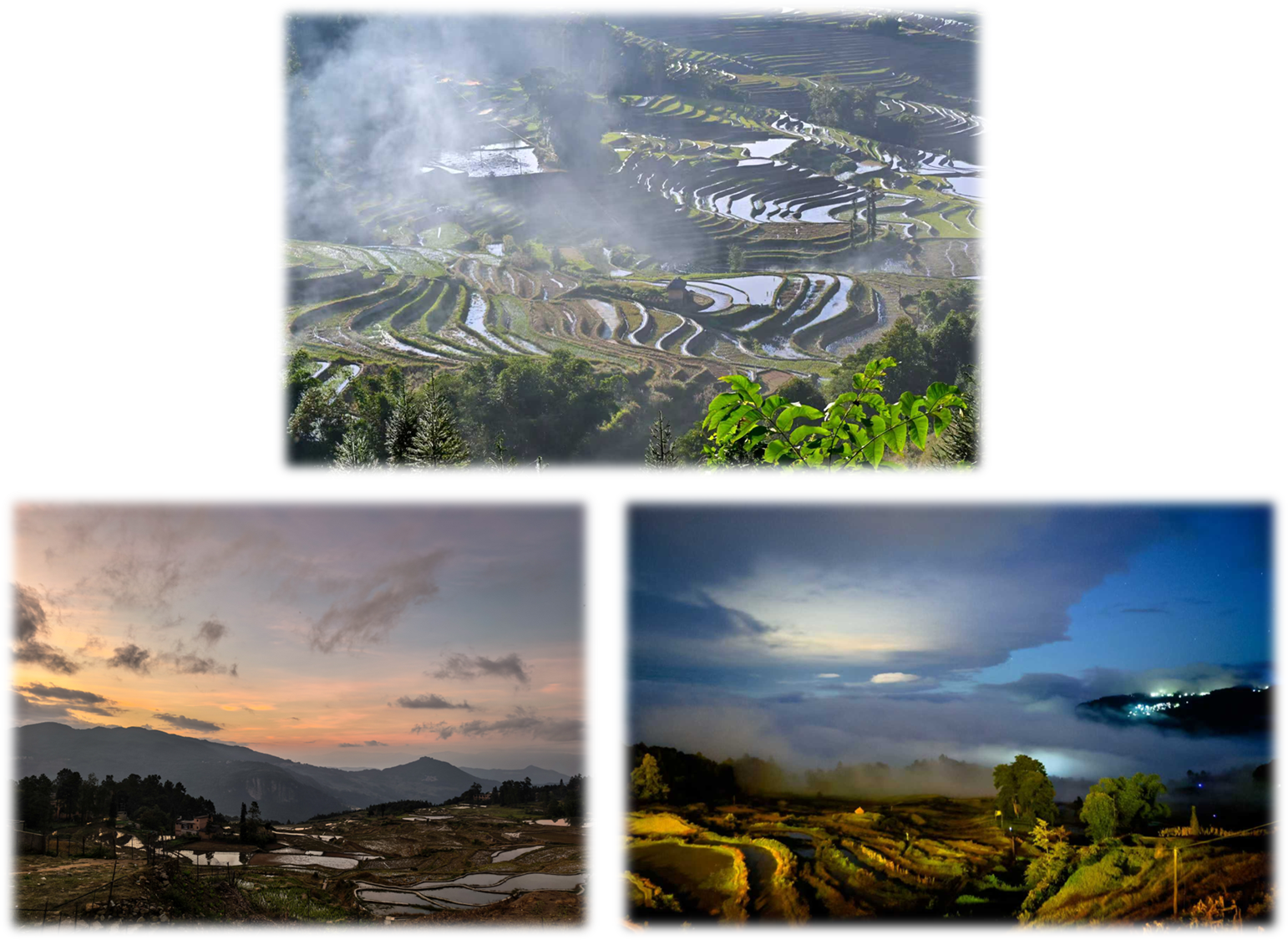
Recognized as a UNESCO World Cultural Heritage Site, the Hani Terraces are a masterpiece of human wisdom and nature’s artistry. For more than 1300 years, generations of Hani people have sculpted the mountainsides into cascading paddy fields, nourished by a centuries-old forest-village-terrace-river ecosystem that still thrives today.
Figure 1. Hani Terraces: morning mist, sunset glow, and sea of clouds(Photo by Hangyi)
🌱Digging into the Terraced Earth
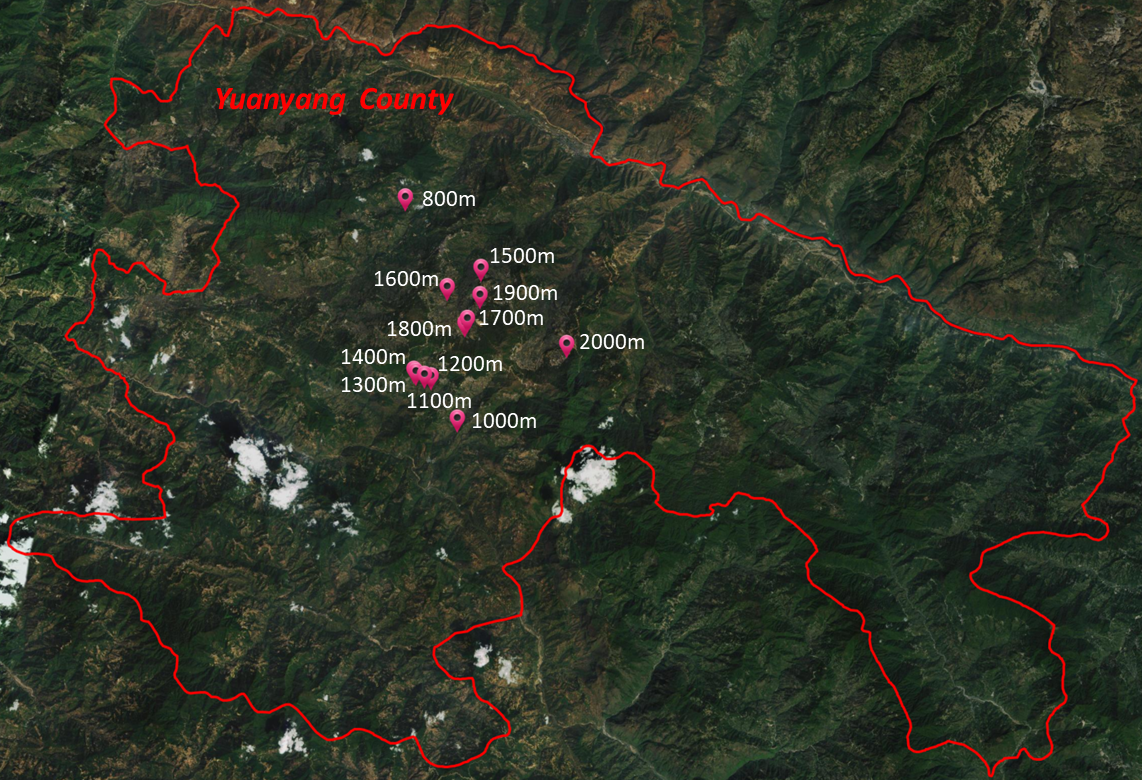
Over several days of fieldwork, the team ascended from the lush valleys at 800 m to the misty ridges at nearly 2000m, collecting paddy soil profiles along the way. Each layer of soil tells a story about how carbon accumulates, transforms, and moves within this centuries-old agricultural landscape.
The samples will be used to analyze soil organic and black carbon contents and isotope compositions, shedding light on carbon cycling processes and contributing to understanding the climate resilience of traditional farming systems.
Figure 2. Sampling sites
Figure 3. Field Sampling workflow: site inspection, soil profile excavation, parameter measurement, and sample preparation
👣Challenges, Smiles, and Stories Along the Terraces
The slippery terraces, steep trails, and sudden mountain mists made the fieldwork challenging. Yet every shovel of soil, every set of measurements, and every laugh shared on the rice paddies make the journey worthwhile.
We are especially grateful to the Hani farmers and village committees for their warm support. Their stores about traditional irrigation and terrace management helped us appreciate the enduring vitality of this landscape.
Figure 3. Fieldwork Shadows
From left to right: Xiao, Fan, Hangyi, Yuxin, and the Hani terrace guide