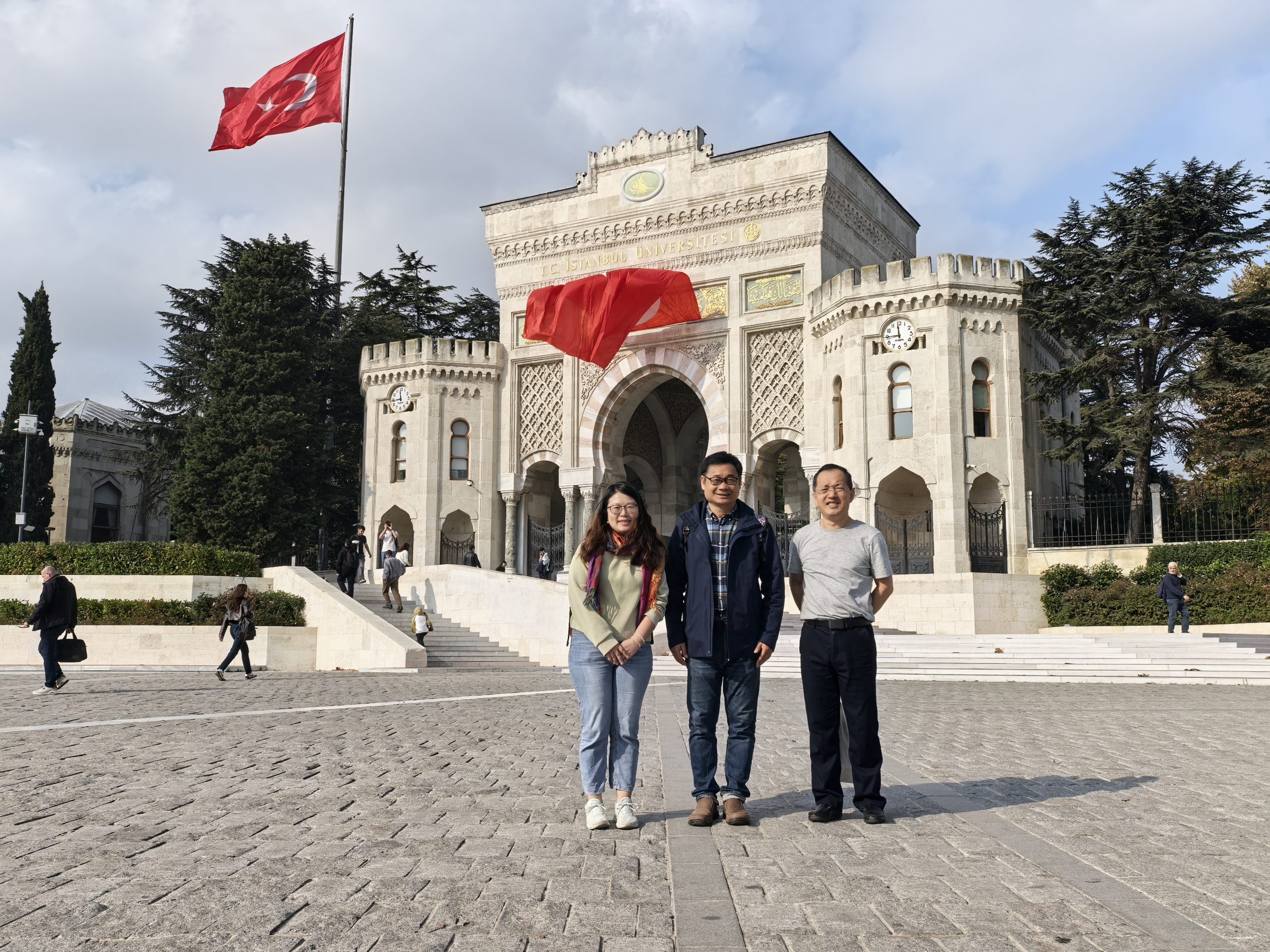
🌾Journey to the Hani Terraces
From October 23 to November 2, 2025, the “Soil Excavation Team” composed of Fan, Xiao, Yuxin, and Hangyi, conducted fieldwork at the Hani Terraced Fields in Yuanyang County, Yunnan Province.
Recognized as a UNESCO World Cultural Heritage Site, the Hani Terraces are a masterpiece of human wisdom and nature’s artistry. For more than 1300 years, generations of Hani people have sculpted the mountainsides into cascading paddy fields, nourished by a centuries-old forest-village-terrace-river ecosystem that still thrives today.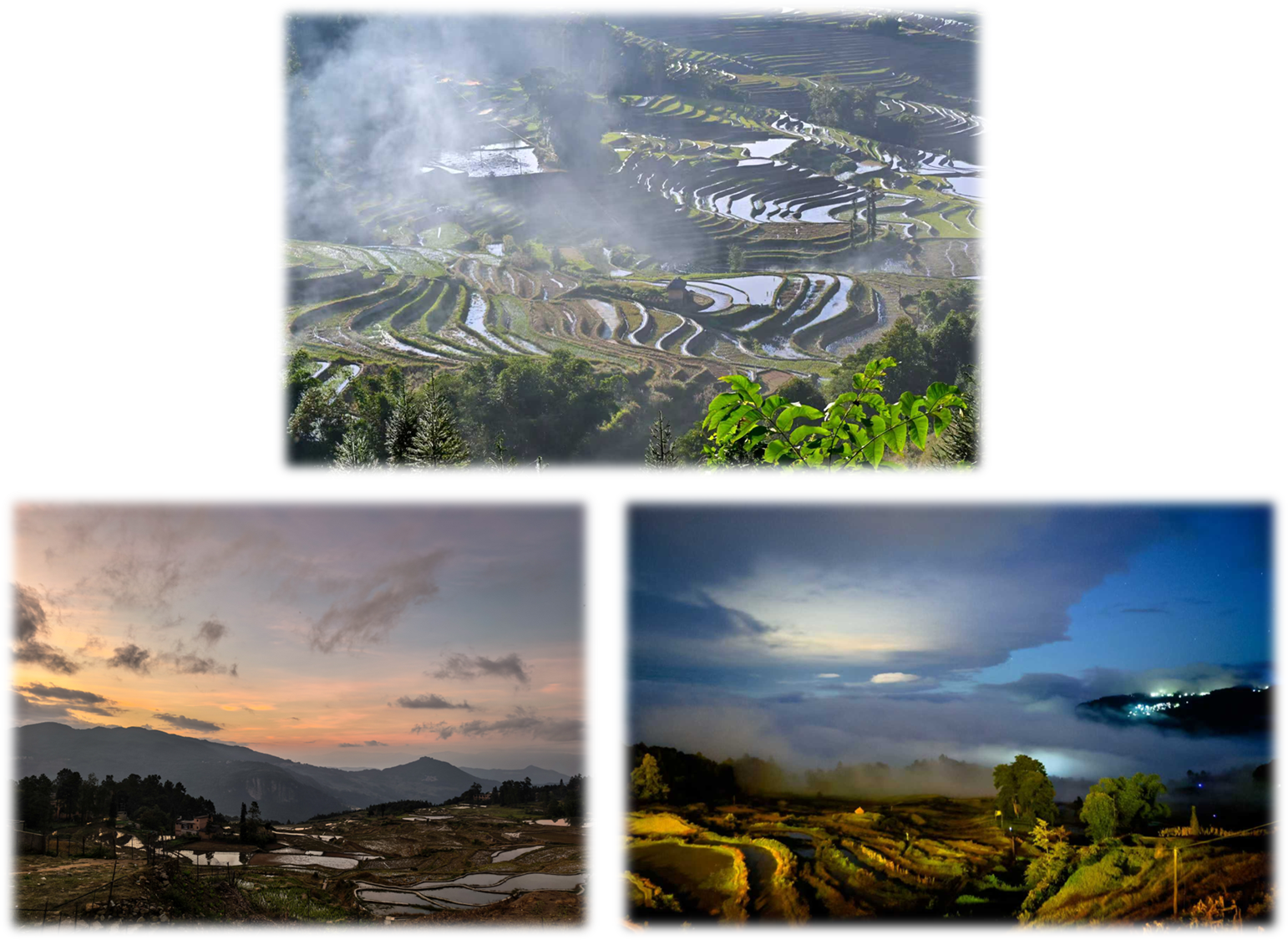
Figure 1. Hani Terraces: morning mist, sunset glow, and sea of clouds(Photo by Hangyi)
🌱Digging into the Terraced Earth
Over several days of fieldwork, the team ascended from the lush valleys at 800 m to the misty ridges at nearly 2000m, collecting paddy soil profiles along the way. Each layer of soil tells a story about how carbon accumulates, transforms, and moves within this centuries-old agricultural landscape.
The samples will be used to analyze soil organic and black carbon contents and isotope compositions, shedding light on carbon cycling processes and contributing to understanding the climate resilience of traditional farming systems.
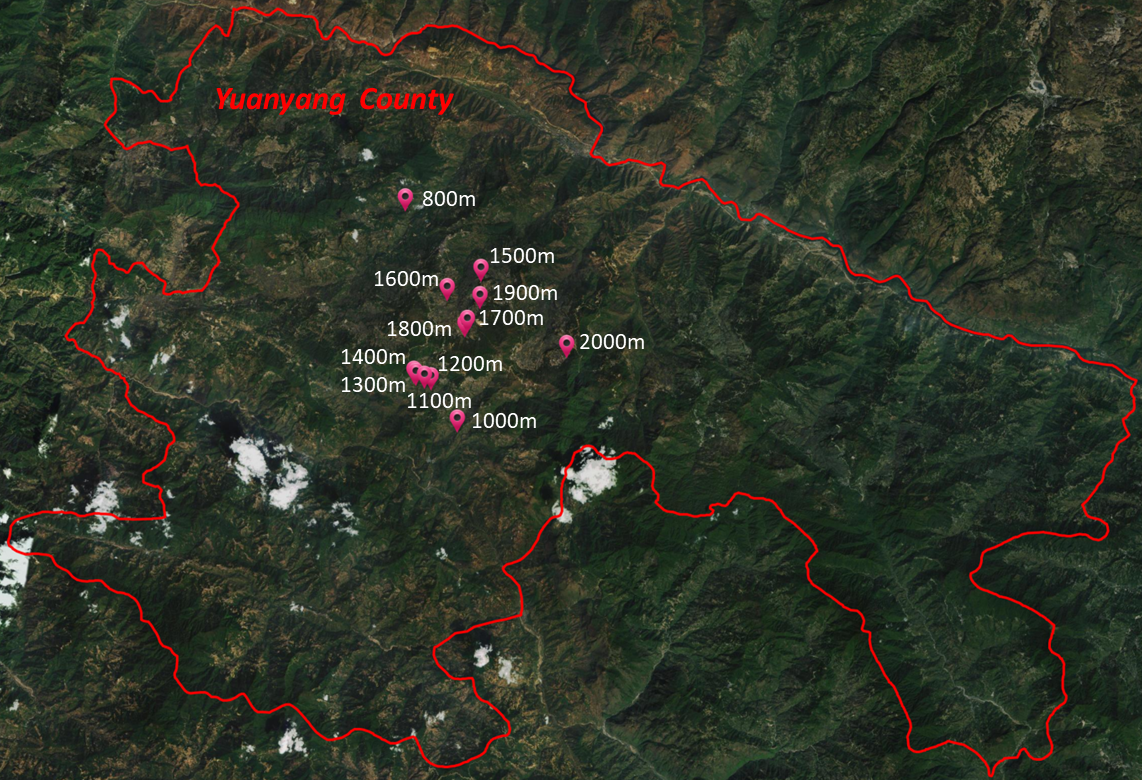
Figure 2. Sampling sites

Figure 3. Field Sampling workflow: site inspection, soil profile excavation, parameter measurement, and sample preparation
👣Challenges, Smiles, and Stories Along the Terraces
The slippery terraces, steep trails, and sudden mountain mists made the fieldwork challenging. Yet every shovel of soil, every set of measurements, and every laugh shared on the rice paddies make the journey worthwhile.
We are especially grateful to the Hani farmers and village committees for their warm support. Their stores about traditional irrigation and terrace management helped us appreciate the enduring vitality of this landscape.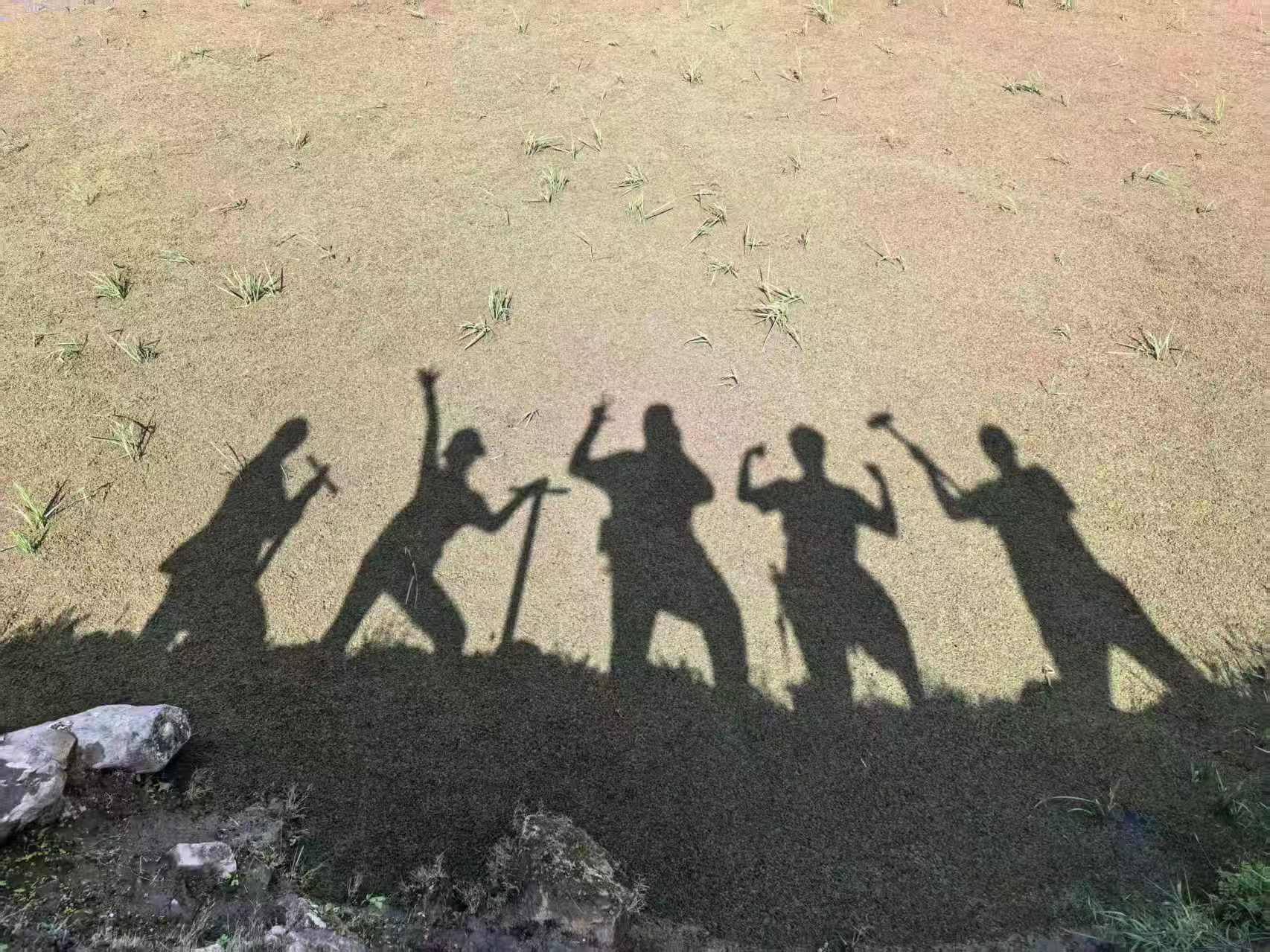
Figure 3. Fieldwork Shadows
From left to right: Xiao, Fan, Hangyi, Yuxin, and the Hani terrace guide
(Written by Jiangfan)